

20GP FCL Best Route: China Machinery to Chicago
Navigating international logistics for heavy machinery can be complex, especially when seeking the optimal path from China to the heart of the American Midwest. Identifying the 20GP FCL best route for machinery from China to Chicago requires careful consideration of various factors. This comprehensive guide, brought to you by China Top Freight, will simplify the process, helping you make informed decisions for your next shipment.
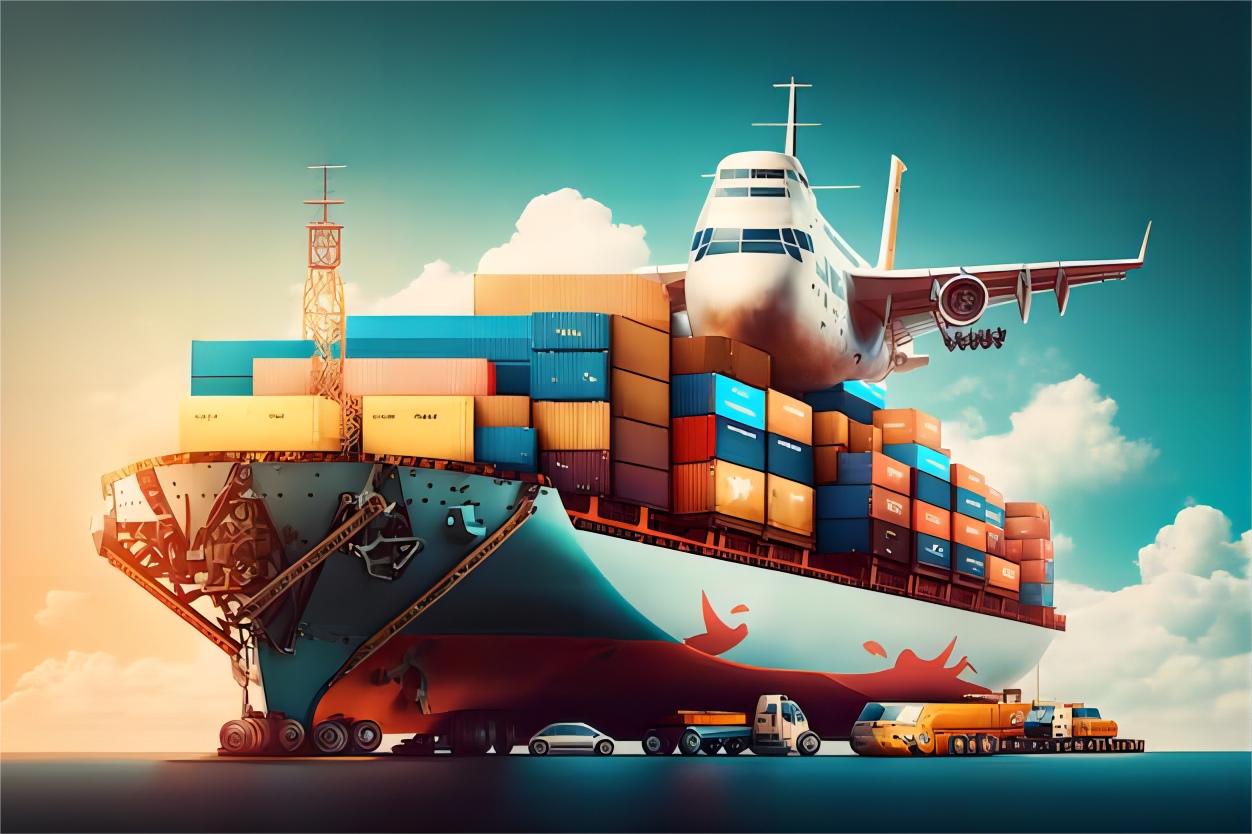
What is 20GP FCL Shipping for Machinery?
A 20GP FCL, or 20-foot General Purpose Full Container Load, refers to shipping your goods in a dedicated 20-foot container. This method is particularly suitable for machinery due to its robust nature and secure, exclusive space. Consequently, your machinery remains isolated from other cargo, minimizing handling risks.
Choosing FCL means you pay for the entire container, irrespective of whether it is fully utilized. This option is often the most cost-effective for larger or heavier machinery shipments. Moreover, it offers greater control over transit times and reduces potential delays associated with cargo consolidation.
Key Factors for the 20GP FCL Best Route
Determining the 20GP FCL best route for machinery from China to Chicago involves balancing several critical elements. Understanding these factors is paramount for optimizing your supply chain and achieving successful delivery.
Primarily, transit time is a major concern for many businesses. Furthermore, shipping costs can significantly impact your overall budget. Additionally, the specific type and dimensions of your machinery will influence container choice and handling requirements.
Moreover, effective customs clearance procedures are essential to avoid costly delays. Finally, the reliability of your chosen logistics partner plays a crucial role in the entire process.
How Does Sea Freight Compare to Other Shipping Options?
When considering the 20GP FCL best route for machinery from China to Chicago, sea freight emerges as the most common and often most economical choice. However, it is vital to compare it against other viable alternatives to ensure you select the optimal solution for your specific needs.
Other options, such as air freight or multimodal approaches combining sea and rail, offer distinct advantages and disadvantages. Evaluating these helps in making an informed decision. Therefore, understanding the trade-offs between cost, speed, and capacity is crucial.
| Shipping Method | Cost Range (20GP) | Transit Time | Best For | Limitations |
|---|---|---|---|---|
| FCL Sea Freight (All-Water to East Coast + Rail) | $4,500 – $6,500 | 30-40 days | Heavy, bulky machinery; cost-sensitive shipments; large volumes | Longer transit times; port congestion risks |
| FCL Sea Freight (West Coast + Rail) | $3,800 – $5,800 | 20-30 days | Moderate urgency; cost-effective for inland destinations; large volumes | Potential for rail delays; increased handling at US port |
| LCL Sea Freight (for smaller machinery) | $1,500 – $3,000 (per CBM) | 35-45 days | Smaller, lighter machinery (under 15 CBM); budget-conscious | Longer transit due to consolidation; more handling risks |
| Air Freight (for machinery parts/urgent small items) | $10,000 – $25,000 (for comparable volume) | 5-8 days | High-value, urgent, critical spare parts; time-sensitive deliveries | Significantly higher cost; size/weight restrictions; not ideal for heavy machinery |

Optimizing Your Route: Sea-Rail Intermodal Solutions
For machinery shipping from China to Chicago, an intermodal approach often represents the 20GP FCL best route. This typically involves sea freight to a major US port, followed by rail transport to Chicago. This combination leverages the cost-effectiveness of ocean shipping with the efficiency of rail for inland delivery.
Choosing between West Coast (e.g., Los Angeles, Long Beach) and East Coast (e.g., New York, Savannah) ports is a key decision. West Coast ports generally offer shorter ocean transit times, but the subsequent rail journey to Chicago is longer. Conversely, East Coast ports have longer ocean legs but a shorter rail segment.
Many shippers find the West Coast to be a preferable option for machinery destined for the Midwest. This is primarily due to the overall shorter combined transit time when compared to an all-water route to the East Coast. However, rail capacity and potential delays should always be considered. Explore efficient rail freight options for this leg.
West Coast Port Advantages
Opting for ports like Los Angeles or Long Beach can significantly reduce the ocean leg duration. This makes it an attractive choice for those prioritizing quicker sea transit. However, the subsequent rail journey across the US requires robust planning for door-to-door delivery.
The extensive rail network from these ports provides reliable connections to major hubs like Chicago. Consequently, this route balances speed and cost effectively for many machinery imports.
East Coast Port Considerations
While the ocean transit to East Coast ports (e.g., New York, Savannah) is longer, the rail distance to Chicago is shorter. This can sometimes offer predictability if rail congestion is a concern on the West Coast. Furthermore, it avoids the Panama Canal congestion issues that can affect all-water routes.
This route might be suitable for shipments where overall stability and avoiding potential West Coast port or rail bottlenecks are priorities. Ultimately, the choice depends on current market conditions and specific supply chain priorities.
Navigating Customs, Documentation, and Inland Logistics
Successfully importing machinery involves more than just selecting the right shipping route. Efficient customs clearance is paramount to prevent delays and unexpected costs. Therefore, accurate documentation is non-negotiable for smooth entry into the US.
You will need a commercial invoice, packing list, bill of lading, and potentially specific permits for certain types of machinery. Moreover, understanding US import regulations, including HTS codes and duties, is crucial. Partnering with a skilled customs brokerage service simplifies this complex process.
Once your machinery arrives at the US port, the final leg of its journey to Chicago begins. This inland transportation, often via rail or truck, requires careful coordination. Consequently, ensuring timely pickup and delivery to your final destination is vital for maintaining your production schedule.
Which Option Should You Choose for Your Machinery Shipment?
Deciding on the 20GP FCL best route for machinery from China to Chicago hinges on your specific business priorities. There isn’t a single universal ‘best’ option; instead, it’s about finding the ideal fit for your unique circumstances.
If budget is your primary concern, FCL sea freight, particularly via the West Coast, offers the most economical solution. This method provides significant cost savings compared to air freight. However, you must account for longer transit times.
When speed is paramount, and your machinery is smaller or critical, air freight is the fastest option, albeit at a premium price. This is typically reserved for urgent parts or high-value, lightweight components. Alternatively, for heavy or bulky items, the fastest sea options usually involve West Coast ports with efficient rail connections.
For cargo types, FCL is ideal for large, heavy, or sensitive machinery that requires dedicated space and minimal handling. LCL is only suitable for smaller components or machinery that doesn’t fill a 20GP container entirely. Lastly, consider the volume thresholds: if your machinery fills more than 15 CBM, FCL almost always becomes more economical than LCL.
Real-World Case Studies: Machinery Shipping to Chicago
To further illustrate the complexities and successful strategies, let’s examine real-world scenarios for shipping machinery to Chicago.
These examples highlight how different factors influence route selection, costs, and transit times. They demonstrate the practical application of choosing the 20GP FCL best route for machinery from China to Chicago based on specific client needs. Based on Q3 2024 market rates, these cases provide valuable insights.
Case Study 1: Large Industrial Press Machine
This client needed to ship a heavy industrial press machine, requiring a dedicated container. The priority was cost-effectiveness balanced with reasonable transit time.
| Detail | Description |
|---|---|
| Route | Shanghai, China -> Chicago, USA |
| Cargo | Industrial Press Machine, 28 CBM, 15,000 kg |
| Container | 1 x 20GP FCL |
| Shipping Details | Carrier: COSCO, Port of Loading: Shanghai, Port of Discharge: Long Beach, Route Type: Transshipment via Busan, then rail to Chicago |
| Cost Breakdown | Ocean Freight: $4,200, Origin Charges: $450, Destination Charges (including rail): $1,800, Customs & Duties (estimated): $750, Total Landed Cost: $7,200 |
| Timeline | Booking to Loading: 5 days, Sea Transit: 18 days, Rail Transit: 8 days, Customs Clearance: 3 days, Total Door-to-Door: 34 days |
| Key Insight | Utilizing a West Coast port with efficient rail connections provided the 20GP FCL best route for machinery, balancing cost and speed effectively for this heavy cargo. |
Case Study 2: Precision Manufacturing Equipment
A client required the shipment of sensitive precision manufacturing equipment, prioritizing minimal handling and secure transit. They opted for a direct FCL service to minimize risks.
| Detail | Description |
|---|---|
| Route | Ningbo, China -> Chicago, USA |
| Cargo | Precision CNC Machine, 25 CBM, 12,000 kg |
| Container | 1 x 20GP FCL |
| Shipping Details | Carrier: Maersk, Port of Loading: Ningbo, Port of Discharge: New York, Route Type: All-water direct to East Coast, then rail to Chicago |
| Cost Breakdown | Ocean Freight: $5,800, Origin Charges: $480, Destination Charges (including rail): $1,500, Customs & Duties (estimated): $600, Total Landed Cost: $8,380 |
| Timeline | Booking to Loading: 6 days, Sea Transit: 32 days, Rail Transit: 4 days, Customs Clearance: 2 days, Total Door-to-Door: 44 days |
| Key Insight | Though longer, the all-water route to the East Coast offered enhanced security and less handling for sensitive equipment. This was deemed the 20GP FCL best route for machinery requiring utmost care. |
Case Study 3: Multiple Small Machinery Units
This case involved a client shipping several smaller, crated machinery units that collectively filled a 20GP container. The primary goal was to achieve competitive freight rates.
| Detail | Description |
|---|---|
| Route | Shenzhen, China -> Chicago, USA |
| Cargo | 5 units of packaging machinery, 26 CBM, 10,500 kg |
| Container | 1 x 20GP FCL |
| Shipping Details | Carrier: MSC, Port of Loading: Shenzhen, Port of Discharge: Long Beach, Route Type: Direct service, then rail to Chicago |
| Cost Breakdown | Ocean Freight: $4,000, Origin Charges: $420, Destination Charges (including rail): $1,750, Customs & Duties (estimated): $550, Total Landed Cost: $6,720 |
| Timeline | Booking to Loading: 4 days, Sea Transit: 16 days, Rail Transit: 9 days, Customs Clearance: 3 days, Total Door-to-Door: 32 days |
| Key Insight | Consolidating multiple small machinery units into a single 20GP FCL via a West Coast port offered significant cost advantages and efficient transit. This demonstrated a cost-effective 20GP FCL best route for machinery. |
Market Trends and Cost Considerations
The global shipping landscape is constantly evolving, with freight rates and transit times subject to various market forces. As of early 2025, freight rates from China to North America have stabilized somewhat following previous disruptions. However, factors like fuel surcharges and carrier capacity continue to influence pricing.
Seasonal demand also plays a significant role. For instance, rates typically increase by 15-25% during the peak shipping season from August to October due to holiday demand. Furthermore, unforeseen events, such as port congestion or geopolitical issues, can lead to sudden rate fluctuations and delays. Therefore, it is wise to plan your shipments accordingly.
For example, a 20GP FCL from China to USA West Coast might range from $1,500-$2,200 for the ocean leg, while to the USA East Coast, it could be $2,500-$3,500. These figures are for the ocean freight component only. Inland rail or truck transport adds to the total cost. Note: Freight rates are subject to change based on fuel costs, carrier capacity, and seasonal demand. Contact us for a current quote tailored to your specific shipment.
Conclusion: Securing Your 20GP FCL Best Route for Machinery
Selecting the 20GP FCL best route for machinery from China to Chicago demands a strategic approach, blending cost-effectiveness with timely delivery. While sea freight via US West Coast ports with subsequent rail transport often provides the optimal balance, specific cargo requirements and market conditions can shift the ideal choice.
By understanding the nuances of FCL shipping, customs, and intermodal logistics, businesses can significantly enhance their supply chain efficiency. Partnering with an experienced freight forwarder is paramount to navigating these complexities successfully. Ultimately, a well-planned route ensures your valuable machinery arrives safely and on schedule.
Get Your Shipping Quote Today
Ready to optimize your machinery shipments from China to Chicago? Contact China Top Freight today for a personalized quote and expert guidance on finding the 20GP FCL best route for machinery. Our team is prepared to streamline your logistics and ensure efficient delivery.
Request Quote