

20GP FCL Container Shortage Solution for Machinery from China to California
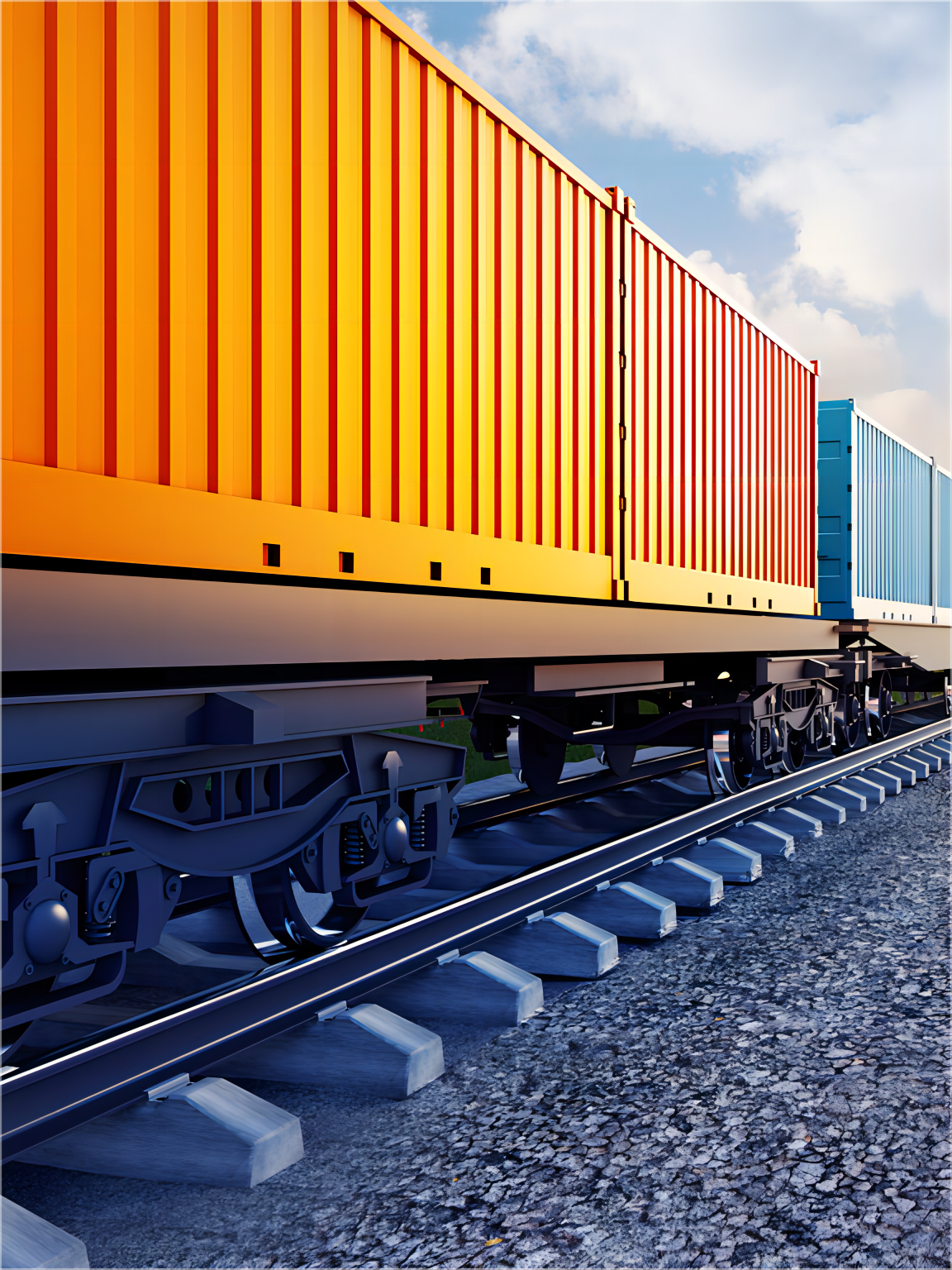
The global shipping landscape often presents challenges, especially when securing a 20GP FCL container shortage solution for machinery from China to California. Businesses frequently face delays and escalating costs due to fluctuating market conditions. Navigating these complexities requires strategic planning and reliable logistics partners like China Top Freight. This guide explores effective strategies and practical solutions to ensure your valuable machinery reaches its destination efficiently.
✦
Why is There a 20GP FCL Container Shortage for Machinery from China to California?
The demand for 20GP FCL containers often outstrips supply, creating significant challenges for importers of machinery. This shortage primarily stems from several interconnected global events and logistical bottlenecks. Consequently, securing space for heavy industrial equipment has become increasingly competitive and expensive.
Moreover, factors such as port congestion, equipment repositioning issues, and geopolitical events exacerbate the problem. These elements disrupt the normal flow of containers, leading to prolonged transit times and increased pressure on available resources. Businesses importing machinery, therefore, need proactive strategies to mitigate these risks.

What are the Best 20GP FCL Container Shortage Solutions for Machinery from China to California?
Addressing the 20GP FCL container shortage effectively requires a multi-faceted approach. Firstly, early booking is paramount, especially for peak seasons or urgent machinery shipments. Planning well in advance allows freight forwarders to secure necessary container space and vessel slots. This proactive step significantly reduces last-minute scramble and potential delays.
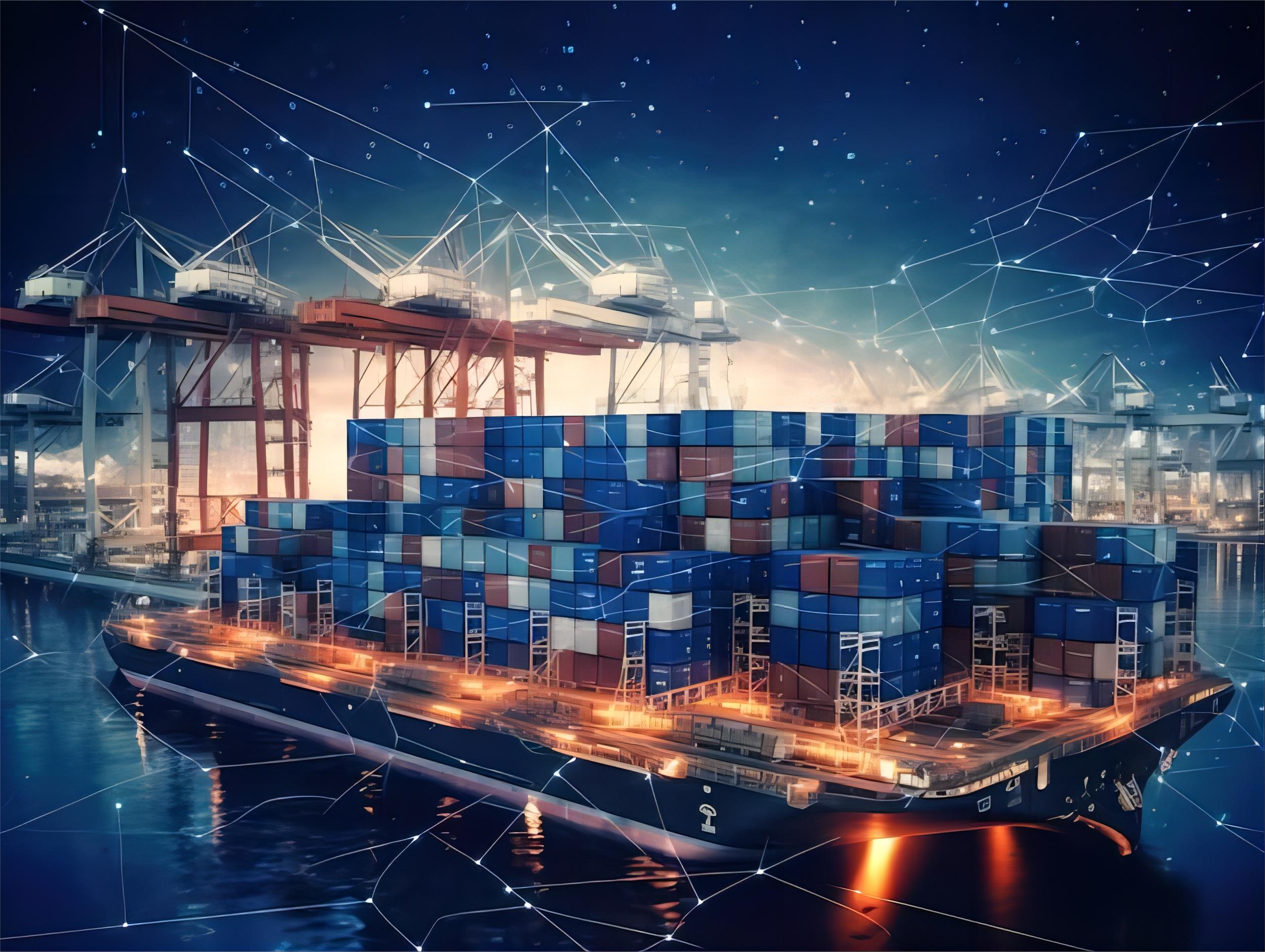
Furthermore, building strong relationships with reliable freight forwarders is crucial. Experienced logistics providers often have established networks and preferential agreements with shipping lines. They can, therefore, leverage these connections to find available 20GP containers even during tight market conditions.
Utilizing Flexible Port Options
Considering alternative ports of loading in China and discharge in California can also provide flexibility. Sometimes, major hubs like Shanghai or Los Angeles are heavily congested, making smaller, less-trafficked ports a viable option. This strategy might involve slightly longer inland transit but can significantly reduce overall port delays.
Moreover, exploring different shipping lines and their specific service routes can uncover hidden capacity. Some carriers might have better equipment availability or less congested routes for your specific sea freight needs. Diversifying your carrier options is a smart move for supply chain resilience.
Are There Viable Alternative Shipping Methods for Machinery from China to California?
Indeed, when a 20GP FCL container shortage persists, exploring alternative shipping methods becomes essential. While FCL remains the standard for large machinery, other options can provide flexibility and cost efficiency. The best choice depends heavily on the machinery’s size, weight, urgency, and budget constraints.
LCL Shipping for Smaller Machinery
For smaller pieces of machinery or components that do not fill an entire 20GP container, Less than Container Load (LCL) shipping offers a practical solution. Your cargo shares container space with other shipments, potentially reducing individual freight costs. However, LCL shipments may experience longer transit times due to consolidation and deconsolidation processes.
Break Bulk Shipping for Oversized Equipment
Oversized or exceptionally heavy machinery that cannot fit into standard containers might require break bulk shipping. This method involves loading cargo directly onto the vessel’s deck or into its hold without containers. While more specialized, it bypasses container availability issues entirely, proving ideal for unique industrial equipment.
Air Freight for Urgent Machinery Shipments
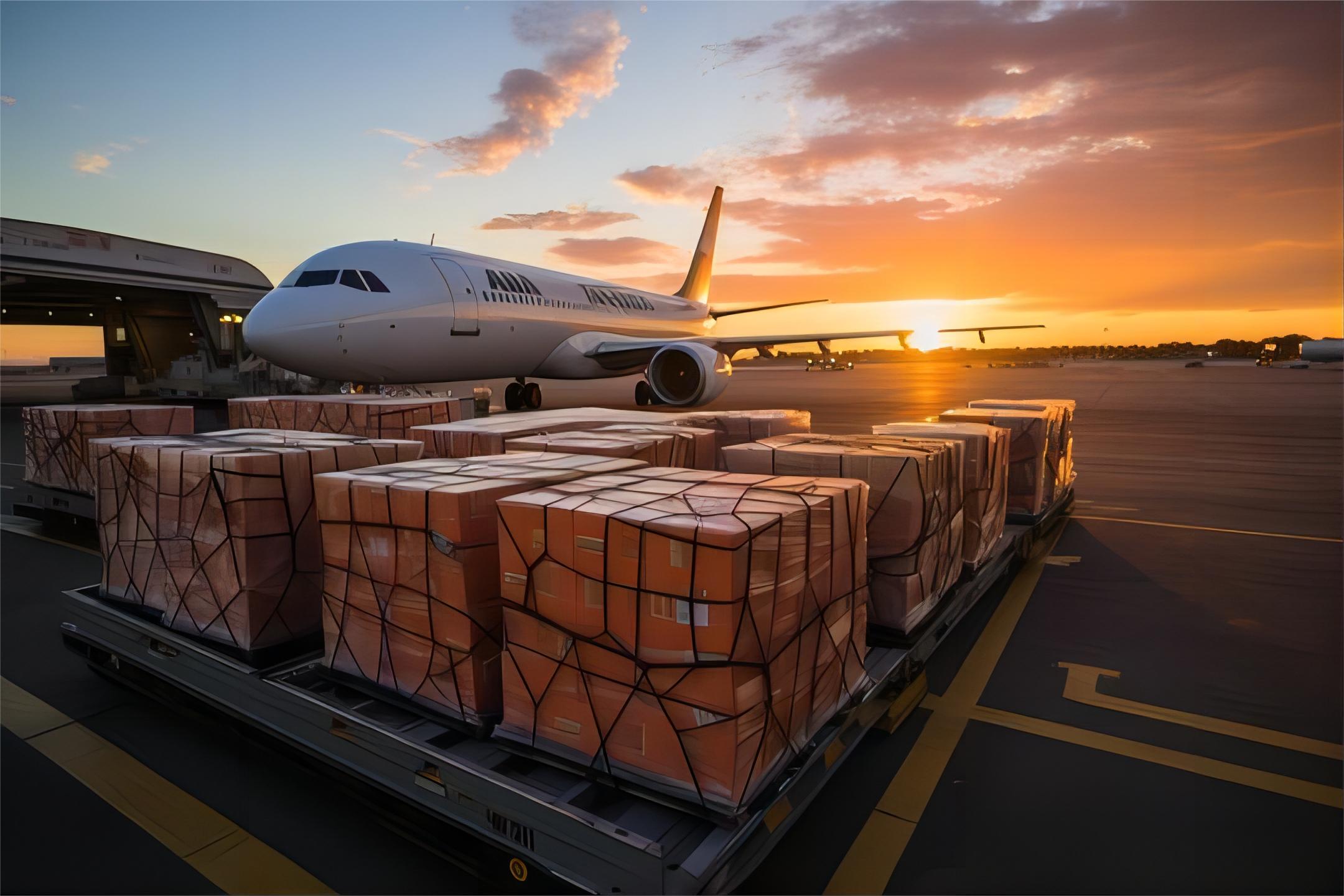
When speed is the highest priority, air freight provides the fastest delivery option. Although significantly more expensive than ocean freight, it drastically reduces transit times, which can be critical for urgent production schedules or time-sensitive projects. This option is particularly beneficial for high-value, lightweight components or emergency parts.
How Can Importers Optimize Their Supply Chain for Machinery from China to California?
Optimizing the import process goes beyond just securing a container; it encompasses the entire supply chain. Effective planning and execution can mitigate risks associated with the 20GP FCL container shortage. Therefore, a holistic approach to logistics management is highly recommended.
Advanced Planning and Forecasting
Implementing robust demand forecasting helps anticipate future shipping needs for machinery. By accurately predicting volume and timing, businesses can book containers further in advance, avoiding peak demand surcharges and securing better rates. This proactive strategy is a cornerstone of efficient supply chain management.
Leveraging Customs Brokerage Expertise
Navigating complex customs regulations in both China and California is critical for smooth imports. Engaging experienced customs brokerage services ensures compliance, prevents delays, and minimizes unexpected costs. Proper documentation and classification are essential for expedited clearance.
Considering Door-to-Door Services
Opting for door-to-door logistics simplifies the entire shipping process. A single provider manages all aspects, from pickup at the factory in China to delivery at your facility in California. This integrated approach reduces coordination efforts and streamlines the delivery schedule, offering a comprehensive solution.
How Does 20GP FCL Compare to Other Shipping Options for Machinery?
Choosing the right shipping method for machinery from China to California depends on various factors. Understanding the trade-offs between cost, speed, and cargo handling is crucial. This comparison helps importers make informed decisions, especially during a 20GP FCL container shortage.
Generally, FCL offers the best balance for large, standard-sized machinery. However, market conditions might necessitate exploring alternatives. Each method presents unique advantages and limitations that must be carefully weighed against your specific requirements.
| Shipping Method | Cost Range (USD) | Transit Time (Days) | Best For | Limitations |
|---|---|---|---|---|
| 20GP FCL (Ocean) | $1,500 – $3,000 | 14 – 25 | Standard machinery, cost-effective, large volume | Container shortages, port congestion, slower |
| LCL (Ocean) | $80 – $150/CBM | 20 – 35 | Smaller machinery, partial loads, budget-conscious | Longer transit, more handling, potential delays |
| Air Freight | $5 – $10/kg | 5 – 10 | Urgent, high-value, lightweight machinery | Very high cost, volume/weight restrictions |
| Break Bulk | $5,000 – $20,000+ | 20 – 30 | Oversized, heavy, non-containerizable machinery | Specialized handling, limited schedules, higher risk |
Deciding the Best Shipping Option: A Framework for Machinery Importers
Selecting the optimal shipping solution for your machinery from China to California requires a clear decision-making framework. Your priorities and the characteristics of your cargo will guide this choice. Consider these key criteria to navigate the 20GP FCL container shortage effectively.
Budget Priority
If budget is the primary concern, standard 20GP FCL ocean freight or LCL options are generally recommended. These methods offer the lowest cost per unit volume for machinery, albeit with longer transit times. Always balance cost savings against potential inventory holding costs.
Speed Priority
When speed is critical for your machinery, air freight is undoubtedly the best choice. While significantly more expensive, it ensures the quickest delivery to California. For urgent industrial equipment, the premium cost can be justified by avoiding production downtime.
Cargo Type Considerations
For standard-sized machinery that fits within a 20GP container, FCL remains ideal when available. If your machinery is oversized or unusually shaped, break bulk shipping becomes a necessary and efficient alternative. Smaller, less urgent components might be better suited for LCL.
Volume Thresholds for Switching Methods
Evaluate the cubic meter (CBM) volume of your machinery. For shipments under 15 CBM, LCL can be more economical than a full 20GP FCL container. Conversely, if your machinery volume approaches or exceeds 25 CBM, securing a 20GP FCL will likely be more cost-effective per unit.
Case Studies: Overcoming the 20GP FCL Container Shortage for Machinery
These real-world examples illustrate how businesses successfully imported machinery from China to California despite container availability challenges. Each scenario highlights different strategies employed to ensure timely and cost-effective delivery. These insights can help you plan your next shipment.
Case Study 1: Urgent Production Line Component
| Field | Value |
|---|---|
| Route | Shenzhen, China -> Los Angeles, USA |
| Cargo | Precision manufacturing robot arm, 8 CBM, 1500 kg |
| Container | LCL 8 CBM |
| Shipping Details | |
| – Carrier/Service | Major NVOCC |
| – Port of Loading | Shenzhen |
| – Port of Discharge | Los Angeles |
| – Route Type | Direct |
| Cost Breakdown | |
| – Ocean Freight | $1,200 |
| – Origin Charges (THC, documentation) | $350 |
| – Destination Charges | $400 |
| – Customs & Duties (estimated) | $280 |
| – Total Landed Cost | $2,230 |
| Timeline | |
| – Booking to Loading | 5 days |
| – Sea Transit | 18 days |
| – Customs Clearance | 3 days |
| – Total Door-to-Door | 26 days |
| Key Insight | LCL provided a flexible and timely solution when a 20GP FCL was unavailable, preventing production delays. |
Case Study 2: Large Industrial Press Machine
| Field | Value |
|---|---|
| Route | Ningbo, China -> Long Beach, USA |
| Cargo | Industrial hydraulic press, 25 CBM, 12,000 kg |
| Container | Open-Top 20GP FCL (special equipment) |
| Shipping Details | |
| – Carrier/Service | COSCO |
| – Port of Loading | Ningbo |
| – Port of Discharge | Long Beach |
| – Route Type | Direct |
| Cost Breakdown | |
| – Ocean Freight | $3,500 (premium for open-top) |
| – Origin Charges (THC, documentation) | $450 |
| – Destination Charges | $500 |
| – Customs & Duties (estimated) | $800 |
| – Total Landed Cost | $5,250 |
| Timeline | |
| – Booking to Loading | 10 days |
| – Sea Transit | 22 days |
| – Customs Clearance | 4 days |
| – Total Door-to-Door | 36 days |
| Key Insight | Securing a specialized open-top 20GP FCL container solved the challenge of shipping oversized machinery that couldn’t fit a standard container, albeit at a higher cost. |
Case Study 3: Emergency Replacement Part via Air
| Field | Value |
|---|---|
| Route | Guangzhou, China -> San Francisco, USA |
| Cargo | Critical engine component for heavy equipment, 1.5 CBM, 250 kg |
| Container | Air Cargo Pallet |
| Shipping Details | |
| – Carrier/Service | Cathay Pacific Cargo |
| – Port of Loading | Guangzhou Baiyun International (CAN) |
| – Port of Discharge | San Francisco International (SFO) |
| – Route Type | Direct Air |
| Cost Breakdown | |
| – Air Freight | $2,000 |
| – Origin Charges (handling, documentation) | $180 |
| – Destination Charges | $250 |
| – Customs & Duties (estimated) | $120 |
| – Total Landed Cost | $2,550 |
| Timeline | |
| – Booking to Loading | 2 days |
| – Air Transit | 1 day |
| – Customs Clearance | 1 day |
| – Total Door-to-Door | 4 days |
| Key Insight | Air freight was indispensable for an emergency part, minimizing downtime despite the higher cost. |
What are the Current Market Trends Affecting 20GP FCL Container Availability?
As of Q1 2025, freight rates from China to the USA West Coast have shown some stabilization after recent supply chain volatility. However, regional disruptions and peak season demands can still trigger sudden rate increases and container shortages. Industry benchmarks suggest that proactive booking remains essential.
Furthermore, seasonal patterns consistently impact FCL rates and availability. Rates typically increase 15-25% during August-October due to holiday shipping rushes. Therefore, businesses must factor these trends into their logistics planning to avoid unexpected costs and delays for their machinery.
Conclusion: Securing Your Machinery Shipments from China to California
Overcoming the 20GP FCL container shortage for machinery from China to California requires foresight, flexibility, and strong logistics partnerships. By understanding market dynamics, exploring alternative shipping methods, and optimizing your supply chain, you can mitigate risks. Ultimately, a strategic approach ensures your valuable industrial equipment arrives on schedule and within budget.