

- By kelly
- December 3, 2025
- Tips or Guide
20GP FCL Detention Prevention for Auto Parts from China to Texas
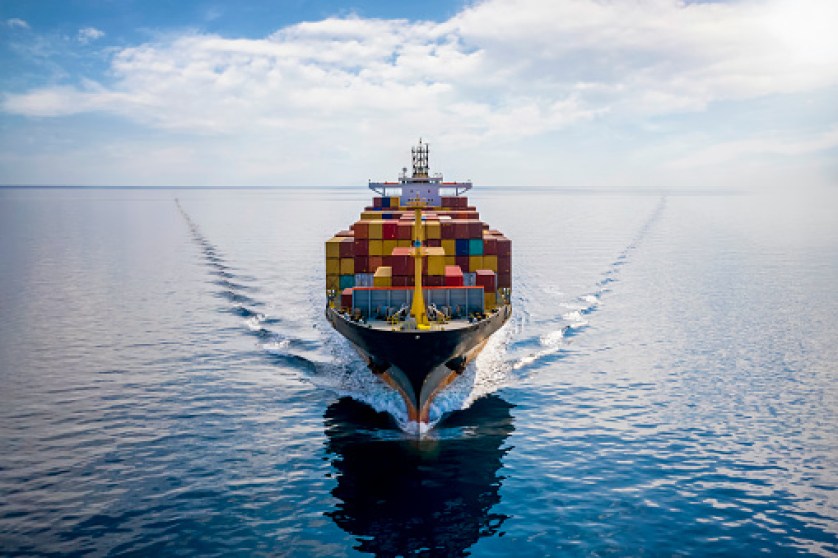
Shipping auto parts in full containers offers efficiency—but detention charges at destination can wipe out your savings. That’s why mastering 20GP FCL detention prevention for auto parts from China to Texas is essential. With the right strategies, you can streamline customs, reduce port dwell time, and avoid costly penalties that impact your bottom line.
1. What Is Detention in FCL Shipping and Why Does It Matter?
Detention occurs when a container is held outside the port (e.g., during unloading) beyond the allotted “free time.” In FCL shipping, particularly with auto parts, delays at warehouses or during customs inspection in Texas can trigger daily penalties.
These charges accumulate fast and may result from:
- Lack of unloading space or labor
- Miscommunication with truckers
- Improper import paperwork
- Equipment or chassis shortages
Therefore, detention prevention isn’t just operational—it’s a critical cost-saving strategy.
2. Why Use a 20GP FCL for Auto Parts?
A 20GP container is the ideal fit for dense, heavy auto parts like engines, transmissions, axles, and gearboxes. It provides manageable volume while maintaining cost efficiency on short- to mid-volume shipments.
Container Comparison for Auto Parts:
| Container Type | Ideal For | Capacity (CBM) | Max Payload (KG) |
|---|---|---|---|
| 20GP | Engines, metal parts, tools | ~33.2 | ~28,000 |
| 40GP | High volume, moderate weight | ~67.7 | ~26,000 |
| 40HQ | Bulky, lightweight components | ~76.4 | ~26,000 |
Using a 20GP FCL allows importers to consolidate auto parts into a secure unit while minimizing space waste.
3. What Causes Detention Fees for Shipments to Texas?

Texas ports and inland facilities face several common detention triggers. Most occur during the last-mile delivery or unloading phase.
- Receiver delay in unloading container
- Trucking bottlenecks at Dallas, Houston, or Fort Worth
- Disorganized warehouse receiving schedule
- Inaccurate or delayed import documents
- Weather-related route delays
Thus, active communication and delivery planning are essential.
4. What Is the Cost of Detention for 20GP Containers in Texas?
Each shipping line has a different tariff, but most charge based on a per-day penalty after free time expires.
Typical Detention Charges in Texas (USD):
| Day Range | Rate/Day (20GP) | Total Overrun Cost |
|---|---|---|
| Days 1–5 | $100–$150 | $500–$750 |
| Days 6–10 | $150–$200 | $750–$1,000 |
| After Day 10 | $200–$300 | $2,000+ |
Note: Some carriers include detention-free days in service contracts, which can be negotiated in advance.
5. How Long Does It Take to Ship Auto Parts from China to Texas?
Transit time impacts detention planning. Most 20GP containers ship via ocean freight to a Gulf Coast port (like Houston), then continue by truck or rail to inland cities.
Estimated Transit Times:
| Route | Transit Time | Mode | Notes |
|---|---|---|---|
| Shanghai to Houston (direct) | 22–28 days | Ocean | Fastest maritime option |
| Ningbo to Dallas (via Houston) | 26–30 days | Ocean + Truck | Common for inland Texas |
| Shenzhen to Fort Worth (via LA port) | 30–35 days | Ocean + Rail | Transshipment via West Coast |
Understanding these timelines allows better coordination of customs clearance and delivery.
6. What Documents Help Prevent Detention at Texas Entry Points?
Late or incorrect paperwork is one of the top reasons containers sit idle post-arrival. For auto part imports, documentation must be specific and customs-compliant.
Document Checklist:
| Document Type | Description | Importance |
|---|---|---|
| Commercial Invoice | Declares value and parts description | Must match HS codes |
| Packing List | Lists weights, dimensions, and layout | Helps avoid customs red flags |
| Bill of Lading | Carrier record of shipment | Needed for port pickup |
| ISF Filing (10+2) | Import Security Filing (must be pre-arrival) | Mandatory for U.S. entry |
| EPA/DOT Compliance | For regulated auto parts | Required for engines, electronics |
Accuracy prevents customs holds that could delay truck-out and trigger detention.
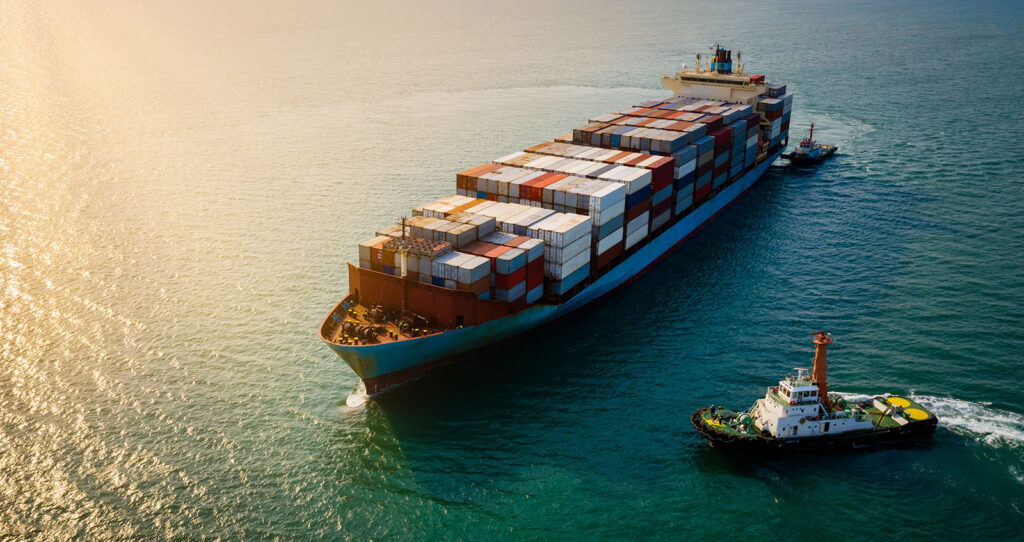
7. What Strategies Help Prevent 20GP Container Detention?
Successfully preventing detention starts well before the container lands in Texas.
- Pre-arrange unloading appointments at the receiver’s warehouse
- Pre-clear customs using an experienced broker
- Coordinate trucking in advance, especially during peak seasons
- Track vessel and container status in real-time
- Ensure payment of port fees before arrival
- Request extended free time from your carrier when needed
Moreover, working with a reliable forwarder can centralize these tasks, helping you avoid penalties.
8. Should You Consider Rail vs Truck for Inland Texas Deliveries?
Texas has extensive inland connectivity. Selecting the right delivery mode from Houston or LA can affect container idle time.
Rail vs Truck for Auto Parts:
| Mode | Cost | Speed | Risk of Delay | Detention Risk |
|---|---|---|---|---|
| Rail | Lower | Moderate | Medium (switch yards) | Lower at terminal |
| Truck | Higher | Faster | High (traffic, driver limits) | Higher if not prebooked |
Therefore, balance urgency with cost and unloading readiness before choosing your inland leg.
9. How Do Incoterms Influence Detention Responsibility?
Your Incoterms define who pays for delays—including detention. In auto parts trade, most suppliers use:
- FOB (Free On Board): Buyer controls freight; responsible for detention
- CIF (Cost, Insurance, Freight): Seller books shipping; buyer still liable post-arrival
- DDP (Delivered Duty Paid): Seller manages entire logistics chain, including final delivery
Therefore, knowing your Incoterm helps manage expectations on who should handle truck booking and clearance to avoid penalties.
10. How Can Freight Forwarders Assist with Detention Prevention?
Freight forwarders offer critical value in preventing detention through:
- Arrival monitoring and status updates
- Drayage scheduling and container pickup coordination
- On-ground delivery support in Texas
- Documentation audits before departure
- Negotiating extra free days with shipping lines
As a result, many importers save hundreds per container by outsourcing logistics coordination to experienced professionals.
📦Get a Free Quote
Our team at ChinaTopFreight offers dedicated FCL handling, customs clearance, and inland delivery services across the U.S. With smart planning and real-time tracking, we help you avoid unnecessary fees and ensure your supply chain runs smoothly.
❓ Frequently Asked Questions
1. What is the average detention charge for 20GP containers in Texas?
Detention charges start at $100 per day and increase if the container isn’t returned within the carrier’s free time period.
2. Can I extend free time for 20GP container deliveries?
Yes, some carriers allow negotiation of extra free days at the booking stage or through service contracts.
3. Who pays detention charges under FOB terms?
Under FOB, the buyer is responsible for inland transportation and any detention incurred after vessel arrival.
4. How can I track my 20GP container’s status?
Most shipping lines provide online tracking tools, or your freight forwarder can give real-time location and ETA updates.
5. What’s the best way to avoid customs delays in Texas?
Use accurate HS codes, ensure pre-arrival ISF filing, and hire a licensed broker experienced in importing auto parts.
Conclusion
Avoiding detention is a critical part of cost-effective 20GP FCL shipping for auto parts from China to Texas. From accurate paperwork to carrier negotiation and receiver readiness, each element contributes to a smoother supply chain. With the right logistics partner, you can save thousands in fees and ensure your auto parts reach Texas facilities efficiently and on time.