

- By kelly
- December 3, 2025
- Logistics, Tips or Guide
20GP FCL Detention Prevention for Electronics from China to Miami
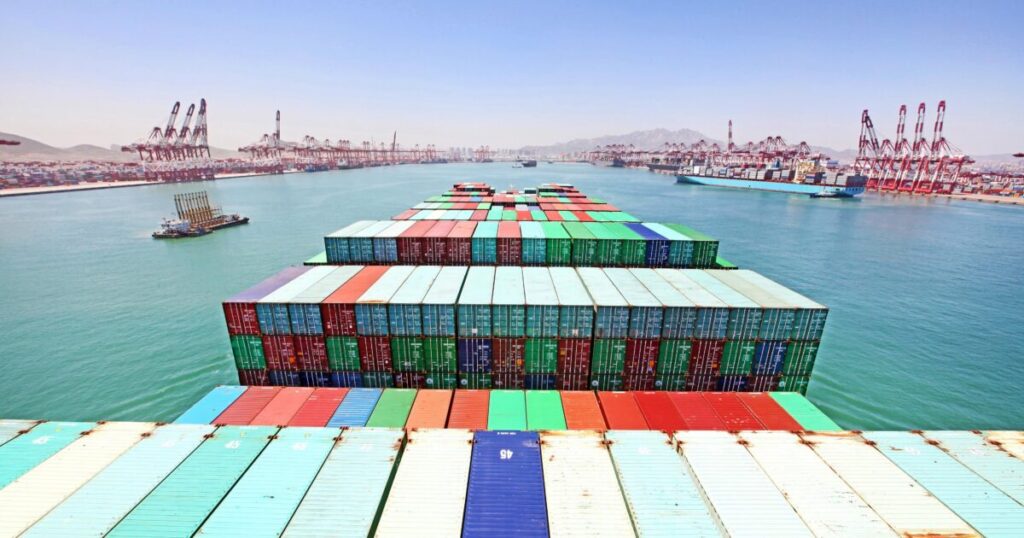
Managing container detention is one of the most important cost‑control strategies for importers. Because electronics are time‑sensitive and often high-value, avoiding delays at destination is essential. Understanding 20GP FCL detention prevention for electronics from China to Miami helps importers streamline customs clearance, plan trucking efficiently, and avoid expensive penalties that cut into profit margins.
1. What Is Detention in 20GP FCL Shipping and Why Does It Matter?
Detention refers to charges applied when importers fail to return empty containers to the carrier within the allowed free days. Electronics shipments are especially vulnerable because they often require inspection, repacking, and specialized handling that may slow warehouse processing. Therefore, well-executed detention prevention protects your operation from unnecessary financial loss.
Key reasons detention occurs include:
- Slow unloading due to fragile electronics packaging
- Miscommunication with warehouse teams
- Documentation errors causing customs holds
- Trucking delays or chassis shortages in Miami ports
- Seasonal congestion or holidays
Moreover, detention charges grow daily, making proactive planning essential.
2. Why Ship Electronics in a 20GP FCL Container?
Although electronics are lightweight, they often require compact yet secure packing. A 20GP FCL container provides adequate capacity while reducing handling risk.
Container Comparison for Electronics
| Container Type | Internal Volume (CBM) | Max Payload (KG) | Best For |
|---|---|---|---|
| 20GP | ~33.2 | ~28,000 | Phones, accessories, components |
| 40GP | ~67.7 | ~26,000 | Bulk electronics, larger shipments |
| 40HQ | ~76.4 | ~26,000 | TVs, tall appliances, large cartons |
A 20GP FCL is often the most efficient choice for compact but high-value shipments.
3. What Causes Detention Problems at Miami Port?
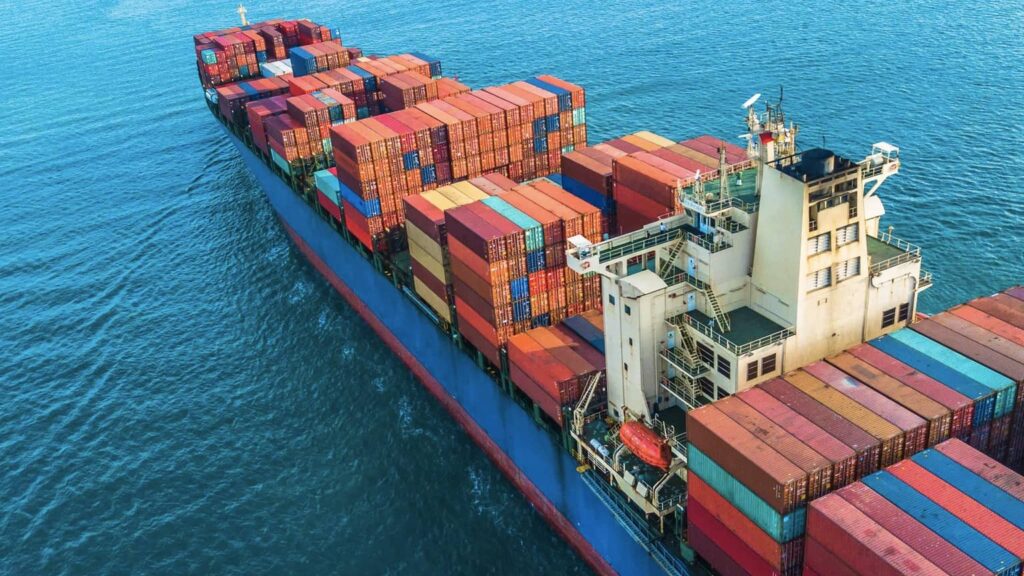
Miami is one of the busiest U.S. ports for tech and consumer goods. Several common issues impact the timely return of containers:
- Congestion during Latin American transshipment season
- Limited truck appointment availability
- Randomized customs inspections for electronics
- Warehouse bottlenecks due to fragile cargo handling
- Tight security requirements for high-value products
Therefore, importers should follow structured operational processes to avoid detention.
4. How Much Do Detention Charges Cost for 20GP FCL in Miami?
Detention charges accumulate quickly and vary by shipping line. Electronics importers must track free time carefully.
Typical Detention Fee Structure in Miami
| Day Range | Daily Cost (USD) | Notes |
|---|---|---|
| Days 1–5 | $110–$150 | Standard rate for 20GP |
| Days 6–10 | $150–$220 | Higher during peak season |
| Day 11+ | $200–$300 | Maximum penalty tier |
A delay of 10+ days can cost more than the ocean freight itself, making prevention essential.
5. What Are the Transit Times for Electronics from China to Miami?
Transit time influences container readiness, trucking appointments, and customs planning.
Transit Time Estimates
| Origin Port | Transit Time | Routing Type | Notes |
|---|---|---|---|
| Shenzhen | 28–33 days | Via Panama | Fastest for electronics |
| Ningbo | 32–36 days | Transshipment | Good for mixed cargo |
| Shanghai | 30–35 days | Via Caribbean | Stable routing |
Knowing ETA helps importers prepare customs filings and warehouse staffing in advance.
6. Which Documents Are Essential for Electronics Import to Miami?
Because electronics are subject to strict compliance rules, missing paperwork is the #1 cause of customs delays and detention.
Mandatory Documentation Checklist
| Document | Purpose |
|---|---|
| Commercial Invoice | Declares value and product details |
| Packing List | Confirms packaging, dimensions, SKU layout |
| Bill of Lading | Shipment ownership proof |
| ISF Filing (10+2) | Must be submitted before vessel departure |
| FCC Declaration | Required for wireless or electronic devices |
| CBP Entry Summary | Needed during customs processing |
Accurate HS codes are critical because electronics fall under varied tariff categories.
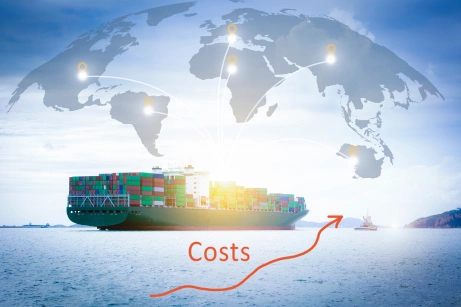
7. How Can Importers Prevent Detention for 20GP FCL Electronics?
Preventing detention requires coordinated planning among forwarders, trucking companies, customs brokers, and warehouse teams.
Best Practices for Detention Prevention
- Pre-clear customs before container arrival
- Book drayage appointments early
- Ensure warehouse staff are ready for immediate unloading
- Track vessel status to anticipate early/late arrivals
- Pay port fees in advance
- Maintain accurate documentation and HS codes
- Work with forwarders offering guaranteed free time extensions
Additionally, high-value electronics may require security escorts and scheduled unloading windows to avoid delays.
8. Should You Use Truck or Rail from Miami to Final Destinations?
Mode selection affects timing, and therefore detention exposure.
Freight Mode Comparison
| Mode | Transit Speed | Cost | Detention Risk | Best For |
|---|---|---|---|---|
| Truck | Fast | Higher | Higher if delays in scheduling | Short-distance Florida deliveries |
| Rail | Moderate | Lower | Lower at terminal gate | East Coast regional distribution |
Electronics with tight deadlines may favor trucking, while rail works well for large B2B shipments.
9. How Does Packaging Impact Detention Prevention?
Electronics packaging significantly influences unloading efficiency. Poor packaging slows warehouse operations and increases the risk of detention.
Recommended Packaging for Electronics:
- Palletized cartons to speed forklift handling
- Shock-proof, anti-static inner layers
- Clear labels for quick SKU identification
- Uniform carton sizes for fast stacking
Better packaging directly reduces unloading time and prevents delays.
10. Why Do Freight Forwarders Play a Critical Role in Detention Prevention?
Experienced freight forwarders provide value beyond container booking. They coordinate the entire supply chain, ensuring seamless operations.
Forwarder contributions include:
- Monitoring container ETA
- Pre-arranging drayage
- Managing customs filings
- Advising on HS codes and compliance
- Securing extended free time from carriers
- Providing real-time updates to warehouse teams
Therefore, partnering with an established forwarder significantly reduces detention risk.
📦Get a Free Quote
Our logistics experts at ChinaTopFreight offer end-to-end FCL management, customs coordination, and drayage solutions across Florida. We help you reduce detention charges, avoid delays, and keep your electronics supply chain running smoothly. Contact us today for competitive rates and guaranteed support.
❓ Frequently Asked Questions
1. What is detention in FCL shipping?
Detention refers to daily charges applied when an importer keeps the container beyond the carrier’s allowed free time after port pickup.
2. How can I avoid detention at Miami port?
You can avoid detention by pre-clearing customs, scheduling trucks early, ensuring warehouse readiness, and using forwarders who negotiate extended free time.
3. Do electronics require special customs documents?
Yes. Electronics often require FCC declarations, precise HS codes, and compliance testing certificates depending on device type.
4. How long does the China‑Miami route take for 20GP containers?
Most carriers take 28–36 days depending on port of origin and whether the route uses Panama or Caribbean transshipment hubs.
5. Should I choose truck or rail for distribution from Miami?
Truck is faster but costlier; rail is cheaper but slower. The choice depends on delivery urgency and distribution network.
Conclusion
Managing 20GP FCL detention prevention for electronics from China to Miami requires early planning, fast customs clearance, accurate documents, and efficient warehousing. Electronics importers must proactively coordinate shipping milestones to avoid delays and costly detention fees. By partnering with a skilled freight forwarder and using smart logistics strategies, businesses can protect their margins while ensuring on-time delivery to Miami and beyond.