

Managing 20GP FCL detention prevention for textiles from China to Seattle has become increasingly challenging as U.S. West Coast ports tighten free-time rules and textile import volumes continue growing. Moreover, textile shipments often involve bulky cargo, multiple SKUs, and warehouse-heavy processes that may delay unloading. Therefore, importers must plan proactively to avoid escalating detention fees that can significantly increase total logistics cost.
What Is Detention in 20GP FCL Shipping and Why Is It Important?
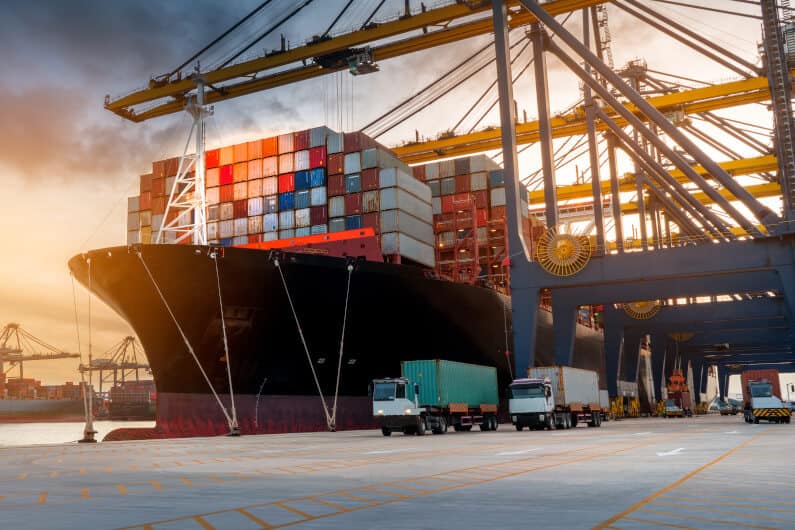
Detention refers to the fee charged by carriers when the importer keeps the empty container beyond the allowed free time after cargo unloading. Although detention is separate from demurrage, both charges can accumulate quickly. Additionally, Seattle and Tacoma ports enforce strict free-time windows that require careful planning. Because textile cargo is frequently palletized, compressed, or floor-loaded, unloading time often becomes a major detention risk.
Why Are Textile Shipments Vulnerable to Detention Issues?
Textiles include fabric rolls, garments, home textiles, carpets, fashion accessories, and industrial textiles. These items typically require labeling, sorting, refolding, or repackaging. Consequently, unloading may take longer than other cargo types. Moreover, customs holds are common for textile imports because HS classification, valuation accuracy, and country-of-origin compliance are frequently scrutinized.
Additionally, shipments going from China to Seattle may face weather-related delays, port congestion, or scheduling constraints that require strong planning to avoid detention charges.
How Long Is the Free Time for 20GP FCL Detention in Seattle?
Carrier free-time policies vary depending on the service contract. Nevertheless, the typical window is tight:
Free-Time Reference (Seattle Terminals)
Table 1 — Standard Detention Free Time (20GP)
| Carrier | Free Time | Notes |
|---|---|---|
| Maersk | 4 days | Strict on late returns |
| MSC | 4 days | High cargo exam rate |
| COSCO | 5 days | Favorable for textiles |
| CMA-CGM | 4 days | Charges escalate quickly |
| ONE | 5 days | Flexible inland return |
Because these windows are short, textile importers cannot rely on last-minute arrangements.
What are you waiting for?
Contact chinatopfreight for a fast, free quote.
Are you ready to book?
Access live instant freight quotes
How Much Do Detention Fees Cost for 20GP FCL in Seattle?
Detention costs escalate sharply after the first few days. Moreover, bulky or labor-intensive textile shipments often require additional warehouse time.
Estimated Detention Charges (Seattle)
Table 2 — 20GP Detention Fee Structure (USD/day)
| Day Range | Cost per Day | Notes |
|---|---|---|
| Days 1–3 | $125–$180 | Standard starting rate |
| Days 4–6 | $180–$260 | Mid-tier penalty |
| Days 7+ | $260–$380 | High-tier penalty |
Therefore, exceeding free time even by a few days significantly increases logistics costs.
What Factors Increase Detention Risk for Textile Imports?
Several structural and operational issues elevate detention risk on China–Seattle textile routes.
Primary Detention Triggers
Customs Delays
Textile valuation and origin verification are common exam triggers.
Warehouse Bottlenecks
Textile items are often floor-loaded, extending unloading time.
Port Appointment Shortages
Seattle terminals may limit empty return appointments during peak periods.
Chassis Shortages
Chassis imbalance at ports may delay container movements.
Inland Trucking Delays
Heavy traffic on I-5/I-405 corridors can disrupt planned return windows.
Because these factors compound each other, proactive detention prevention is crucial.
What Documents Are Needed to Prevent Clearance Delays?
Accurate customs documentation helps avoid holds that may delay container pickup and return timing.
Documentation Checklist for Textile Imports
Table 3 — Required Customs Documents
| Document | Required | Key Notes |
|---|---|---|
| Commercial Invoice | ✓ | Include fabric composition & HS codes |
| Packing List | ✓ | Must match dimensions and quantities |
| Bill of Lading | ✓ | Ensure FCL details are correct |
| Certificate of Origin | ✓ | Required for textiles under preference |
| ISF Filing | ✓ | Must be filed 24 hours before loading |
| Textile Declaration | Optional | Required when certain fiber types used |
| MSDS | Optional | For treated fabrics or chemicals |
Because textile classifications can be complex, one error may lead to immediate customs holds.
How Does Inland Transportation Affect Detention for Seattle Shipments?
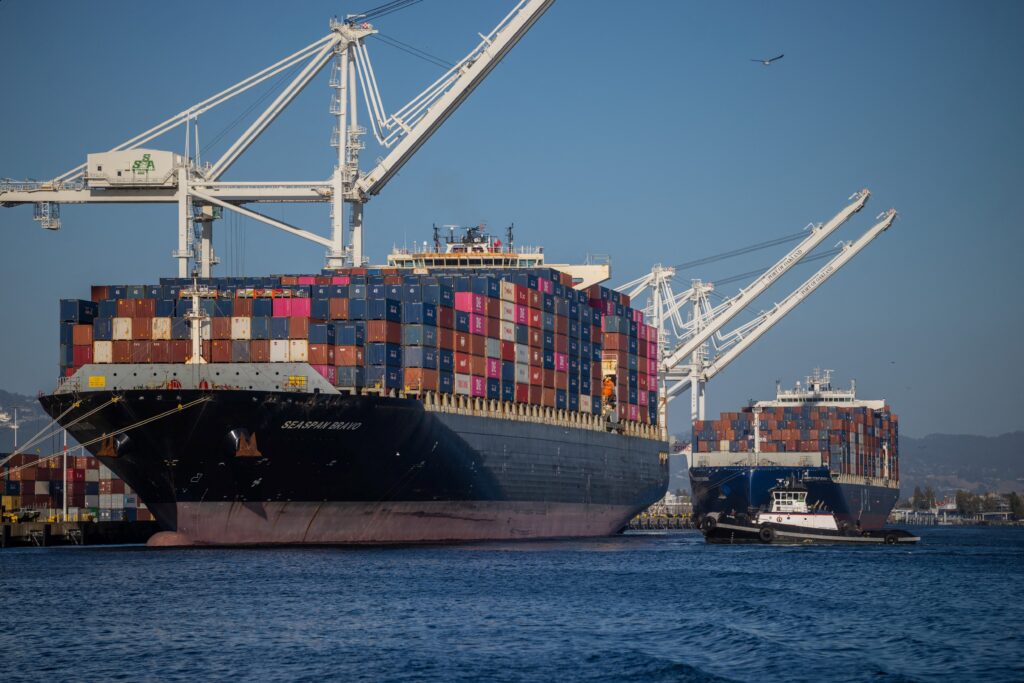
Seattle’s distribution geography influences detention risk. Although many warehouses are within 30–50 miles of the port, traffic patterns may cause severe delays.
Estimated Inland Transit Time
Table 4 — Seattle Area Transit Times
| Destination | Distance | Transit Time | Notes |
|---|---|---|---|
| Kent | 20–25 miles | 1 day | Main textile hub |
| Tacoma | 30–35 miles | 1 day | Linked to NWSA |
| Everett | 35–40 miles | 1–2 days | Appointment scheduling needed |
| Spokane | ~280 miles | 2–3 days | Longer trucking lead time |
| Portland | ~175 miles | 1–2 days | Regional textile distribution |
Therefore, planning container movement around traffic and warehouse schedules is essential.
How Can Importers Prevent 20GP FCL Detention for Textiles?
Successful detention prevention requires coordination across customs, trucking, warehousing, and import planning.
Core Prevention Strategies
1. Pre-Clear Customs Early
Pre-filing improves release speed and reduces terminal dwell.
2. Book Truck Appointments Before Arrival
Many carriers require early scheduling to avoid return congestion.
3. Improve Warehouse Readiness
Textile facilities must allocate labor to unload quickly, especially for floor-loaded cargo.
4. Use Drop-and-Pick Options
This eliminates long driver wait times and improves efficiency.
5. Monitor Last Free Day (LFD)
Real-time tracking prevents accidental late returns.
6. Use Forwarders with NWSA Experience
Experienced forwarders understand Seattle’s return locations and congestion patterns.
Because textiles require labor-intensive processing, these strategies dramatically reduce detention exposure.
What Operational Adjustments Improve Detention Prevention?
Textile warehouses face unique operational challenges. However, strategic adjustments significantly improve cargo flow.
Warehouse Optimization Techniques
Create Dedicated Textile Unloading Zones
Segregated zones improve sorting speed.
Pre-Stage Pallets and Racking
Reduces time required to organize incoming shipments.
Use Teams for Floor-Loaded Goods
Multiple handlers accelerate unloading of loose textile cartons.
Extend Warehouse Hours
Evening operations often eliminate bottlenecks caused by daytime congestion.
Implement Digital Workflow Tools
Barcode scanning, WMS systems, and digitized checklists improve processing accuracy.
Because textiles are often unpacked manually, efficient workflows make a significant difference.
How Does Carrier Selection Influence Detention Prevention?
Carrier service levels directly affect detention potential. Some carriers offer better free time, appointment availability, and inland flexibility.
Carrier Consideration Factors
More Free Time for 20GP Containers
Importers should choose carriers offering 5 days instead of 4.
Better Appointment System Reliability
Some carriers have smoother empty-return processes.
Stronger Inland Network
Carriers with reliable intermodal partners simplify container turnaround.
Consistent Sailing Schedules
Predictability reduces risk of sudden delays.
Therefore, analyzing carrier performance before booking is critical.
Conclusion
Effective 20GP FCL detention prevention for textiles from China to Seattle requires detailed planning, synchronized trucking, accurate documentation, and optimized warehouse operations. Moreover, textiles’ labor-intensive unloading processes make proactive scheduling especially important. Therefore, by improving packing efficiency, using experienced forwarders, enhancing customs compliance, and monitoring terminal appointments closely, importers can significantly reduce detention risks and maintain a cost-effective, efficient textile supply chain.
FAQ
1. Why do textile shipments face a higher chance of customs exams?
Textiles involve complex HS codes, valuation rules, and origin requirements. Because of this, customs frequently verifies documentation accuracy, which may delay container release and increase detention exposure.
2. How early should I schedule trucking appointments in Seattle?
Importers should book appointments as early as possible, ideally before vessel arrival, since Seattle terminals often face appointment shortages during peak shipping periods.
3. Does palletizing textiles help prevent detention?
Yes. Palletized textile goods unload significantly faster than floor-loaded cargo, reducing warehouse time and improving the likelihood of returning the empty before free-time expiration.
4. Can forwarders negotiate extended free time with carriers?
Sometimes. High-volume shippers or long-term contract holders may qualify for additional free-time days, especially if textile shipments have consistent seasonal patterns.
5. What happens if my container is held for customs inspection?
Customs holds pause cargo release but do not stop free-time countdown. Therefore, proactive clearance and documentation accuracy help reduce inspection delays.