

- By kelly
- December 3, 2025
- Logistics, Tips or Guide
20GP FCL Freight Rate for Textiles from China to Savannah
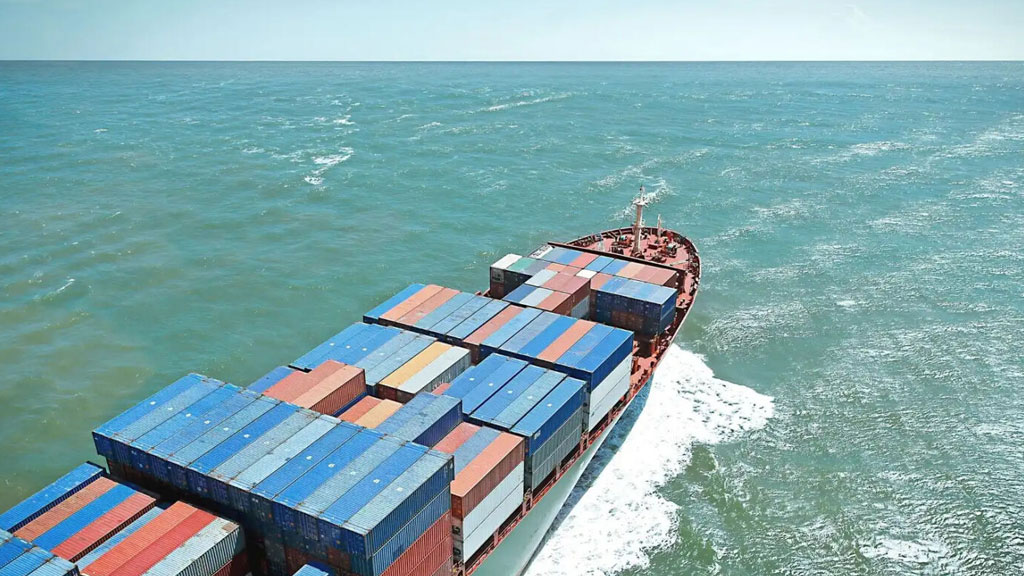
Shipping textiles across continents involves a balance between cost, time, and cargo security. Understanding the 20GP FCL freight rate for textiles from China to Savannah helps importers streamline their supply chains, optimize costs, and ensure on-time delivery to East Coast U.S. destinations. This guide reveals essential rate insights, transit timelines, and documentation tips to enhance your shipping strategy.
1. Why Choose 20GP FCL for Textile Shipments?
The 20-foot general-purpose container (20GP) is ideal for mid-volume textile shipments, especially when dedicated space and security are needed. Although textiles are typically lightweight, they’re often bulky, and full container load (FCL) shipping provides several distinct advantages.
Benefits of 20GP FCL Shipping:
- Reduced handling risks (no consolidation)
- Faster loading/unloading at origin and destination
- Better control over humidity and ventilation
- Competitive pricing for medium cargo volumes
- Fixed sailing schedules with priority handling
For textile suppliers shipping bales, rolls, or packed garments, 20GP FCL is cost-effective and reliable.
2. What Is the Current 20GP FCL Freight Rate from China to Savannah?
Freight rates fluctuate weekly based on fuel costs, port congestion, and demand cycles. However, textile shipments benefit from stable routing and volume-based discounts.
Estimated 20GP FCL Freight Rates (USD):
| Origin Port | Base Ocean Freight | BAF & Surcharges | Estimated Total Cost |
|---|---|---|---|
| Shanghai | $1,250 | $450 | $1,700 |
| Ningbo | $1,300 | $480 | $1,780 |
| Shenzhen | $1,400 | $490 | $1,890 |
Note: These are spot market estimates and may change weekly based on carrier availability and market trends.
3. What Are the Key Factors Affecting Freight Rates?

Textile importers should track these influencing factors to better predict and negotiate rates:
- Peak season demand (especially Q3 for holiday retail)
- Port congestion or labor strikes
- Bunker fuel surcharges (BAF)
- General Rate Increases (GRI) on major lanes
- Availability of reefer or ventilated 20GP containers
- Blank sailings reducing vessel space
Moreover, rates can also vary based on the textile type, packaging method, and destination warehousing requirements.
4. How Long Does It Take to Ship Textiles from China to Savannah?
Transit time varies by port of loading, carrier, and transshipment route. Most services transit through the Panama Canal or via transshipment at West Coast or Gulf ports before reaching Savannah.
Estimated Transit Times by Port:
| Port of Origin | Transit Time (Days) | Transshipment Required | Notes |
|---|---|---|---|
| Shanghai | 35–38 | Yes | Via Panama or Gulf Coast |
| Ningbo | 36–40 | Yes | Slightly longer than direct |
| Shenzhen | 32–36 | Sometimes | Fastest option for textiles |
Therefore, forward planning is essential, especially during seasonal surges or holiday cutoffs.
5. What Shipping Documents Are Needed for Textile Import to Savannah?
To ensure smooth customs clearance and avoid demurrage, all necessary documents must be prepared before shipment departure.
Customs Document Checklist:
| Document | Description | Requirement |
|---|---|---|
| Commercial Invoice | Declares value and product details | Mandatory |
| Packing List | Describes contents and packaging | Mandatory |
| Bill of Lading | Contract of carriage | Mandatory |
| Certificate of Origin | Verifies textile origin for duty rates | Required for trade programs |
| Textile Declaration | Required under U.S. customs for apparel | Mandatory for garments |
Accurate classification under the correct HS Code for textiles is also crucial for calculating duties and compliance.
6. Should You Choose FCL or LCL for Shipping Textiles?
While FCL is cost-effective for mid-to-large volumes, LCL may suit small shipments. Let’s compare both options:
Shipping Method Comparison:
| Criteria | 20GP FCL | LCL (Less than Container Load) |
|---|---|---|
| Cost per unit | Lower (bulk shipments) | Higher |
| Handling risk | Lower | Higher (shared space) |
| Transit time | Faster, more direct | Longer due to consolidation |
| Documentation | Simpler | Requires more coordination |
| Ideal for | 15–27 CBM textile loads | <10 CBM textile samples |
If your textile shipment volume exceeds 15 CBM, FCL is the recommended solution.
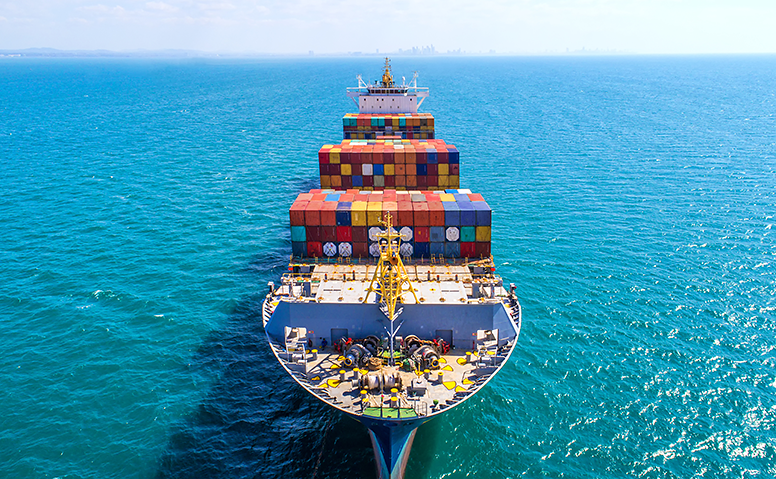
7. How Can You Lower the 20GP FCL Freight Cost for Textile Exports?
Optimizing freight rates is a strategic move. Here are actionable tips to reduce your shipping budget:
- Book in advance to avoid spot rate volatility
- Use FOB terms to gain control over freight selection
- Partner with freight forwarders offering fixed-rate contracts
- Consolidate multiple purchase orders into a single FCL load
- Choose off-peak shipping months (avoid August–October)
Additionally, some freight forwarders offer volume-based rebates or contracted BAF caps to shield against fuel surcharges.
8. Which Shipping Lines Serve China–Savannah Textile Routes?
Several leading ocean carriers serve the China-to-Savannah route with weekly sailings, especially focused on apparel and textile exports.
Major Carriers on This Lane:
- Maersk Line
- MSC (Mediterranean Shipping Co.)
- COSCO Shipping
- Evergreen
- HMM (Hyundai Merchant Marine)
Many of them offer ventilated containers, real-time container tracking, and port-to-door textile delivery solutions.
9. What Incoterms Work Best for Textile Shipments to Savannah?
Choosing the right Incoterm ensures clear division of responsibilities between seller and buyer.
Recommended Incoterms for Textile Imports:
- FOB (Free On Board): Ideal for buyers managing freight
- CIF (Cost, Insurance & Freight): Simplifies shipping for buyers
- DDP (Delivered Duty Paid): Preferred by retailers who want door-to-store logistics
Each Incoterm affects who pays for FCL freight rate, customs clearance, and last-mile delivery.
10. Are There Import Duties on Textiles to the U.S.?
Yes, the U.S. imposes duties on textile products, especially garments and apparel. Duties vary based on product type, composition, and origin.
- Basic textile duties range from 7% to 32%
- Synthetic fabrics often carry higher duties
- Preferential duty rates may apply under trade agreements
Importers should classify textiles using the U.S. HTS (Harmonized Tariff Schedule) and consult with customs brokers for updated rates.
📦Get a Free Quote
Our experienced team at ChinaTopFreight offers competitive rates, fixed sailing schedules, and complete customs handling. Whether you’re a textile exporter or U.S. importer, we deliver reliable and cost-effective FCL shipping solutions tailored to your supply chain needs.
❓ Frequently Asked Questions
1. What is the average 20GP FCL freight rate for textiles to Savannah?
On average, it ranges between $1,700 and $1,900, including surcharges. Rates vary weekly based on market demand.
2. How many CBMs can a 20GP container hold for textiles?
A 20GP container typically holds around 28 CBM of textiles, depending on packaging method and material density.
3. Do I need a textile declaration to import into Savannah?
Yes. For garments and fabric products, U.S. customs requires a textile declaration form for proper classification.
4. What is the fastest route from China to Savannah?
Shenzhen to Savannah via Panama or Gulf ports is usually the fastest, averaging 32–36 days depending on carrier.
5. Can I track my 20GP container in real-time?
Yes. Most carriers provide container tracking, including GPS location, sailing updates, and estimated arrival notifications.
Conclusion
Understanding the 20GP FCL freight rate for textiles from China to Savannah is crucial for textile businesses aiming to scale efficiently. From ocean freight pricing and customs paperwork to optimal Incoterms and transit schedules, every detail impacts your landed cost. With the right logistics partner, you can navigate fluctuations, reduce risk, and ensure timely delivery to East Coast hubs like Savannah. Trust ChinaTopFreight to move your textiles with speed, savings, and service excellence.