

Managing ocean shipments for high-demand electronics requires stable capacity, predictable transit times, and accurate vessel schedules. Therefore, importers increasingly depend on the 20GP FCL sailing schedule for electronics from China to New Jersey to maintain production cycles, avoid stockouts, and streamline supply chain planning. Additionally, as consumer electronics, smart devices, and industrial electronic components continue to surge in demand across the U.S. East Coast, reliable sailing schedules have become essential for distributors, e-commerce sellers, and manufacturers.
This guide provides a complete breakdown of transit times, carrier routes, port differences, documentation needs, and practical planning strategies to help you ship electronics to New Jersey with confidence.
1. What Defines the 20GP FCL Sailing Schedule for Electronics?
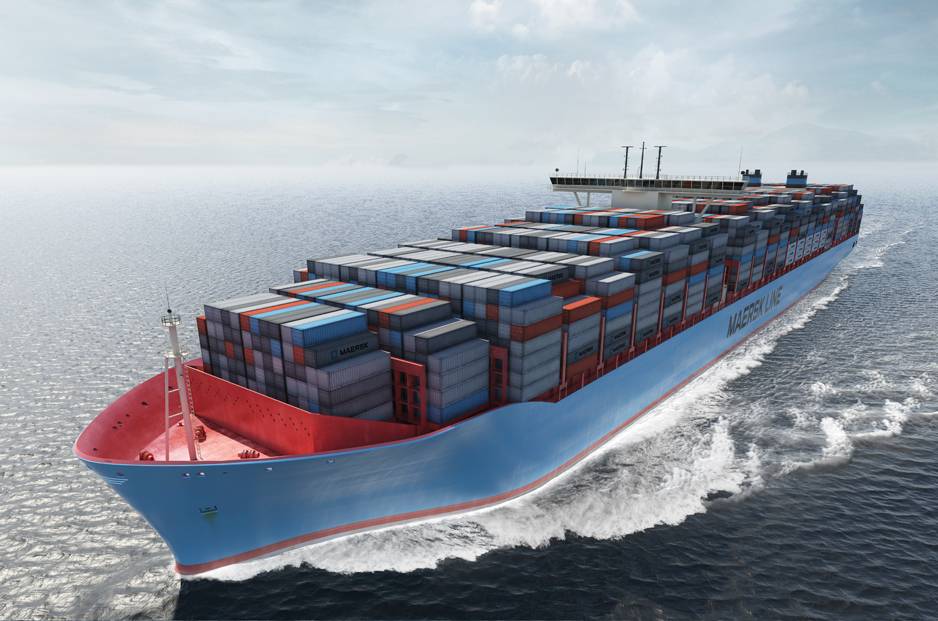
The sailing schedule reflects the weekly or bi-weekly departure frequency, vessel rotation, and expected arrival time. Moreover, electronics importers require stable timelines due to rapid product cycles and tight inventory turnover.
Key Components
- Weekly or bi-weekly sailing frequency
- Port congestion levels in China and the U.S.
- Seasonal schedule adjustments
- Carrier rotation (direct vs. transshipment)
- Estimated vs. actual transit time
- Customs and terminal handling availability
Understanding these elements enables shippers to forecast arrival timelines with more accuracy and minimize delays.
2. How Long Is the Transit Time from China to New Jersey?
Transit time depends heavily on the port of loading, carrier routing, and whether the cargo moves via direct or transshipment service. Electronics often require faster inland distribution; therefore, planning ahead is crucial.
TABLE 1 — Transit Time Comparison (China → New Jersey)
| Origin Port | Destination Port | Transit Time | Notes |
|---|---|---|---|
| Shanghai | Newark / NY-NJ | 33–37 days | Most stable |
| Ningbo | Newark / NY-NJ | 35–40 days | Heavy volume |
| Shenzhen | Newark / NY-NJ | 38–43 days | Longer routing |
| Qingdao | Newark / NY-NJ | 34–39 days | Feeder delays |
These transit times help importers manage inventory, coordinate warehousing, and maintain continuity in electronics distribution cycles.
3. Why Do Electronics Require Accurate Sailing Schedules?
Electronic products—such as laptops, components, PCBs, smart-home devices, and LED modules—are part of high-speed commercial cycles. Therefore, missing a schedule or delaying a container may result in:
- Stock shortages
- Production delays
- Warehouse congestion
- Lower order fulfillment rates
- Increased air freight costs as backup
A reliable 20GP FCL sailing schedule for electronics from China to New Jersey allows companies to build predictable replenishment and meet customer demands consistently.
4. What Affects Sailing Schedule Stability for 20GP Containers?
Several factors influence sailing consistency for electronics shipments.
Influential Factors
- Weather conditions affecting vessel routing
- Port congestion in Shanghai, Ningbo, and Shenzhen
- Labor availability at New Jersey terminals
- Vessel delays from previous ports
- Peak season demand during Q3–Q4
- Customs inspections for electronic products
- Transshipment port delays (Singapore, Busan, or Middle East hubs)
Therefore, importers should always consider buffer time between vessel arrival and planned distribution schedules.
5. What Are the Costs Associated with Electronics Shipping to New Jersey?
Electronics shipments require secure packing, consistent handling, and stable freight rates. Although freight markets fluctuate, certain cost components remain constant.
TABLE 2 — Cost Structure for 20GP FCL Electronics Shipments
| Cost Category | Average Range | Responsibility | Notes |
|---|---|---|---|
| Ocean Freight | $2,900–$4,200 | Importer | Varies seasonally |
| Terminal Fees | $300–$450 | Importer | At China ports |
| Destination THC | $400–$600 | Importer | New Jersey terminals |
| ISF / Customs Filing | $50–$115 | Importer | Mandatory |
This breakdown helps importers evaluate total landed cost and forecast long-term supply chain budgets.
What are you waiting for?
Contact chinatopfreight for a fast, free quote.
Are you ready to book?
Access live instant freight quotes
6. What Documents Are Required for Electronics Entering New Jersey?
U.S. customs has clear regulations for electronic goods. Complete and accurate documentation reduces clearance delays and prevents demurrage or detention fees.
TABLE 3 — Documentation Checklist for Electronics Imports
| Document | Purpose | Issued By | Notes |
|---|---|---|---|
| Commercial Invoice | Duty Calculation | Supplier | Must match HS codes |
| Packing List | Verification | Supplier | Detail model numbers |
| Bill of Lading | Cargo Release | Carrier | Telex recommended |
| FCC/Compliance Certificates | Product Approval | Manufacturer | For electronics |
Submitting these documents early significantly accelerates customs clearance.
7. How to Select the Best Carrier for Shipping Electronics?

Because electronics value is high, importers should evaluate carriers based on:
- Sailing frequency
- On-time performance
- Equipment reliability
- Route structure (direct vs. transshipment)
- U.S. East Coast network strength
- Customer service responsiveness
Carriers with strong NY-NJ operations usually provide more consistent schedule reliability.
8. Should Electronics Use 20GP or 40GP for New Jersey Shipments?
20GP is ideal when:
- Shipment volume is under 28 CBM
- Weight exceeds 12 tons
- Electronics require compact packing
- Cargo must avoid loose space shifting
However, 40GP may be more economical for high-volume electronics distributors.
Comparison Points
- 20GP offers lower freight cost
- 40GP provides more cubic capacity
- Electronics with bulky packaging may need 40GP
- Smaller shipments benefit from 20GP optimization
Selecting the right container type enhances both cost efficiency and operational control.
9. How to Improve Sailing Schedule Reliability for Electronics?
Although schedules depend on carriers, importers can take proactive steps:
Effective Strategies
- Book vessels at least 2–3 weeks early
- Avoid peak holiday shipping seasons
- Use suppliers located near major ports
- Choose direct services when possible
- Request schedule updates from forwarders
- Prepare documents before cargo arrival
These steps help avoid costly last-minute changes.
10. Can Delays Be Reduced Through Better Supply Chain Planning?
Absolutely. Electronics supply chains benefit greatly from predictive planning:
- Buffer warehouse stock
- Scheduled consolidation
- Early customs pre-clearance
- Pre-booked trucking
- Real-time tracking alerts
Moreover, stronger communication between supplier, forwarder, and consignee minimizes unexpected disruptions.
Conclusion
A reliable 20GP FCL sailing schedule for electronics from China to New Jersey enables importers to maintain consistent supply cycles, reduce stockouts, and optimize logistics performance. By planning ahead, selecting strong carriers, preparing complete documentation, and understanding port operations, businesses can reduce delays and achieve greater cost control. With the right supply chain strategy, electronics importers gain the stability needed to meet the fast-paced demands of the North American technology market.
FAQ
1. How often do vessels depart from China to New Jersey?
Most carriers offer weekly departures, though some routes operate bi-weekly depending on origin port and demand conditions.
2. Can electronics ship safely in a 20GP container?
Yes. Most electronics fit securely in 20GP units, especially when weight and packaging volume match typical electronics cargo profiles.
3. How early should I book space for electronics shipments?
Booking 2–3 weeks in advance ensures better rates, stronger space access, and more accurate planning for inventory cycles.
4. What causes delays on the China–New Jersey route?
Weather, port congestion, customs inspections, and transshipment port slowdowns frequently affect overall vessel timing.
5. Are customs inspections common for electronics?
Yes. Electronics often undergo compliance checks, labeling verification, and HS code validation before release.