

Managing the 20GP FCL sailing schedule for electronics from China to New York is crucial for importers facing tight delivery windows, sensitive cargo requirements, and fluctuating vessel availability. Moreover, with electronics demand rising in North America, shippers must carefully coordinate sailing dates, customs timelines, and port schedules to prevent delays. Therefore, planning ahead and understanding the full shipping process can significantly improve supply-chain reliability.
What Is a 20GP FCL Sailing Schedule for China–New York Shipments?
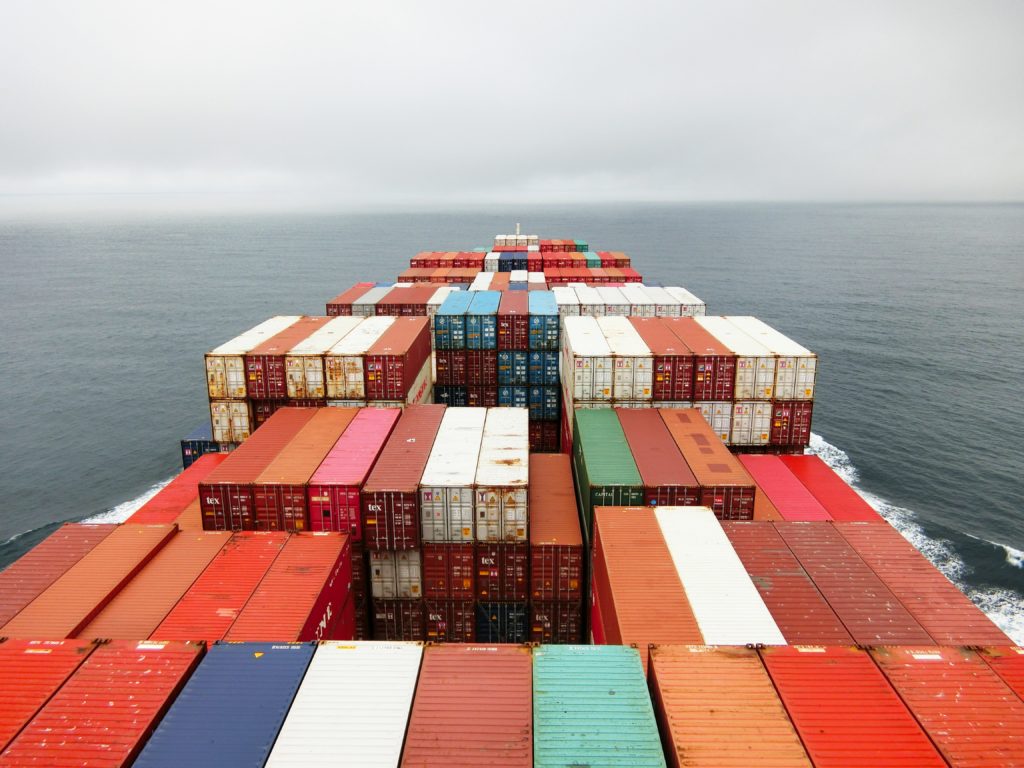
A sailing schedule outlines weekly or biweekly vessel departures from major Chinese ports, estimated transit times, transshipment hubs, and arrival windows at the Port of New York/New Jersey. Because electronics shipments often require precise timing for product launches, retail replenishment, or e-commerce fulfillment, sailing schedules play a critical role in supply-chain planning.
Key Elements of a Sailing Schedule
Scheduled Weekly Departures
Carriers operate weekly services from Shenzhen, Shanghai, Ningbo, Qingdao, and Xiamen to New York.
Estimated Transit Time
Transit times range from 28 to 37 days depending on route and carrier.
Transshipment Points
Some routes pass through Busan, Singapore, or Colombo, adding flexibility but increasing schedule variation.
Electronics importers rely heavily on accurate schedules to plan warehouse labor, customs clearance timing, and inventory movement.
Which Chinese Ports Provide the Fastest Sailing Schedules to New York?
Although multiple ports connect to New York, transit time varies significantly. Importers choosing the wrong port may face unnecessary delays.
Major Ports Serving China–New York Electronics Shipments
Shenzhen (Yantian)
Common origin for electronics factories; stable schedules.
Shanghai
The largest departure hub with multiple weekly sailings.
Ningbo
Offers competitive rates and reliable departure frequencies.
Qingdao
Ideal for northern China electronics manufacturers.
Xiamen
Preferred for telecom and accessory shipments.
Because each port has unique advantages, importers often select the most reliable and fastest route based on cargo origin.
What Are the Typical Transit Times from China to New York?
Transit times depend on carrier, port congestion, routing, and seasonal weather. However, the following estimates are generally consistent.
China to New York Transit Time Table
Table 1 — Estimated Transit Times (20GP FCL)
| Origin Port | Transit Time (Days) | Notes |
|---|---|---|
| Shenzhen | 30–33 | Stable weekly departures |
| Shanghai | 31–34 | Multiple carriers available |
| Ningbo | 33–36 | Occasional transshipment |
| Qingdao | 35–37 | Longer northern route |
| Xiamen | 28–32 | Fastest southern route |
Because electronics supply chains are time-sensitive, transit time is one of the most important planning metrics.
What are you waiting for?
Contact chinatopfreight for a fast, free quote.
Are you ready to book?
Access live instant freight quotes
How Do Shipping Routes Affect Sailing Schedules for Electronics?
Electronics shipments may include high-value consumer electronics, components, telecom devices, computing equipment, LED displays, or automotive electronics. Because these products rely on predictable shipping, route structure plays a large role in scheduling.
Main Route Types
Direct China–US East Coast Services
Fastest but limited to certain ports.
Transshipment via Busan/Singapore
More flexible but vulnerable to hub congestion.
Panama Canal Route
Used by several carriers; occasionally affected by canal restrictions.
Electronics importers often prefer direct-route carriers when timing is critical.
What Factors Cause Sailing Schedule Delays from China to New York?
Even with detailed planning, external factors can disrupt shipping schedules.
Common Delay Triggers
Port Congestion in China or New York
Yantian shutdowns and New York peak-season congestion are frequent.
Weather Conditions
Typhoons in Asia or Atlantic storms impact vessel timing.
Carrier Blank Sailings
Carriers cancel sailings to balance supply/demand.
Transshipment Delays
Hubs like Busan and Singapore face seasonal congestion.
Customs & Documentation Errors
Incorrect paperwork delays cargo release even after arrival.
Because electronics shipments are often urgent, mitigating these risks is essential.
What Documents Are Needed for Electronics Shipments to New York?
Proper documentation ensures smooth customs clearance and timely arrival at U.S. warehouses.
Electronics Documentation Checklist
Table 2 — Required Documents for China → New York Electronics Imports
| Document | Required | Notes |
|---|---|---|
| Commercial Invoice | ✓ | Provide detailed model numbers |
| Packing List | ✓ | Required for customs verification |
| Bill of Lading | ✓ | FCL details must match shipment |
| FCC Certificates | Depends | Required for wireless electronics |
| CE or RoHS Docs | Optional | Helpful for smooth clearance |
| Importer Security Filing (ISF) | ✓ | Must be filed 24 hours before loading |
| UL Certification | Optional | Recommended for electronic appliances |
Electronics have strict compliance rules, making documentation accuracy critical.
How Does ISF Filing Influence Sailing Schedules?
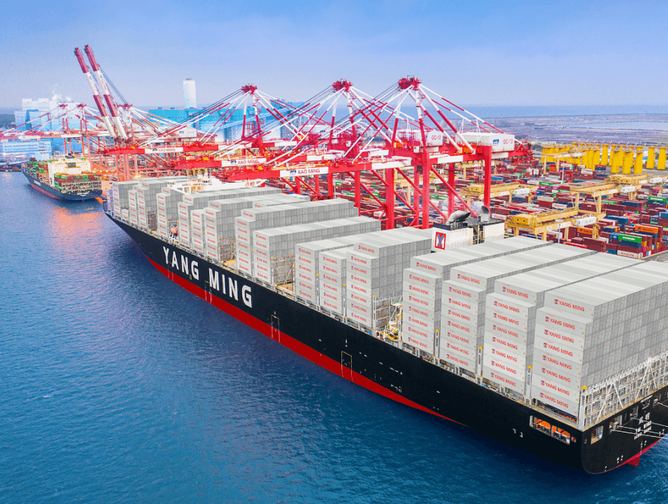
ISF (Importer Security Filing) must be filed before cargo is loaded in China. Failure to meet deadlines may cause:
- Cargo holds
- Delayed loading
- Penalties up to $5,000
- Missed vessel departure
Therefore, importers must coordinate the ISF process with sailing schedules to avoid costly disruptions.
What Are the Main Carriers for China–New York Shipping?
Several global carriers operate China–US East Coast services.
Popular Carriers for Electronics Shipments
Maersk
Reliable transit times and strong East Coast network.
ONE
Consistent sailings with stable schedules.
MSC
Large vessel fleet and flexible routes.
CMA CGM
Fast service via Suez and Panama.
Hapag-Lloyd
Strong compliance support for technology shipments.
Carrier selection significantly affects reliability and on-time delivery performance.
How Do Shipping Costs Affect Electronics Supply Chains?
Although rates fluctuate weekly, electronics importers must account for more than only base ocean freight.
20GP FCL Cost Breakdown
Table 3 — Estimated 20GP Shipping Cost Structure
| Cost Item | Estimated Amount | Notes |
|---|---|---|
| Ocean Freight | $2,000–$4,000 | Varies by season |
| Bunker Adjustment Factor | $150–$300 | Fuel-related |
| THC (Origin) | $100–$180 | Chinese terminal handling |
| THC (New York) | $200–$350 | Destination terminal |
| Customs Clearance | $100–$200 | U.S. entry filing |
| ISF Filing | $20–$40 | Must be pre-filed |
| Delivery to Warehouse | $300–$700 | Depending on distance |
Electronics supply chains must balance timing and cost efficiency to maintain competitiveness.
What Are the Advantages of Using 20GP FCL for Electronics?
Electronics importers often choose FCL for several key benefits.
20GP FCL Advantages
Dedicated Container for Sensitive Cargo
Electronics remain protected from mixing with incompatible goods.
Faster Handling at Ports
FCL containers move more quickly through terminals.
Reduced Damage Risk
Less handling reduces breakage or moisture exposure.
Predictable Sailing Schedules
Carriers provide consistent weekly services.
These advantages make FCL ideal for high-value, time-sensitive electronics.
Conclusion
Effective management of the 20GP FCL sailing schedule for electronics from China to New York requires early planning, accurate documentation, and strategic carrier selection. Moreover, electronics importers must consider transit times, sailing frequency, customs requirements, and port handling conditions to avoid delays. Therefore, businesses that monitor schedules carefully and collaborate with experienced freight professionals gain better predictability, reduced risk, and faster time-to-market for their electronic products.
FAQ
1. How often do vessels sail from China to New York?
Most carriers operate weekly or biweekly sailings, although schedules may shift during peak seasons or due to operational adjustments such as blank sailings.
2. What is the best Chinese port for shipping electronics to New York?
Shenzhen and Shanghai offer the most consistent schedules, while Xiamen provides some of the fastest transit times for south-China electronics shipments.
3. Do electronics require special documentation for U.S. import?
Many electronics need FCC compliance documentation, and some require UL or RoHS certifications depending on product type and U.S. regulatory requirements.
4. How can I avoid missing the sailing cutoff?
Submit documents early, coordinate ISF filing on time, and ensure your logistics partners prepare cargo according to carrier deadlines.
cargo according to carrier deadlines. 5. Are transshipment routes slower?
Usually yes. Transshipment via Busan or Singapore introduces extra variability, although it may offer better pricing and more departure options.