

Understanding the 20GP FCL sailing schedule for textiles from China to Netherlands is essential for importers who depend on stable lead times, predictable logistics, and cost-efficient delivery. Because shipping delays can disrupt sales cycles, production planning, and retail distribution, businesses need clear guidance to keep their supply chain moving smoothly.
What Makes the 20GP FCL Sailing Schedule for Textiles Important?
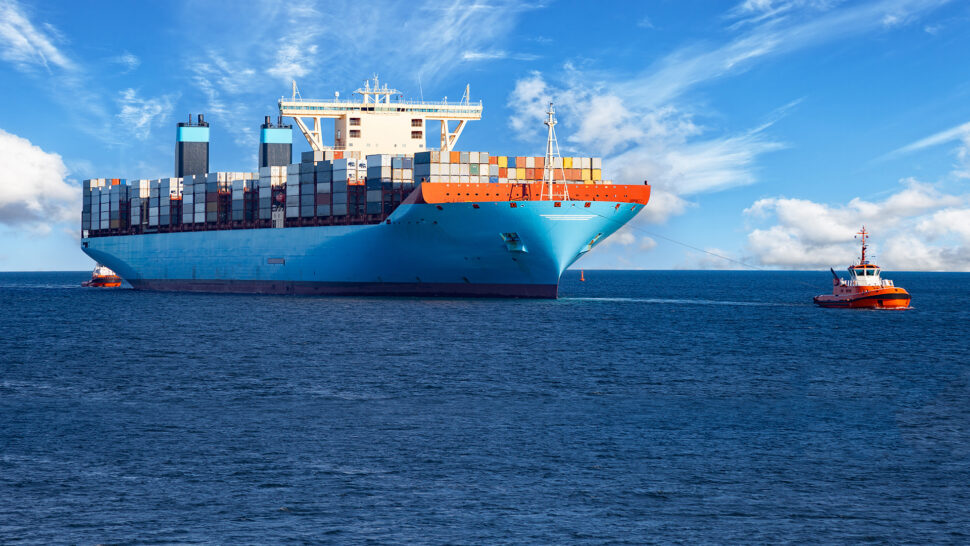
Importers need reliable delivery schedules since the textile supply chain often follows strict selling seasons and pre-booked retail windows. Moreover, since textiles are lightweight but bulky, shippers typically prefer 20GP FCL containers to avoid air freight costs. Therefore, understanding weekly departures, port rotations, and service reliability becomes a competitive advantage.
Core Factors Affecting Sailing Schedules
- Port congestion at Shanghai, Ningbo, Qingdao, Shenzhen
- Carrier service rotations (e.g., AE7, FAL5, MD2)
- Seasonal demand spikes
- Customs clearance workloads
- European port berthing delays
How Often Do Carriers Offer 20GP FCL Services from China to the Netherlands?
Most major carriers—Maersk, MSC, CMA CGM, COSCO, ONE—operate weekly or twice-weekly sailings from key Chinese ports to Rotterdam. However, schedule reliability varies throughout the year due to peak season pressure, Golden Week, and weather disruptions.
Typical Weekly Frequency
- Shanghai → Rotterdam: 2–3 sailings weekly
- Ningbo → Rotterdam: 1–2 sailings weekly
- Qingdao → Rotterdam: 1–2 weekly
- Shenzhen (Yantian/Shekou) → Rotterdam: 1–2 weekly
Which Routes Offer the Fastest Transit Time for 20GP FCL Shipments?
Transit times generally range from 26–35 days, depending on the route. Although direct services from Shanghai and Ningbo are faster, transshipment routes from South China may take longer.
Fastest Routes Overview
- Northern China → direct Europe loops
- East China → premium direct services
- South China → transshipment via Singapore or Tanjung Pelepas
Transit Time Comparison by Port
| Origin Port | Destination | Transit Time (Days) | Service Type |
|---|---|---|---|
| Shanghai | Rotterdam | 26–30 | Direct |
| Ningbo | Rotterdam | 28–32 | Direct |
| Qingdao | Rotterdam | 30–35 | Direct |
| Shenzhen | Rotterdam | 33–38 | Via Singapore/Tanjung Pelepas |
What are you waiting for?
Contact chinatopfreight for a fast, free quote.
Are you ready to book?
Access live instant freight quotes
What Documents Are Required to Ensure a Smooth FCL Sailing Schedule?
Accurate documentation ensures that your textiles pass customs without delay. Additionally, errors in invoices or HS codes often cause schedule disruptions.
Key Textile-Related Documents
- Commercial invoice
- Packing list
- Fumigation or exemption certificate
- Certificate of origin (if required)
- HS code declaration
- Importer’s EORI number
- Textile composition statement
Required Customs Documents Checklist
| Document Type | Purpose | Required For |
|---|---|---|
| Commercial Invoice | Declares cargo value | All shipments |
| Packing List | Confirms weight & volume | All shipments |
| B/L or Sea Waybill | Transport document | All FCL |
| COO | Preferential tariffs | Some textile categories |
| Fumigation Cert | Prevents pests | Wooden packaging |
| MSDS | For chemical-treated textiles | Special cases |
What Affects the Cost of a 20GP FCL Shipment from China to Netherlands?
Although textile cargo is usually light, costs vary depending on the shipping line, season, fuel surcharges (BAF), and trucking requirements. Additionally, market fluctuations can cause FCL rates to shift weekly.
Main Cost Drivers
- Freight rate levels (spot vs contract)
- Origin THC & documentation fees
- BAF, CAF, and PSS surcharges
- Peak season demand
- Destination handling fees in Rotterdam
20GP FCL Cost Breakdown Example
| Cost Component | Estimated Range (USD) |
|---|---|
| Ocean Freight | 850–1600 |
| Origin Charges | 200–350 |
| Destination Charges | 350–550 |
| Customs Clearance | 60–100 |
| Local Trucking | 150–280 |
How Should Importers Plan Their Lead Time for Textile Shipments?
Because textiles are often ordered in bulk for retail cycles, planning ahead is essential. Moreover, since sailing schedules can shift, retailers benefit from buffer planning to maintain inventory accuracy.
Lead Time Planning Tips
- Book 2–3 weeks before ETD
- Confirm cargo readiness with the supplier
- Cross-check vessel cut-off times
- Use tracking tools from carriers
- Maintain communication with freight forwarders
What Are the Pros and Cons of Shipping by Sea, Air, or Rail for Textile Imports?
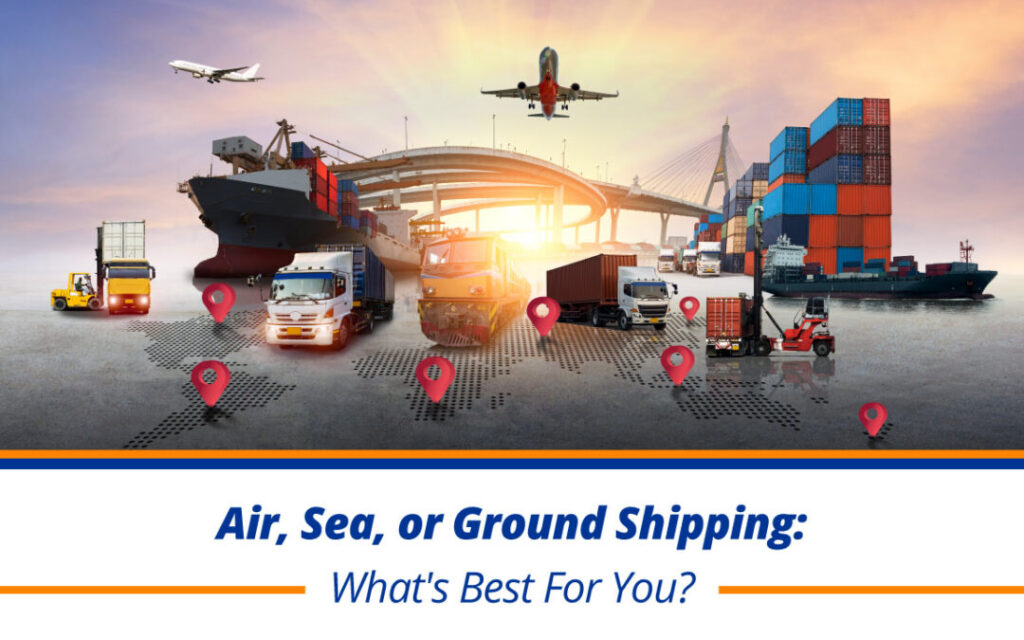
Although 20GP FCL sea freight remains the most economical method, importers should compare alternatives during tight retail deadlines.
Shipping Method Comparison
| Method | Cost | Transit Time | Best For | Pros | Cons |
|---|---|---|---|---|---|
| Sea Freight (20GP FCL) | Low | 26–38 days | Bulk textiles | Cheapest, reliable | Slow transit |
| Air Freight | High | 3–6 days | Urgent samples | Fast, flexible | Expensive |
| Rail Freight | Medium | 15–22 days | Mid-volume goods | Faster than sea | Limited space |
How Can You Improve Schedule Reliability for Textile Shipments?
Importers can reduce disruptions by choosing stable carriers, preparing documents early, and monitoring cargo visibility tools.
Proven Strategies
- Prioritize premium carrier services during peak season
- Avoid last-minute bookings
- Verify supplier packing quality
- Use digital platforms for milestone tracking
- Pre-clear customs whenever possible
Should You Consider Multiple Carriers for Better Sailing Schedule Stability?
Yes — using multiple carriers offers flexibility and reduces single-carrier dependency. Furthermore, diversified routing helps you adjust quickly during congestion or weather disruptions.
Benefits of Multi-Carrier Strategy
- More weekly departure options
- Better rate negotiation
- Higher probability of loading your cargo
- Faster recovery when delays occur
How Do Public Holidays and Peak Seasons Affect the Sailing Schedule?
Golden Week, Chinese New Year, and European Christmas season create heavy congestion. Therefore, importers must forecast and book early to secure space.
High-Impact Periods
- January–February (CNY)
- June–August (back-to-school textiles)
- September–December (holiday products)
Peak Season Planning Table
| Period | Challenge | Recommended Action |
|---|---|---|
| CNY | Factory shutdowns | Book 4 weeks early |
| Golden Week | Port congestion | Use alternative ports |
| Q4 Peak | Vessel overbooking | Switch to premium services |
Conclusion
The 20GP FCL sailing schedule for textiles from China to Netherlands depends on vessel rotations, carrier selection, seasonal demand, and customs preparation. By understanding transit times, planning early, comparing shipping methods, and maintaining accurate documentation, importers can ensure reliable deliveries and minimize costly delays. For tailored support or updated sailing schedules, feel free to connect with a specialist who can guide you through every step of your shipment.
FAQ
1. How early should I book a 20GP FCL container for textile shipments?
Booking at least two to three weeks before the estimated departure date helps secure space and avoid delays, especially during seasonal peak periods.
2. Do textile shipments require special customs checks in the Netherlands?
Most textiles undergo standard customs screening, though items with chemical treatments or mixed materials may require additional documentation depending on HS code classification.
3. Are 20GP containers suitable for lightweight textile cargo?
Yes, textiles are light but bulky, so 20GP FCL is ideal for maximizing cost efficiency without paying for unused capacity in larger containers.
4. What is the most reliable departure port in China for Europe-bound textiles?
Shanghai and Ningbo typically provide the highest sailing frequency and best reliability, although South China ports offer strong service through transshipment hubs.
5. How can I track textile cargo during long sea voyages?
Carriers provide online tracking tools that display milestones such as gate-in, departure, transshipment, arrival, unloading, and customs clearance updates.