

Planning the 20GP FCL sailing schedule for solar panels from China to New York is essential for importers navigating rising demand for renewable energy products. Because solar panels are sensitive to moisture, vibration, and handling pressure, businesses must coordinate shipping schedules, documentation, and transit planning to achieve reliable delivery. Moreover, securing timely space on China–U.S. East Coast routes has become more difficult as demand increases in America’s rapidly growing solar market.
What Does the 20GP FCL Sailing Schedule Mean for Solar Panel Shipments?
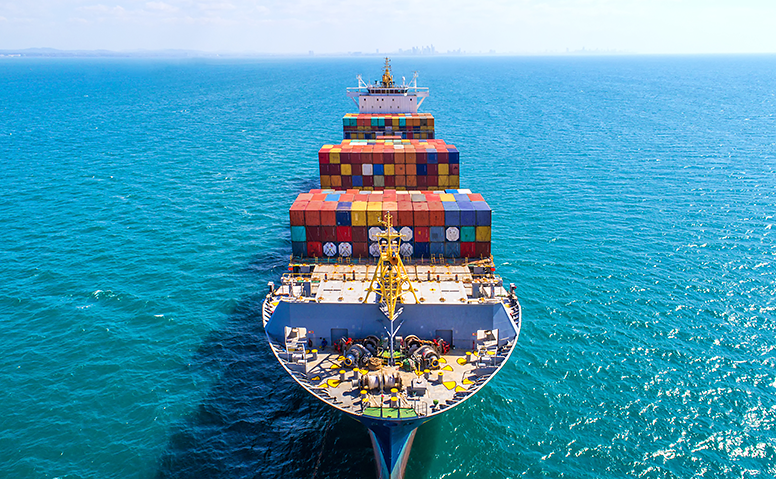
The sailing schedule outlines vessel departure dates, cut-off times, routing paths, and estimated arrival times at New York. Therefore, understanding the schedule helps importers ensure their solar panels arrive safely and align with project timelines.
Key Elements of a Sailing Schedule
- Vessel name and voyage number
- ETD (Estimated Time of Departure)
- ETA (Estimated Time of Arrival)
- Port rotation (Shanghai → Yantian → New York)
- Cut-off times for CY, documents, VGM
Why Do Solar Panels Ship in 20GP FCL Containers?
Although solar panels are lightweight, they are fragile and extremely sensitive to pressure. Therefore, 20GP containers offer secure stacking arrangements, reduced movement, and optimized protection.
Advantages of 20GP for Solar Panels
- More stable stacking than 40GP
- Lower empty container imbalance
- Better for moderate-volume shipments
- Reduced freight cost compared to 40GP
How Long Does It Take to Ship Solar Panels to New York?
Transit time varies depending on the port of loading, transshipment routing, and seasonal congestion. Additionally, East Coast services often route through the Panama Canal or transshipment hubs in Southeast Asia.
Typical Transit Time Estimates
- Shanghai → New York: 34–45 days
- Ningbo → New York: 35–48 days
- Shenzhen → New York: 36–50 days
- Qingdao → New York: 38–52 days
Transit Time Comparison Table
| Origin Port | Destination | Transit Time | Route Type |
|---|---|---|---|
| Shanghai | New York | 34–45 days | Via Panama Canal |
| Ningbo | New York | 35–48 days | Direct + feeder |
| Shenzhen | New York | 36–50 days | Via Singapore |
| Qingdao | New York | 38–52 days | Transshipment route |
What Documents Are Required for Solar Panel FCL Shipments to the U.S.?
Because solar panels fall under regulated HS codes, documentation accuracy is critical to avoid customs delays. Moreover, U.S. Customs requires detailed product specifications for tariff classification.
Required Documents
- Commercial invoice
- Packing list
- Bill of Lading
- Certificate of Origin
- Solar panel technical data sheet
- HS code declaration
- VGM certificate
- Importer Security Filing (ISF)
Customs Documentation Checklist
| Document | Purpose | Required For |
|---|---|---|
| Invoice | Declares value | All shipments |
| Packing List | Confirms layout | All |
| B/L | Proof of carriage | FCL |
| ISF | U.S. security filing | Must file 24h before loading |
| COO | Tariff benefits | Optional |
| Technical Sheet | Inspection reference | Solar panels |
How Do Carriers Determine Sailing Frequency for China–New York Routes?
Carriers adjust schedules based on market demand, vessel availability, port congestion, and trade lane capacity. Therefore, frequency fluctuates across seasons.
What Impacts Sailing Frequency?
- China export volumes
- U.S. East Coast congestion
- Panama Canal vessel limits
- Carrier alliances adjusting rotations
- Peak-season solar demand (Q2–Q3)
What Affects 20GP FCL Space Availability for Solar Panels?
Space availability varies weekly based on cargo demand, container stock, and carrier allocation strategies.
Key Challenges
- Equipment shortages at major Chinese ports
- Overbooking during peak solar demand
- Limited 20GP inventory due to imbalance
- Vessel cuts or slow steaming strategies
How Can Importers Secure 20GP FCL Space More Easily?
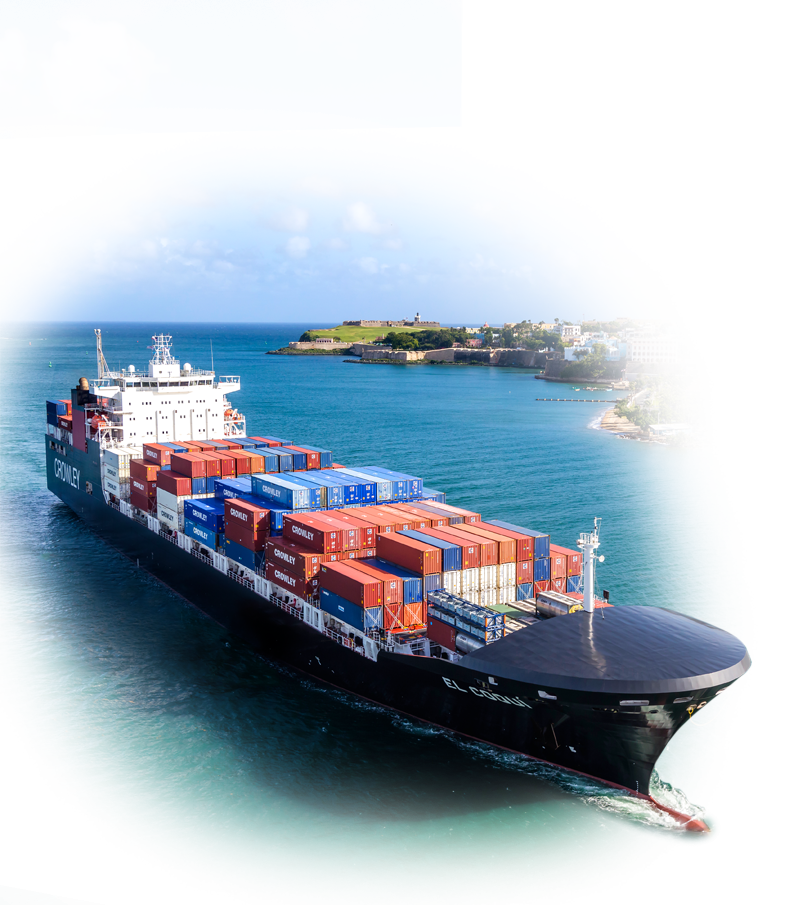
Importers can significantly improve their success rate by booking early, providing accurate documentation, and choosing flexible routes.
Strategies for Space Optimization
- Book two to three weeks ahead
- Avoid peak China export weeks
- Consider alternative ports like Xiamen or Tianjin
- Provide exact pallet dimensions
- Maintain stable volume commitments
What Is the Typical Cost of Shipping 20GP FCL from China to New York?
Freight rates fluctuate weekly based on market conditions, fuel surcharges, and U.S. port congestion. Furthermore, solar panel shipments may incur additional handling or inspection fees.
Cost Components
- Base ocean freight
- BAF and GRI
- Peak Season Surcharge (PSS)
- Destination port fees
- Local delivery from NY/NJ terminals
Estimated 20GP FCL Cost Breakdown
| Cost Item | Estimated Range (USD) |
|---|---|
| Ocean Freight | 1,200–2,300 |
| Origin Charges | 200–350 |
| Destination Charges | 380–550 |
| ISF Filing | 30–60 |
| Local Trucking | 180–350 |
Are you ready to book?
Access live instant freight quotes
How Do Sea, Air, and Rail Compare for Shipping Solar Panels?
Although sea freight is the most economical method, importers may consider alternatives during urgent projects.
Shipping Method Comparison
| Method | Cost | Transit Time | Pros | Cons | Best For |
|---|---|---|---|---|---|
| Sea Freight (20GP FCL) | Low | 34–52 days | Most economical | Slower | Bulk panel shipments |
| Air Freight | Very High | 3–6 days | Fast | Very costly | Urgent deliveries |
| Rail Freight | Medium | 18–25 days | Fast alternative | Limited East Coast reach | Medium-volume cargo |
Why Do Solar Panels Require Special Packing for FCL Shipping?
Solar panels are extremely fragile, and poor packaging leads to microcracks that reduce performance. Therefore, proper packing is essential to maintain quality.
Best Packing Practices
- Use moisture-protective packaging
- Reinforce crates for long-distance travel
- Stack panels vertically
- Add shock-absorbing padding
- Photograph loading for insurance
Conclusion
The 20GP FCL sailing schedule for solar panels from China to New York depends on vessel rotations, port capacity, carrier allocation strategies, and proper documentation. By planning early, optimizing container packing, reviewing transit routes, and staying updated on space availability, importers can ensure consistent delivery schedules for solar projects across the U.S. East Coast. For smoother operations, consider partnering with a freight forwarder who specializes in solar panel logistics and can secure optimal vessel space.
FAQ
1. How early should I book 20GP FCL space for solar panel shipments?
Booking two to three weeks ahead increases the chance of securing space, especially when solar demand increases during peak installation seasons.
2. Which Chinese ports offer the most reliable services to New York?
Shanghai, Ningbo, Shenzhen, and Qingdao provide the strongest weekly sailings and consistent vessel rotations to U.S. East Coast gateways.
3. What causes delays in the China–New York sailing schedule?
Delays may result from port congestion, customs holds, Panama Canal capacity issues, or sudden surges in global demand for solar equipment.
4. Do solar panels require special customs documentation?
Yes, they require CE certificates, technical data sheets, HS code documentation, and standard invoice and packing list filings for U.S. import compliance.
5. Can I track solar panel shipments in real time?
Yes, carriers provide online tracking showing gate-in, departure, transshipment, arrival, unloading, and customs clearance milestones throughout the journey.