20GP FCL Shipping Cost for Electronics: China to Spain Guide
“Shipping electronics from China to Spain requires careful planning and a clear understanding of logistics. Consequently, businesses often face challenges in accurately estimating costs and transit times for their valuable cargo. This comprehensive guide from China Top Freight will demystify the 20GP FCL shipping cost for electronics, providing crucial insights for your supply chain.”
What is 20GP FCL Shipping for Electronics?
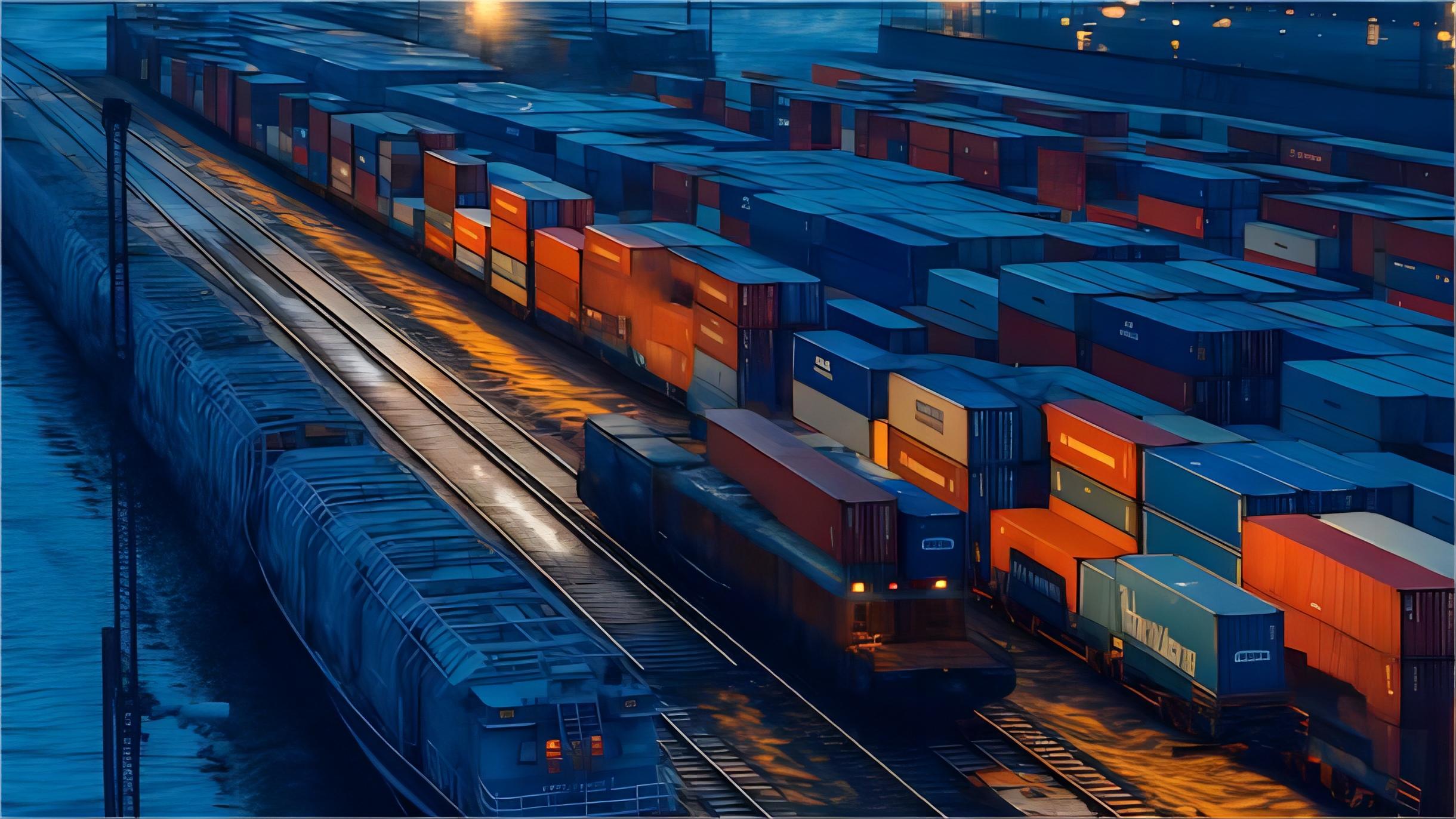
❖A 20GP (20-foot General Purpose) FCL (Full Container Load) container is a standard shipping unit, approximately 20 feet long. It is ideal for transporting medium-sized volumes of goods, including various types of electronics. When you opt for FCL, your cargo occupies the entire container, ensuring dedicated space and security.
This method is particularly beneficial for sensitive items like electronics, as it minimizes handling and reduces the risk of damage. Therefore, it provides a secure and efficient way to move substantial quantities of products. Moreover, FCL shipping offers greater control over your shipment’s schedule and fewer delays at transshipment points.
For businesses importing significant quantities of consumer electronics, components, or industrial equipment, a 20GP FCL offers a cost-effective solution per unit. It streamlines the logistics process, from factory loading in China to delivery at Spanish ports. This dedicated approach helps maintain product integrity throughout the journey.
Factors Influencing 20GP FCL Shipping Cost for Electronics to Spain
❖Several critical factors dictate the final 20GP FCL shipping cost for electronics from China to Spain. Understanding these elements is essential for accurate budgeting and strategic planning. Each component contributes significantly to the overall freight rate and associated expenses.
Firstly, the current market freight rates are a primary determinant. These rates fluctuate based on global supply and demand, fuel prices, and carrier capacity. Secondly, the specific ports of origin in China (e.g., Shanghai, Ningbo, Shenzhen) and destination in Spain (e.g., Valencia, Barcelona, Algeciras) also impact pricing. Longer or less frequent routes generally incur higher costs.
Additionally, the type of electronics being shipped can influence costs due to specific handling or regulatory requirements. For instance, lithium-ion batteries or delicate medical devices may require specialized packaging or declarations. Furthermore, seasonal demand, such as peak shipping seasons before holidays, can drive prices up by 15-25%. Lastly, ancillary services like customs clearance, insurance, and local trucking charges in both China and Spain add to the total landed cost.
Origin and Destination Ports
The specific port in China where your electronics are loaded and the port in Spain where they are discharged significantly affect the shipping cost. Major ports like Shanghai, Ningbo, and Shenzhen in China offer competitive rates due to high traffic volume. In Spain, Valencia, Barcelona, and Algeciras are key entry points.
Choosing a less common port might lead to higher freight rates and potentially longer transit times. Consequently, direct routes between major hubs are often more economical and faster. Therefore, optimizing your port selection can yield substantial savings and improved efficiency.
Market Freight Rates and Surcharges
Ocean freight rates are highly dynamic, influenced by global economic conditions, container availability, and fuel costs. As of Q1 2025, freight rates from China to Europe have seen some stabilization after previous disruptions, yet remain subject to change. Carriers also impose various surcharges, including Bunker Adjustment Factor (BAF) for fuel and Currency Adjustment Factor (CAF).
Peak season surcharges (PSS) are common, especially during August to October, and before major holidays like Chinese New Year. These surcharges can add a significant percentage to the base freight rate. Moreover, port congestion and unforeseen events can introduce additional charges or delays.
Customs Duties and Taxes for Electronics
Importing electronics into Spain, an EU member, involves customs duties and VAT (Value Added Tax). The duty rate depends on the specific Harmonized System (HS) code of your electronics product. For example, many consumer electronics may have 0% duty, but VAT (currently 21% in Spain) will apply to the CIF value (Cost, Insurance, Freight).
Additionally, proper documentation is crucial to avoid delays and penalties. This includes commercial invoices, packing lists, and certificates of origin. Working with an experienced customs brokerage service is highly recommended to ensure compliance and smooth clearance. They can help navigate complex regulations and minimize unexpected costs.
Additional Logistics and Services
Beyond the ocean freight, other services contribute to the overall 20GP FCL shipping cost. These include drayage (transport from origin factory to port in China and from port to final destination in Spain), terminal handling charges (THC) at both ends, and documentation fees. Furthermore, cargo insurance is highly advisable for valuable electronics to protect against loss or damage during transit.
Some shippers also opt for value-added services like warehousing, palletization, or quality control checks at origin. For those needing comprehensive solutions, door-to-door services simplify the entire process. These services consolidate all logistics components into a single, manageable package, providing greater convenience.
Typical 20GP FCL Shipping Cost Ranges from China to Spain for Electronics
❖Understanding the typical cost ranges for 20GP FCL shipping from China to Spain is vital for budgeting. These figures represent the ocean freight component, with additional charges adding to the total. Based on current market rates as of Q1 2025, these estimates provide a general guideline.
It is important to note that these rates are subject to change due to various market dynamics. Factors like carrier capacity, fuel surcharges, and seasonal demand can influence the final price. Always obtain a real-time quote for your specific shipment to ensure accuracy.
The estimated ocean freight cost for a 20GP container carrying electronics from major Chinese ports to main Spanish ports typically falls within a certain range. This range accounts for standard services, excluding specialized handling or expedited options. Total landed cost will be higher once all other fees are added.
| Container Type | Origin Ports (China) | Destination Ports (Spain) | Estimated Ocean Freight Cost (USD) |
|---|---|---|---|
| 20GP FCL | Shanghai, Ningbo, Shenzhen | Valencia, Barcelona, Algeciras | $1,800 – $2,500 |
| 40GP FCL | Shanghai, Ningbo, Shenzhen | Valencia, Barcelona, Algeciras | $2,800 – $3,800 |
| 40HQ FCL | Shanghai, Ningbo, Shenzhen | Valencia, Barcelona, Algeciras | $3,000 – $4,200 |
How Does 20GP FCL Shipping Compare to Other Shipping Options for Electronics?
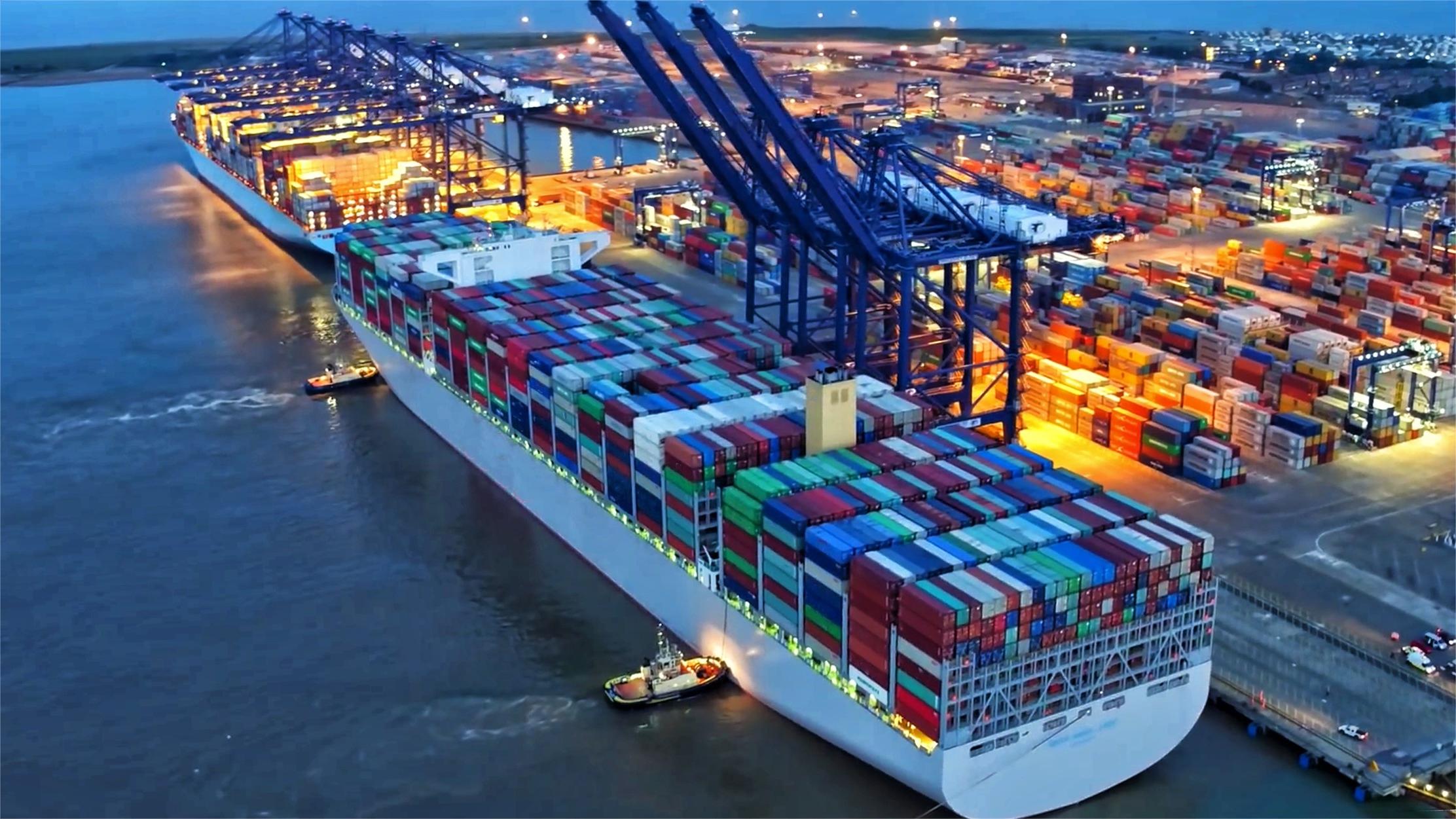
❖While 20GP FCL sea freight is a popular choice for electronics, it is not the only option. Businesses should compare it with other methods to find the most suitable solution for their specific needs. Each shipping mode offers distinct advantages and disadvantages regarding cost, speed, and capacity.
Evaluating alternatives like LCL (Less than Container Load) sea freight, air freight, and even express services can reveal optimal strategies. The best choice often depends on the urgency, volume, value, and specific nature of the electronics being shipped. For example, urgent or high-value items might warrant faster, albeit more expensive, transport.
This comparison helps in making informed decisions about your supply chain strategy. It allows you to balance cost-effectiveness with delivery speed and cargo security. Therefore, understanding these trade-offs is crucial for optimizing your logistics operations.
| Shipping Method | Cost Range (per 20GP Equivalent) | Transit Time (China to Spain) | Best For | Limitations |
|---|---|---|---|---|
| 20GP FCL Sea Freight | $1,800 – $2,500 (ocean freight) | 28-35 days | Large volumes, cost-efficiency, non-urgent electronics | Slower transit, port congestion risks |
| LCL Sea Freight | $50 – $80 per CBM (for <15 CBM) | 35-45 days | Smaller volumes (under 15 CBM), flexible quantities | Longer transit, more handling, potential delays |
| Air Freight | $6,000 – $15,000+ (for 10 CBM/1000kg) | 5-7 days | Urgent, high-value, time-sensitive electronics | Significantly higher cost, volume/weight restrictions |
| Express Service | $8,000 – $20,000+ (for 10 CBM/1000kg) | 3-5 days | Very urgent, small parcels, samples, critical components | Highest cost, strict weight/size limits |

Optimizing Your 20GP FCL Shipping Strategy for Electronics
❖To effectively manage the 20GP FCL shipping cost for electronics from China to Spain, strategic optimization is key. Implementing smart practices can lead to significant savings and improved efficiency. Businesses should continuously review their logistics processes.
Firstly, focus on consolidating your shipments. Maximizing the container’s capacity ensures you are getting the most value from your FCL booking. Secondly, consider flexible shipping schedules. Booking during off-peak seasons or allowing longer lead times can result in lower freight rates.
Furthermore, negotiating with freight forwarders for long-term contracts can secure more stable pricing. Exploring different carriers and their service levels is also beneficial. Ultimately, a well-planned strategy minimizes costs while maintaining reliable delivery for your electronics.
For e-commerce businesses, especially those utilizing platforms like Amazon, understanding the nuances of Amazon FBA logistics can be critical. Integrating FCL shipments into your FBA strategy can optimize inventory flow and reduce warehousing costs. This comprehensive approach addresses multiple aspects of the supply chain.
Cost-Saving Strategies and Trade-offs
Several strategies can help reduce your 20GP FCL shipping costs, though often involving trade-offs. One approach is to book shipments well in advance, avoiding last-minute premium rates. Another is to opt for slower, indirect routes if time permits, as direct routes can cost 10-15% more but save 5-7 days.
Consider flexible delivery windows. If your electronics are not time-critical, a slightly longer transit time might offer better rates. Additionally, thoroughly comparing quotes from multiple freight forwarders is crucial. This competitive approach ensures you secure the best possible deal for your electronics cargo.
Hybrid Shipping Solutions for Electronics
For specific scenarios, hybrid shipping solutions can offer a balance between speed and cost. For example, a sea-air combination might involve shipping electronics by sea to a hub like Dubai or Singapore, then air freighting them to Spain. This method is faster than pure sea freight but less expensive than pure air freight.
Similarly, a rail-sea combination could be considered, though less common for China-Spain routes directly. These hybrid options are particularly useful for electronics that require faster delivery than sea freight but are too heavy or bulky for pure air freight. Evaluating these alternatives ensures flexibility in your supply chain.
Real-World Scenarios: 20GP FCL Electronics Shipments to Spain
❖Examining real-world case studies provides practical insights into the complexities and costs of 20GP FCL shipping for electronics. These examples illustrate how different factors come into play. They highlight the importance of meticulous planning and professional execution.
Each scenario offers a glimpse into typical challenges and solutions encountered during international freight. Understanding these examples can help businesses anticipate potential issues and prepare accordingly. Therefore, learning from past shipments is invaluable for future logistics success.
Case Study 1: Consumer Electronics to Valencia
| Detail | Description |
|---|---|
| Route | Shenzhen, China Valencia, Spain |
| Cargo | Smartphones & accessories, 28 CBM, 12,000 kg |
| Container | 20GP FCL |
| Shipping Details | Carrier: COSCO, Port of Loading: Shenzhen, Port of Discharge: Valencia, Route Type: Direct |
| Cost Breakdown | Ocean Freight: $2,100, Origin Charges: $450, Destination Charges: $550, Customs & Duties (estimated): $2,800, Total Landed Cost: $5,900 |
| Timeline | Booking to Loading: 5 days, Sea Transit: 30 days, Customs Clearance: 3 days, Total Door-to-Door: 38 days |
| Key Insight | Based on Q4 2024 rates, early booking secured a competitive rate despite peak season demand. Efficient documentation ensured swift customs clearance. |
Case Study 2: Industrial Electronic Components to Barcelona
| Detail | Description |
|---|---|
| Route | Shanghai, China Barcelona, Spain |
| Cargo | Circuit boards & sensors, 25 CBM, 10,500 kg |
| Container | 20GP FCL |
| Shipping Details | Carrier: MSC, Port of Loading: Shanghai, Port of Discharge: Barcelona, Route Type: Direct |
| Cost Breakdown | Ocean Freight: $2,350, Origin Charges: $500, Destination Charges: $600, Customs & Duties (estimated): $2,500, Total Landed Cost: $5,950 |
| Timeline | Booking to Loading: 7 days, Sea Transit: 32 days, Customs Clearance: 4 days, Total Door-to-Door: 43 days |
| Key Insight | Typical rates as of early 2025. Delays in factory production caused a slight shift in booking, impacting the final sailing date by a few days. Professional sea freight management mitigated further issues. |
Case Study 3: Retail Smart Home Devices to Algeciras (via Door-to-Door)
| Detail | Description |
|---|---|
| Route | Ningbo, China Algeciras, Spain (Door-to-Door) |
| Cargo | Smart speakers & lighting, 26 CBM, 11,000 kg |
| Container | 20GP FCL |
| Shipping Details | Carrier: Maersk, Port of Loading: Ningbo, Port of Discharge: Algeciras, Route Type: Direct, Service: Door-to-Door |
| Cost Breakdown | Ocean Freight: $2,000, Origin Charges: $480, Destination Charges: $580, Customs & Duties (estimated): $2,700, Inland Transport (Spain): $700, Total Landed Cost: $6,460 |
| Timeline | Booking to Loading: 6 days, Sea Transit: 31 days, Customs Clearance: 3 days, Total Door-to-Door: 45 days |
| Key Insight | This client opted for a full door-to-door service, simplifying logistics despite a slightly higher overall cost. Market data suggests this is a growing trend for convenience. |
Which Shipping Option Should You Choose for Your Electronics?
❖Selecting the optimal shipping method for your electronics depends on a careful assessment of various business priorities. There is no one-size-fits-all solution, as each scenario presents unique demands. Therefore, a clear decision framework can guide your choice effectively.
Consider your budget first. If cost-efficiency is your top priority for a large volume of electronics, 20GP FCL sea freight is usually the most economical option. However, if speed is paramount, especially for high-value or time-sensitive components, air freight or express service becomes more appealing.
The type and volume of cargo also play a crucial role. For example, delicate, high-value items might benefit from air freight’s faster, less handled journey. Conversely, robust, high-volume consumer electronics are ideal for FCL sea transport. Always align your shipping choice with your product’s specific requirements and market demands.
Budget Priority
If minimizing shipping expenses is your main goal, especially for bulk electronics, then 20GP FCL sea freight is generally the best choice. It offers the lowest cost per unit for larger shipments. This method requires longer lead times, but the savings can be substantial.
For smaller volumes that still prioritize cost, LCL sea freight can be an alternative, though it involves more handling. However, always compare the cost efficiency against FCL if your volume approaches container capacity. This ensures optimal budget allocation.
Speed Priority
When electronics need to reach Spain quickly, such as for new product launches or urgent inventory replenishment, air freight is the preferred method. It significantly reduces transit times from weeks to days. While more expensive, the speed can be critical for market competitiveness.
For extremely time-sensitive or smaller, high-value electronics, express courier services offer the fastest door-to-door delivery. This option is ideal for prototypes, samples, or critical spare parts. Always weigh the increased cost against the commercial benefits of rapid delivery.
Cargo Type and Volume Thresholds
The nature of your electronics and their volume directly influence the ideal shipping method. For instance, sensitive equipment might benefit from the dedicated space of an FCL container, reducing transit shocks. Conversely, small, durable items could be suitable for LCL.
For volumes below 15 CBM, LCL might be more economical than FCL. However, as your shipment approaches 15-20 CBM, a 20GP FCL often becomes the more cost-effective choice. Understanding these volume thresholds is key to making an informed decision about your sea freight strategy.
Navigating Customs and Documentation for Electronics Shipments
❖Successful import of electronics into Spain hinges on meticulous attention to customs procedures and documentation. Errors in this area can lead to significant delays, penalties, and increased costs. Therefore, compliance is paramount for smooth international trade.
Firstly, ensure all commercial invoices accurately reflect the value and description of the electronics. Secondly, the correct Harmonized System (HS) codes must be applied to each product for proper duty and tax assessment. Furthermore, a detailed packing list is essential, outlining all contents within the 20GP FCL container.
Additionally, a certificate of origin may be required, confirming where the electronics were manufactured. For certain types of electronics, specific certifications (e.g., CE marking for EU compliance) or licenses might be necessary. Partnering with a knowledgeable customs brokerage service can streamline this complex process. They ensure all paperwork is correctly submitted, minimizing potential issues at the Spanish border.
Final Thoughts on 20GP FCL Shipping Cost for Electronics from China to Spain
Navigating the complexities of international shipping, especially for valuable electronics, requires expertise and a clear understanding of costs. This guide has detailed the key factors influencing the 20GP FCL shipping cost for electronics from China to Spain. We have also explored various shipping alternatives and optimization strategies.
By considering market rates, specific cargo needs, and customs requirements, businesses can make informed decisions. Partnering with a reliable freight forwarder like China Top Freight ensures your electronics arrive safely and efficiently. Ultimately, a well-executed logistics plan is crucial for your business’s success in the global market.
Ready to streamline your logistics?
Ready to get a precise quote for your 20GP FCL electronics shipment from China to Spain? Contact China Top Freight today for expert assistance and tailored logistics solutions. Our team is prepared to optimize your shipping strategy and ensure a seamless delivery process.
Request Quote