

20GP FCL Shipping Cost: Lighting China to Czech Republic
Navigating the complexities of international shipping is crucial for businesses importing goods. This article specifically focuses on the 20GP FCL shipping cost for lighting from China to Czech Republic, providing essential insights for your logistics planning. Understanding these costs and processes can significantly optimize your supply chain, making your import operations smoother and more predictable. For comprehensive freight solutions, consider China Top Freight.

Understanding 20GP FCL Shipping for Lighting
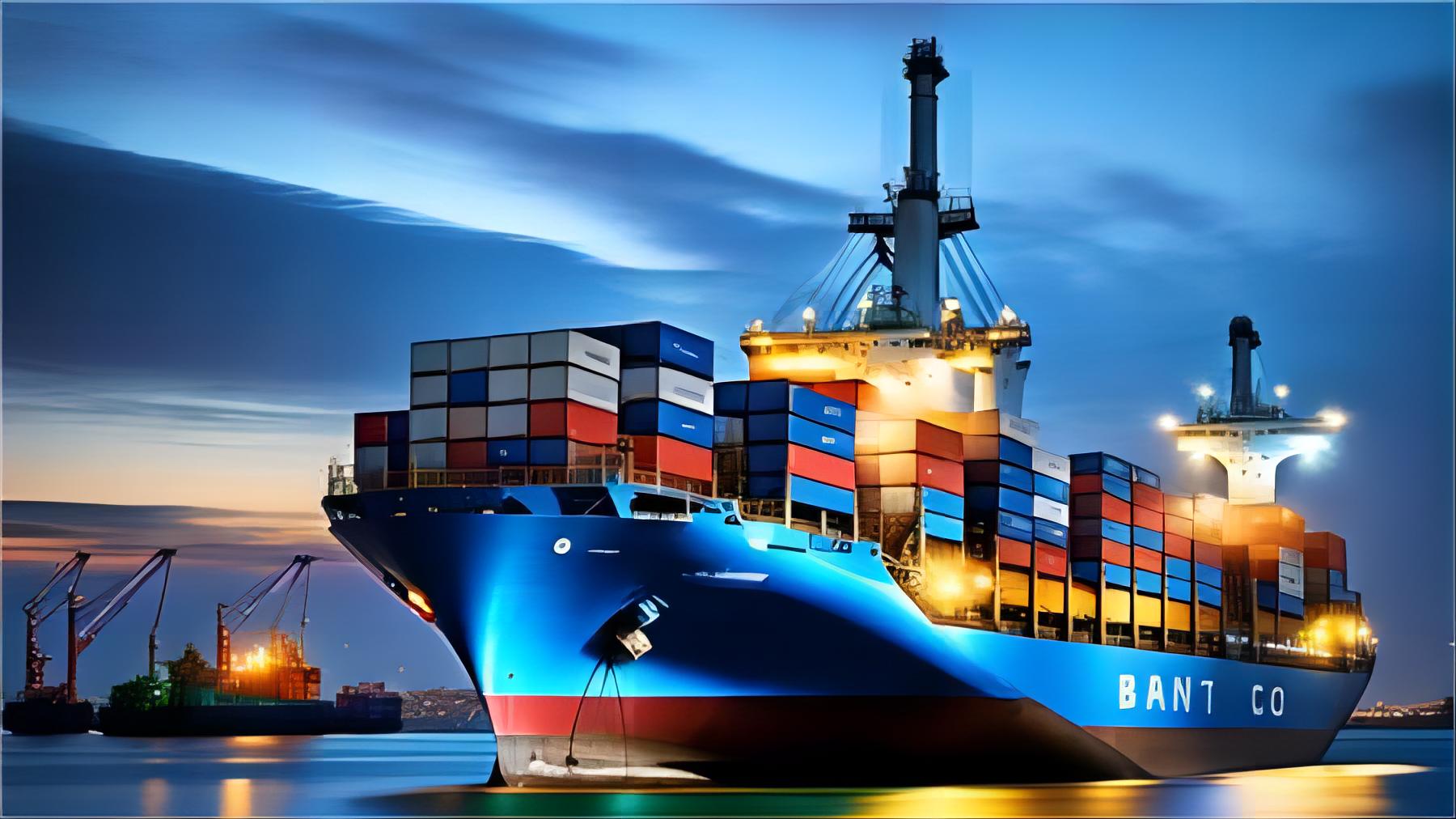
Full Container Load (FCL) shipping, especially with a 20GP (20-foot General Purpose) container, is often the most cost-effective method for importing substantial volumes of goods. This is particularly true for items like lighting fixtures from China to the Czech Republic. Consequently, securing dedicated container space means your cargo travels without consolidation, often leading to faster transit times.
Choosing FCL ensures your lighting products are securely transported from origin to destination. Furthermore, it minimizes handling and potential damage compared to Less than Container Load (LCL) options. Businesses prioritizing security and efficiency frequently opt for this method for their valuable imports.
What Factors Influence 20GP FCL Shipping Costs?
Several key factors determine the overall 20GP FCL shipping cost for lighting from China to the Czech Republic. These include the origin port in China, the destination port in Europe, and current market freight rates. Additionally, fuel surcharges, peak season surcharges (PSS), and equipment imbalance surcharges (EIS) can significantly impact the final price.
Other crucial elements are local charges at both origin and destination, such as terminal handling charges (THC), documentation fees, and customs brokerage fees. Moreover, the type of lighting (e.g., delicate LEDs vs. robust industrial lights) might influence packaging and insurance costs. Therefore, it is essential to consider all these components for an accurate estimate.
| Cost Component | Description | Impact on Total Cost |
|---|---|---|
| Ocean Freight | Base rate for sea transport. | Largest single component |
| Local Charges (Origin) | THC, document fees, trucking to port. | Significant fixed costs |
| Local Charges (Destination) | THC, customs, drayage from port. | Variable based on services |
| Surcharges | Bunker Adjustment Factor (BAF), PSS, EIS. | Fluctuates seasonally/market |

How Does FCL Sea Freight Compare to Other Shipping Options?
While sea freight for a 20GP FCL is highly economical for bulk lighting shipments, other methods offer different trade-offs. For instance, air freight provides significantly faster transit times but at a much higher cost, suitable for urgent or high-value, low-volume lighting products. Conversely, rail freight offers a middle ground in terms of speed and cost for many European destinations.
When considering your specific sea freight needs, it is important to weigh budget against urgency. For example, if you require faster delivery, exploring air freight might be beneficial. Furthermore, for inland European routes, rail freight can offer a balanced solution, especially for destinations like the Czech Republic.
| Shipping Method | Cost Range (20GP Equivalent) | Transit Time (China-Czech Republic) | Best For |
|---|---|---|---|
| Sea Freight (FCL) | $1,800 – $2,500 | 30-38 days | Large, non-urgent lighting orders |
| Rail Freight | $4,000 – $6,000 | 18-25 days | Medium-urgency, cost-sensitive |
| Air Freight | $8,000 – $15,000+ | 5-10 days | Urgent, high-value, small volume |

Real-World Scenarios: 20GP FCL Lighting Shipments
Understanding theoretical costs is useful, but practical examples provide clearer insights into the 20GP FCL shipping cost for lighting. These case studies illustrate common routes, cargo types, and associated logistics. They highlight the variables involved in door-to-door shipping from China to the Czech Republic.
These scenarios also demonstrate how different factors like port choice and carrier selection impact both cost and transit time. Therefore, reviewing these examples can help you anticipate potential challenges and optimize your own import strategy.
Case Study 1: Standard LED Lighting Import
This case study exemplifies a typical import of LED lighting fixtures using a 20GP FCL. The client required a balance between cost and reasonable transit time for their regular stock replenishment. Careful planning minimized delays and unexpected charges.
| Detail | Description |
|---|---|
| Route | Ningbo, China -> Prague, Czech Republic |
| Cargo | LED Panel Lights, 28 CBM, 6,500 kg |
| Container | 20GP FCL |
| Shipping Details | Carrier: COSCO, Port of Loading: Ningbo, Port of Discharge: Hamburg (then rail to Prague), Route Type: Transshipment |
| Cost Breakdown | Ocean Freight: $2,100; Origin Charges: $450; Destination Charges: $700; Customs & Duties (est): $300; Total Landed Cost: $3,550 (as of Q1 2025) |
| Timeline | Booking to Loading: 5 days; Sea Transit: 32 days; Customs Clearance: 3 days; Total Door-to-Door: 38 days |
| Key Insight | Opting for rail connection from Hamburg significantly reduced final mile costs and transit time to landlocked Czech Republic. |
Case Study 2: Urgent Architectural Lighting Shipment
This scenario involved a time-sensitive shipment of specialized architectural lighting for a project deadline. While FCL was chosen for volume, the need for speed meant careful carrier selection and potentially higher surcharges were accepted. This highlights the importance of balancing cost with delivery urgency.
| Detail | Description |
|---|---|
| Route | Shenzhen, China -> Brno, Czech Republic |
| Cargo | Custom Architectural Lighting, 25 CBM, 5,800 kg |
| Container | 20GP FCL |
| Shipping Details | Carrier: Maersk, Port of Loading: Shenzhen, Port of Discharge: Bremerhaven (then truck to Brno), Route Type: Direct vessel to Europe, then truck |
| Cost Breakdown | Ocean Freight: $2,450; Origin Charges: $500; Destination Charges: $850; Customs & Duties (est): $350; Total Landed Cost: $4,150 (as of Q4 2024 peak season) |
| Timeline | Booking to Loading: 4 days; Sea Transit: 28 days; Customs Clearance: 2 days; Total Door-to-Door: 34 days |
| Key Insight | Choosing a faster, more direct vessel and expedited inland transport added to cost but met critical project deadlines. |
Optimizing Your Lighting Imports: Which Option Should You Choose?
Selecting the ideal shipping method for your lighting products requires evaluating several factors. If budget is your primary concern and you have flexible delivery schedules, FCL sea freight is typically the most economical choice. Consider this for regular, large-volume replenishment orders. Furthermore, consolidating multiple orders into one FCL shipment can significantly lower per-unit costs.
Conversely, if speed is paramount for urgent projects or high-value, time-sensitive lighting, air freight might be necessary despite its higher cost. For a balanced approach, rail freight offers a good compromise between speed and cost for many destinations in Central Europe. Efficient customs brokerage is also vital for smooth transit. Finally, for maximum convenience, consider door to door services that handle all logistics from origin to your warehouse.
Final Thoughts on 20GP FCL Shipping for Lighting
Securing competitive 20GP FCL shipping cost for lighting from China to Czech Republic involves understanding various market dynamics and logistical choices. By carefully considering factors like transit time, freight rates, and local charges, businesses can make informed decisions. Partnering with an experienced freight forwarder is crucial for navigating these complexities and ensuring efficient delivery.
Ultimately, optimizing your shipping strategy will lead to significant savings and improved supply chain reliability for your lighting imports. Note: Freight rates are subject to change based on fuel costs, carrier capacity, and seasonal demand. Contact us for a current quote tailored to your specific shipment.
Need a tailored shipping solution?
Ready to get a precise quote for your 20GP FCL lighting shipment from China to the Czech Republic? Our experts are here to provide tailored solutions and transparent pricing. Contact us today for a seamless and cost-effective shipping experience.