

20GP FCL Shortage: China to New York Machinery Solutions
“The persistent 20GP FCL container shortage for machinery from China to New York presents significant challenges for importers. Consequently, businesses face increased shipping costs, extended transit times, and disrupted supply chains. This article explores practical strategies and solutions to help navigate these complexities, ensuring your valuable machinery reaches its destination efficiently. Learn more about reliable logistics support at China Top Freight.”

Navigating the 20GP FCL Shortage for Machinery Shipments
❖The global shipping landscape continues to see fluctuating container availability, particularly for 20GP FCL units, which are crucial for many machinery imports. This shortage, often exacerbated by port congestion and imbalanced container flows, directly impacts the cost and delivery schedule for businesses. Understanding these dynamics is the first step toward effective mitigation.
Moreover, the demand for shipping machinery from China to New York remains high, putting further pressure on available equipment. Therefore, proactive planning and exploring diverse shipping solutions are essential to maintain supply chain resilience and manage freight rates effectively. Importers must adapt to these prevailing logistics trends.
Strategic Solutions for China to New York Routes
❖To overcome the 20GP FCL container shortage, consider alternative container options or less-than-container-load (LCL) services. While 40GP or 40HQ containers offer greater capacity, they might be more readily available, even if not fully utilized. This approach can sometimes be more cost-effective than waiting indefinitely for a 20GP unit.
Additionally, booking your sea freight well in advance can secure necessary capacity and potentially better shipping costs. Explore flexible delivery schedules and work closely with your freight forwarder to anticipate and mitigate potential delays. Consider consolidating smaller machinery components into LCL shipments if feasible, which might reduce overall transit time for critical parts.
Comparing Your Shipping Options for Machinery
❖Choosing the right shipping method is critical for balancing cost, speed, and cargo handling requirements for machinery imports. Each option presents distinct trade-offs, especially when dealing with the 20GP FCL shortage. Consider your budget priority and urgency carefully.
For urgent or high-value machinery, air freight offers significantly faster transit times but at a much higher cost. Conversely, standard sea freight, even with potential delays, remains the most economical for heavy equipment. Furthermore, efficient customs brokerage services are vital for any chosen method.
| Shipping Method | Cost Range (Approx.) | Transit Time (Approx.) | Best For | Limitations |
|---|---|---|---|---|
| FCL Sea Freight (20GP/40GP/HQ) | $2,500 – $6,000 | 30 – 35 days | Large, heavy machinery; cost-sensitive | Container shortages, port congestion, slow |
| LCL Sea Freight | $50 – $80 per CBM | 35 – 45 days | Smaller machinery, lower volume | Longer transit, more handling, limited space |
| Air Freight | $8,000 – $25,000+ | 5 – 7 days | Urgent, high-value, sensitive equipment | Very high cost, size/weight restrictions |
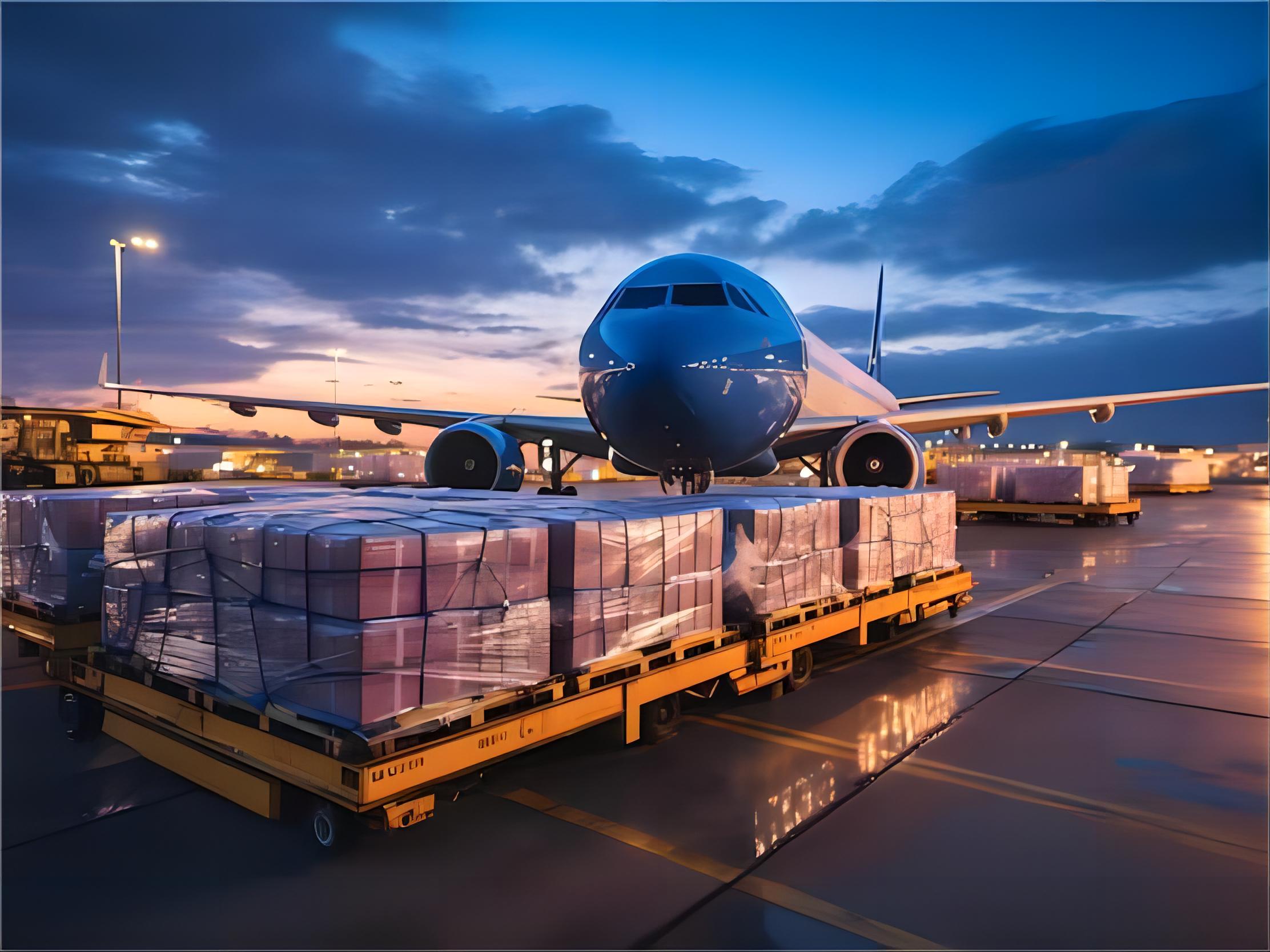
Real-World Success: A Machinery Shipping Case Study
❖Case Study 1: Expediting Industrial Robot Parts
A client faced a critical delay due to a 20GP FCL container shortage, impacting their production line in New York. They needed to ship several crates of industrial robot components from Shenzhen, China, urgently. Traditional sea freight was not an option given the tight deadline.
Consequently, we arranged for a partial door-to-door air freight shipment for the most critical parts. The remaining, less urgent components were consolidated into an LCL sea freight shipment. This hybrid approach optimized both cost and delivery speed, ensuring minimal disruption. Based on Q1 2025 market rates, this was the most efficient solution.
| Detail | Air Freight (Critical Parts) | LCL Sea Freight (Remaining) |
|---|---|---|
| Route | Shenzhen, China to New York, USA | Shenzhen, China to New York, USA |
| Cargo | Robot components, 5 CBM, 800 kg | Robot components, 12 CBM, 2500 kg |
| Shipping Method | Air Cargo | LCL Sea Freight |
| Ocean/Air Freight | $8,500 | $960 (12 CBM * $80/CBM) |
| Origin/Destination Charges | $650 | $700 |
| Customs & Duties (est.) | $1,200 | $1,800 |
| Total Landed Cost (est.) | $10,350 | $3,460 |
| Sea/Air Transit | 6 days | 38 days |
| Total Door-to-Door | 9 days | 45 days |
| Key Insight | Air freight for critical parts saved production time. | LCL provided cost efficiency for less urgent items. |
Optimizing Your Logistics and Reducing Costs
❖Beyond choosing a shipping method, optimizing your overall logistics strategy can significantly alleviate the impact of container shortages. Consider utilizing inland container depots (ICDs) to potentially access equipment away from congested port areas. Furthermore, exploring different ports of loading in China can sometimes yield better availability.
Engaging with a logistics partner offering comprehensive services, including North America shipping expertise, is crucial. They can advise on the latest market conditions, alternative routes, and cost-effective shipping strategies. This proactive approach helps manage potential delays and unexpected freight costs more effectively.
Conclusion: Securing Your Machinery Shipments
Effectively managing the 20GP FCL container shortage for machinery from China to New York requires a multi-faceted approach. By understanding market dynamics, exploring alternative shipping methods, and leveraging expert logistics partnerships, businesses can minimize disruptions. Prioritizing flexibility and proactive planning will ensure your valuable machinery reaches its destination reliably. Note: Freight rates are subject to change based on fuel costs, carrier capacity, and seasonal demand. Contact us for a current quote tailored to your specific shipment.
Ready to streamline your logistics?
Are you struggling with the 20GP FCL container shortage for your machinery imports from China to New York? Do not let supply chain disruptions hinder your operations. Contact our experts today to discuss tailored solutions and receive a personalized quote for your next shipment.
Request Quote