

20GP FCL Space: Auto Parts China to Chicago
Securing reliable 20GP FCL space availability for auto parts from China to Chicago is crucial for maintaining a smooth supply chain. This process often presents unique challenges, including fluctuating freight rates and limited vessel capacity. Understanding these dynamics is essential for efficient import operations and preventing costly delays. Learn how to navigate these complexities and optimize your logistics with China Top Freight.
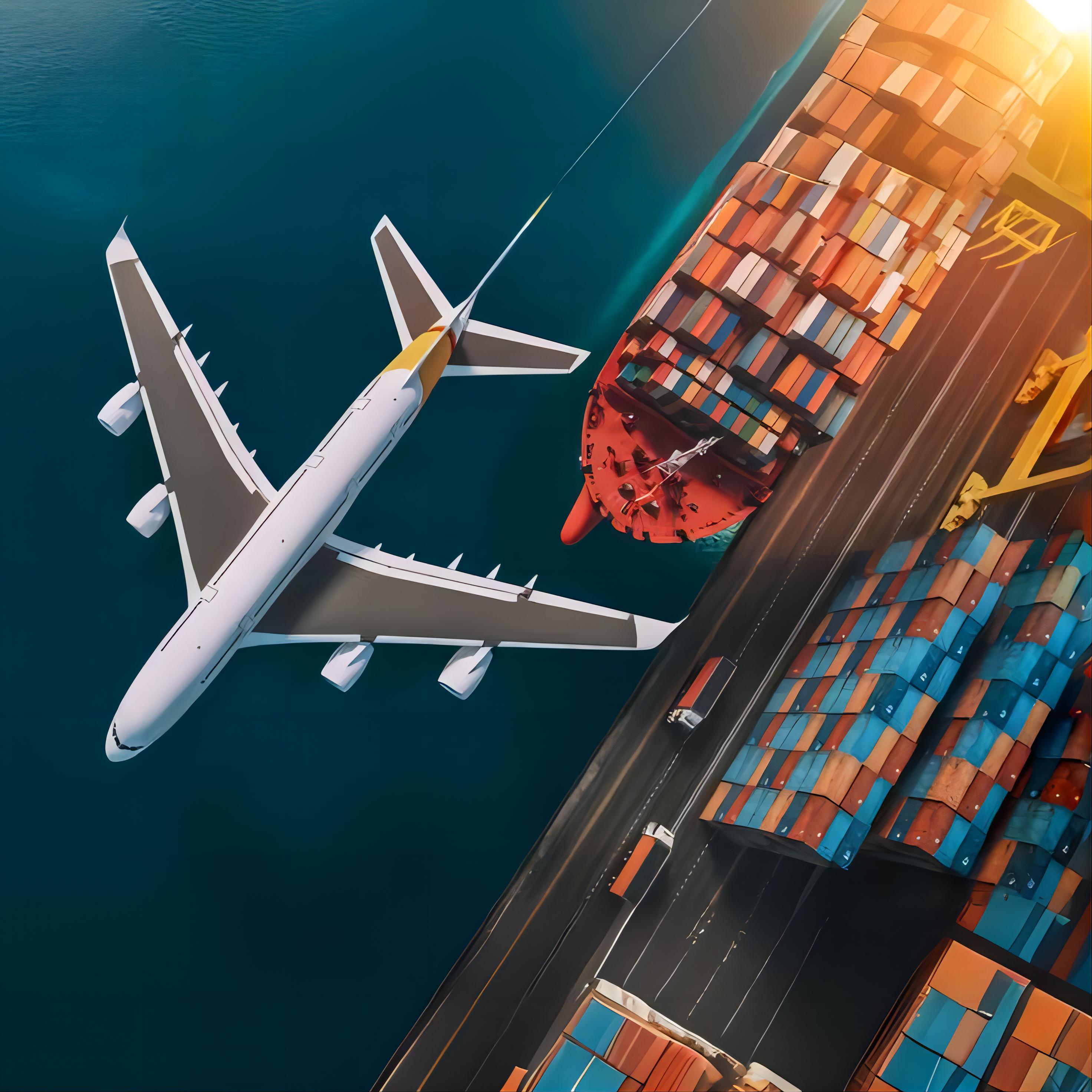
What is 20GP FCL and Why is it Key for Auto Parts?
A 20GP (20-foot General Purpose) FCL (Full Container Load) refers to a standard shipping container, 20 feet long, that is exclusively used by a single shipper. This container type is particularly suitable for a wide range of auto parts, from smaller components to larger, palletized items. Therefore, understanding its capacity and benefits is paramount for efficient logistics.
Choosing FCL over LCL (Less than Container Load) for auto parts often offers several advantages. Primarily, it reduces handling risks, as your cargo remains sealed from origin to destination, minimizing potential damage or loss. Furthermore, FCL shipments typically experience faster transit times because they do not require consolidation or deconsolidation at various ports. Consequently, this leads to a more predictable delivery schedule for your critical auto parts.

Navigating 20GP FCL Space Availability from China to Chicago
Securing consistent 20GP FCL space availability from China to Chicago can be complex due to dynamic market conditions. Factors such as global trade volumes, seasonal demand, and port congestion significantly influence vessel capacity. Consequently, proactive planning and strategic booking are vital.
Peak seasons, notably before major holidays like Chinese New Year or during the Q3/Q4 shipping rush, often lead to tighter space and higher freight rates. During these periods, booking well in advance becomes critical to guarantee your auto parts shipment. Moreover, establishing strong relationships with reliable freight forwarders can provide access to prioritized space and more stable pricing.
To manage these fluctuations, consider flexible shipping dates and explore multiple carrier options. Furthermore, maintaining clear communication with your logistics partner about your inventory and delivery schedule helps them secure the best possible 20GP FCL space for your auto parts.
The Shipping Process: China to Chicago via Sea Freight
The journey for 20GP FCL auto parts from China to Chicago typically begins at major Chinese ports like Shanghai, Ningbo, or Shenzhen. These ports offer extensive connectivity to global shipping lanes, ensuring efficient loading and departure. From there, vessels transit across the Pacific Ocean, often heading towards major U.S. East Coast ports.
Common U.S. ports of discharge for cargo destined for Chicago include New York/New Jersey, Savannah, or Charleston. Once the container arrives at one of these ports, it undergoes customs clearance procedures. Subsequently, the container is transferred via rail or truck for inland transportation to Chicago, completing its long journey.
Customs clearance is a critical step in this process, requiring precise documentation and adherence to U.S. import regulations. Proper classification of auto parts and accurate valuation are essential to avoid delays and penalties. Engaging experienced customs brokerage services ensures compliance and expedites cargo release. Therefore, thorough preparation is non-negotiable for a smooth import.
Overall transit times for 20GP FCL auto parts from China to Chicago usually range from 30 to 35 days, depending on the specific port of origin, chosen carrier, and any transshipment points. However, this includes ocean transit, port handling, and inland movement. Therefore, planning with a buffer is always advisable.
Cost Factors for 20GP FCL Auto Parts Shipments
The total cost for shipping 20GP FCL auto parts from China to Chicago involves several components. Ocean freight rates represent the largest portion, influenced by market demand, fuel surcharges, and carrier capacity. These rates can fluctuate significantly based on seasonality and global economic conditions.
Beyond the base ocean freight, shippers must account for origin charges in China, including terminal handling charges (THC), documentation fees, and local trucking to the port. Similarly, destination charges in the U.S. cover port fees, chassis rental, and drayage to the final warehouse in Chicago. Consequently, these ancillary costs can add substantially to the overall landed cost.
Furthermore, customs duties and taxes are levied on imported auto parts, varying based on the Harmonized System (HS) codes of the specific items. Importers must accurately declare their cargo to ensure correct duty assessment. Moreover, insurance costs are also recommended to protect against potential loss or damage during transit, safeguarding your investment.
| Cost Category | Description | Typical Range (USD) |
|---|---|---|
| Ocean Freight | Base rate for 20GP container from China to US East Coast | $2,500 – $3,500 |
| Origin Charges | Terminal Handling, Documentation, Export Customs | $300 – $600 |
| Destination Charges | Terminal Handling, Port Fees, Chassis, Drayage to Chicago | $800 – $1,500 |
| Customs & Duties | Estimated duties based on HS codes (varies greatly) | $500 – $2,000+ |
| Total Estimated Cost | Overall landed cost estimate, excluding insurance | $4,100 – $7,600+ |
How Does Sea Freight Compare to Other Shipping Options?
While sea freight is the most common and cost-effective method for 20GP FCL auto parts to Chicago, it is not the only option. Understanding alternatives helps in making informed supply chain decisions, especially when speed or specific cargo requirements dictate. Each method presents distinct advantages and limitations.
For urgent auto parts, air freight offers significantly faster transit times, often delivering within 5-7 days. However, this speed comes at a much higher cost, making it suitable only for high-value, low-volume, or time-critical components. For example, air freight for the same volume as a 20GP container could easily be 5-10 times more expensive.
Rail freight from China to Europe is a viable option, but for China to Chicago, rail is primarily used for inland transport within the U.S. after sea arrival. While direct rail from China exists for some routes into Europe, it is not a direct alternative for trans-Pacific shipments to North America. Therefore, sea-rail combinations are common once cargo reaches a U.S. port.
When considering FCL vs. LCL, FCL is generally preferred for volumes exceeding 15 CBM, or when cargo integrity is a priority. LCL, conversely, can be more economical for smaller shipments, though it often entails longer transit times due to consolidation processes. Consequently, the choice hinges on volume, urgency, and budget constraints.
| Shipping Method | Cost Range (per 20GP equivalent) | Transit Time (China to Chicago) | Best For | Limitations |
|---|---|---|---|---|
| Sea Freight (20GP FCL) | $4,000 – $7,000 | 30 – 35 days | Large volumes, cost-efficiency, non-urgent goods | Long transit times, susceptible to port delays |
| Air Freight | $15,000 – $30,000+ | 5 – 7 days | Urgent, high-value, small-volume components | Very high cost, strict weight/size limits |
| Sea-Rail (Combined) | $5,000 – $9,000 | 25 – 30 days | Faster than pure sea, good for inland destinations | Higher cost than pure sea, additional transload risks |

Which Option Should You Choose?
The optimal shipping method for your auto parts depends on several key criteria. If your primary concern is budget and you have sufficient lead time, 20GP FCL sea freight is undoubtedly the most cost-effective solution. This method balances cost with capacity effectively.
Conversely, if speed is paramount for critical components or emergency stock, air freight becomes the only viable option, despite its premium price. For scenarios requiring a balance of speed and cost for specific routes, hybrid solutions like sea-air (sea to a West Coast port, then air to Chicago) might be considered, though less common for FCL. Ultimately, cargo type and volume thresholds dictate the most suitable approach for your supply chain.
Optimizing Your Auto Parts Supply Chain to Chicago
Effective supply chain management is vital for the auto parts industry, where timely delivery directly impacts production lines and customer satisfaction. Therefore, optimizing every step of the logistics process, especially for 20GP FCL auto parts from China to Chicago, can yield significant benefits. This includes careful planning and choosing the right partners.
Partnering with an experienced freight forwarder is crucial for streamlining operations. They can provide expert guidance on customs regulations, optimize routing, and negotiate favorable freight rates. Furthermore, they offer visibility throughout the shipping process, allowing for proactive issue resolution.
Consider leveraging comprehensive door-to-door services to simplify your logistics. This approach means your forwarder handles everything from factory pickup in China to final delivery in Chicago, minimizing your administrative burden and coordination efforts. Consequently, this integrated service ensures a seamless flow of goods, reducing potential bottlenecks.
Efficient inventory management also plays a key role. By aligning your order placement with realistic transit times and market conditions, you can reduce warehousing costs and avoid stockouts. Moreover, understanding lead times for specific auto parts allows for more accurate forecasting and more resilient supply chain planning. Therefore, a holistic approach to logistics is always recommended.
Real-World Scenarios: 20GP FCL Auto Parts to Chicago
Examining real-world case studies provides valuable insights into the practicalities and challenges of shipping 20GP FCL auto parts from China to Chicago. These examples highlight typical costs, transit times, and strategic decisions that lead to successful outcomes. Each scenario illustrates different aspects of the logistics process.
Case Study 1: Standard OEM Parts Shipment
This case involved a regular shipment of engine components and body panels for an OEM client, requiring stable supply chain timing. The client prioritized cost-effectiveness and predictable delivery over extreme speed, making 20GP FCL sea freight the ideal choice. This shipment demonstrates typical market rates as of early 2025.
| Detail | Description |
|---|---|
| Route | Shanghai, China Chicago, USA |
| Cargo | Engine components, body panels; 28 CBM, 15,000 kg |
| Container | 20GP FCL |
| Shipping Details | Carrier: COSCO; Port of Loading: Shanghai; Port of Discharge: Savannah (GA); Route Type: Transshipment via Busan |
| Cost Breakdown | Ocean Freight: $2,800; Origin Charges: $450; Destination Charges: $1,100; Customs & Duties (estimated): $1,200; Total Landed Cost: $5,550 |
| Timeline | Booking to Loading: 7 days; Sea Transit: 28 days; Customs Clearance: 3 days; Inland Rail/Truck: 5 days; Total Door-to-Door: 43 days |
| Key Insight | Effective planning with a reliable forwarder ensured smooth transshipment and inland delivery, despite a busy Q1 shipping period. |
Case Study 2: Aftermarket Accessory Delivery
An aftermarket auto accessory distributor needed to replenish stock quickly before a major sales event. While not emergency, balancing speed and cost was crucial. A direct vessel service was selected to minimize transit time, accepting slightly higher freight rates. This scenario reflects competitive Q2 2024 rates.
| Detail | Description |
|---|---|
| Route | Ningbo, China Chicago, USA |
| Cargo | Car interior accessories, light kits; 25 CBM, 12,000 kg |
| Container | 20GP FCL |
| Shipping Details | Carrier: Maersk; Port of Loading: Ningbo; Port of Discharge: New York/New Jersey; Route Type: Direct Service |
| Cost Breakdown | Ocean Freight: $3,200; Origin Charges: $500; Destination Charges: $1,300; Customs & Duties (estimated): $900; Total Landed Cost: $5,900 |
| Timeline | Booking to Loading: 5 days; Sea Transit: 26 days; Customs Clearance: 2 days; Inland Rail/Truck: 4 days; Total Door-to-Door: 37 days |
| Key Insight | Opting for a direct service significantly cut transit time, enabling the client to meet their sales event deadline successfully without resorting to air freight. |
Case Study 3: Consolidating Multiple Small Auto Parts Orders
A U.S. auto repair chain regularly imports diverse small auto parts from various suppliers across China. Consolidating these into a single 20GP FCL shipment was key to efficiency. This case highlights the benefits of a freight forwarder managing multiple pickups and optimizing container space. Rates are reflective of mid-2024 market conditions.
| Detail | Description |
|---|---|
| Route | Shenzhen, China Chicago, USA |
| Cargo | Mixed small auto parts (filters, sensors, brake pads); 27 CBM, 14,000 kg |
| Container | 20GP FCL |
| Shipping Details | Carrier: MSC; Port of Loading: Shenzhen; Port of Discharge: Savannah; Route Type: Transshipment via Singapore |
| Cost Breakdown | Ocean Freight: $2,950; Origin Charges (incl. multiple pickups): $700; Destination Charges: $1,250; Customs & Duties (estimated): $1,050; Total Landed Cost: $5,950 |
| Timeline | Booking to Loading: 10 days (due to multiple pickups); Sea Transit: 30 days; Customs Clearance: 3 days; Inland Rail/Truck: 5 days; Total Door-to-Door: 48 days |
| Key Insight | Strategic consolidation by the freight forwarder saved costs compared to multiple LCL shipments, despite a slightly longer overall lead time due to varied pickup locations. |
Market Insights and Future Trends for Auto Parts Shipping
The global logistics landscape is constantly evolving, impacting 20GP FCL space availability for auto parts from China to Chicago. As of Q1 2025, freight rates have largely stabilized after the volatility seen in previous years, though geopolitical events and regional conflicts can still introduce disruptions. Therefore, staying informed about market intelligence is crucial.
Industry trends suggest a continued focus on supply chain resilience and diversified sourcing strategies. Shippers are increasingly looking for partners who can offer not only competitive rates but also robust contingency plans. Moreover, digitalization in logistics is enhancing visibility and efficiency, allowing for better tracking of shipments and proactive problem-solving.
Seasonal patterns will always play a role, with rates typically increasing by 15-25% during the August-October peak season leading up to the holiday retail period. Consequently, booking early and maintaining flexible schedules remain key strategies. Furthermore, leveraging reliable sea freight services with consistent vessel schedules is paramount for predictable delivery of auto parts.
Conclusion: Securing Your Auto Parts Supply Chain
Effectively managing 20GP FCL space availability for auto parts from China to Chicago demands a clear understanding of market dynamics and strategic planning. By partnering with experienced logistics providers, leveraging comprehensive services, and staying informed about industry trends, businesses can ensure a robust and efficient supply chain. Ultimately, this proactive approach minimizes risks and optimizes costs, delivering your auto parts reliably to their destination.
Note: Freight rates are subject to change based on fuel costs, carrier capacity, and seasonal demand. Contact us for a current quote tailored to your specific shipment.

Start Your Shipment
Ready to streamline your auto parts shipments from China to Chicago? Contact our experts today for a personalized quote and discover how we can optimize your 20GP FCL logistics. We are committed to providing reliable, cost-effective solutions tailored to your specific needs.
Request Quote