

- By carlie tj
- December 8, 2025
- Tips or Guide, Transport
Shipping heavy machinery from China to Texas demands reliability, efficiency, and time accuracy. With 20GP FCL transit time for machinery from China to Texas, businesses can plan their supply chain effectively. Visit China Top Freight to explore optimized shipping routes, container options, and transit details tailored to your project needs.

1. What Is 20GP FCL and Why Choose It for Machinery Transport?
A 20GP (20-foot General Purpose) Full Container Load (FCL) is ideal for transporting machinery. It offers safety, cost-effectiveness, and protection from external damage. Unlike LCL (Less than Container Load), FCL guarantees exclusive use of the container.
Moreover, machinery often requires customized bracing and proper weight distribution, both easily managed in a 20GP FCL.
2. How Long Does 20GP FCL Transit Time from China to Texas Take?
The 20GP FCL transit time for machinery from China to Texas usually ranges from 25 to 40 days, depending on the port of origin, destination port, and sailing schedule.
| Route | Port of Origin (China) | Destination Port (Texas) | Average Transit Time (Days) |
|---|---|---|---|
| Shanghai – Houston | Shanghai Port | Houston Port | 30–35 days |
| Ningbo – Houston | Ningbo Port | Houston Port | 28–33 days |
| Shenzhen – Galveston | Yantian Port | Galveston Port | 32–37 days |
| Qingdao – Corpus Christi | Qingdao Port | Corpus Christi | 35–40 days |
Transit duration can vary based on vessel type, customs inspection, and weather delays.
3. What Factors Affect FCL Transit Time for Machinery?
Several factors influence the 20GP FCL transit time:
- Port congestion at Chinese or Texan terminals.
- Customs clearance time, especially for large or complex machinery.
- Seasonal demand, particularly during Q4 peak shipping.
- Documentation errors, causing inspection delays.
- Shipping line schedules and frequency of direct sailings.
Therefore, proper planning ensures smoother delivery.
4. Which Shipping Routes Are Common for China–Texas Machinery Transport?
China’s coastal ports—Shanghai, Ningbo, Shenzhen, and Qingdao—are the most popular departure points.
The primary arrival ports in Texas include Houston, Galveston, and Corpus Christi, all offering advanced equipment-handling capabilities.
Additionally, shippers can combine sea freight with rail or truck service for inland delivery to cities like Dallas, Austin, or San Antonio.
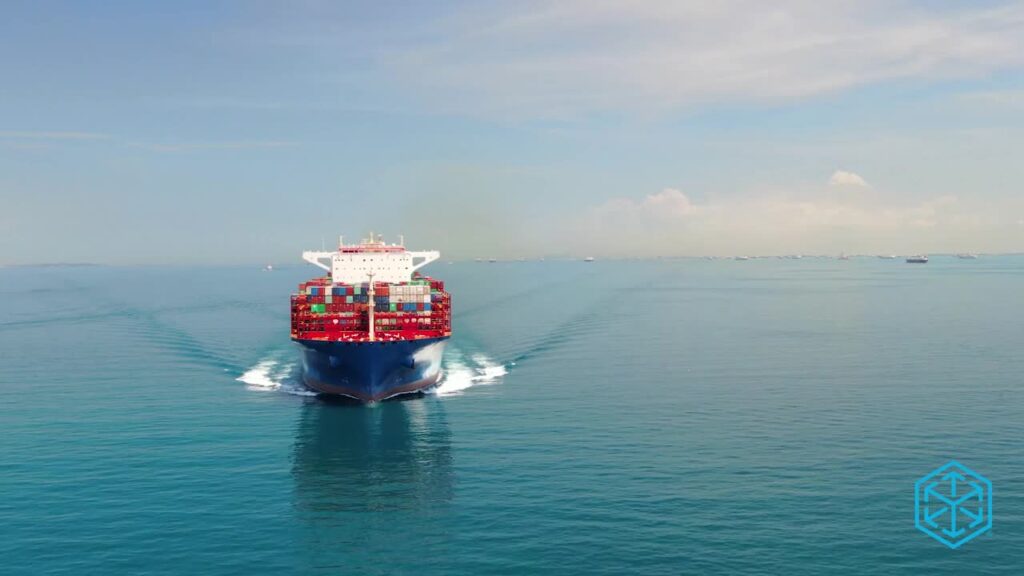
5. What Are the Estimated Costs for 20GP FCL Machinery Shipping?
Shipping costs depend on the route, container type, and commodity value.
| Service Type | Estimated Cost (USD) | Transit Time | Suitability |
|---|---|---|---|
| Sea Freight (FCL) | $2,000 – $3,500 | 30–40 days | Best for heavy machinery |
| Air Freight | $8,000 – $12,000 | 5–7 days | Urgent, small machinery |
| Rail + Truck | $4,000 – $6,000 | 25–30 days | Balanced for inland Texas |
| Express Courier | $10,000+ | 3–5 days | Not suitable for large cargo |
Sea freight remains the most cost-effective option for full container loads.
6. What Documents Are Required for Machinery Import into Texas?
Proper documentation is crucial to avoid customs delays:
- Bill of Lading (B/L)
- Commercial Invoice
- Packing List
- Certificate of Origin
- Importer Security Filing (ISF)
- Machinery Compliance Certificate (if required)
Accurate paperwork speeds up customs clearance and prevents storage costs.
7. How to Optimize 20GP FCL Shipping Schedules from China to Texas?
To minimize transit time:
- Book shipping 2–3 weeks in advance during peak seasons.
- Choose direct sailing routes when available.
- Work with reliable freight forwarders offering real-time tracking.
- Ensure container readiness and on-time customs submission.
These steps can reduce potential demurrage or detention costs.
8. What Are the Common Challenges and Solutions for China–Texas Machinery Shipping?
| Challenge | Impact | Solution |
|---|---|---|
| Port congestion | Delays & extra fees | Book early and choose alternative ports |
| Customs inspection | Holding of shipment | Accurate HS code classification |
| Weather conditions | Sailing delays | Use contingency buffer in schedule |
| Space shortage | Missed deadlines | Reserve space in advance with forwarder |
Proactive communication and planning prevent costly disruptions.
9. What Are the Advantages of 20GP FCL vs Other Freight Modes?
FCL shipping offers better protection and cost control compared to LCL or air freight.
| Freight Mode | Cost Efficiency | Transit Time | Ideal Cargo Type | Pros | Cons |
|---|---|---|---|---|---|
| 20GP FCL | Excellent | 25–40 days | Heavy machinery | Secure, private, economical | Slower |
| LCL | Moderate | 35–45 days | Small machinery parts | Shared cost | Risk of damage |
| Air Freight | Low | 5–7 days | Urgent equipment | Fastest | Very expensive |
| Rail + Truck | Good | 25–30 days | Mid-size machinery | Stable cost | Limited routes |
10.Conclusion
The 20GP FCL transit time for machinery from China to Texas depends on multiple factors—route, port congestion, and documentation accuracy.
By partnering with a reliable logistics company like China Top Freight, you can optimize shipping schedules, reduce costs, and ensure your machinery arrives safely.
Effective planning, accurate paperwork, and real-time tracking transform complex logistics into seamless international delivery.
Request a Quote
China Top Freight offers:
- ✅ Origin and Destination Countries
- ✅ Cargo Type and Volume
- ✅ Preferred Transport Method (Air, Sea, Rail, Road)
- ✅ Delivery Timeline
- ✅ Special Handling Requirements (if any)
FAQ
1. What is the average 20GP FCL transit time from China to Texas?
It typically takes 25–40 days depending on the departure port, carrier schedule, and customs processing time in China and the U.S.
2. Which Chinese ports are best for shipping to Texas?
Shanghai, Ningbo, Shenzhen, and Qingdao are the main ports, offering efficient schedules and competitive rates for heavy machinery transport.
3. What documents do I need for machinery shipping?
You’ll need a Bill of Lading, invoice, packing list, certificate of origin, and Importer Security Filing for smooth customs clearance.
4. How can I track my machinery shipment to Texas?
Freight forwarders provide online tracking systems where you can monitor vessel departure, arrival, and estimated delivery in real time.
5. Are there customs duties for importing machinery to Texas?
Yes. Most machinery incurs import duties between 2–5% based on HS codes, and classification accuracy helps avoid costly penalties.