

40GP FCL Booking Process: Hardware Tools from China to Denmark
Navigating international logistics can be complex, especially when importing specialized goods like hardware tools. Businesses often face challenges with freight costs, transit times, and intricate customs procedures. This guide offers a comprehensive overview of the 40GP FCL booking process for hardware tools from China to Denmark. We aim to simplify your supply chain, ensuring a smooth and efficient import experience for your valuable cargo.
Understanding 40GP FCL for Hardware Tools
What is a 40GP FCL Container?
A 40GP, or 40-foot General Purpose container, is a standard shipping unit widely used for international cargo. It measures approximately 40 feet long, 8 feet wide, and 8.5 feet high, offering substantial volume.
FCL stands for Full Container Load, meaning your goods exclusively occupy the entire container. This ensures dedicated space and direct transit, ideal for larger shipments that can fill a significant portion of the container’s capacity.
For hardware tools, utilizing a 40GP FCL minimizes handling risks and enhances security. Furthermore, it often proves more cost-effective compared to LCL (Less than Container Load) options when your volume is sufficient.
Why 40GP FCL for Hardware Tools?
Hardware tools, including power tools, hand tools, and industrial equipment, require secure and efficient transport. Their varied shapes and weights necessitate careful loading and handling, concerns directly addressed by FCL shipping.
Using a 40GP FCL ensures your entire consignment of hardware tools ships together. This consequently reduces the risk of damage or loss associated with multiple cargo transfers, simplifying inventory management upon arrival.
Moreover, for businesses importing substantial quantities of tools, FCL provides economies of scale. The per-unit shipping cost significantly decreases compared to smaller, consolidated shipments, making it a preferred choice for bulk imports of hardware tools from China.
Dedicated container space also often translates to faster transit times. There are no delays waiting for other consignments to fill the container. This streamlined process is indeed crucial for maintaining tight delivery schedules.
The Step-by-Step 40GP FCL Booking Process
The journey of importing hardware tools from China to Denmark involves several critical stages. Understanding each step of the 40GP FCL booking process ensures a smoother, more predictable logistics experience. Careful planning and execution are paramount for success.
Step 1: Requesting a Quote and Booking
The initial step involves gathering detailed information about your shipment. You need to specify the type of hardware tools, their total volume (CBM), weight (KG), and required dimensions. Accurate data is crucial for an precise quote.
Next, contact a reputable freight forwarder specializing in sea freight from China to Denmark. Provide them with your origin and destination ports, along with preferred shipping dates. They will then provide a comprehensive freight quote.
The quote will typically include ocean freight charges, origin charges (THC, documentation), and estimated destination charges. Review all terms and conditions carefully before confirming your booking. Booking in advance is always recommended, especially during peak seasons.
Step 2: Cargo Preparation and Documentation
Proper packaging is paramount for hardware tools to withstand the rigors of international shipping. Ensure all tools are securely packed, ideally in crates or on pallets, to prevent shifting and damage during transit. Labeling should be clear and durable.
A critical part of this stage is preparing all necessary export documentation. This includes the Commercial Invoice, Packing List, Bill of Lading (B/L), and potentially a Certificate of Origin. These documents are essential for customs clearance.
Work closely with your supplier in China to ensure all documentation is accurate and complete. Any discrepancies can lead to significant delays and additional costs at customs. Double-check all details before the container is sealed.
Step 3: Inland Transportation and Port Loading
Once your hardware tools are ready, arrange for inland transportation from your supplier’s factory to the port of loading in China. This can be done via truck or rail, depending on the origin city. Ensure timely delivery to avoid demurrage charges.
At the port, your goods will undergo inspection and then be loaded into the 40GP FCL container. The container is then sealed, and the seal number is recorded on the Bill of Lading. This process ensures the integrity of your shipment.
The container is subsequently moved to the vessel for loading. During peak seasons or periods of port congestion, delays can occur. Staying in close communication with your freight forwarder is vital for real-time updates on your cargo’s status.
Step 4: Ocean Transit and Tracking
The vessel carrying your 40GP FCL container of hardware tools will embark on its journey across the sea to Denmark. This ocean transit typically takes between 28 to 35 days, though it can vary based on the specific route and carrier.
Modern logistics systems allow for real-time tracking of your shipment. Your freight forwarder will provide you with a tracking number or access to an online portal. This helps monitor the vessel’s progress and estimated arrival time.
Stay informed about any potential delays due to weather conditions or port issues at transshipment points. Proactive communication helps manage expectations and adjust your delivery schedule accordingly.
Step 5: Customs Clearance in Denmark
Upon arrival at the Danish port, your 40GP FCL shipment of hardware tools will undergo customs clearance. This involves submitting all required import documentation to the Danish Customs Agency. Accurate tariff codes are crucial here.
You will need to pay applicable import duties, taxes (like VAT), and other fees based on the Harmonized System (HS) codes of your hardware tools. A professional customs brokerage service can streamline this complex process.
The customs broker ensures all declarations are correct and compliant with Danish regulations. They can also advise on specific requirements for importing tools, such as safety certifications or labeling standards. Delays here are often due to incomplete paperwork.
Step 6: Final Delivery
After successful customs clearance, your 40GP FCL container is ready for final delivery. The container will be transferred from the port to your designated warehouse or distribution center in Denmark. This is usually managed by truck.
Depending on your agreement, this can be a standard port-to-door service or a more comprehensive door-to-door service. Confirm delivery logistics, including any specific access requirements for your facility.
Upon arrival, the container will be unloaded, and the hardware tools can be inspected for any transit damage. It’s essential to report any issues immediately to your freight forwarder and insurance provider. Efficient final delivery completes the process.
Key Factors Affecting Shipping Costs and Transit Times
Understanding the variables that influence shipping costs and transit times is essential for budget planning and supply chain management. These factors can significantly impact the overall landed cost of your hardware tools. Being aware of them helps in making informed decisions.
Fluctuations in fuel prices, carrier capacity, and seasonal demand directly affect ocean freight rates. For instance, peak seasons like before Chinese New Year or during Q3/Q4 often see higher rates and reduced space availability. Booking flexibility can help mitigate these impacts.
The specific ports of loading and discharge also play a role. Direct routes are generally faster but can be more expensive than routes involving transshipment through intermediary ports. Port congestion at either end can add days or even weeks to the transit time.
Insurance costs, customs duties, and local transportation fees at both origin and destination further contribute to the total expenditure. Always request a detailed quote that breaks down all these components to avoid unexpected charges. Market data suggests rates as of Q1 2025 have stabilized, though Red Sea disruptions can still cause volatility.
| Factor | Description | Impact on Cost |
|---|---|---|
| Ocean Freight | Base cost for sea transport | High, variable by season/carrier |
| Origin Charges | Terminal Handling (THC), documentation, drayage | Moderate, fixed per container |
| Destination Charges | THC, port fees, customs inspection | Moderate, fixed per container |
| Customs Duties & Taxes | Tariffs, VAT (Danish MOMS) | Significant, percentage of cargo value |
| Inland Transport | From factory to port, port to warehouse | Variable by distance/location |
| Insurance | Cargo protection against loss/damage | Low, percentage of cargo value |
| Surcharges | BAF, CAF, PSS (seasonal) | Variable, can add substantially |
How Does 40GP FCL Compare to Other Shipping Options?
While 40GP FCL sea freight is a primary choice for hardware tools, exploring alternative shipping methods is crucial. Each option presents unique trade-offs concerning speed, cost, and capacity. Understanding these differences helps in selecting the most suitable logistics strategy.
Comparing different modes allows businesses to optimize their supply chain based on specific needs. For urgent shipments or high-value, low-volume tools, alternatives might be more appropriate. However, for bulk hardware tools, FCL often remains king.
Consider the total landed cost, not just the freight rate. This includes duties, taxes, and inventory holding costs. A faster but more expensive option might save money in the long run by reducing warehousing expenses or meeting urgent market demands.
| Shipping Method | Cost Range (40GP/1000kg) | Transit Time | Best For | Limitations |
|---|---|---|---|---|
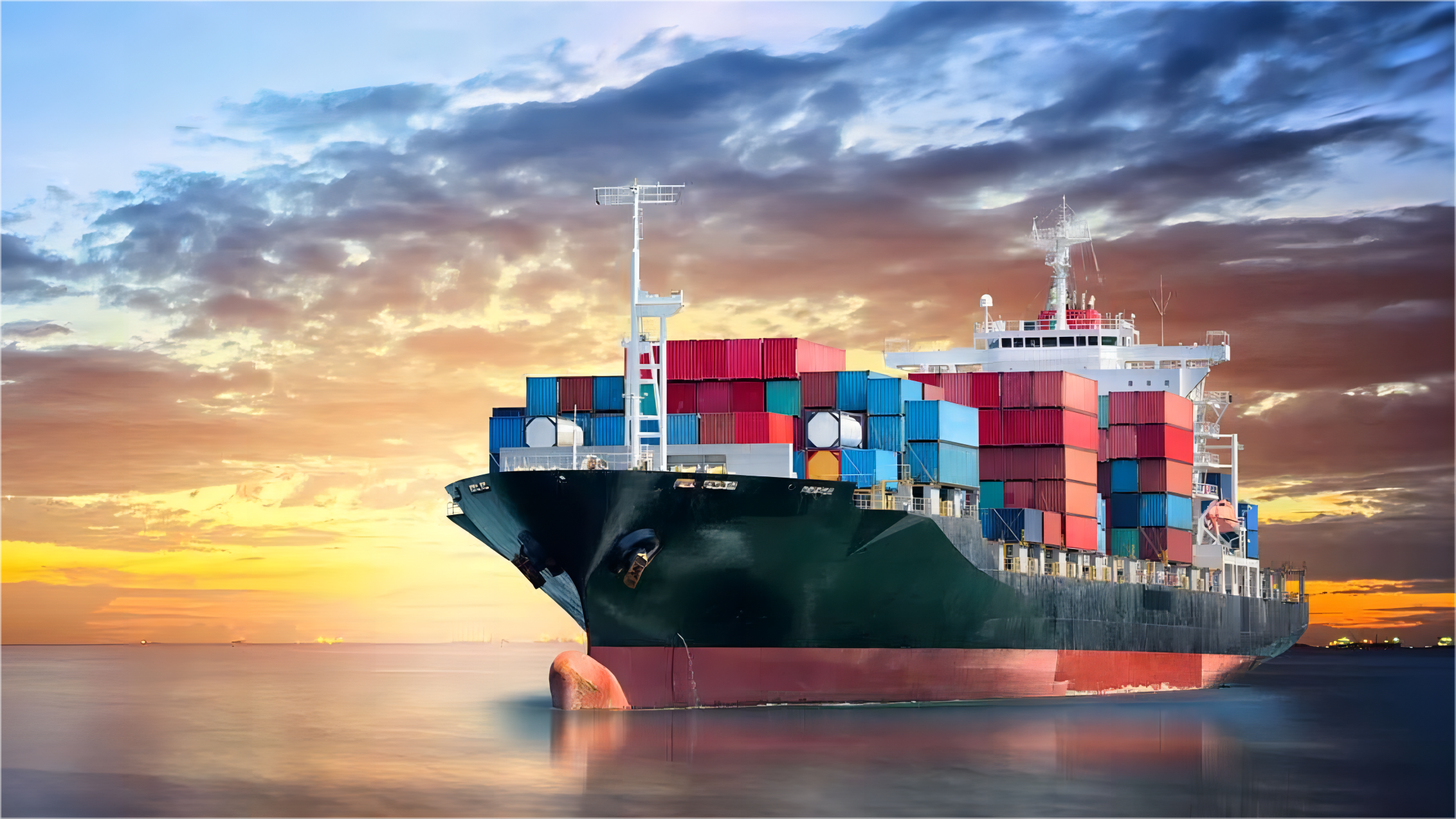
| Sea Freight (40GP FCL) | $2,800 – $4,200 | 28 – 35 days | Bulk, heavy, non-urgent tools | Slowest, port congestion risks |
| Sea Freight (LCL) | $80 – $120 per CBM | 35 – 45 days | Smaller volumes (under 15 CBM) | More handling, potential delays |
| Air Freight | $5,000 – $8,000 per 1000kg | 5 – 8 days | Urgent, high-value, light tools | Very expensive, volume/weight limits |
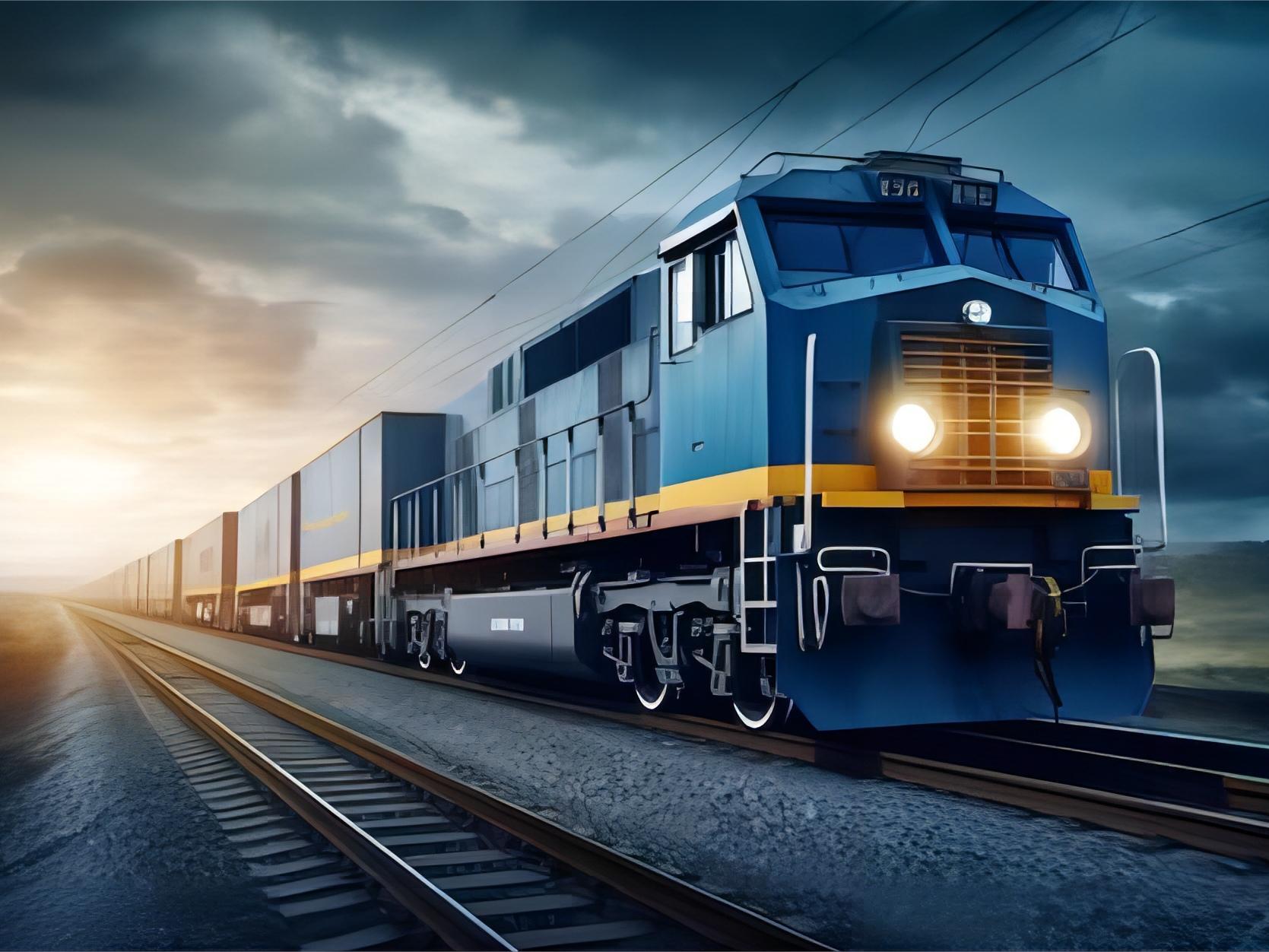
| Rail Freight | $4,000 – $6,000 | 18 – 25 days | Time-sensitive, mid-volume tools | Limited routes, less frequent |
Which Option Should You Choose?
If cost-effectiveness is your primary concern, especially for large volumes of hardware tools, **40GP FCL sea freight** is almost always the most economical choice. It offers the best per-unit cost for bulk shipments; however, be prepared for longer transit times.
For urgent shipments of critical hardware tools or if market demand is highly time-sensitive, **air freight** is the clear winner. It significantly reduces transit time, getting your tools to Denmark in less than a week, albeit at a much higher premium.
When speed is important but not critical, and you have a substantial shipment that doesn’t quite justify air freight costs, **rail freight** presents a compelling alternative. It’s faster than sea but more affordable than air, offering a good balance for mid-volume tools.
For extremely heavy or oversized industrial tools, sea freight (FCL or even breakbulk) is often the only viable option. Delicate, high-value electronics components within tools might benefit from air freight’s better handling and security.
Consider combining shipping methods for optimized logistics. For example, ship the bulk of your order via FCL sea freight for cost savings, and send a smaller, urgent batch via air freight to meet initial market demand. This hybrid approach balances cost and speed effectively.
Essential Documentation for Importing Hardware Tools to Denmark
Accurate and complete documentation is the backbone of a seamless import process for hardware tools into Denmark. Any missing or incorrect paperwork can lead to significant delays, fines, and even cargo seizure. Preparing these documents meticulously is non-negotiable.
These documents serve multiple purposes, from identifying the goods and their value for customs assessment to proving ownership and compliance with international trade laws. Early preparation and verification with your freight forwarder are highly recommended.
Specific requirements may vary based on the type of hardware tools and their origin. Always consult with a customs expert or your freight forwarder to ensure you meet all Danish import regulations. Compliance ensures efficient cargo release.
| Document Type | Purpose | Issued By |
|---|---|---|
| Commercial Invoice | Details goods, value, seller/buyer | Exporter |
| Packing List | Itemizes contents, weights, dimensions | Exporter |
| Bill of Lading (B/L) | Contract of carriage, title to goods | Carrier/Forwarder |
| Certificate of Origin | Proves country of manufacture | Chamber of Commerce (China) |
| Import License | Required for certain restricted goods | Danish Authorities (if applicable) |
| CE Declaration of Conformity | Safety/health standards for tools | Manufacturer |
| Insurance Certificate | Proof of cargo insurance coverage | Insurer |

Real-World Case Studies: Hardware Tools Shipments
Understanding the practical application of the 40GP FCL booking process provides valuable insights. These case studies illustrate common scenarios and demonstrate effective strategies for importing hardware tools from China to Denmark. They reflect typical challenges and successful resolutions.
Case Study 1: Large Volume Hand Tools
This example highlights the efficiency of FCL for high-volume, standard hardware. The client required a cost-effective solution for a recurring order. Careful planning and consistent communication were key to its success.
The shipment faced minor delays due to peak season port congestion in China. However, proactive tracking and flexible delivery scheduling helped manage expectations. This demonstrates the importance of choosing a reliable freight partner.
The final landed cost was significantly lower per unit compared to previous LCL shipments. This confirmed the strategic advantage of consolidating orders into a full container load. This particular shipment was based on Q3 2024 market rates.
| Detail | Description |
|---|---|
| Route | Shenzhen, China -> Aarhus, Denmark |
| Cargo | Assorted hand tools (wrenches, pliers, screwdrivers), 60 CBM, 18,000 kg |
| Container | 40GP FCL |
| Shipping Details | |
| – Carrier/Service | Major carrier (e.g., COSCO) |
| – Port of Loading | Yantian, Shenzhen |
| – Port of Discharge | Aarhus, Denmark |
| – Route Type | Direct |
| Cost Breakdown (Estimated) | |
| – Ocean Freight | $3,500 |
| – Origin Charges (THC, documentation) | $450 |
| – Destination Charges | $550 |
| – Customs & Duties (estimated) | $1,800 |
| – Total Landed Cost | $6,300 |
| Timeline | |
| – Booking to Loading | 7 days |
| – Sea Transit | 30 days |
| – Customs Clearance | 3 days |
| – Total Door-to-Door | 42 days |
| Key Insight | Optimal cost efficiency achieved by consolidating high-volume, non-urgent hand tools into a single 40GP FCL shipment. |
Case Study 2: Specialized Power Tools
This scenario involved importing sensitive, higher-value power tools requiring careful handling and specific certifications. The focus was on secure transport and compliant customs clearance. The client valued reliability over marginal cost savings.
Due to the nature of the cargo, additional checks for CE compliance and proper labeling were crucial. The freight forwarder assisted in verifying all certifications prior to shipment. This prevented potential customs issues upon arrival.
Although the transit time was standard, the smooth customs process was a highlight. This underscores the value of an experienced customs broker for specialized goods. Typical rates as of early 2025 were considered for this case.
| Detail | Description |
|---|---|
| Route | Ningbo, China -> Copenhagen, Denmark |
| Cargo | Electric drills, saws, and grinders, 55 CBM, 15,000 kg |
| Container | 40GP FCL |
| Shipping Details | |
| – Carrier/Service | Major carrier (e.g., Maersk) |
| – Port of Loading | Ningbo, China |
| – Port of Discharge | Copenhagen, Denmark |
| – Route Type | Transshipment via Felixstowe |
| Cost Breakdown (Estimated) | |
| – Ocean Freight | $3,800 |
| – Origin Charges (THC, documentation) | $480 |
| – Destination Charges | $600 |
| – Customs & Duties (estimated) | $2,200 |
| – Total Landed Cost | $7,080 |
| Timeline | |
| – Booking to Loading | 8 days |
| – Sea Transit | 33 days |
| – Customs Clearance | 4 days |
| – Total Door-to-Door | 47 days |
| Key Insight | Successful import of sensitive power tools relied heavily on meticulous documentation, CE compliance verification, and efficient customs brokerage, ensuring cargo integrity. |

Optimizing Your Supply Chain for Hardware Tools
Efficiently importing hardware tools from China to Denmark involves more than just booking a container. It requires a holistic approach to supply chain optimization. Strategic planning can lead to significant cost savings and improved delivery schedules.
Consider consolidating orders from multiple suppliers in China into a single 40GP FCL shipment. This reduces per-unit freight costs and simplifies customs clearance. A reliable freight forwarder can manage this consolidation effectively.
Establish strong communication channels with both your Chinese suppliers and your freight partner. Clear communication helps anticipate and mitigate potential delays, such as production issues or port congestion. Proactive information sharing is invaluable.
Regularly review your shipping routes and carrier options. Market conditions, including freight rates and vessel availability, can change rapidly. Adapting your strategy can lead to more competitive pricing and faster transit times for shipping from China to Europe.
Finally, invest in robust cargo insurance to protect your hardware tools against unforeseen events. While rare, accidents or damage can occur, and proper insurance provides peace of mind and financial security. This is a critical component of risk management.
Conclusion
Successfully navigating the 40GP FCL booking process for hardware tools from China to Denmark requires meticulous planning and execution. From understanding container specifications to managing customs and final delivery, every step is crucial. By partnering with an experienced freight forwarder, you can ensure a smooth, cost-effective, and secure journey for your valuable cargo. Optimizing your logistics strategy is key to long-term success in international trade.
Start Your Shipment
Streamline your import process for hardware tools from China to Denmark with expert assistance. Our team is ready to provide tailored solutions for your 40GP FCL booking process, ensuring efficiency and cost-effectiveness. Contact us today for a personalized quote and optimize your supply chain.
Request Quote