

40GP FCL Container Shortage Solution for Solar Panels from China to Germany
The global logistics landscape frequently presents challenges, notably the persistent 40GP FCL container shortage. This issue significantly impacts businesses importing solar panels from China to Germany, leading to delays and increased costs. Fortunately, strategic planning and innovative solutions can help overcome these hurdles, ensuring your critical shipments arrive on time and within budget. Explore comprehensive freight forwarding services at China Top Freight for seamless operations.
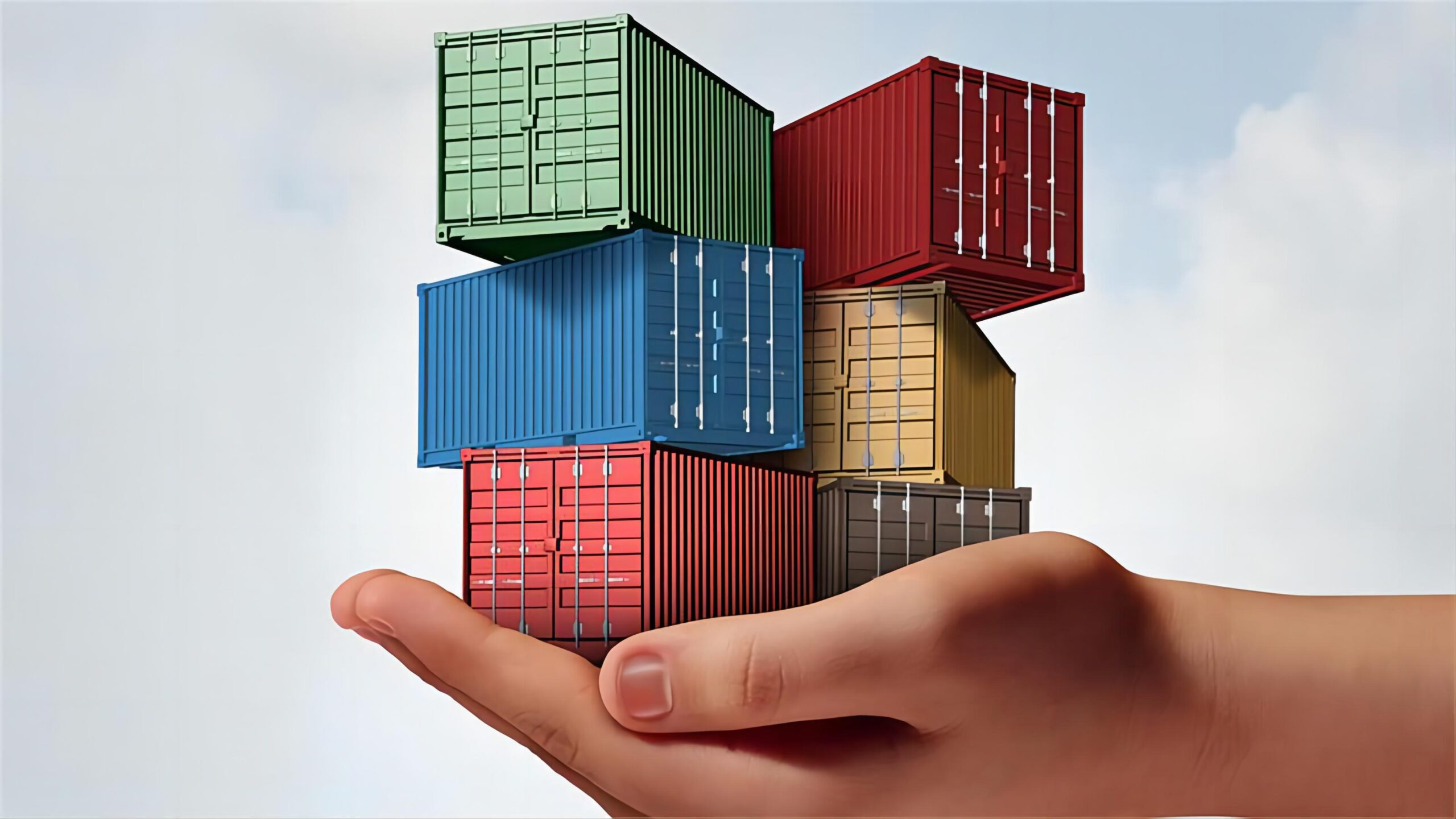
Understanding the 40GP FCL Container Shortage Challenge
Presently, the demand for 40GP FCL containers often outstrips supply, particularly on key trade lanes like China to Europe. This scarcity, moreover, drives up freight rates and extends transit times for essential goods such as solar panels. Consequently, businesses must adapt quickly to maintain their supply chain integrity.
Furthermore, geopolitical events, port congestion, and seasonal peaks exacerbate the container shortage. Therefore, proactive planning and exploring diverse shipping strategies become paramount for importers. Understanding these underlying factors is the first step towards developing robust solutions.
How Does Sea Freight Compare to Other Shipping Options?
While sea freight remains the most common method for shipping solar panels, its efficacy during a 40GP FCL container shortage demands careful evaluation. Other modes like rail and air freight offer distinct advantages, depending on specific business needs. Each option presents unique trade-offs concerning cost, speed, and capacity.
Conversely, hybrid solutions combine the benefits of different transport methods, providing greater flexibility. For instance, a sea-rail combination can offer a balance between cost-efficiency and faster transit compared to pure sea routes. Evaluating these alternatives is crucial for optimizing your logistics strategy.
| Shipping Method | Cost Range (40GP FCL) | Transit Time (China-Germany) | Best For | Limitations |
|---|---|---|---|---|
| Sea Freight | $2,800 – $4,200 | 28 – 38 days | Cost-effective, large volumes | Slow, prone to port congestion, container shortages |
| Rail Freight | $8,000 – $12,000 | 16 – 22 days | Faster than sea, reliable schedule | Higher cost than sea, limited capacity, specific routes |
| Air Freight | $15,000 – $25,000 (estimated for smaller volume equivalent) | 5 – 7 days | Urgent, high-value, small volumes | Very high cost, limited capacity for solar panels due to size/weight |
| LCL (Sea Freight) | $50 – $80 per CBM | 30 – 45 days | Smaller volumes (under 15 CBM) | Longer transit, potential for damage, complex handling |
Alternative Strategies for Shipping Solar Panels to Germany
When facing a 40GP FCL container shortage, businesses should consider several alternative approaches. These strategies aim to mitigate risks, reduce costs, and ensure timely delivery of solar panels. Indeed, adaptability in logistics planning is key to supply chain resilience.
One viable option involves exploring Less than Container Load (LCL) shipments, especially for smaller orders. Although LCL might have slightly longer transit times, it offers flexibility and avoids the direct impact of FCL shortages. Additionally, optimizing packaging can maximize space within LCL containers, reducing per-unit costs.
Furthermore, utilizing multimodal transport, such as rail-sea combinations, presents another robust solution. This approach leverages the speed of rail across Eurasia and the cost-effectiveness of sea for shorter segments. Consequently, it balances transit time with freight rates, offering a competitive edge for Europe-bound shipments.
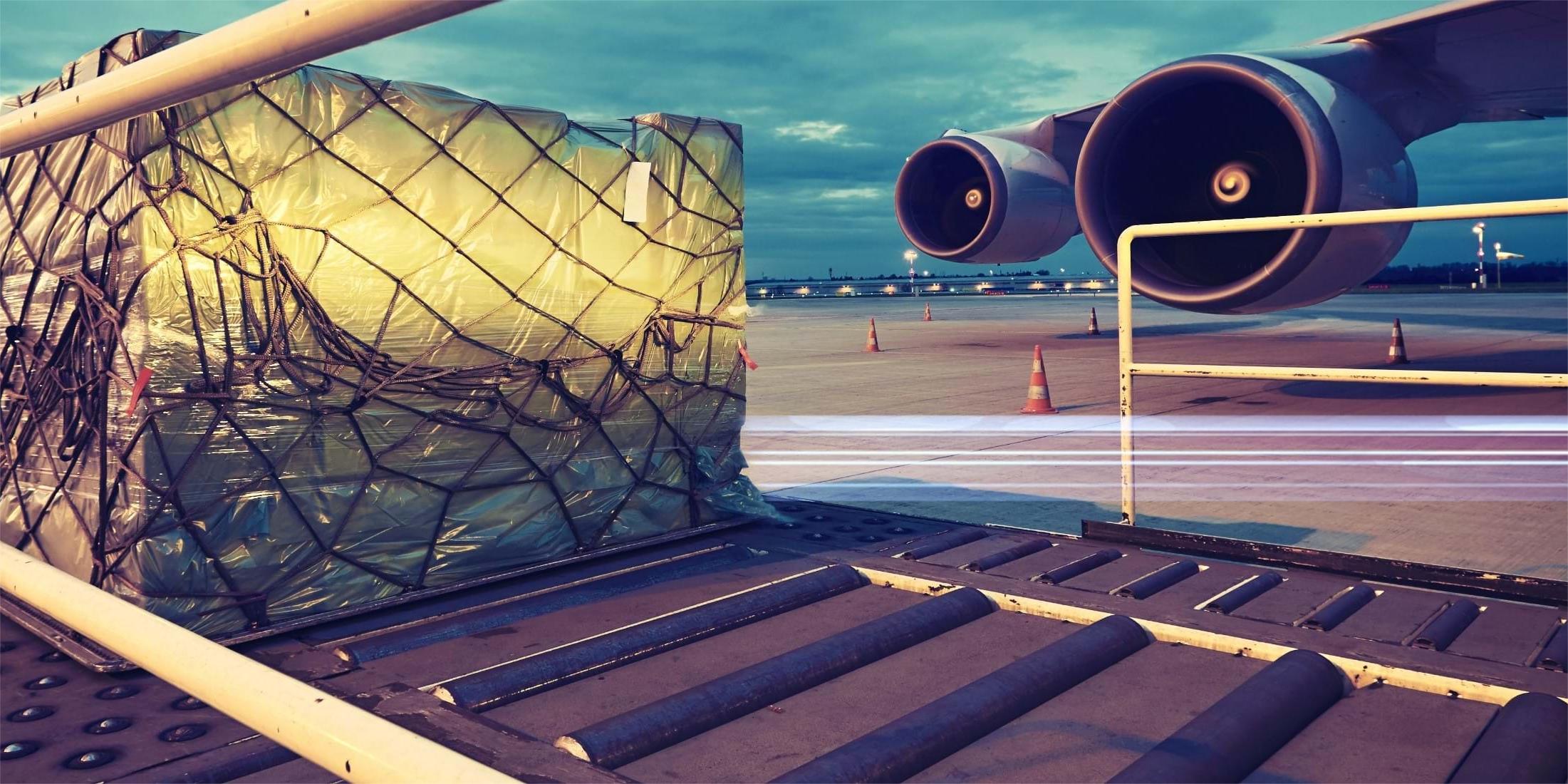
Optimizing Your Solar Panel Logistics with Rail Freight
Rail freight has emerged as a powerful solution for shipping solar panels from China to Germany, especially during sea freight disruptions. The New Silk Road railway offers a faster alternative to traditional ocean routes, with significantly reduced transit times. This method, therefore, bridges the gap between the speed of air freight and the cost-effectiveness of sea freight.
Moreover, rail freight provides greater predictability in scheduling, a critical factor for managing inventory and delivery schedules. Specialized rail freight services can handle large volumes, making it suitable for solar panel shipments. This option reduces dependency on volatile ocean container availability.
However, rail freight costs are typically higher than sea freight. Businesses must weigh the increased speed and reliability against the elevated expense. Strategic planning and volume consolidation can help make rail a more economical choice for your door-to-door delivery.
Streamlining Customs and Documentation for German Imports
Efficient customs clearance is paramount for any import, particularly for solar panels into Germany. Proper documentation and adherence to German customs regulations are essential to avoid delays and penalties. Furthermore, understanding import duties and VAT obligations is crucial for accurate cost estimation and compliance.
Working with experienced customs brokerage services can significantly streamline this process. They navigate complex tariffs, ensure correct commodity codes (HS codes) are used, and manage all necessary declarations. This expertise minimizes risks and accelerates the release of your solar panel shipments.
Therefore, prepare all required documents, including commercial invoices, packing lists, bills of lading, and certificates of origin, well in advance. Proactive communication with your freight forwarder and customs broker will prevent common pitfalls and ensure a smooth import process into Germany.
Real-World Solutions: Case Studies in Solar Panel Shipping
Examining actual scenarios provides valuable insights into effective strategies for navigating the 40GP FCL container shortage. These examples highlight how businesses successfully adapted their logistics for solar panel imports from China to Germany. Each case demonstrates a unique approach to managing challenges and optimizing supply chain resilience.
Based on Q3 2024 market rates, these studies offer practical solutions. Note: Freight rates are subject to change based on fuel costs, carrier capacity, and seasonal demand. Contact us for a current quote tailored to your specific shipment.
Case Study 1: Urgent Delivery via China-Europe Rail
| Detail | Description |
|---|---|
| Route | Shanghai, China -> Hamburg, Germany |
| Cargo | High-efficiency solar panels, 60 CBM, 12,000 kg |
| Container | 2 x 40GP FCL (rail specific) |
| Shipping Details | Carrier: China-Europe Railway Express; Port of Loading: Xi’an; Port of Discharge: Hamburg; Route Type: Direct Rail |
| Cost Breakdown | Rail Freight: $20,000; Origin Charges: $800; Destination Charges: $700; Customs & Duties (estimated): $2,500; Total Landed Cost: $24,000 |
| Timeline | Booking to Loading: 5 days; Rail Transit: 18 days; Customs Clearance: 2 days; Total Door-to-Door: 25 days |
| Key Insight | Prioritized speed for a critical project deadline, opting for rail despite higher cost than sea. |
Case Study 2: Cost-Effective LCL Consolidation
| Detail | Description |
|---|---|
| Route | Shenzhen, China -> Munich, Germany |
| Cargo | Residential solar panels, 10 CBM, 2,000 kg |
| Container | LCL 10 CBM |
| Shipping Details | Carrier: Major carrier; Port of Loading: Shenzhen; Port of Discharge: Hamburg; Route Type: Sea Freight (LCL) |
| Cost Breakdown | Ocean Freight: $700; Origin Charges: $250; Destination Charges: $180; Customs & Duties (estimated): $400; Total Landed Cost: $1,530 |
| Timeline | Booking to Loading: 7 days; Sea Transit: 35 days; Customs Clearance: 3 days; Total Door-to-Door: 45 days |
| Key Insight | Leveraged LCL for a smaller, non-urgent shipment to avoid FCL shortage surcharges, achieving significant savings. |
Which Option Should You Choose for Your Solar Panel Shipments?
The optimal shipping solution for your solar panels from China to Germany depends on several key factors. Consider your budget, urgency, and cargo characteristics carefully. Subsequently, align your logistics strategy with your business priorities to achieve the best outcome.
If budget is your primary concern, sea freight, especially LCL for smaller volumes, remains the most economical choice. However, be prepared for longer transit times and potential delays during peak seasons or container shortages. This method is ideal for non-urgent, large volume orders.
Conversely, if speed and reliability are critical, particularly for time-sensitive projects, rail freight offers a compelling advantage. While more expensive than sea, it significantly cuts transit times and provides more predictable schedules. For extremely urgent or high-value, smaller consignments, express air freight is an option, albeit at a premium cost. Always consider consolidating shipments to optimize costs across all modes.
Navigating the 40GP FCL Container Shortage with Expert Solutions
Effectively managing the 40GP FCL container shortage for solar panels from China to Germany requires a multifaceted approach. By exploring alternative shipping methods like rail and LCL, optimizing logistics, and leveraging expert freight forwarding services, businesses can ensure supply chain continuity. Strategic planning and adaptability are key to success in today’s dynamic global trade environment.
Ultimately, partnering with a knowledgeable logistics provider like China Top Freight offers access to diverse solutions and market insights. This collaboration helps mitigate risks, control costs, and maintain efficient delivery schedules for your valuable solar panel shipments.
Need a tailored shipping solution?
Ready to overcome the 40GP FCL container shortage for your solar panel imports? Contact us today for a tailored logistics solution from China to Germany. Our experts provide competitive freight rates and reliable service.