

Shipping lighting products—especially fragile or oversized fixtures—from China to Europe is already demanding, but avoiding demurrage fees adds additional pressure. When managing 40GP FCL demurrage prevention for lighting from China to Netherlands, importers face port congestion, customs checks, inland trucking delays, and documentation mistakes. Nevertheless, with the right planning, transparency, and coordination, companies can avoid unnecessary demurrage charges and ensure on-time delivery.
Why Does Demurrage Occur for 40GP FCL Lighting Shipments to the Netherlands?

Demurrage fees arise when the container remains at the terminal beyond the allowed free days. Although lighting products typically move in predictable volumes, fragile packaging, customs inspections, and warehouse scheduling often slow down release. Moreover, ports such as Rotterdam, Amsterdam, and Moerdijk periodically experience congestion, which increases the risk of demurrage if inland transport is not pre-arranged.
How Do Lighting Products Increase Demurrage Risk in 40GP FCL Transport?
Lighting cargo—such as LED panels, chandeliers, smart lighting devices, and industrial fixtures—often involves fragile packaging, irregular shapes, or bulky pallets. Therefore, unloading takes longer than regular consumer goods. Additionally, mixed SKUs require more detailed customs documentation, which may trigger manual inspection. Consequently, importers must prepare precise packing lists and HS codes to reduce clearance delays.
What Are the Typical Demurrage Costs for 40GP FCL From China to the Netherlands?
Demurrage charges vary by carrier and season. However, rates commonly escalate significantly after the free period ends. Understanding the cost structure helps shippers plan ahead and avoid surprise charges.
40GP Demurrage Cost Estimates (China → Netherlands)
| Carrier | Free Time | Day 1–5 | Day 6–10 | Day 11+ |
|---|---|---|---|---|
| Maersk | 5 days | €95/day | €130/day | €160–€200/day |
| MSC | 6 days | €85/day | €125/day | €165–€210/day |
| COSCO | 5 days | €80/day | €115/day | €150–€185/day |
| CMA-CGM | 7 days | €90/day | €135/day | €170–€220/day |
Because shipping lines strictly enforce free time limits, avoiding demurrage begins with proactive scheduling and early documentation readiness.
What are you waiting for?
Contact chinatopfreight for a fast, free quote.
Are you ready to book?
Access live instant freight quotes
What Transit Times Affect Demurrage Prevention for 40GP Lighting Cargo?
Transit times vary depending on the Chinese origin port, carrier route, and European port rotation. Therefore, realistic planning reduces bottlenecks and prevents containers from sitting idle at the terminal.
Transit Time Table (China → Netherlands)
| China Port | Netherlands Port | Transit Time |
|---|---|---|
| Shanghai | Rotterdam | 29–35 days |
| Ningbo | Rotterdam | 28–34 days |
| Shenzhen/Yantian | Amsterdam | 30–37 days |
| Qingdao | Rotterdam | 31–38 days |
Since lighting products often serve retail, wholesale, and construction projects, punctual delivery is essential. Thus, aligning warehouse receiving hours with vessel ETA is crucial for demurrage prevention.
What Documents Are Required for Lighting Imports Into the Netherlands?
Documentation discrepancies cause many avoidable delays. Because lighting products have diverse HS codes, accurate classification and clear descriptions help customs process declarations without manual review.
Lighting Cargo Customs Document Checklist (China → NL)
| Document | Purpose | Notes |
|---|---|---|
| Commercial Invoice | Value declaration | Ensure product descriptions match HS code |
| Packing List | SKU-level detail | Include pallet count, weight, dimensions |
| Bill of Lading | Transport contract | Check container numbers and seal data |
| CE/ROHS Certificates (lighting) | Compliance | Required for most LED lighting imports |
| Certificate of Origin | Preferential duty | Sometimes required for specific buyers |
| Import Declaration | Customs entry | Must be filed before container release |
| EORI Number | Importer identification | Required for all EU importers |
Accurate documentation dramatically speeds up clearance, which directly reduces demurrage risk.
How to Minimize 40GP FCL Demurrage for Lighting Shipments?
Because demurrage stems from delays at ports, customs, or warehouses, a multi-step prevention strategy is needed.
✓ Complete all documents before vessel arrival
Missing details trigger customs questions and hold the container.
✓ Pre-book trucking and warehouse slots
Trucking shortages and busy warehouses cause unloading delays.
✓ Use buffer time in your planning
Transit times are estimates; buffer days protect against disruptions.
✓ Maintain continuous communication with your forwarder
Real-time updates help synchronize delivery schedules.
✓ Implement pre-clearance where allowed
Pre-lodged declarations reduce wait time at Rotterdam and Amsterdam terminals.
✓ Optimize lighting product packaging
Well-labeled cartons reduce handling time at destination warehouses.
Applying these steps consistently ensures smooth release and quicker container turnaround.
How Does Supply Chain Visibility Support Demurrage Prevention?
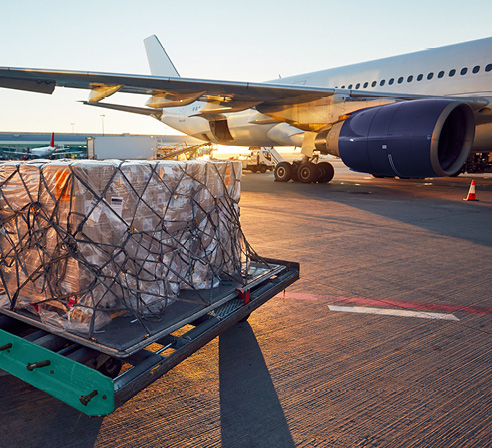
Visibility tools provide insights into vessel movements, transshipment schedules, ETAs, customs milestones, and free-time expiration. Consequently, companies can act early to avoid demurrage.
Best practices include:
- Track shipments through carrier EDI
- Use automated ETA alerts
- Monitor free-time balance inside your TMS
- Sync vessel arrival with warehouse operating hours
- Maintain communication across suppliers, truckers, and import teams
Improved visibility ensures no container sits at the terminal longer than necessary.
What Role Does the Netherlands Port Infrastructure Play in Demurrage Risk?
Rotterdam is among the busiest ports in Europe, and congestion fluctuates throughout the year. Additionally, customs inspections, public holidays, and weekend closures can extend container dwell time.
Major demurrage risk factors include:
- Peak-season congestion
- Customs inspection queues
- Shortage of truckers
- Warehouse booking delays
- Documentation errors
- Strike or holiday disruptions
Although shippers cannot control these factors, they can mitigate them through early planning and flexibility.
How Does Air, Rail, and Sea Freight Compare for Lighting Logistics?
Lighting cargo can technically move by air or rail, but 40GP FCL remains the most cost-effective option for bulk shipments.
Comparison of Shipping Modes
Air vs Rail vs Sea Freight for Lighting
| Mode | Transit Time | Cost Range | Best For | Drawbacks |
|---|---|---|---|---|
| Air Freight | 3–7 days | Highest | Urgent lighting samples, high-value fixtures | Expensive for large shipments |
| Rail Freight | 18–25 days | Moderate | Faster replenishment, mid-sized lighting orders | Routing limitations, capacity fluctuations |
| Sea Freight (40GP FCL) | 28–38 days | Lowest | Bulk lighting, retail stock, construction lighting | Long transit; requires demurrage planning |
Thus, sea freight remains the most practical method when paired with strong demurrage prevention measures.
How to Build an End-to-End Plan for Demurrage Prevention?
A successful demurrage prevention plan covers the entire journey—from China factory pickup to container unloading at the Dutch warehouse.
Key components include:
- Pre-booking based on transit forecasts
- Completing all documents early
- Accurate HS codes for all lighting SKUs
- Confirming warehouse receiving hours
- Securing trucking as soon as ETA is confirmed
- Using visibility tools for real-time updates
- Planning buffer days for customs or port delays
- Ensuring fast unloading for fragile lighting products
When these elements are executed consistently, demurrage becomes highly unlikely.
Conclusion
Demurrage prevention starts with preparation, documentation accuracy, real-time visibility, and synchronized inland logistics. By mastering 40GP FCL demurrage prevention for lighting from China to Netherlands, importers minimize unnecessary costs and ensure smoother supply chain operations. Moreover, proactive planning, strong communication, and early trucking bookings create a reliable logistics workflow that prevents delays. If you need support optimizing lighting shipments, our specialists are ready to help with tailored solutions.
FAQ
1. Why do lighting products often face customs checks in the Netherlands?
Because lighting products involve electronics and safety standards, customs sometimes performs compliance checks. Clear documentation and proper certifications significantly reduce review time.
2. How many free days do carriers normally provide for 40GP containers?
Carriers typically offer 5–7 free days, although some may grant more for contract customers. Early planning ensures the container is collected before charges begin.
3. Can I request additional free time for lighting shipments?
Yes, forwarders can sometimes negotiate extra days. However, approval depends on the season, carrier policy, and shipment volume, so early requests work best.
4. Does Rotterdam experience frequent congestion?
Rotterdam occasionally faces congestion, especially during peak months. Monitoring ETAs and coordinating trucking appointments early helps reduce demurrage exposure.
5. How can I speed up unloading at my warehouse?
Clear labeling, organized pallets, staff readiness, and pre-scheduled receiving slots ensure faster unloading, especially for fragile or bulky lighting products.