

Exporting toys from China to the U.S. is a highly competitive trade, but logistics delays can turn profits into losses. The 40GP FCL detention prevention for toys from China to New York is a key focus for exporters and importers seeking smooth, cost-efficient operations. Detention fees, if unmanaged, can eat into margins and delay deliveries. This guide explains how to avoid those costs, optimize container turnaround, and improve shipping efficiency.
1. What Is 40GP FCL Shipping and Why It Matters for Toy Exports?
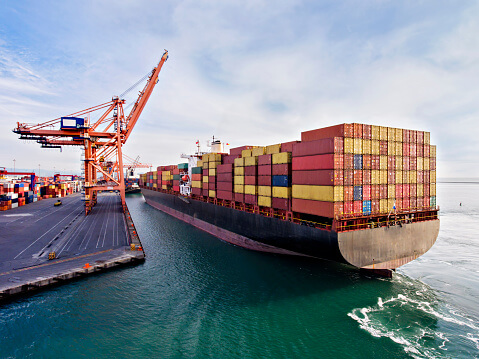
A 40GP FCL (40-foot General Purpose Full Container Load) is one of the most common container types used in toy exports. It provides exclusive use for one shipper, ensuring product safety and better packing flexibility.
Key Benefits for Toy Shippers:
- Exclusive use prevents cross-contamination with other goods.
- Reduces handling damage, especially for fragile or electronic toys.
- Optimizes cost per cubic meter for high-volume exports.
- Aligns with U.S. safety and import compliance for bulk shipments.
By using FCL shipping, toy manufacturers can maintain product integrity and meet tight retail deadlines during seasonal peaks.
2. What Is Container Detention and Why Is It a Problem?
Detention refers to the fee charged when containers are not returned to the carrier within the agreed time after unloading.
For example, carriers typically allow a free time period (e.g., 5–7 days). Any delay beyond this window incurs charges of $100–$200 per day.
Common Causes of Detention:
- Late customs clearance
- Port congestion at New York or Newark terminals
- Incomplete import documentation
- Delayed inland trucking or warehouse space shortages
Understanding and managing these factors is critical to avoiding unnecessary detention costs.
3. How Long Is the Transit Time from China to New York?
The 40GP FCL transit time from major Chinese ports to New York depends on route, carrier, and season.
| Origin Port (China) | Destination (U.S.) | Transit Time (Days) | Service Type | Remarks |
|---|---|---|---|---|
| Shanghai | New York | 32–38 | Direct | Most reliable route |
| Shenzhen | New York | 35–42 | Transshipment | Via Panama Canal |
| Ningbo | New York | 33–39 | Direct | Popular for toy exporters |
| Qingdao | New York | 36–43 | Transshipment | Slightly longer route |
Table 1: Average Transit Time for 40GP FCL Shipping
Advance planning according to these schedules helps align customs and delivery operations for detention prevention.
What are you waiting for?
Contact chinatopfreight for a fast, free quote.
Are you ready to book?
Access live instant freight quotes
4. What Are the Costs Associated with FCL Shipping and Detention?
Managing total logistics cost requires awareness of both freight and detention fees.
| Cost Component | Typical Range (USD) | Details |
|---|---|---|
| Ocean Freight (40GP) | 4,500–6,000 | Seasonal fluctuations apply |
| Port Handling Fees | 200–400 | Loading/unloading charges |
| Customs Clearance | 100–150 | Documentation and inspection |
| Trucking to Warehouse | 300–600 | Distance-dependent |
| Detention Fee | 100–200/day | After free time expires |
Table 2: FCL Shipping and Detention Cost Breakdown
These costs highlight why detention prevention is vital to maintaining profitability.
5. What Are the Main Reasons for Detention in Toy Shipments?
Toy shipments face unique risks in logistics timing due to:
- Complex customs inspections (safety, labeling, product composition).
- Seasonal peaks (especially before Christmas and Black Friday).
- Miscommunication between carriers and consignees.
- Warehouse overflow at destination, delaying container return.
Therefore, clear coordination among forwarders, importers, and truckers is essential.
6. How to Prevent 40GP FCL Detention for Toys from China to New York?
Preventing detention requires proactive planning and communication.
Key Prevention Strategies:
- Pre-clear customs documents before vessel arrival.
- Track vessel ETA and schedule truck pickups in advance.
- Negotiate extended free time with carriers during peak seasons.
- Use real-time shipment tracking tools.
- Work with flexible warehouses that can accept short-notice deliveries.
These measures ensure fast container turnaround and timely returns to the terminal.
7. What Documents Are Needed to Avoid Customs Delays in the U.S.?
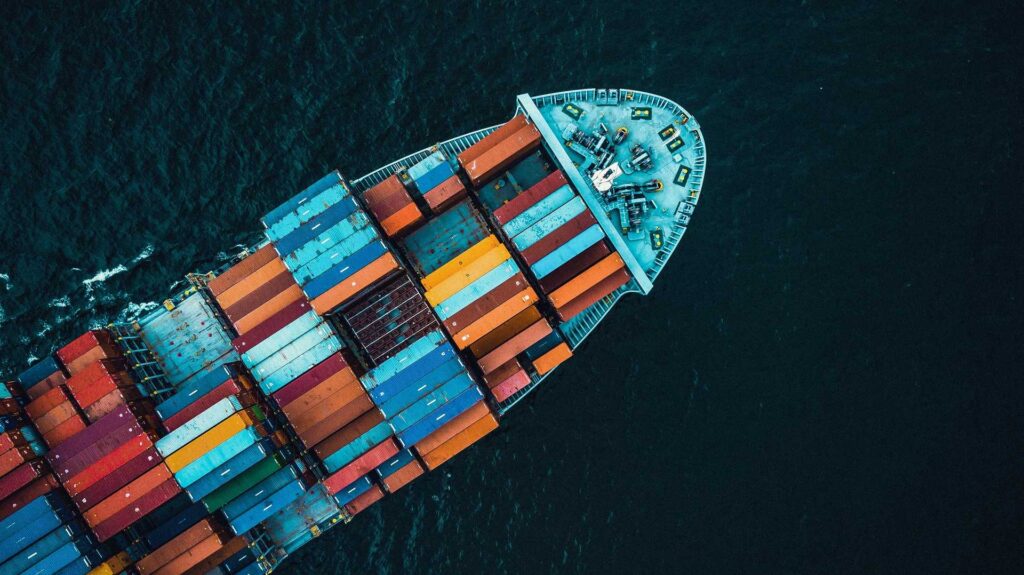
Accurate documentation speeds clearance and reduces detention risk.
| Document | Purpose | Issued By |
|---|---|---|
| Commercial Invoice | Declares product value | Exporter |
| Packing List | Lists contents and weights | Shipper |
| Bill of Lading | Transport contract | Freight Forwarder |
| Importer Security Filing (ISF) | U.S. customs requirement | Importer |
| Certificate of Origin | Confirms country of manufacture | Chamber of Commerce |
| Toy Safety Certificate | Ensures compliance with CPSIA standards | Manufacturer |
Table 3: Required Documents for Toy Shipments
Missing or inaccurate documents often trigger inspections and detention delays.
8. What Role Does Customs Clearance Play in Detention Prevention?
Customs clearance is one of the most time-sensitive steps in FCL logistics.
Delays here can lead directly to detention penalties.
Tips to Streamline Clearance:
- Submit ISF at least 24 hours before vessel loading.
- Use a licensed customs broker familiar with toy regulations.
- Classify products correctly using HTS codes.
- Ensure compliance with U.S. Consumer Product Safety Commission (CPSC) requirements.
Faster clearance means containers can be unloaded and returned before detention costs accrue.
9. How Does Detention Differ from Demurrage?
Many exporters confuse detention and demurrage, but they are separate charges.
| Fee Type | When Charged | Responsible Party | Typical Rate (USD) |
|---|---|---|---|
| Detention | Container kept after leaving terminal | Importer | $100–$200/day |
| Demurrage | Container sits at terminal after free time | Importer | $150–$250/day |
Table 4: Detention vs. Demurrage Fees
Understanding this distinction helps exporters plan both port handling and container return schedules effectively.
10. How Can Freight Forwarders Help Prevent Detention?
A professional freight forwarder like China Top Freight plays a vital role in minimizing detention costs.
Key Services Offered:
- Negotiating longer free time with carriers
- Coordinating customs brokers and truckers
- Providing real-time tracking updates
- Offering warehouse space near destination ports
- Managing documentation and regulatory compliance
Working with an experienced forwarder ensures smoother communication across the logistics chain.
Conclusion
The 40GP FCL detention prevention for toys from China to New York is essential for maintaining cost control and operational efficiency in global trade. By understanding container timelines, preparing documents early, and collaborating with skilled freight forwarders, exporters can minimize delays and avoid penalties. Ultimately, proactive communication and digital tracking remain the strongest tools for ensuring your toy shipments reach New York smoothly—on time, every time.
FAQ
1. How much free time do carriers usually provide for FCL containers?
Most carriers offer 5–7 days of free time after container discharge, though some can extend this period for frequent shippers.
2. What are common reasons for toy shipments being detained?
Incomplete customs documentation, port congestion, or delayed inland transport often cause container detention in U.S. ports.
3. How can I negotiate longer free time with carriers?
Work with an experienced freight forwarder to secure extended free time, especially during peak seasons or for long-distance inland deliveries.
4. Can customs delays be avoided for toy imports?
Yes. Pre-clearing ISF filings, ensuring correct HS codes, and using licensed brokers minimize inspection risks.
5. What happens if a container is detained beyond the free time?
You’ll incur detention fees—typically $100–$200 per day—until the container is returned to the carrier.