

Shipping textile products through international supply chains requires careful handling, accurate documentation, and highly efficient scheduling. Because 40GP FCL detention prevention for textiles from China to Chicago directly impacts logistics costs, importers must proactively manage customs clearance, trucking availability, and warehouse readiness. Moreover, textiles are often shipped in large volumes, meaning delays can create bottlenecks that disrupt production schedules and retail distribution. Therefore, avoiding detention charges is essential for maintaining predictable supply chain performance.
1. What causes detention charges for 40GP textile shipments to Chicago?
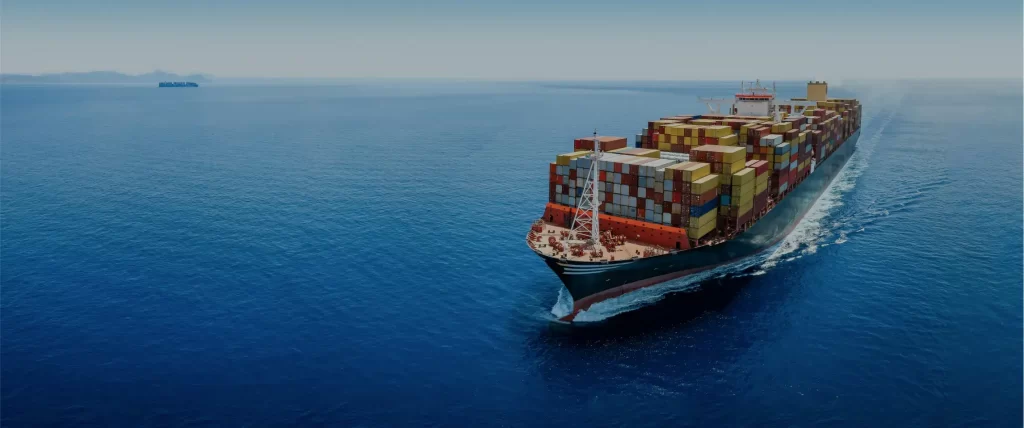
Detention occurs when the shipper or consignee holds the container beyond the carrier’s allowed free time. Delays frequently arise during customs inspections, slow unloading, warehouse congestion, or last-minute trucking issues. Moreover, textiles often arrive in peak seasons, especially ahead of fashion cycles, increasing the risk of congestion. Therefore, identifying the root causes helps importers build preventive systems.
Common Causes
- Incorrect or missing customs documents
- No trucking reserved before vessel arrival
- Warehouse labor shortages
- Weekend cargo rollovers
- Port congestion at Los Angeles or Long Beach (common transshipment routes)
Long-tail keywords included: textile cargo delays USA, FCL free time rules, China-to-Chicago shipping risks, container turnover planning, supply chain disruption prevention.
2. Why is 40GP FCL detention prevention for textiles from China to Chicago so important?
Detention fees accumulate daily and can exceed the value of the container load if not managed properly. Additionally, the textile industry relies on seasonal launches, meaning delays disrupt retail timelines and manufacturing cycles. Moreover, detention exposes companies to unnecessary costs that could have been avoided through better preparation. Therefore, taking a proactive approach ensures consistency and cost predictability.
Semantic keywords: logistics cost management, import/export risk control, container return timelines, supply chain efficiency, Chicago inland freight optimization.
3. How do shipping methods compare for textile imports to Chicago?
Although 40GP FCL is the most common choice for textile shipments, importers often evaluate alternatives for speed or flexibility.
Shipping Method Comparison Table
| Method | Cost Level | Transit Time | Pros | Cons |
|---|---|---|---|---|
| 40GP FCL Sea Freight | Low–Medium | 25–38 days | Best cost efficiency for bulk textiles | Risk of port delays |
| Air Freight | Very High | 3–7 days | Fastest for urgent apparel | Not economical for high-volume textiles |
| Rail Freight | Medium | 15–22 days | Faster to Chicago via West Coast | Price fluctuation during peak |
| LCL Shipping | Medium | 28–45 days | Flexible volume | Possible delays from consolidation |
Long-tail keywords included: sea vs air freight textiles, China–Chicago delivery comparison, textile cargo logistics.
4. How long does it take to ship 40GP FCL textiles from China to Chicago?
Transit time to Chicago typically involves ocean freight to a West Coast port followed by rail or truck transport inland. Additionally, weather patterns and terminal congestion can affect scheduling.
Transit Time Estimates
| China Port | US Port Entry | Final Delivery to Chicago | Total Transit Time |
|---|---|---|---|
| Shanghai | Los Angeles | Rail to Chicago | 25–32 days |
| Ningbo | Long Beach | Rail to Chicago | 26–34 days |
| Qingdao | Oakland | Rail to Chicago | 30–38 days |
| Shenzhen | Los Angeles | Truck/Rail | 27–35 days |
Semantic keywords: cross-country logistics, inland rail transit, Chicago freight delivery timeline.
5. What documents are required to avoid delays for textile shipments?
Proper documentation prevents customs issues that increase detention risk. Textiles often require material declarations, fabric composition details, and country-of-origin verification.
Customs Documentation Checklist
| Document | Purpose | Typical Error |
|---|---|---|
| Commercial Invoice | Declares value & origin | Missing textile HS code |
| Packing List | Cargo breakdown | Weight mismatch |
| Bill of Lading | Shipment record | Wrong consignee details |
| Certificate of Origin | Duty classification | Inconsistent data |
| Importer Security Filing (ISF) | Required before loading | Late submission |
| Textile Compliance Certificates | Fiber safety requirements | Missing ASTM test details |
Long-tail keywords: textile product compliance USA, ISF filing for textiles, Chicago customs processing, fabric safety documents.
What are you waiting for?
Contact chinatopfreight for a fast, free quote.
Are you ready to book?
Access live instant freight quotes
6. How can operational planning ensure 40GP FCL detention prevention for textiles from China to Chicago?
Textile importers require synchronized workflows because handling times differ across varieties (rolls, bales, cartons). Moreover, early planning reduces last-minute scrambling.
Key Operational Strategies
- Pre-book trucking 5 days before ETA
- Prepare warehouse unloading areas
- Schedule staff based on cargo type
- Use real-time container tracking tools
- Share cargo forecasts with forwarders
- Arrange customs clearance before berthing
Long-tail keywords: operational logistics planning, warehouse coordination, textile unloading workflow, trucking optimization.
7. What warehouse readiness practices prevent detention for textile shipments?
Warehouse capacity and labor availability strongly influence container turnaround time. Because textiles come in large volumes, delays in pallet scanning, sorting, or quality checks can quickly extend container usage time.
Warehouse Readiness Requirements
- Dedicated area for textile sorting
- Adequate forklifts and pallet jacks
- Staff trained in handling delicate fabrics
- Pre-printed receiving labels
- Space for returns or damaged goods inspection
Semantic keywords: warehouse workflow optimization, merchandise receiving accuracy, textile damage prevention.
8. How does supply chain forecasting reduce detention risk?
Predictive planning aligns production, export schedules, and inland distribution. Additionally, forecasting helps avoid peak congestion and ensures better coordination with Chicago distributors.
Supply Chain Optimization Tips
- Maintain 30-day and 60-day rolling forecasts
- Track fashion season demand cycles
- Ensure suppliers confirm production lead times
- Use automated scheduling systems
- Plan for holiday congestion at U.S. ports
Long-tail keywords: textile demand forecasting, apparel logistics planning, supply chain predictive analytics.
9. How do cost components affect detention prevention efforts?
Understanding cost drivers helps companies identify where delays are most expensive, allowing better decision-making.
Cost Components Table
| Cost Type | Description | Impact |
|---|---|---|
| Detention Fee | Charged per day after free time | High |
| Demurrage Fee | Port storage | Medium |
| Trucking Rescheduling | Load cancellation fees | Medium |
| Rail Delay Charges | Chicago ramp congestion | High |
| Documentation Corrections | Administrative costs | Low |
Semantic keywords: freight cost analysis, detention and demurrage structure, logistics expense control.
10. Why is choosing the right carrier important for textiles?
Carriers differ in free-time policies, reliability, and inland network strength. Choosing the wrong carrier increases risk of delays at West Coast ports, affecting Chicago delivery timelines.
Carrier Evaluation Factors
- Free time allowance
- Rail partnerships for inland moves
- On-time vessel performance
- Digital tracking capacity
- Customer service response time
Long-tail keywords: carrier performance analysis, inland rail integration, textile cargo reliability.
Conclusion
Effective 40GP FCL detention prevention for textiles from China to Chicago depends on accurate documentation, warehouse readiness, supply chain forecasting, and efficient trucking coordination. Moreover, choosing the right carrier, planning for peak seasons, and using visibility tools significantly reduce detention exposure. By adopting these strategies, importers protect budgets, improve operational reliability, and ensure on-time delivery for textile products across Chicago’s dynamic retail and manufacturing markets.
FAQ
1. How early should I book trucking for textile shipments to Chicago?
Reserve trucking several days before arrival to avoid congestion-related delays and ensure quick container pickup from the ramp.
2. Do textiles require special customs documentation?
Only standard import documents are required, but textile-specific compliance certificates and fiber composition declarations must match product details exactly.
3. Can weather delays affect delivery schedules?
Yes. Severe weather on ocean routes or during inland rail movement may affect timelines and increase detention risk if not planned for.
4. What is the best port for Chicago-bound textile cargo?
Most shipments enter through Los Angeles or Long Beach due to strong rail connections, though Oakland can be beneficial during congestion periods.
5. How can importers reduce demurrage and detention for textiles?
Most shipments enter through Los Angeles or Long Beach due to strong rail connections, though Oakland can be beneficial during congestion periods.