

Managing heavy, oversized, or high-value machinery requires predictable freight costs and reliable transit times. Because machinery shipments often involve strict delivery schedules, inland transportation challenges, and customs compliance requirements, importers are increasingly focused on securing an accurate 40GP FCL freight rate for machinery from China to Texas. With market volatility, capacity shortages, and rising demand in U.S. industrial sectors, understanding how rates are structured and how to optimize them has become essential.
This guide explains how machinery shippers can control costs, compare transport options, and streamline their full container load (FCL) logistics from China to major Texas hubs such as Houston, Dallas, Austin, and San Antonio.
What Factors Determine the 40GP FCL Freight Rate for Machinery to Texas?
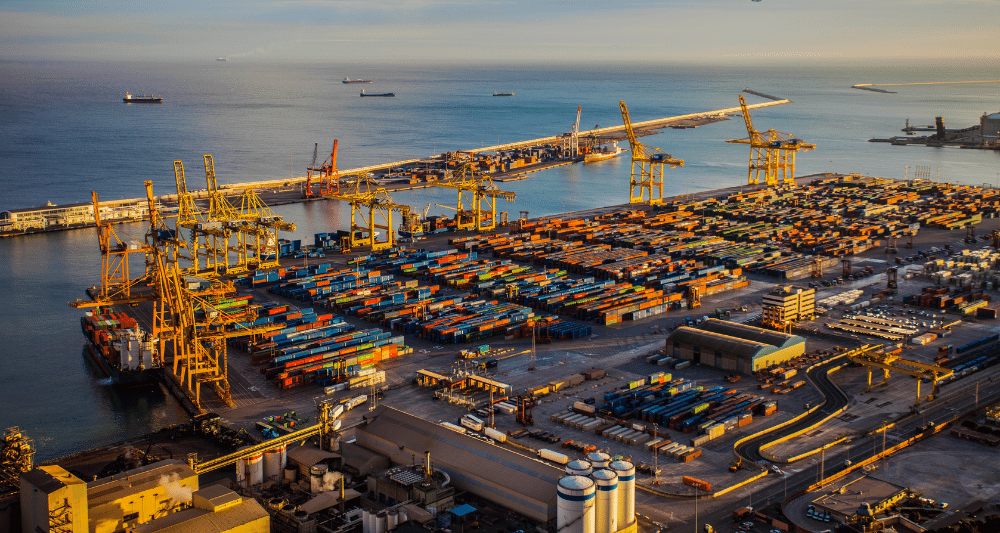
Freight rates fluctuate due to global market trends, fuel costs, seasonal demands, and carrier capacity constraints. Additionally, machinery shipping often involves weight limits, special loading procedures, and equipment restrictions, which increase pricing variability.
Key Rate Determinants
- Port of loading in China (Shenzhen, Shanghai, Qingdao, Ningbo)
- Port of discharge in Texas (Houston is the primary entry point)
- Peak season surcharges
- Bunker Adjustment Factors (BAF)
- Container weight and handling requirements
- Machinery size and packaging structure
- Customs clearance complexity
Understanding these factors helps importers evaluate the true cost of operating their machinery supply chain.
How Does Machinery Type Influence 40GP FCL Pricing?
Machinery varies in weight, dimensions, and packaging. Therefore, carriers apply different cost structures depending on how the machinery is packed and how much space and handling it requires.
Common Machinery Types Shipped to Texas
- Manufacturing machinery
- Industrial automation equipment
- Agricultural machinery
- Construction machinery components
- Oil & gas equipment (common for Texas)
- CNC machines and metalworking units
- Electrical machinery and generators
Because machinery often has high cubic weight or uneven dimensions, shippers must optimize loading plans to maintain cost efficiency.
What Is the Typical Transit Time from China to Texas?
Transit time depends on the departure port and carrier routing. Texas-bound machinery usually arrives through the Port of Houston, which offers strong capacity, stable schedules, and excellent inland connections.
TABLE 1 — Transit Time Estimates (China → Texas)
| China POL | Texas POD | Transit Time | Notes |
|---|---|---|---|
| Shanghai | Houston | 28–32 days | Stable, frequent services |
| Ningbo | Houston | 30–34 days | Popular lane for machinery |
| Shenzhen | Houston | 32–36 days | Slightly longer routing |
| Qingdao | Houston | 33–38 days | May include transshipment |
These timelines support machinery installation planning, production scheduling, and warehouse coordination.
How Much Does a 40GP FCL Freight Rate for Machinery Typically Cost?
Rates fluctuate weekly, but machinery shippers can use average cost ranges for budgeting and comparison. Additionally, machinery requires enhanced securing and special handling, which may slightly increase destination charges.
Common Cost Components
- Ocean freight
- China export fees
- Destination THC
- Customs clearance fees
- AMS + ISF filing
- Trucking to final Texas destination
Mechanics-heavy shipments often incur higher trucking costs due to container weight restrictions.
TABLE 2 — Sample Freight Cost Breakdown (40GP Machinery)
| Cost Category | Typical Range | Responsibility | Notes |
|---|---|---|---|
| Ocean Freight | $2,000–$3,200 | Importer | Seasonal variations |
| Destination THC | $350–$450 | Importer | Houston terminal |
| Inland Trucking | $350–$900 | Importer | Depends on ZIP code |
| Customs Entry | $100–$200 | Importer | Machinery HS codes vary |
These values help importers compare offers and avoid overpaying during peak-season surges.
What are you waiting for?
Contact chinatopfreight for a fast, free quote.
Are you ready to book?
Access live instant freight quotes
What Documentation Is Required for Machinery Imports into Texas?
Machinery requires accurate documentation because customs closely reviews HS codes, power specifications, and product origin. Therefore, preparing documents early improves clearance speed and reduces storage costs.
Common Documentation Needs
- Commercial invoice
- Packing list
- Bill of lading
- HS code declaration
- Owner’s manual or product specifications
- Country of origin
- EPA or FCC documentation for specific machinery types
Errors in documentation frequently delay machinery clearance, leading to demurrage or detention risks.
TABLE 3 — Machinery Import Documentation Checklist
| Document | Required For | Issued By | Notes |
|---|---|---|---|
| Commercial Invoice | Customs Entry | Supplier | Must include machinery specs |
| Packing List | Physical Verification | Supplier | Detail weight & dimensions |
| Bill of Lading | Container Release | Carrier | Telex release recommended |
| HS Code Declaration | Duty Assessment | Importer | Must match machinery type |
Accurate documents reduce inspection probability and speed up clearance.
Why Do Machinery Shipments Face Higher Shipping Risks?
Machinery is valuable, heavy, and often fragile. Therefore, improper handling can result in:
- Structural damage
- Misalignment of precision components
- Cracked casings
- Rust from moisture exposure
- Electrical malfunction
Because machinery is expensive to repair, importers must implement proper packing, loading, and securing procedures.
What Packaging Strategies Reduce Machinery Shipping Costs?
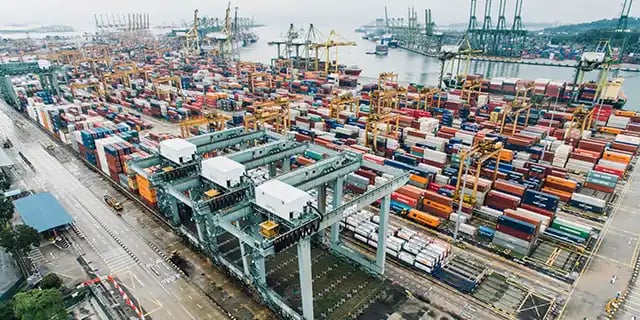
Proper packaging also saves freight cost by improving cubic utilization and reducing wasted space.
Efficient Packaging Tips
- Use reinforced wooden crates
- Shrink-wrap mid-sized components
- Apply moisture-proof barriers
- Use desiccants to reduce condensation
- Disassemble machinery when possible
- Secure with steel straps and blocking materials
Better packaging reduces handling problems and ensures container integrity throughout the journey.
Should You Use FCL Instead of LCL for Machinery to Texas?
Absolutely. Machinery shipments benefit much more from FCL due to:
- Lower damage risk
- Reduced handling
- Faster delivery
- Decreased customs inspections
- Better load control
Machinery shippers almost always prefer full container load for safety and reliability.
How to Reduce Freight Rate Volatility for Machinery Imports?
Although the logistics market fluctuates, importers can reduce price variance through strategic planning.
Rate-Stabilizing Strategies
- Book 2–3 weeks before vessel cut-off
- Use multi-carrier comparisons
- Enter seasonal or annual rate contracts
- Avoid peak shipping periods
- Ship in consolidated supplier batches
- Leverage freight forwarder block space agreements
These methods ensure more predictable freight spend.
How Does Customs Clearance Work For Machinery in Texas?
The U.S. Customs and Border Protection (CBP) enforces strict classification and compliance checks for machinery.
Potential Clearance Challenges
- Incorrect HS codes
- Missing technical manuals
- EPA or DOE compliance issues
- Safety testing requirements
- Random exams at port
Pre-clearing documents and working with experienced brokers significantly reduces clearance delays.
Conclusion
A well-planned 40GP FCL freight rate for machinery from China to Texas strategy ensures predictable costs, reliable delivery schedules, and minimized handling risks. By understanding rate factors, preparing accurate documents, optimizing packaging, and choosing experienced freight partners, importers can secure competitive rates and avoid unnecessary delays. With the right logistics approach, machinery shipments reach Texas safely, efficiently, and within budget—supporting stronger supply chain performance and long-term operational stability.
FAQ
1. How early should I book a 40GP container for machinery?
Booking 2–3 weeks before departure ensures better space availability, stable rates, and smoother coordination with suppliers and trucking partners.
2. Are 40GP containers suitable for heavy machinery?
Yes. They support heavy loads and long machinery pieces, but proper weight distribution, blocking, and bracing are essential for safe transit.
3. Which Texas port is best for machinery imports?
Houston is the primary hub due to its strong infrastructure, high container capacity, and excellent trucking connectivity to all major Texas cities.
4. What increases machinery shipping costs the most?
Oversized dimensions, overweight cargo, and peak-season surcharges significantly increase cost. Proper packaging helps reduce many of these expenses.
5. Does machinery require special customs documents?
Some machinery types require EPA, DOE, or safety compliance documentation. Preparing these in advance reduces inspection risks and clearance delays.