

40GP FCL Sailing Schedule: Auto Parts China to Italy
“Securing a dependable 40GP FCL sailing schedule for auto parts from China to Italy is a critical component of a robust supply chain. Manufacturers and distributors alike face the constant challenge of balancing cost-efficiency with timely delivery. Therefore, understanding the intricacies of this shipping route is essential for maintaining production lines and meeting market demand. For comprehensive logistics solutions, visit China Top Freight.”

Why is a Reliable 40GP FCL Sailing Schedule Crucial for Auto Parts?
❖The automotive industry operates on tight schedules and precise inventory management. Consequently, any disruption to the supply chain can lead to significant financial losses and operational delays. A consistent 40GP FCL sailing schedule directly impacts manufacturing timelines and the availability of aftermarket parts.
Moreover, auto parts, ranging from engine components to chassis frames, often require specific handling and secure transport. Utilizing a full container load (FCL) ensures dedicated space, minimizing the risk of damage and contamination during transit. This dedicated capacity is vital for delicate or high-value shipments.
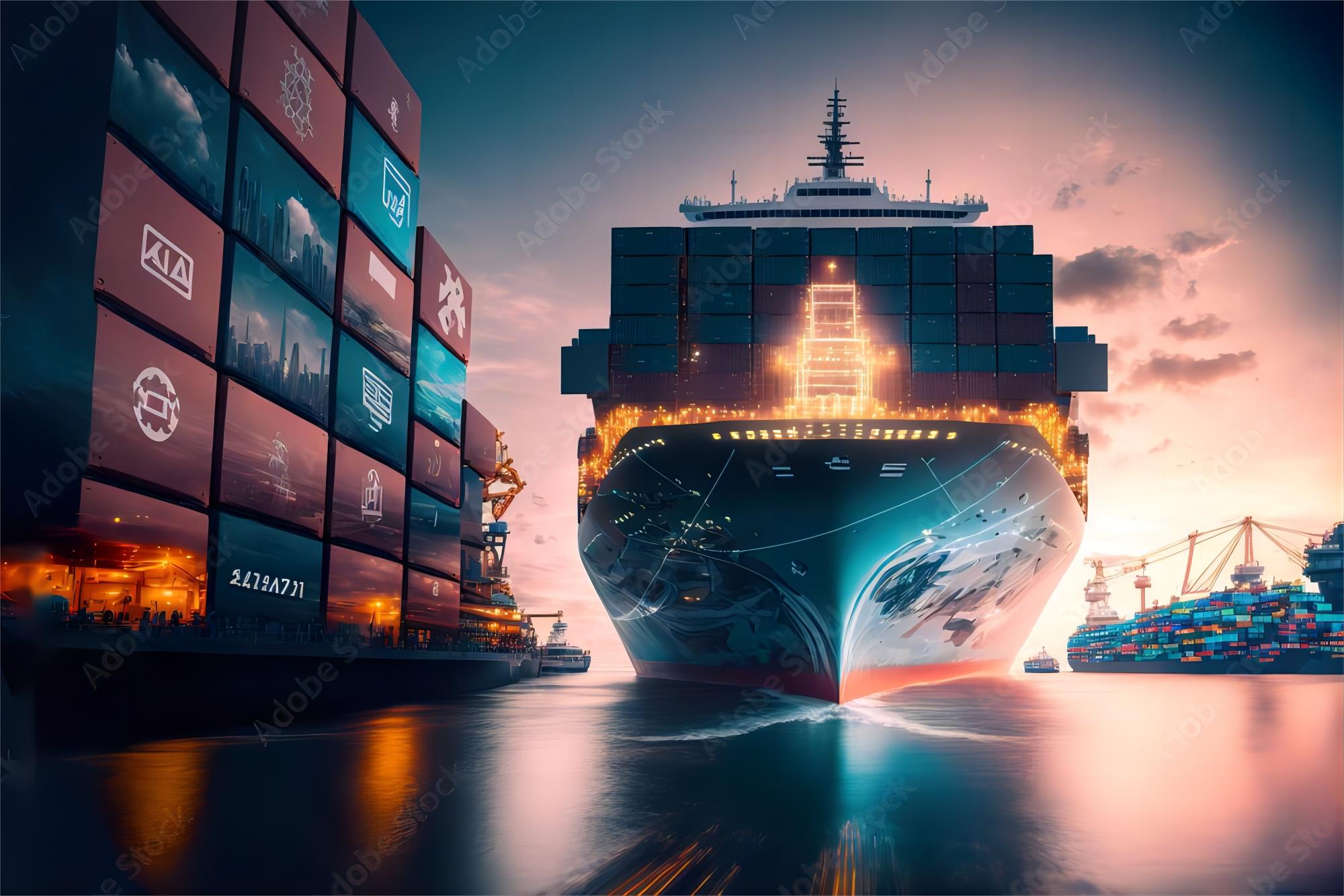
Furthermore, predictable delivery schedules enable businesses to optimize their warehousing and distribution networks in Italy. This foresight helps in reducing storage costs and improving overall operational efficiency. Therefore, understanding and leveraging reliable schedules is paramount for success.

Understanding 40GP FCL Shipping from China to Italy
❖A 40GP FCL, or 40-foot General Purpose Full Container Load, refers to shipping an entire 40-foot container dedicated solely to your cargo. This method is ideal for larger shipments of auto parts, offering cost-effectiveness per unit when volume is high. Shipping from China to Italy typically involves major ports.
Specifically, key Chinese ports like Shanghai, Ningbo, Shenzhen, and Qingdao serve as primary loading points. In Italy, Genoa, Livorno, and Venice are common ports of discharge. The selection of these ports significantly influences the overall transit time and freight rates.
Indeed, the route often spans the Suez Canal, making it a critical choke point for global trade. Current market conditions, including geopolitical factors, can impact sailing schedules and transit durations. Planning accordingly is always recommended.
| Port of Loading (China) | Port of Discharge (Italy) | Typical Transit Time | Key Features |
|---|---|---|---|
| Shanghai | Genoa | 30-35 days | Largest port, extensive global connections |
| Ningbo | Livorno | 32-37 days | High volume for manufacturing regions |
| Shenzhen | Venice | 35-40 days | Gateway for Southern China, good rail links |
| Qingdao | Naples | 38-42 days | Northern China access, growing capacity |
Key Factors Influencing Your Auto Parts Sailing Schedule
❖Several elements collectively determine the efficiency and predictability of your 40GP FCL sailing schedule. Firstly, the choice of shipping carrier plays a significant role, as major lines offer varying service levels and route frequencies. Secondly, the specific port combination can alter transit times by several days.
Consequently, seasonal demand and major holidays, such as Chinese New Year, can lead to increased freight rates and potential delays. Port congestion at either end of the journey also impacts the overall delivery schedule. It is wise to consider these variables when planning your shipments.
Furthermore, vessel capacity and space availability are crucial, especially during peak seasons. Booking in advance secures your slot and potentially better rates. For reliable and efficient sea freight solutions, working with an experienced forwarder is invaluable. They can navigate these complexities effectively.
How Does FCL Compare to Other Shipping Options for Auto Parts?
❖When shipping auto parts from China to Italy, businesses often weigh the benefits of Full Container Load (FCL) against other available methods. Each option presents distinct advantages and disadvantages concerning cost, speed, and cargo suitability. Making an informed decision is vital for supply chain optimization.
For instance, while FCL offers dedicated space and cost efficiency for large volumes, alternatives like Less than Container Load (LCL), rail freight, and air freight cater to different logistical needs. Understanding these differences helps in selecting the most appropriate shipping strategy for specific auto parts.
Below is a comparison to help illustrate the trade-offs involved in various shipping methods from China to Italy as of Q1 2025. These ranges are typical but subject to market fluctuations and specific service choices.
| Shipping Method | Cost Range (40GP equivalent) | Transit Time (China to Italy) | Best For | Limitations |
|---|---|---|---|---|
| Sea FCL | $2,800-4,200 | 30-40 days | Large volumes, cost-effective, non-urgent | Longer transit times, port congestion |
| Sea LCL | $50-80/CBM | 35-45 days | Small volumes (under 15 CBM), flexible | Longer transit, more handling, potential delays |
| Rail Freight | $8,000-12,000 | 18-25 days | Medium urgency, high value, larger volumes | Limited routes/terminals, less capacity than sea |
| Air Freight | $15,000-25,000 | 5-7 days | Urgent, high-value, small-to-medium parts | Highest cost, volume/weight restrictions |
When to Choose FCL vs. LCL for Auto Parts
FCL is generally preferred for shipments exceeding 15-20 CBM (cubic meters) or when cargo integrity is paramount. It offers faster transit times compared to LCL because there’s no need for consolidation or deconsolidation at transshipment points. This directness reduces handling and potential for damage.
Conversely, LCL is more economical for smaller volumes, typically under 15 CBM, as you only pay for the space your cargo occupies. However, LCL shipments often entail longer transit times due to the additional logistics involved in combining multiple shippers’ goods. Consider your volume and urgency carefully.
Considering Rail Freight and Air Freight for Auto Parts
Rail freight, specifically the China-Europe Railway Express, offers a viable middle ground between sea and air freight in terms of speed and cost. For auto parts, it provides a faster transit time than sea freight (around 18-25 days to Italy) at a significantly lower cost than air freight. This makes rail freight an increasingly popular option for certain types of auto components.
Nevertheless, air freight remains the fastest option, delivering auto parts in 5-7 days. It is, however, the most expensive, typically reserved for urgent, high-value, or time-sensitive components. When production lines are at risk of stopping, air freight can be a lifesaver, despite the higher cost. The trade-off between speed and expense is critical here.
Navigating Customs and Documentation for Auto Parts to Italy
❖Importing auto parts into Italy from China requires meticulous attention to customs regulations and documentation. Improper paperwork can lead to significant delays, fines, and storage fees at the port of discharge. Therefore, understanding the requirements beforehand is crucial for a smooth process.
Key documents typically include the Commercial Invoice, Packing List, Bill of Lading, and Certificate of Origin. Furthermore, specific auto parts might require additional certifications, such as conformity declarations or safety standards compliance. It is imperative to ensure all documentation is accurate and complete.
Working with experienced customs brokerage services can streamline this complex process. They can help classify your goods, calculate duties and VAT, and ensure compliance with Italian and EU import regulations. This expertise minimizes risks and accelerates clearance.
Optimizing Your 40GP FCL Sailing Schedule and Supply Chain
❖Optimizing your 40GP FCL sailing schedule involves more than just selecting a carrier; it encompasses a holistic approach to your supply chain. Firstly, proactive planning is key. Booking space well in advance, especially during peak seasons, helps secure favorable rates and avoids last-minute rushes. This foresight provides stability.
Secondly, consider leveraging technology for real-time tracking and visibility of your shipments. Advanced logistics platforms offer insights into vessel positions and estimated arrival times, allowing for better inventory planning. Such tools empower businesses to react quickly to potential disruptions.
Moreover, consolidating orders from multiple suppliers into a single 40GP FCL can significantly reduce per-unit shipping costs. A reputable freight forwarder can assist with this consolidation, managing multiple pickups and ensuring efficient loading. This strategy maximizes container utilization.
Finally, opting for comprehensive door-to-door services simplifies the entire process. This service covers everything from pickup at the factory in China to final delivery at your warehouse in Italy, including customs clearance and inland transportation. It offers convenience and reduces coordination efforts.
Real-World Scenarios: 40GP FCL Auto Parts Shipments to Italy
❖To illustrate the practicalities of shipping auto parts, let’s examine a few real-world scenarios. These examples highlight typical costs, transit times, and challenges encountered when managing a 40GP FCL sailing schedule from China to Italy. Based on Q1 2025 market rates, these provide a realistic perspective.
Case Study 1: High-Volume Engine Components
This case study demonstrates a standard FCL shipment of heavy, high-volume auto parts. The goal was cost-efficiency over absolute speed, prioritizing reliable delivery for a continuous production line. The chosen route minimized transshipments for directness.
| Category | Details |
|---|---|
| Route | Shenzhen, China -> Genoa, Italy |
| Cargo | Engine blocks and cylinder heads, 58 CBM, 22,000 kg |
| Container | 40GP FCL |
| Shipping Details | Carrier: COSCO, Port of Loading: Shenzhen, Port of Discharge: Genoa, Route Type: Direct |
| Cost Breakdown (Estimated) | Ocean Freight: $3,500, Origin Charges: $450, Destination Charges: $550, Customs & Duties (estimated): $1,200, Total Landed Cost: $5,700 |
| Timeline (Estimated) | Booking to Loading: 5 days, Sea Transit: 32 days, Customs Clearance: 3 days, Total Door-to-Door: 40 days |
| Key Insight | Direct service minimized delays, but pre-booking was crucial during peak season to secure space and avoid rate hikes. |
Case Study 2: Urgent Aftermarket Parts
This scenario involved a European distributor needing a rapid resupply of fast-moving aftermarket auto parts. While FCL was used for volume, carrier selection prioritized faster transit times, even if slightly more expensive. The focus was on minimizing stock-out periods.
| Category | Details |
|---|---|
| Route | Shanghai, China -> Livorno, Italy |
| Cargo | Brake pads, filters, and suspension parts, 60 CBM, 18,000 kg |
| Container | 40GP FCL |
| Shipping Details | Carrier: Maersk, Port of Loading: Shanghai, Port of Discharge: Livorno, Route Type: Transshipment via Singapore |
| Cost Breakdown (Estimated) | Ocean Freight: $3,800, Origin Charges: $500, Destination Charges: $600, Customs & Duties (estimated): $1,500, Total Landed Cost: $6,400 |
| Timeline (Estimated) | Booking to Loading: 7 days, Sea Transit: 35 days, Customs Clearance: 4 days, Total Door-to-Door: 46 days |
| Key Insight | Transshipment added a few days but offered a more competitive rate for the specific carrier and route chosen, balancing cost and speed effectively. |
Case Study 3: Large Chassis Component Shipments
This example details the shipment of bulky, sensitive auto chassis components requiring careful handling. The primary concern was cargo security and avoiding damage during transit, which FCL inherently provides. The chosen port offered specialized handling facilities.
| Category | Details |
|---|---|
| Route | Ningbo, China -> Venice, Italy |
| Cargo | Automotive chassis frames, 62 CBM, 15,000 kg |
| Container | 40GP FCL |
| Shipping Details | Carrier: MSC, Port of Loading: Ningbo, Port of Discharge: Venice, Route Type: Direct |
| Cost Breakdown (Estimated) | Ocean Freight: $3,700, Origin Charges: $480, Destination Charges: $580, Customs & Duties (estimated): $1,350, Total Landed Cost: $6,110 |
| Timeline (Estimated) | Booking to Loading: 6 days, Sea Transit: 33 days, Customs Clearance: 3 days, Total Door-to-Door: 42 days |
| Key Insight | Direct service to a smaller, specialized port like Venice reduced inland transport costs in Italy and ensured careful handling of oversized cargo. |
Which Shipping Option Should You Choose for Your Auto Parts?
❖Selecting the optimal shipping method for your auto parts from China to Italy depends on a combination of factors. Consider your budget, the urgency of the shipment, the nature of the cargo, and the overall volume. Each of these criteria guides you towards the most suitable solution.
If budget is your primary concern, Sea FCL or LCL will offer the most cost-effective solution, albeit with longer transit times. For time-sensitive deliveries where speed is paramount, air freight is the undeniable choice, despite its higher cost. Rail freight provides a balanced option for moderate urgency.
For large volumes of non-urgent, durable auto parts, 40GP FCL sea freight is almost always the best value. However, for smaller, high-value, or fragile components, LCL might be considered if the volume does not justify an FCL, or air freight if speed is critical. Always align the shipping method with your specific business needs.
Conclusion: Mastering Your 40GP FCL Sailing Schedule for Auto Parts
Effectively managing the 40GP FCL sailing schedule for auto parts from China to Italy is a complex yet achievable task. By understanding key factors like port selection, carrier reliability, customs procedures, and alternative shipping methods, businesses can significantly enhance their supply chain efficiency. Proactive planning and leveraging expert logistics partners are essential for predictable and cost-effective deliveries.
Ultimately, a well-executed logistics strategy ensures that critical auto parts arrive on time, supporting manufacturing operations and meeting market demands across Italy. Continuous monitoring of market trends and freight rates further refines this process. Get a current quote tailored to your specific shipment, as freight rates are subject to change based on fuel costs, carrier capacity, and seasonal demand.
Ready to streamline your logistics?
Ready to optimize your 40GP FCL sailing schedule for auto parts from China to Italy? Contact us today for a personalized quote and expert guidance tailored to your specific logistics requirements. Our team is prepared to assist you with efficient and reliable shipping solutions.
Request Quote