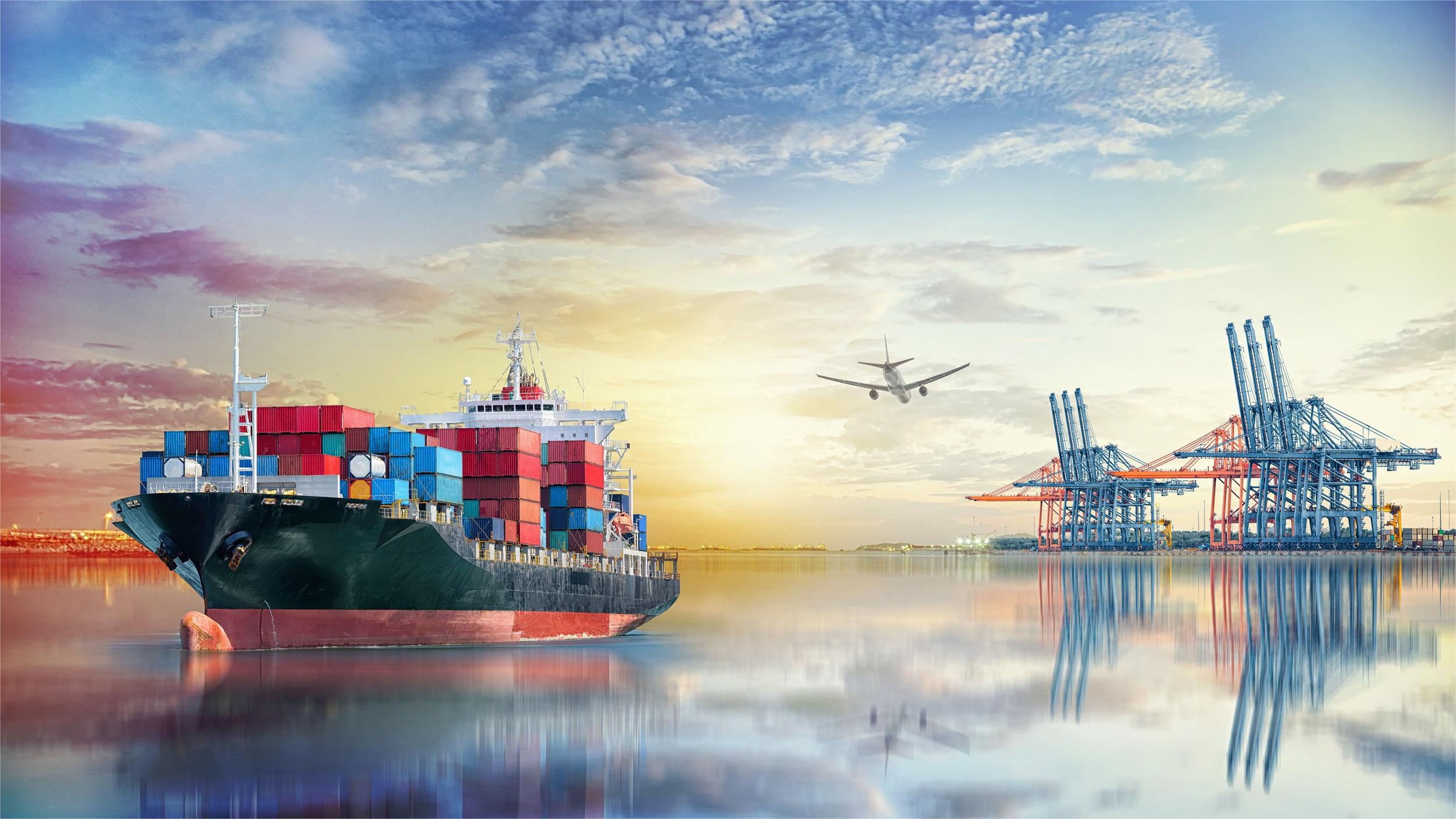
40GP FCL Sailing Schedule for Toys: China to California
Navigating the complexities of international shipping for your toy business can be challenging. Securing a reliable 40GP FCL sailing schedule for toys from China to California is crucial for maintaining inventory and meeting market demand. This comprehensive guide, brought to you by China Top Freight, will simplify the process, offering insights into optimizing your supply chain and ensuring timely deliveries.
Understanding the 40GP FCL Sailing Schedule for Toys from China to California
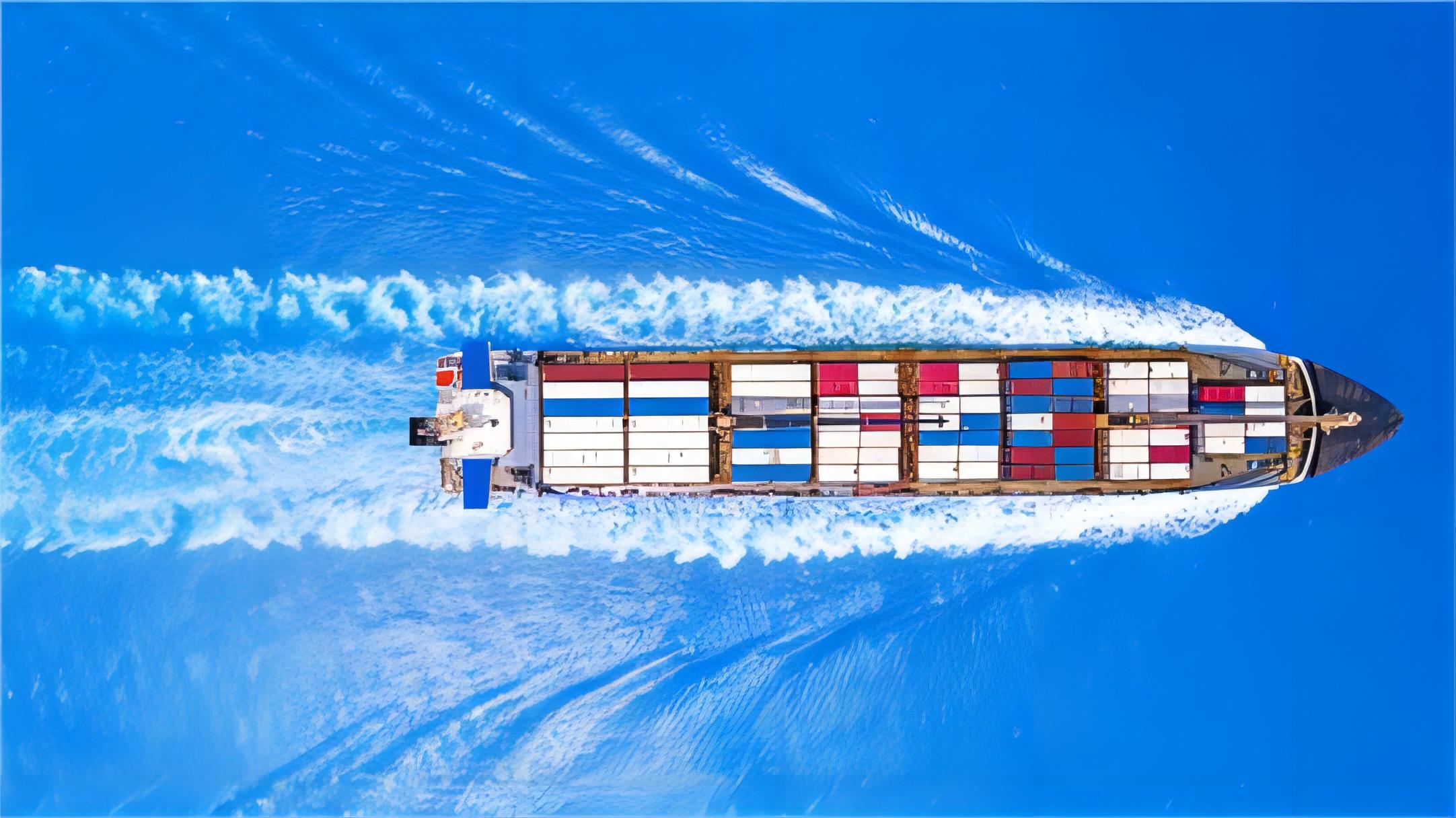
When importing toys, especially in bulk, a 40GP Full Container Load (FCL) from China to California is often the most economical choice. This method ensures your goods are the sole contents of the container, reducing handling and transit risks. Understanding the typical sailing schedule is the first step towards effective logistics planning.
Generally, the transit time for a 40GP FCL sailing schedule from major Chinese ports like Shanghai, Ningbo, or Shenzhen to key California ports such as Los Angeles (LA) or Long Beach (LB) ranges from 14 to 25 days. However, several factors can influence this timeframe significantly. Therefore, meticulous planning is essential for toy importers.
Why Choose 40GP FCL for Your Toy Shipments?
Opting for a 40GP FCL offers distinct advantages for businesses importing toys. Primarily, it provides greater security and reduces the risk of damage compared to Less than Container Load (LCL) shipments. Your cargo remains undisturbed from origin to destination, minimizing potential issues.
Moreover, FCL shipping often presents a more cost-effective solution for larger volumes. The per-unit cost decreases significantly, which is particularly beneficial for high-volume products like toys. This method also allows for more predictable delivery schedules, crucial for inventory management and seasonal sales peaks.
How Does 40GP FCL Compare to Other Shipping Options?
Choosing the right shipping method for your toy imports impacts both cost and delivery speed. While this article focuses on the 40GP FCL sailing schedule for toys from China to California, it is beneficial to consider alternatives. Each option has unique trade-offs concerning freight rates, transit time, and cargo suitability.
For instance, sea freight is generally the most economical for bulk shipments, but it has the longest transit times. Air freight, conversely, offers speed but at a significantly higher cost. Therefore, a comprehensive comparison helps in making an informed decision for your supply chain.
| Shipping Method | Cost Range (40GP equivalent) | Transit Time (China-CA) | Best For | Limitations |
|---|---|---|---|---|
| 40GP FCL Sea Freight | $2,500 – $3,800 | 14-25 days | Large volume, cost-sensitive, non-urgent | Longer transit, port congestion risks |
| LCL Sea Freight | $50 – $80 per CBM | 18-30 days | Smaller volume, flexible budget | Increased handling, potential delays, higher per CBM rate |
| Air Freight | $15,000 – $25,000 | 3-7 days | Urgent, high-value, small volume | Very high cost, limited cargo size |
| Sea-Air Hybrid | $8,000 – $15,000 | 10-15 days | Mid-urgency, moderate volume | More complex logistics, higher than sea freight |
Key Factors Influencing Your China to California Sailing Schedule
The estimated transit time for your 40GP FCL sailing schedule for toys from China to California is subject to various external and internal factors. Understanding these can help you manage expectations and plan more effectively. This includes port congestion, seasonal demand, and carrier availability.
Furthermore, global events and logistics trends, such as container shortages or fuel price fluctuations, can impact both freight rates and delivery schedules. Therefore, staying informed about market conditions is vital for successful import operations.
Port Congestion and Peak Seasons
Ports on both the Chinese and Californian sides can experience congestion, leading to delays. Peak shipping seasons, typically before major holidays like Christmas or Chinese New Year, also significantly impact sailing schedules. During these times, booking well in advance is highly recommended.
Moreover, rates tend to increase by 15-25% during August-October peak season, affecting your overall shipping costs. Planning ahead can mitigate these challenges, ensuring your toy shipments arrive on time and within budget.
Carrier Selection and Service Routes
The choice of shipping carrier and their specific service routes can also affect transit times. Some carriers offer direct services, while others utilize transshipment points, potentially adding several days to the journey. A direct route, while sometimes slightly more expensive, can save 5-7 days compared to transshipment.
Additionally, premium services might guarantee faster transit, but at an increased cost. Evaluating these options based on your urgency and budget is crucial for optimizing your 40GP FCL sailing schedule.
Navigating the Process: Booking Your FCL Shipment
Successfully booking your 40GP FCL sailing schedule for toys from China to California involves several steps. Beginning with selecting a reliable freight forwarder, the process then moves to cargo preparation and documentation. A professional forwarder can streamline these procedures.
They will assist with vessel booking, container loading arrangements, and tracking your shipment. This end-to-end support ensures a smoother experience, allowing you to focus on your core business operations. Consider partnering with experts in door to door logistics for maximum convenience.
Documentation and Customs Clearance
Accurate and complete documentation is paramount for seamless customs clearance in California. Key documents include the Commercial Invoice, Packing List, Bill of Lading, and any necessary permits or certifications for toys. Incomplete paperwork can lead to significant delays and additional costs.
Engaging a reputable customs brokerage service is highly advisable. They possess the expertise to navigate complex import regulations, ensuring compliance and preventing unforeseen issues. This greatly simplifies the import process into North America.
| Document | Purpose | Requirement |
|---|---|---|
| Commercial Invoice | Details of goods, value, seller/buyer | Mandatory for customs valuation |
| Packing List | Itemized list of contents, weight, dimensions | Aids in cargo inspection and handling |
| Bill of Lading (B/L) | Contract between shipper and carrier, title to goods | Proof of shipment and ownership |
| Customs Bond | Guarantees payment of duties/taxes | Required for imports over a certain value |
| Certificates (e.g., CPC) | Compliance with safety standards for toys | Crucial for toy imports to the US |
Case Studies: Successful Toy Shipments to California
Examining real-world examples can provide valuable insights into managing your 40GP FCL sailing schedule for toys from China to California. These case studies highlight typical challenges and successful strategies employed by toy importers. They demonstrate practical applications of efficient logistics.
Case Study 1: Seasonal Plush Toy Import
This shipment involved a large volume of plush toys for the upcoming holiday season, requiring meticulous planning to avoid peak season delays. The client prioritized cost-effectiveness while ensuring timely arrival for retail distribution. Effective communication and early booking were key.
| Detail | Description |
|---|---|
| Route | Ningbo, China Los Angeles, USA |
| Cargo | Plush Toys, 68 CBM, 9,500 kg |
| Container | 40GP FCL |
| Shipping Details | Carrier: COSCO, Port of Loading: Ningbo, Port of Discharge: Los Angeles, Route Type: Direct |
| Cost Breakdown (Based on Q3 2024 market rates) | Ocean Freight: $3,100, Origin Charges: $450, Destination Charges: $550, Customs & Duties (estimated): $800, Total Landed Cost: $4,900 |
| Timeline | Booking to Loading: 5 days, Sea Transit: 16 days, Customs Clearance: 3 days, Total Door-to-Door: 24 days |
| Key Insight | Early booking (3 months prior) secured favorable rates and avoided significant peak season surcharges, ensuring on-time delivery for holiday sales. |
Case Study 2: Educational Toy Consolidation
A client needed to consolidate various educational toy products from multiple suppliers in Shenzhen. The goal was to optimize container space and streamline the supply chain to a major fulfillment center in California. This required careful coordination of pickups.
Furthermore, utilizing an Amazon FBA preparatory service at origin ensured products were ready for direct entry into Amazon’s network, saving time and costs on repackaging at destination.
| Detail | Description |
|---|---|
| Route | Shenzhen, China Long Beach, USA |
| Cargo | Educational Toys (mixed), 60 CBM, 8,200 kg |
| Container | 40GP FCL |
| Shipping Details | Carrier: Maersk, Port of Loading: Shenzhen, Port of Discharge: Long Beach, Route Type: Direct |
| Cost Breakdown (Typical rates as of early 2025) | Ocean Freight: $3,300, Origin Charges: $500, Destination Charges: $600, Customs & Duties (estimated): $950, Total Landed Cost: $5,350 |
| Timeline | Booking to Loading: 7 days (including multi-supplier pickup), Sea Transit: 18 days, Customs Clearance: 4 days, Total Door-to-Door: 29 days |
| Key Insight | Consolidating from multiple factories into a single 40GP FCL container significantly reduced overall shipping costs and simplified customs processing. Using a freight forwarder with strong local presence was crucial. |
Optimizing Your Supply Chain for Toy Imports
An optimized supply chain is fundamental for the profitability and efficiency of any toy import business. This involves more than just finding the cheapest 40GP FCL sailing schedule for toys from China to California. It encompasses a holistic approach to logistics.
Consider aspects like inventory management, warehousing, and last-mile delivery. Efficient planning minimizes storage costs, reduces lead times, and improves customer satisfaction. Therefore, a strategic partner can provide significant value.
Cost-Saving Strategies and Trade-offs
To reduce shipping costs, consider booking during off-peak seasons when freight rates are typically lower. Additionally, optimizing container loading can maximize space utilization, reducing the per-unit shipping expense. Negotiating long-term contracts with carriers or forwarders can also secure better rates.
However, these strategies might involve trade-offs, such as longer lead times or less flexibility. Balancing cost savings with desired speed and reliability is a critical decision for every importer. A thorough analysis of your needs is recommended.
Decision Framework: Which Option Should You Choose?
Selecting the ideal shipping method depends on your specific business priorities. A clear decision framework helps in making the most appropriate choice for your toy imports. This framework considers budget, urgency, and cargo characteristics.
For example, if budget is your top priority, a standard 40GP FCL sea freight service is generally the best recommendation. Conversely, if speed is paramount, air freight or a sea-air hybrid solution would be more suitable, despite the higher cost.
| Priority | Recommendation | Considerations |
|---|---|---|
| Budget Priority | Standard 40GP FCL Sea Freight | Longer transit times (14-25 days), potential port delays |
| Speed Priority | Air Freight or Sea-Air Hybrid | Significantly higher cost, faster delivery (3-15 days) |
| Cargo Type (Fragile/High Value) | 40GP FCL (Direct Service) | Reduced handling, enhanced security, less risk of damage |
| Volume Threshold (Small) | LCL Sea Freight | Cost-effective for under 15 CBM, but more handling and potential delays |
Market Insights and Future Trends in Freight Shipping
The global freight market is constantly evolving, with trends directly impacting the 40GP FCL sailing schedule for toys from China to California. As of Q1 2025, freight rates from China to the USA West Coast have stabilized after the 2024 Red Sea disruptions, though regional factors can still cause volatility. Therefore, continuous monitoring is advised.
Industry experts predict continued emphasis on supply chain resilience and digitalization. This means more transparent tracking, improved data analytics, and potentially new shipping routes or multimodal solutions. Keeping abreast of these changes allows businesses to adapt and thrive.
Secure Your 40GP FCL Sailing Schedule for Toys from China to California
Effectively managing your 40GP FCL sailing schedule for toys from China to California is critical for the success of your business. By understanding the key factors, comparing shipping options, and leveraging expert services, you can ensure a smooth and efficient import process. Proactive planning and a reliable logistics partner are invaluable.
Ultimately, a well-executed shipping strategy leads to reduced costs, timely inventory, and satisfied customers. Partner with experienced freight forwarders to navigate the complexities of international trade with confidence.
Need a tailored shipping solution?
Ready to optimize your toy imports? Contact China Top Freight today for a personalized quote and expert advice on your 40GP FCL sailing schedule from China to California. Our team is prepared to offer efficient and cost-effective shipping solutions tailored to your needs.