

Shipping electronics internationally requires precise cost planning, and the 40GP FCL shipping cost for electronics from China to Sweden is one of the most frequently analyzed topics for importers. Since electronics are sensitive, high-demand, and time-critical, many businesses face challenges such as unpredictable freight rates, long transit times, port congestion, and rising customs-related expenses. However, with the right information and preparation, you can control costs, reduce delays, and build a more efficient supply chain.
1. What Affects the 40GP FCL Shipping Cost for Electronics from China to Sweden?
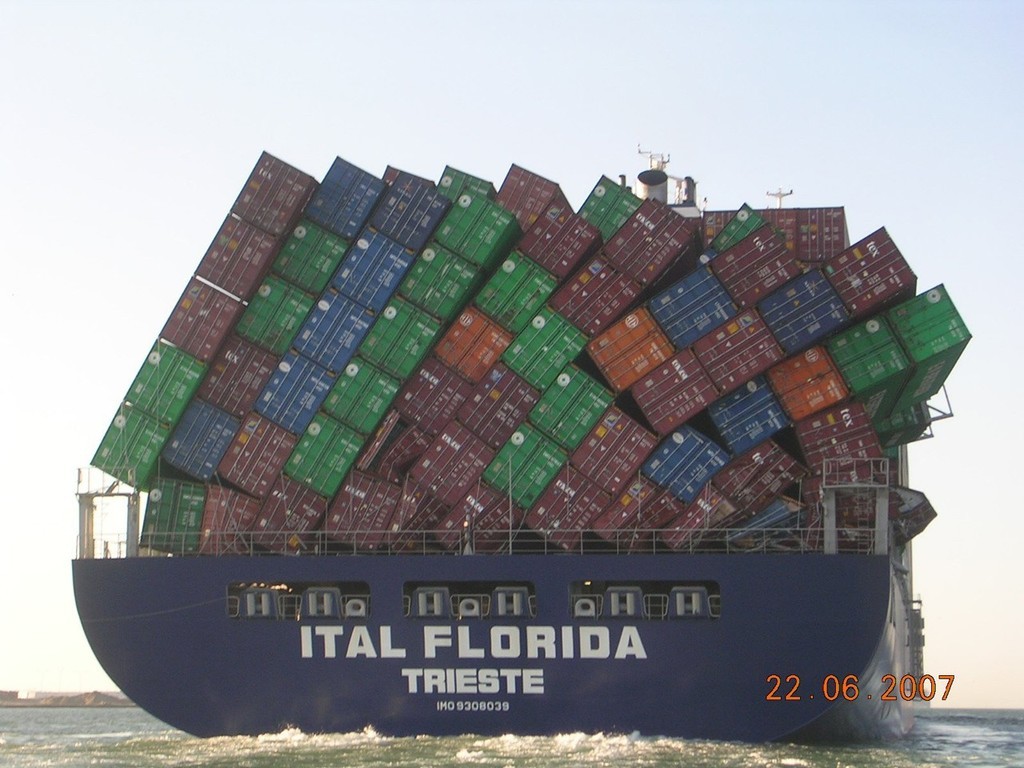
The 40GP FCL shipping cost for electronics from China to Sweden depends on multiple variables. However, costs can be managed effectively if each cost driver is understood early.
Moreover, electronics often require reinforced packaging, moisture protection, and stable handling, which further influence the price.
Common cost factors include:
- Ocean freight market rates
- Seasonal rate fluctuations
- Port congestion or equipment shortages
- Distance between origin and destination ports
- Surcharges such as PSS, BAF, CAF, ENS
- Customs fees and inspection fees
- Fuel rate adjustments
- Export handling at Chinese ports
- Import VAT and duty in Sweden
Because electronics shipments are high-value, many customers additionally pay for insurance, reinforced pallets, humidity control bags, and anti-shock protection, which can increase the final landed cost.
2. How Much Does 40GP FCL Shipping Cost from China to Sweden?
Although freight rates change weekly, the 40GP FCL shipping cost generally falls within predictable ranges.
Additionally, Sweden’s port infrastructure—Göteborg (Gothenburg) being the main gateway—helps maintain stable rates.
Estimated 40GP FCL Pricing
| Cost Component | Typical Range | Notes |
|---|---|---|
| Base Ocean Freight | $2,000–$3,200 | Seasonal and carrier-dependent |
| Origin Charges (China) | $350–$550 | Export clearance + trucking |
| Destination Charges (Sweden) | $450–$700 | Port handling + documentation |
| Insurance (Electronics) | 0.2%–0.6% cargo value | Recommended |
| Optional Services | $50–$250 | Pallets, labeling, fumigation |
These ranges apply when shipping from Shenzhen, Ningbo, Shanghai, Qingdao, and Xiamen to Gothenburg, Malmö, or Stockholm (via feeder).
3. What Shipping Method Should Electronics Importers Choose?
Since you selected B (no rail), this comparison includes only:
- Sea Freight (FCL 40GP)
- Air Freight
Comparison Table — Sea vs Air for Electronics
| Category | FCL Sea Freight | Air Freight |
|---|---|---|
| Cost | Low | Very High |
| Transit Time | Slow (28–38 days) | Fast (3–7 days) |
| Suitable Cargo | All electronics | Urgent/high-value |
| Volume Capacity | Very high | Limited |
For large electronics shipments—such as monitors, computer accessories, household appliances, speakers, power tools, LED panels—40GP FCL is the most cost-effective option.
4. What Is the Typical Transit Time for a 40GP FCL from China to Sweden?
Transit time matters because electronics often follow strict retail cycles.
Therefore, planning shipping windows correctly prevents stockouts or costly air freight last-minute bookings.
Typical Sea Transit Time (40GP FCL)
| China Port | Sweden Port | Transit Time |
|---|---|---|
| Shanghai | Gothenburg | 30–36 days |
| Ningbo | Gothenburg | 32–38 days |
| Shenzhen | Gothenburg | 28–34 days |
| Qingdao | Gothenburg | 33–40 days |
Transit time varies depending on:
- Carrier route (direct or transshipment)
- Port congestion in Europe
- Seasonal weather disruptions
- Container availability
5. Why Electronics Importers Prefer 40GP FCL for This Route?
Importers choose 40GP FCL for several compelling reasons:
- Lower unit cost per cubic meter
- Less chance of damage compared to LCL
- Faster handling at ports
- Control over container loading
- No risk of mixing fragile electronics with incompatible cargo
- Reduced customs clearance complexity
Moreover, electronics often come in large volumes, making 40GP more efficient than 20GP or multiple LCL shipments.
What are you waiting for?
Contact chinatopfreight for a fast, free quote.
Are you ready to book?
Access live instant freight quotes
6. What Documents Are Required When Shipping Electronics to Sweden?
Shipping electronics requires accurate documentation to avoid inspections, penalties, or delays.
Additionally, Sweden is strict with product certifications and compliance for electronics.
Mandatory Documents Checklist
| Document | Required | Notes |
|---|---|---|
| Commercial Invoice | Yes | Must match packing list |
| Packing List | Yes | Detailed weight/volume info |
| Bill of Lading | Yes | Ocean B/L or Telex Release |
| CE Certification | Yes | Mandatory for electronics |
| HS Code Declaration | Yes | Avoid customs mismatch |
| Insurance Certificate | Recommended | Especially for electronics |
Incorrect HS codes or undervaluation may trigger audits or inspections in Sweden.
7. How to Reduce the 40GP FCL Shipping Cost Effectively?
Importers can reduce costs significantly by focusing on planning, consolidation, and timing.
Effective strategies include:
- Book 2–3 weeks in advance
- Avoid Golden Week, Christmas, and EU peak seasons
- Use flexible sailing schedules
- Optimize packaging to reduce wasted space
- Consolidate orders from multiple suppliers
- Choose ports with stable handling fees
- Verify customs documents early
- Purchase cargo insurance in China (cheaper than in Europe)
Moreover, working with an experienced China freight forwarder often reduces hidden destination fees.
8. What Are the Main Risks When Shipping Electronics in FCL Containers?
Risk assessment is important due to the high value and fragile nature of electronics.
Common risks include:
- Moisture damage (humidity inside the container)
- Shock and vibration during ocean movement
- Power surges during warehouse storage
- Theft at transshipment ports
- Delay due to customs inspections
Using desiccant packs, anti-static bags, foam protection, humidity cards, and quality pallets significantly reduces damage.
9. Should Importers Buy Insurance for 40GP Electronics Shipments?
For electronics, the answer is always yes, because even small damages can create large financial losses.
Insurance protects you from:
- Container accidents
- Water damage
- Fire
- Theft
- Mis-handling
- General average claims
Premiums are low compared to potential losses, and most buyers use “All-Risk” coverage.
10. Can Air Freight Be Used Instead of FCL for Electronics?
Yes—but only for urgent or small shipments.
Air freight is suitable for:
- Smartphones
- Laptops
- High-value components
- Spare IC parts
- Replacement electronics for retail stores
However, due to high cost—sometimes 8–15 times the price of sea freight—air freight is used sparingly.
Conclusion
The 40GP FCL shipping cost for electronics from China to Sweden depends on freight rates, packaging needs, customs requirements, and seasonal fluctuations. However, by planning ahead, optimizing documentation, and choosing stable carriers and ports, importers can achieve predictable costs and reliable delivery schedules. Shipping electronics in a 40GP container remains the most efficient solution, offering high volume, lower per-unit cost, and strong protection throughout the journey.
FAQ
1. How early should I book a 40GP FCL shipment from China to Sweden?
Booking at least 2–3 weeks ahead helps avoid peak-season delays and ensures stable rates, especially when electronics volume is high.
2. Are customs duties high for electronics imported into Sweden?
Duties vary by HS code, but VAT at 25% applies to nearly all electronics. Proper HS coding prevents unexpected inspections or fines.
3. Do Swedish ports handle electronics efficiently?
Yes, especially Gothenburg. It offers advanced container facilities, stable handling speed, and reliable customs processing for electronics cargo.
4. Can I ship mixed electronics in one 40GP container?
Yes. As long as all products comply with CE regulations and documentation is accurate, mixed electronics shipments are fully allowed.
5. Is palletizing required when shipping electronics?
Palletizing is recommended for easier handling and damage prevention. Many buyers also request reinforced or fumigated pallets.