

40GP FCL Shipping Cost for Lighting from China to Germany
Calculating the 40GP FCL shipping cost for lighting from China to Germany is a fundamental step for businesses managing international supply chains. At China Top Freight, we recognize that lighting fixtures are often high-volume yet delicate items that require precise logistics planning to ensure safety and cost-efficiency. Consequently, understanding the various factors that influence freight rates allows importers to make informed decisions and maintain competitive pricing in the European market. This guide provides a comprehensive breakdown of current market trends, shipping methods, and practical strategies to manage your ocean freight expenses effectively.
Factors Influencing 40GP FCL Shipping Cost for Lighting from China to Germany
Several variables determine the final price you pay for a full container load. For instance, the distance between the port of loading in China and the port of discharge in Germany plays a significant role in fuel consumption and carrier pricing. Furthermore, seasonal demand fluctuations can cause rates to surge during peak periods such as the months leading up to the Chinese New Year or the year-end holiday season.

Fuel surcharges, often referred to as the Bunker Adjustment Factor, represent another dynamic cost component. Carriers adjust these fees based on global oil price shifts, which can lead to monthly variations in your shipping budget. Additionally, port congestion in major hubs like Shanghai or Hamburg can result in unexpected detention and demurrage charges if the container is not moved promptly.
Specific cargo requirements for lighting products also impact the total expense. Since many lighting fixtures contain glass or sensitive electronics, specialized packing and careful sea freight handling are necessary to prevent breakage. Therefore, investing in high-quality export packaging might increase initial costs but significantly reduces the risk of expensive insurance claims and product loss.
How Does Sea Freight Compare to Other Shipping Options?
Evaluating different transportation modes is essential for optimizing your delivery schedule and budget. While a 40GP container offers vast space for bulky lighting shipments, it may not always be the most appropriate choice depending on your deadline. For example, rail freight has emerged as a popular alternative for those seeking a balance between speed and cost.
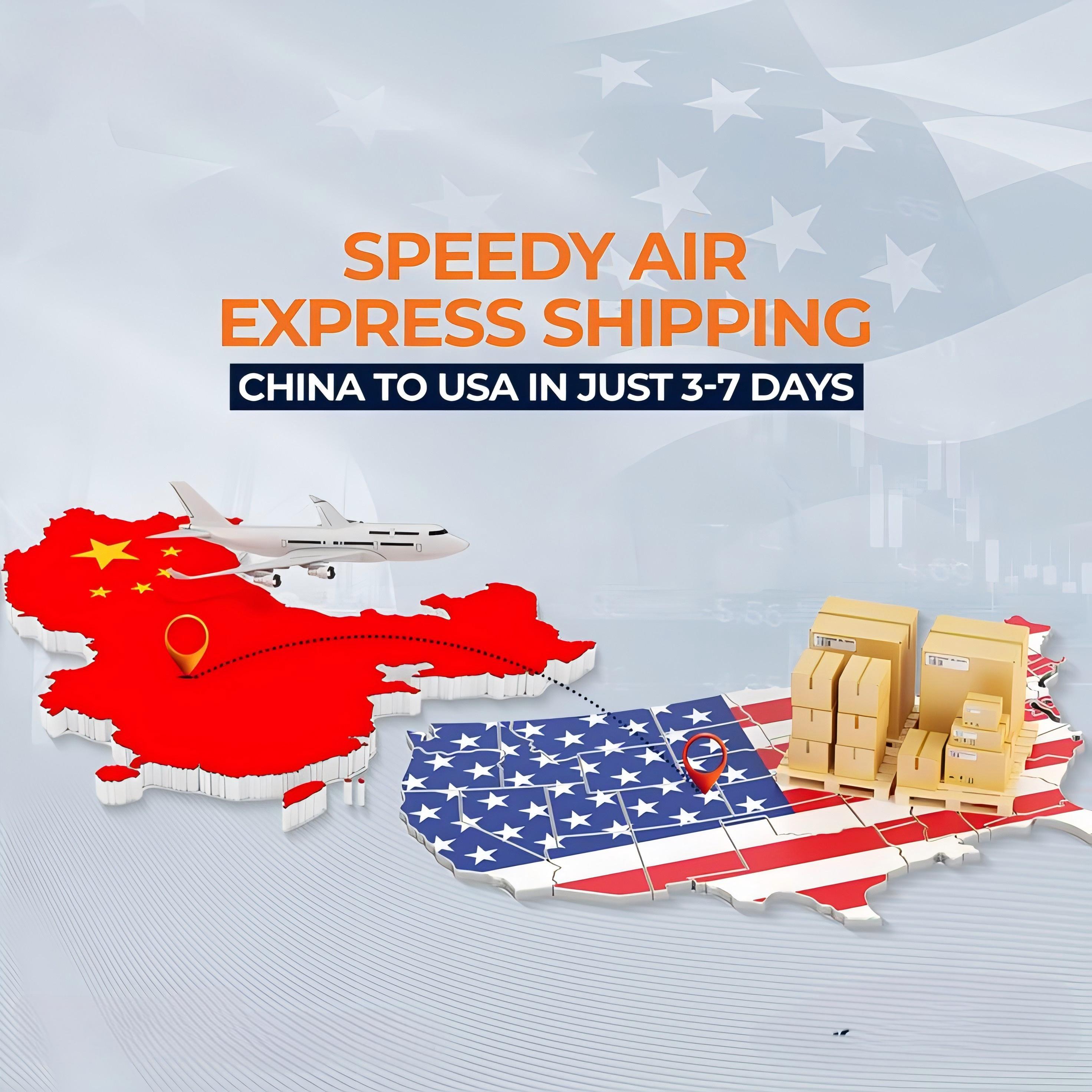
Air freight remains the fastest option for urgent orders or high-value designer lighting. However, the cost per kilogram is substantially higher than ocean transport, making it less viable for large-scale inventory replenishment. In contrast, sea freight provides the lowest cost per unit for high-volume shipments, which is why it remains the industry standard for the lighting sector.
Hybrid solutions, such as sea-air combinations, are also available for specific logistics scenarios. These strategies involve shipping goods by sea to a mid-way hub and then completing the journey via air to save time without the full expense of direct air transport. Nevertheless, for a standard 40GP container, direct ocean routes usually offer the most predictable pricing structure.
| Shipping Method | Cost Range (40GP/Equiv) | Transit Time | Best For |
|---|---|---|---|
| Sea Freight (FCL) | $2,800 – $4,200 | 30 – 45 Days | Large volumes and bulk stock |
| Rail Freight | $4,500 – $6,500 | 18 – 25 Days | Mid-range urgency and budget |
| Air Freight | $15,000 – $25,000 | 5 – 8 Days | Urgent or high-value samples |
| LCL Shipping | $50 – $120 per CBM | 35 – 50 Days | Small batches under 15 CBM |
Transit Times and Route Options for Lighting Shipments
Shipping routes from China to Germany primarily target major northern ports such as Hamburg, Bremerhaven, and Wilhelmshaven. Generally, a direct vessel from Shenzhen or Ningbo to Hamburg takes approximately 30 to 35 days under normal maritime conditions. Meanwhile, shipments originating from inland cities may require additional trucking time to reach the coastal ports.
Weather conditions and geopolitical events can influence these timelines significantly. For instance, disruptions in the Red Sea may force carriers to reroute around the Cape of Good Hope, adding 10 to 15 days to the standard transit time. Consequently, importers must build a buffer into their supply chain planning to account for these potential delays.
Choosing the right port of entry in Germany can also affect the final delivery speed to your warehouse. If your distribution center is located in Southern Germany, you might consider routing the cargo through Mediterranean ports like Trieste or Koper and then using rail freight for the final leg. This approach can sometimes shave several days off the total transit time compared to the traditional northern route.
Understanding Customs Duties and Taxes for Lighting
Importing lighting fixtures into Germany involves navigating the European Union’s complex customs regulations. Specifically, you must identify the correct Harmonized System (HS) code for your products to determine the applicable duty rates. Most LED lighting fixtures carry duty rates ranging from 0% to 4.7%, but these can change based on the specific components and origin.
Value Added Tax (VAT) is another critical consideration for your landed cost. In Germany, the standard VAT rate is 19%, which is calculated based on the CIF (Cost, Insurance, and Freight) value plus the import duty. Therefore, failing to account for these taxes can lead to significant discrepancies in your financial projections.
Professional customs brokerage services are highly recommended to ensure compliance and avoid costly penalties. Brokers assist in preparing the necessary documentation, such as the Commercial Invoice, Packing List, and CE Certification, which is mandatory for electronics sold within the EU. Indeed, having accurate paperwork is the best way to prevent your 40GP container from being held at the border.
Case Study 1: Large Scale LED Project from Shenzhen to Hamburg
Case Study 1: Commercial Lighting Rollout. Route: Shenzhen, China to Hamburg, Germany. Cargo: Commercial LED Panels, 65 CBM, 12,000 kg. Container: 40GP FCL. Shipping Details: Major carrier via Suez Canal. Port of Loading: Shenzhen (Yantian). Port of Discharge: Hamburg. Route Type: Direct. Cost Breakdown: Ocean Freight: $3,150. Origin Charges: $450. Destination Charges: $600. Customs and Duties: $1,200. Total Landed Cost: $5,400. Timeline: Booking to Loading: 4 days. Sea Transit: 33 days. Customs Clearance: 2 days. Total Door-to-Door: 42 days. Key Insight: Early booking during the off-peak season saved the client approximately 15 percent on ocean freight costs.
Case Study 2: Urgent Inventory Replenishment via Rail
Case Study 2: Seasonal Retail Stock. Route: Chengdu, China to Duisburg, Germany. Cargo: Decorative Holiday Lighting, 60 CBM, 8,500 kg. Container: 40GP FCL. Shipping Details: China-Europe Railway Express. Port of Loading: Chengdu Rail Terminal. Port of Discharge: Duisburg Terminal. Route Type: Direct Rail. Cost Breakdown: Rail Freight: $5,800. Handling Fees: $750. Customs and Duties: $950. Total Landed Cost: $7,500. Timeline: Loading to Departure: 3 days. Rail Transit: 19 days. Customs Clearance: 3 days. Total Door-to-Door: 28 days. Key Insight: Although the rail freight was more expensive than sea, the faster transit allowed the retailer to meet the holiday demand without using high-cost air freight.
Which Option Should You Choose? Decision Framework
Selecting the right shipping strategy depends on your specific business priorities and the nature of your lighting products. If your primary goal is cost minimization for stable, year-round inventory, then sea freight remains the superior choice. This method allows you to maximize the 67 cubic meter capacity of a 40GP container, bringing the shipping cost per unit to its lowest possible point.
Speed priority dictates a different approach. When you are facing a strict project deadline or a stock-out situation, rail freight or even LCL air shipments may be necessary despite the higher costs. Moreover, if your cargo volume is less than 15 cubic meters, you should evaluate whether a full container is truly necessary or if Less than Container Load (LCL) options would be more economical.
Cargo type also influences the decision. Heavy industrial lighting might be better suited for sea freight due to weight restrictions on other modes. Conversely, high-end, fragile chandeliers might benefit from the smoother handling and shorter transit times of air or rail services. Ultimately, a door to door service can simplify the process regardless of the mode chosen.
Cost-Saving Strategies for FCL Shipping
Implementing smart logistics strategies can significantly reduce your 40GP FCL shipping cost for lighting from China to Germany. One effective method is to optimize your packaging dimensions to ensure you are utilizing every available inch of the container space. Since lighting often involves a lot of empty space inside boxes, using nested packaging or bulk-packing components can increase the total number of units per shipment.
Negotiating long-term contracts with freight forwarders can also provide price stability. While spot rates fluctuate daily, a service contract can protect you from sudden price hikes during the peak season. Additionally, consolidating shipments from multiple suppliers into a single 40GP container can help you avoid the higher per-unit costs associated with multiple LCL shipments.
Timing your shipments is equally important. Whenever possible, avoid shipping in the two weeks preceding the Golden Week or the Lunar New Year, as rates typically hit their highest points during these times. Instead, aim to ship during the slack season, typically in late Q1 or early Q2, when carriers are more likely to offer competitive discounts to fill their vessels.
Final Thoughts on Shipping Lighting to Germany
Successfully navigating the 40GP FCL shipping cost for lighting from China to Germany involves more than just finding the lowest rate. It requires a holistic view of the supply chain, including transit times, customs compliance, and cargo safety. By understanding the market dynamics and utilizing the right shipping modes, you can significantly enhance your profit margins.
Whether you choose the cost-effectiveness of sea freight or the speed of rail, partnering with an experienced freight forwarder is essential. As market conditions continue to evolve in 2025, staying informed and flexible will be your greatest advantage in the competitive lighting industry. Remember to always verify current rates and regulations before finalizing your shipping plans.
Ready to streamline your logistics?
Managing the 40GP FCL shipping cost for lighting from China to Germany requires expertise and local knowledge. Contact China Top Freight today to receive a customized quote and expert guidance on your next shipment. Visit our website to learn more about our comprehensive logistics solutions. Send Inquiry: https://chinatopfreight.com/
Request Quote