

40GP FCL Shipping Cost for Medical Equipment from China to USA
Understanding the 40GP FCL shipping cost for medical equipment from China to USA is crucial for importers. This process involves numerous variables, from fluctuating freight rates to stringent regulatory compliance. Consequently, navigating these complexities requires expert knowledge and careful planning to ensure a smooth, cost-effective, and timely delivery of sensitive medical devices. China Top Freight offers comprehensive solutions for your international logistics needs.
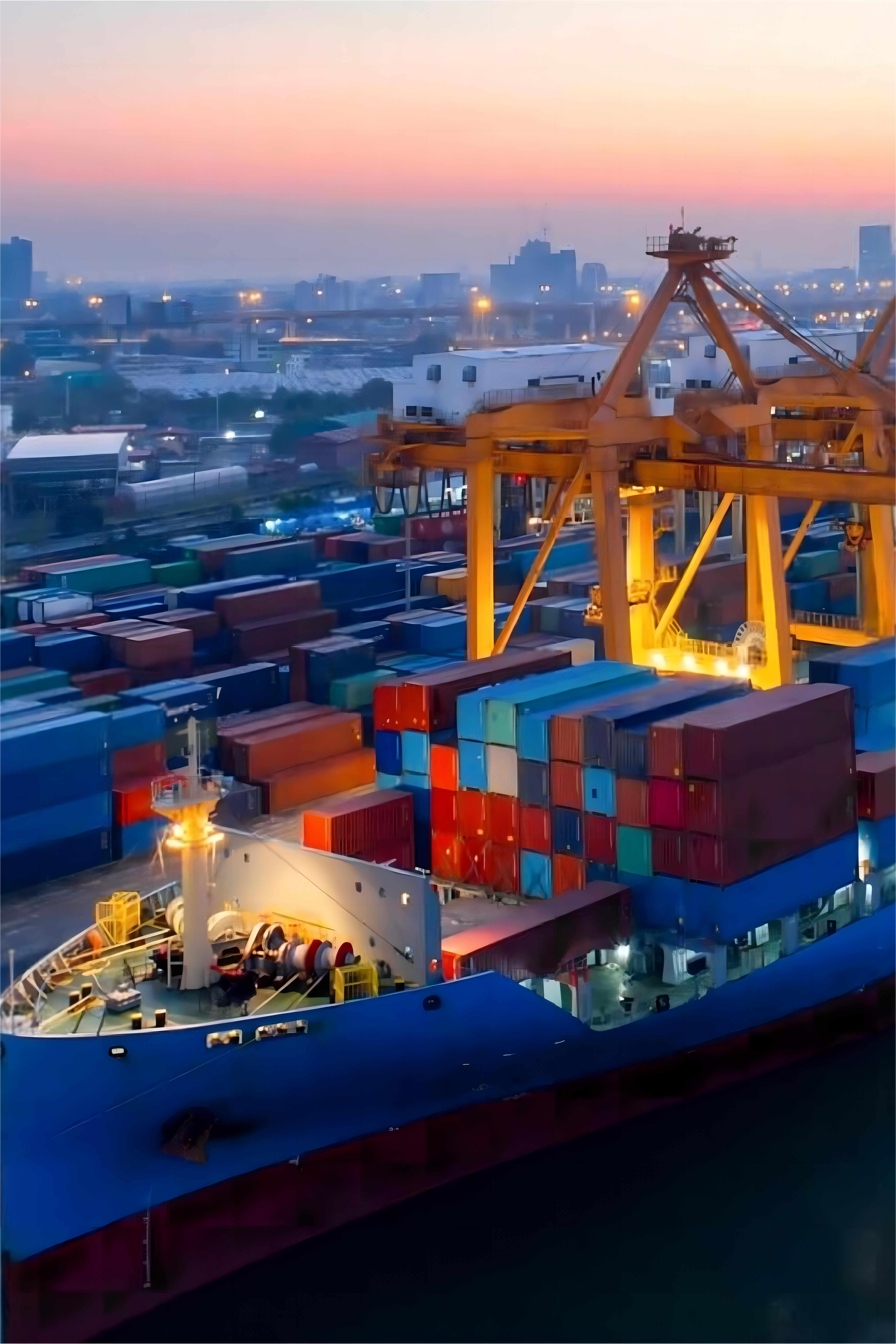
Understanding 40GP FCL Shipping for Medical Equipment
A 40GP (General Purpose) FCL (Full Container Load) shipment means your cargo occupies an entire 40-foot container. This method is ideal for larger volumes of goods, particularly sensitive items like medical equipment. Utilizing FCL ensures dedicated space, minimizing handling and potential damage during transit.
Choosing FCL for medical devices offers several advantages. Firstly, it provides enhanced security and reduces the risk of contamination or damage from co-loaded cargo. Moreover, it often results in lower per-unit costs compared to LCL (Less than Container Load) for significant volumes, streamlining your supply chain management.
Key Factors Influencing 40GP FCL Shipping Cost
Several critical elements collectively determine the total 40GP FCL shipping cost from China to the USA. These factors include direct freight charges, various port fees, and necessary customs expenses. Understanding each component is essential for accurate budgeting and avoiding unexpected costs.
Ocean Freight Rates
Ocean freight rates are the primary component of your shipping expense. These rates fluctuate based on market demand, fuel costs, carrier capacity, and seasonal peaks. For instance, rates typically increase significantly before major holidays like Chinese New Year or during peak shipping seasons like Q3 and Q4. Your chosen port of loading in China and port of discharge in the USA also influence these costs.
Furthermore, the specific route, whether direct or involving transshipment, impacts the base rate. Direct routes, while often more expensive, typically offer faster transit times and fewer handling risks. Therefore, securing a quote well in advance is always recommended to lock in favorable rates.
Origin Charges and Local Transport
Before your container even leaves China, several origin charges apply. These typically include terminal handling charges (THC), documentation fees, customs declaration fees, and sometimes drayage (transport from factory to port). The complexity and location of your supplier in China will affect local transport costs. For example, inland factories will incur higher trucking fees to reach a major port like Shanghai or Shenzhen.
Additionally, any special handling requirements for medical equipment, such as specific packing or loading procedures, might add to these initial costs. Ensuring all these charges are transparently itemized in your quote prevents surprises.
Destination Charges and Delivery
Upon arrival in the USA, destination charges mirror many of the origin fees. These include destination terminal handling charges, customs clearance fees, and potentially demurrage or detention if the container is not picked up promptly. Local drayage from the US port to your final warehouse or distribution center is another significant cost. Consequently, the distance from the port of discharge to your facility directly impacts this segment of the expense.
Moreover, depending on your Incoterms, these charges might fall to either the shipper or the consignee. Therefore, clearly defining these responsibilities upfront is vital for both parties. Planning for efficient offloading and return of the container can help mitigate potential detention fees.
Customs Duties, Taxes, and Compliance
Importing medical equipment into the USA involves specific customs duties and taxes, which can vary widely based on the Harmonized System (HS) code of your products. Furthermore, compliance with FDA regulations is mandatory for all medical devices. Failure to meet these requirements can lead to significant delays, penalties, or even rejection of your shipment. Therefore, accurate classification and thorough documentation are non-negotiable.
It is crucial to budget for these potential costs and ensure all regulatory paperwork is meticulously prepared. Consulting with a knowledgeable Customs Brokerage firm is highly advisable to navigate these complex requirements effectively.
Freight Insurance and Value-Added Services
While optional, freight insurance is highly recommended for valuable cargo like medical equipment. It provides financial protection against loss or damage during transit, which can occur due to unforeseen circumstances like accidents or natural disasters. The cost of insurance is typically a small percentage of the cargo’s value. Moreover, consider value-added services such as specialized handling, temperature control, or real-time tracking, which might be critical for certain medical devices. These services, while increasing the overall cost, offer peace of mind and safeguard your investment. Consequently, evaluating the risk versus the cost of these services is an important step in logistics planning.
Typical 40GP FCL Shipping Cost from China to USA
The 40GP FCL shipping cost for medical equipment from China to USA can vary significantly based on current market conditions and specific routes. As of early 2025, rates have generally stabilized, though regional fluctuations persist. Below is an estimated breakdown for common routes to the USA, providing a realistic range for your budgeting.
These figures represent ocean freight and associated port charges, excluding duties, taxes, or specific medical compliance fees. Always remember that these are estimates, and actual costs depend on numerous factors at the time of booking. Consequently, obtaining a current quote is always recommended.
| Route (China to USA) | Estimated 40GP FCL Cost | Approx. Transit Time | Key US Ports |
|---|---|---|---|
| East Coast (e.g., New York, Savannah) | $4,000 – $5,800 | 30 – 38 days | New York, Savannah, Norfolk |
| West Coast (e.g., Los Angeles, Long Beach) | $2,500 – $3,800 | 14 – 20 days | Los Angeles, Long Beach, Seattle |
| Gulf Coast (e.g., Houston) | $3,800 – $5,500 | 28 – 35 days | Houston, New Orleans |
Transit Times and Delivery Schedules
Transit times for 40GP FCL shipments from China to the USA are influenced by the specific ports and chosen shipping lines. West Coast ports like Los Angeles and Long Beach typically offer the fastest transit, ranging from 14 to 20 days. Conversely, East Coast and Gulf Coast ports involve longer journeys, often taking 30 to 38 days, due to the greater distance and potential for canal transits.
Moreover, factors such as port congestion, weather conditions, and vessel schedules can impact delivery. For example, during peak seasons or unforeseen global events, delays are more common. Therefore, building buffer time into your logistics plan is a wise strategy for medical equipment imports.
Major Routes and Ports
Key Chinese ports for medical equipment exports include Shanghai, Shenzhen, Ningbo, and Qingdao. These ports offer extensive connections to major US gateways. On the US side, Los Angeles/Long Beach, Seattle/Tacoma, New York/New Jersey, Savannah, and Houston are primary receiving points. Choosing the right port combination can significantly affect both cost and speed.
For instance, shipping to the US West Coast and then utilizing rail freight for inland distribution can sometimes be faster than an all-ocean route to the East Coast. However, this multimodal approach adds complexity and requires careful coordination.
Factors Affecting Transit Time
Beyond geographical distance, several operational factors can prolong transit times. These include port congestion at both origin and destination, which can cause vessels to wait before berthing. Additionally, customs processing times in the USA, especially for regulated medical goods, can add days to the overall schedule. Carrier service reliability also plays a role; some carriers offer premium services with guaranteed transit times.
Furthermore, unexpected events like severe weather or mechanical issues with the vessel can lead to delays. Therefore, selecting a reputable freight forwarder with strong carrier relationships is paramount for mitigating these risks.
Navigating Customs and Regulations for Medical Equipment
Importing medical equipment into the USA is a highly regulated process, primarily governed by the Food and Drug Administration (FDA). Compliance is not optional; it is a critical prerequisite for successful entry. Consequently, importers must be acutely aware of all relevant regulations to avoid costly delays and potential legal issues.
Meticulous preparation of documentation and adherence to specific labeling and quality standards are essential. Therefore, proactive engagement with regulatory requirements is fundamental to a smooth import operation.
FDA Compliance and Documentation
All medical devices imported into the USA must comply with FDA regulations, which include device registration and listing, premarket notification (510(k)) or premarket approval (PMA), and adherence to Quality System (QS) Regulation. Proper labeling, instructions for use, and establishment registration are also mandatory. Failure to meet these stringent requirements can result in seizure of goods or refusal of entry.
Key documents typically required include the commercial invoice, packing list, bill of lading, and specific FDA-related paperwork. Moreover, some medical devices may require import permits or certifications. Therefore, verifying the specific requirements for your product’s HS code well in advance is critical.
Role of a Customs Brokerage
Engaging an experienced Customs Brokerage firm is indispensable when importing medical equipment. A skilled broker ensures accurate classification of your goods, calculates duties and taxes, and prepares all necessary customs declarations. Furthermore, they act as an intermediary between you and Customs and Border Protection (CBP) and the FDA, handling any inquiries or inspections.
Their expertise in navigating complex regulations and staying updated on changes can prevent costly errors and expedite clearance. Consequently, a good customs broker is a vital partner in managing the regulatory landscape for medical imports. They streamline the process, ensuring compliance and minimizing potential delays.

Real-World Case Studies: 40GP FCL Medical Equipment Shipments
Examining real-world examples helps illustrate the practical aspects and costs involved in shipping medical equipment. These case studies highlight typical challenges and successful strategies for 40GP FCL shipments from China to the USA. They provide tangible insights into transit times, cost breakdowns, and key considerations for various medical goods.
These examples reflect market conditions as of late 2024 to early 2025, offering a realistic perspective on current logistics for medical devices. Notably, specific rates can fluctuate, so these serve as illustrative benchmarks.
Case Study 1: Large Diagnostic Machines
| Detail | Description |
|---|---|
| Route | Shanghai, China -> Los Angeles, USA |
| Cargo | 3 large MRI diagnostic machines, 60 CBM, 15,000 kg |
| Container | 1 x 40GP FCL (special handling required) |
| Shipping Details | Carrier: COSCO, Port of Loading: Shanghai, Port of Discharge: Los Angeles, Route Type: Direct |
| Cost Breakdown | Ocean Freight: $3,200 | Origin Charges: $450 | Destination Charges: $550 | Customs & Duties (estimated): $1,200 | Total Landed Cost: $5,400 |
| Timeline | Booking to Loading: 5 days | Sea Transit: 16 days | Customs Clearance: 3 days | Total Door-to-Door: 24 days |
| Key Insight | Careful planning for oversized cargo handling and FDA pre-clearance was crucial for rapid transit and avoiding port delays. |
Case Study 2: Bulk Medical Consumables
| Detail | Description |
|---|---|
| Route | Ningbo, China -> Savannah, USA |
| Cargo | Pallets of surgical gloves and masks, 58 CBM, 12,000 kg |
| Container | 1 x 40GP FCL |
| Shipping Details | Carrier: Maersk, Port of Loading: Ningbo, Port of Discharge: Savannah, Route Type: Transshipment via Busan |
| Cost Breakdown | Ocean Freight: $4,800 | Origin Charges: $400 | Destination Charges: $600 | Customs & Duties (estimated): $1,500 | Total Landed Cost: $7,300 |
| Timeline | Booking to Loading: 7 days | Sea Transit: 32 days | Customs Clearance: 4 days | Total Door-to-Door: 45 days |
| Key Insight | Choosing a slightly longer transshipment route offered a significant cost saving compared to direct services to the East Coast. Timely documentation prevented customs hold-ups. |
How Does Ocean FCL Compare to Other Shipping Options?
While 40GP FCL ocean freight is a popular choice for medical equipment, other shipping methods offer different trade-offs in terms of cost, speed, and suitability. Understanding these alternatives is crucial for making an informed logistics decision. Each option presents unique advantages and limitations, depending on your specific needs and cargo characteristics. Therefore, a comparative analysis is often beneficial.
Consider your priorities: budget, urgency, cargo fragility, and volume. These factors will guide you toward the most appropriate shipping solution for your medical devices. Consequently, a balanced assessment of all viable methods is essential.
| Shipping Method | Cost Range (40GP equivalent) | Transit Time (China to USA) | Best For | Limitations |
|---|---|---|---|---|
| Ocean FCL (40GP) | $2,500 – $6,000 | 14 – 38 days | Large volumes, heavy/oversized, non-urgent, cost-effective | Slowest, potential port delays, longer lead times |
| Ocean LCL | $80 – $150 per CBM | 20 – 45 days | Smaller volumes (under 15 CBM), less than a full container | More handling, longer transit than FCL due to consolidation, higher per-unit cost than FCL |
| Air Freight | $8,000 – $25,000+ | 3 – 7 days | Urgent, high-value, small/light, temperature-sensitive medical supplies | Highest cost, volume/weight restrictions, environmental impact |
| Express Courier | $500 – $2,000 (small packages) | 2 – 5 days | Samples, emergency parts, documents, small, critical items | Very high per-kg cost, strict size/weight limits, not for bulk |

When to Choose Sea Freight for Medical Equipment
Opt for sea freight when cost-effectiveness is paramount and transit time is less critical. This method is ideal for large volumes of non-urgent medical equipment, such as hospital beds, durable diagnostic machinery, or bulk medical consumables with stable shelf lives. The lower cost per unit allows for greater budget flexibility. Furthermore, sea freight offers the capacity to transport oversized or heavy items that other modes cannot accommodate. Consequently, for strategic inventory building, it remains the preferred choice.
However, ensure your medical equipment can withstand longer transit times and potential exposure to varying environmental conditions. Proper packaging is thus essential to protect sensitive devices during the journey. Sea freight is also suitable for consolidating multiple shipments into a single container, optimizing space and reducing overall shipping costs.
Optimizing Your Medical Equipment Supply Chain
Effective supply chain management is paramount for medical equipment, balancing cost, speed, and regulatory compliance. Optimizing your logistics strategy can lead to significant savings and improved operational efficiency. Therefore, a holistic approach considering all stages of the shipping process is essential. Strategic partnerships with experienced freight forwarders can also yield considerable benefits.
Consider implementing robust inventory management systems to forecast demand accurately. This proactive approach helps in planning shipments more effectively and avoiding last-minute expedited shipping costs. Furthermore, regular review of your shipping routes and carrier performance is crucial for continuous improvement.
Strategies for Cost Reduction
To reduce 40GP FCL shipping cost for medical equipment, consider booking well in advance, especially outside peak seasons. Negotiating long-term contracts with freight forwarders can secure more favorable rates. Additionally, optimizing container loading to maximize space utilization reduces per-unit costs. Consolidating orders from multiple suppliers into one FCL shipment is another effective strategy. Moreover, exploring different port combinations and inland transport options might uncover more economical routes. Consequently, a flexible and proactive approach to procurement and logistics can significantly impact your bottom line.
Considering Door-to-Door Service
A Door-to-Door service simplifies the entire shipping process, from your supplier’s factory in China to your final destination in the USA. This comprehensive service handles all aspects, including pick-up, customs clearance, ocean freight, and final delivery. Consequently, it minimizes your administrative burden and reduces the risk of miscommunication between multiple parties. It offers a single point of contact and accountability, which is invaluable for high-value and sensitive medical equipment.
While potentially appearing more expensive upfront, door-to-door service often provides greater overall value through reduced complexity and fewer unexpected costs. It is particularly beneficial for businesses with limited in-house logistics expertise. Therefore, evaluating this service for its convenience and efficiency is a smart move.
Expedited Express Service for Urgent Parts
For urgent medical equipment parts, prototypes, or critical supplies, standard ocean freight simply isn’t fast enough. In such cases, an expedited Express Service via air cargo or courier becomes indispensable. While significantly more expensive than sea freight, it ensures rapid delivery, often within 2-5 days. This speed can be crucial for maintaining healthcare operations or fulfilling emergency orders. Therefore, having a reliable express option in your logistics toolkit is vital for managing unforeseen urgent needs.
However, this option is typically not suitable for full container loads due to cost constraints. It serves as a complementary solution for specific, time-sensitive components rather than bulk shipments. Plan for express service only when speed outweighs cost considerations entirely.
Which Shipping Option Should You Choose? (Decision Framework)
Selecting the optimal shipping method for your medical equipment depends on a clear understanding of your priorities and constraints. There is no one-size-fits-all solution; instead, the best choice emerges from a careful evaluation of several key factors. Consequently, a structured decision-making process helps in aligning your logistics with your business objectives. Consider the following framework to guide your choice.
Your unique cargo characteristics, budget, and delivery timelines will ultimately dictate the most suitable approach. Therefore, a flexible strategy that can adapt to changing market conditions is always beneficial.
| Priority | Recommendation | Considerations |
|---|---|---|
| Budget-Driven | Ocean FCL (40GP) | Ideal for large volumes; accept longer transit times (14-38 days). |
| Speed-Critical | Air Freight or Express Service | For urgent, high-value, or small items; higher cost (3-7 days). |
| Volume & Fragility | Ocean FCL (40GP) | Dedicated container minimizes handling; best for sensitive, large equipment. |
| Small Volume (under 15 CBM) | Ocean LCL | Cost-effective for smaller, non-urgent shipments when FCL is not needed. |
| End-to-End Simplicity | Door-to-Door Service | Single provider handles all logistics; reduces complexity and oversight burden. |
Conclusion
The 40GP FCL shipping cost for medical equipment from China to USA is a multifaceted expense, influenced by ocean freight rates, origin/destination charges, customs duties, and regulatory compliance. While ocean freight offers significant cost advantages for large volumes, careful planning and adherence to FDA regulations are paramount. Understanding transit times, exploring alternative shipping methods, and leveraging expert services like customs brokerage are key to optimizing your supply chain. Ultimately, a well-executed logistics strategy ensures efficient, compliant, and cost-effective delivery of vital medical equipment.
As of early 2025, market rates remain dynamic. Therefore, always seek current, tailored quotes to accurately budget for your specific medical equipment imports.
Need a tailored shipping solution?
Ready to streamline your medical equipment imports from China to the USA? Contact us today for a personalized quote on your 40GP FCL shipping cost for medical equipment. Our experts are prepared to assist you with comprehensive logistics solutions tailored to your specific needs. Send Inquiry to us for a seamless shipping experience.