

- By kelly
- December 5, 2025
- Logistics, Tips or Guide
40GP FCL Shipping Cost for Textiles from China to Savannah (Complete 2025 Guide)
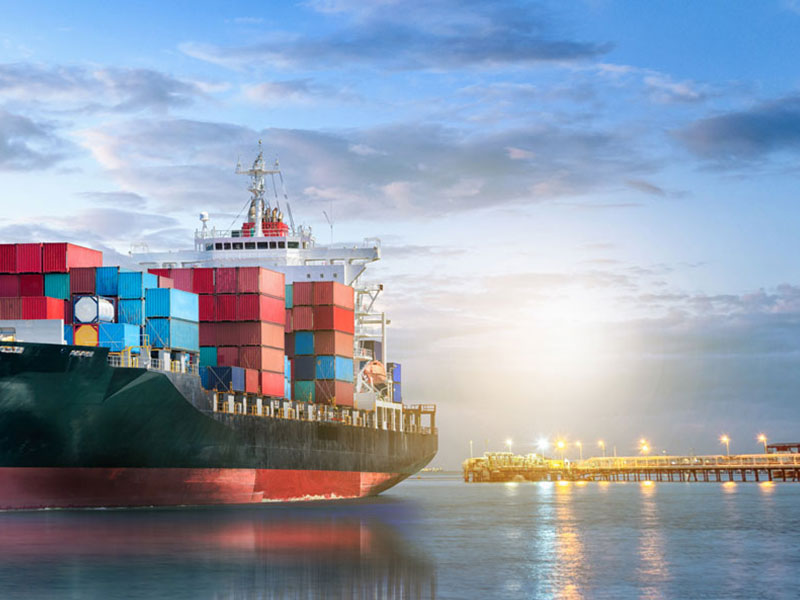
Importers managing textile supply chains must accurately estimate the 40GP FCL shipping cost for textiles from China to Savannah, especially as freight markets fluctuate and manufacturing lead times tighten. Because textiles are lightweight but high-volume cargo, choosing the right container type, route, and cost-control strategies is essential for maintaining a competitive landed price. This guide provides an in-depth breakdown to help you forecast expenses, optimize logistics decisions, and prevent delays.
1. What Is the Typical 40GP FCL Shipping Cost for Textiles from China to Savannah?
The 40GP FCL shipping cost for textiles from China to Savannah generally ranges between $2,100 and $4,200, depending on the season, port of loading, carrier space, and overall supply-chain demand. Moreover, additional charges such as terminal handling, documentation fees, and customs inspections may influence total landed cost.
Table 1: Typical 40GP FCL Cost Breakdown
| Cost Component | Estimated Range | Notes |
|---|---|---|
| Ocean Freight (40GP) | $2,100–$4,200 | Varies weekly |
| Terminal Handling | $180–$350 | Origin & destination |
| Documentation Fees | $60–$120 | Export paperwork |
| Destination Charges | $320–$580 | Port + CFS handling |
| ISF Filing | $35–$80 | Mandatory for all U.S.-bound cargo |
| Customs Clearance | $90–$180 | Broker charges |
| Drayage to Savannah | $150–$450 | Distance-dependent |
Textiles normally ship in 40GP because rolls, cartons, and bales maximize container capacity while maintaining low per-unit shipping cost.
2. Why Do Textile Importers Prefer 40GP FCL Instead of LCL?
Textiles shipped in FCL (Full Container Load) reduce handling risks and allow greater flexibility in packaging and stacking. Additionally, because textiles are vulnerable to humidity and odors, minimizing exposure during consolidation strengthens cargo protection.
Benefits include:
- Lower cost per cubic meter than LCL
- Reduced damage from handling
- Faster loading and unloading
- Flexible stuffing options for textile rolls, bales, or cartons
- More predictable transit time and delivery schedule
For large textile shipments, 40GP provides the best balance between space and cost.
3. How Long Does Shipping Textiles from China to Savannah Take?
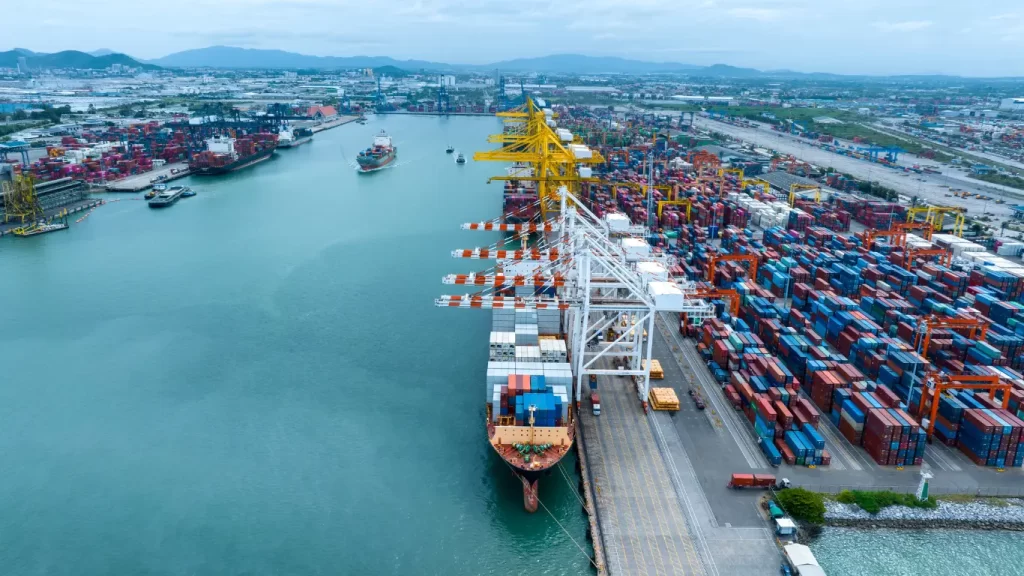
Transit time differs by port of origin and routing. East Coast shipments typically use either the Panama Canal or transshipment hubs in Southeast Asia.
Table 2: Transit Time Comparison
| China Port | Route Type | Transit Time | Notes |
|---|---|---|---|
| Shanghai | via Panama Canal | 32–38 days | Stable and predictable |
| Ningbo | via Panama Canal | 33–39 days | High textile export volume |
| Shenzhen | via Pacific + Panama | 35–42 days | Slightly longer |
| Qingdao | via Transshipment | 38–48 days | Weather delays possible |
Although transit is longer than West Coast routes, Savannah provides better distribution access for Southeast U.S. textile markets.
4. What Factors Affect the 40GP FCL Shipping Cost for Textiles?
Textile freight rates change frequently due to global shipping conditions. Furthermore, because textiles occupy large volumes, capacity constraints amplify rate fluctuations.
Primary cost influencers include:
- Seasonal demand: Pre-holiday and back-to-school seasons increase textile shipping costs
- Carrier capacity: Tight space leads to premium-rate surcharges
- Fuel prices: Bunker adjustments directly affect freight cost
- Port congestion: Creates delays and storage fees
- Documentation accuracy: Errors lead to customs holds and added cost
Understanding these factors allows importers to plan shipping windows strategically.
5. What Documents Are Required for Shipping Textiles to Savannah?
Accurate documentation ensures faster clearance and prevents penalties or customs delays.
Table 3: Textile Customs Documents Checklist
| Document | Required? | Purpose |
|---|---|---|
| Commercial Invoice | Yes | Identifies textile type, HS code, and price |
| Packing List | Yes | Lists roll count, weight, dimensions |
| Bill of Lading | Yes | Proof of shipment |
| Certificate of Origin | Often | For duty programs |
| ISF (Importer Security Filing) | Yes | Must be filed 24 hours before loading |
| Compliance Certificates | Case-by-case | Needed for regulated fabric types |
Moreover, textile shipments must match fiber composition declarations to avoid classification disputes.
6. How Do Shipping Methods Compare for Textile Transport?
Importers sometimes consider air freight for urgent textile shipments, though it is significantly more expensive.
Table 4: Air vs Sea vs Rail Freight for Textiles
| Shipping Method | Transit Time | Cost Level | Pros | Cons |
|---|---|---|---|---|
| 40GP FCL | 32–48 days | Low | Economical and efficient | Longer lead time |
| LCL Sea Freight | 32–55 days | Medium | Good for small shipments | Higher risk of delays |
| Air Freight | 3–7 days | Very High | Fast | Not suitable for bulk textiles |
| Rail + Forwarding | 20–30 days | Medium | Stable alternative | Indirect and requires extra handling |
Sea freight remains the most cost-efficient and scalable option.
7. How Can Importers Reduce 40GP FCL Costs for Textile Shipments?
Although cost fluctuations are unavoidable, importers can significantly lower expenses by:
- Shipping during off-peak months (Feb–May)
- Booking two to three weeks in advance
- Utilizing supplier consolidation when possible
- Avoiding unnecessary accessorial services
- Choosing carriers with strong East Coast capacity
- Negotiating long-term volume contracts
Additionally, packaging optimization (such as compressed bales) reduces CBM and improves stuffing efficiency.
8. How Does Inland Transportation Affect Final Shipping Cost?
The final-mile cost from the Port of Savannah heavily influences total landed cost, especially for textile distribution centers in Georgia, North Carolina, Alabama, and Tennessee.
Cost variables include:
- Distance from port
- Fuel surcharge
- Chassis availability
- Delivery appointment fees
Drayage shortages—common during peak season—may add 1–3 days of additional storage and electricity fees.
9. What Are the Major Risks When Shipping Textiles in a 40GP FCL?
Textiles are moisture-sensitive, so importers must prepare for:
- Condensation damage during ocean transit
- Odor contamination from neighboring containers
- Delays causing mold risk
- Port congestion impacting deadlines
- Classification errors during customs review
Nevertheless, proper packing materials, desiccants, and container ventilation minimize damage risk.
10. Should Importers Use Cargo Insurance for Textile Shipments?
Yes. Textile cargo insurance typically costs 0.2–0.5% of shipment value and covers:
- Water damage
- Mold or odor contamination
- Fire or vessel incidents
- Theft
- Container handling damage
Given the relatively low cost of insurance, it is strongly recommended for high-volume textile importers.
11. Does Packaging Impact the Final Shipping Cost?
Absolutely. Textiles can be packed in:
- Compressed bales
- Palletized cartons
- Roll packaging
- Vacuum-sealed pouches
Baled or compressed packaging maximizes container space, lowering per-unit shipping cost by as much as 15%.
📦Get a Free Quote
To get an accurate quote for the 40GP FCL shipping cost for textiles from China to Savannah, our logistics specialists can provide updated rates, recommended shipping schedules, and optimized supply-chain strategies. Contact us today to streamline your textile imports with reliable end-to-end service.
❓ Frequently Asked Questions
1. How much does it cost to ship textiles in a 40GP FCL from China to Savannah?
Costs usually range $2,100–$4,200, depending on season, origin port, and carrier availability.
2. How long is the transit time to Savannah?
Transit time generally takes 32–48 days, depending on routing, weather, and transshipment requirements.
3. What documents are required for textile imports?
You need a commercial invoice, packing list, bill of lading, ISF, and sometimes a certificate of origin.
4. Can I reduce FCL shipping costs?
Yes—book early, consolidate shipments, optimize packaging, and select carriers with stable East Coast service.
5. Are textiles at risk of moisture damage during ocean shipping?
Yes, but risks decrease with desiccants, proper ventilation, and correct container preparation.
Conclusion
Understanding the 40GP FCL shipping cost for textiles from China to Savannah allows importers to better forecast expenses, plan production schedules, and maintain competitive pricing. While freight costs fluctuate due to seasonal demand, routing, and market conditions, importers can reduce costs through early booking, load optimization, and strategic carrier selection. For textile shipments requiring reliable, cost-effective transportation, 40GP FCL remains the most efficient mode. When supported by strong logistics planning and accurate documentation, it enables smooth, predictable supply-chain performance.