

40GP FCL Transit Time for Auto Parts from China to Netherlands
Navigating the logistics of international trade requires precision, especially when calculating the 40GP FCL transit time for auto parts from China to Netherlands. At China Top Freight, we understand that timely delivery of automotive components is critical for maintaining supply chain efficiency. This comprehensive guide explores the factors influencing durations, provides current market rates, and offers actionable insights for importers looking to optimize their shipping schedules from Chinese manufacturing hubs to Dutch ports.
What is the Average 40GP FCL Transit Time for Auto Parts from China to Netherlands?
Generally, the transit time for a 40GP container carrying automotive components from China to the Netherlands ranges between 30 and 45 days. This duration primarily accounts for the port-to-port ocean journey, which is the most common method for transporting heavy or bulky car parts. Selecting sea freight ensures that you can move large volumes of stock like engines, body panels, or transmissions at a lower cost compared to air transport.
Furthermore, the specific origin port in China significantly impacts the total days spent at sea. Shipments departing from Southern Chinese ports like Shenzhen or Guangzhou often reach Northern Europe slightly faster than those leaving from Northern ports like Tianjin. Because the maritime route typically passes through the Suez Canal, any regional disruptions can naturally extend these estimated timelines.
Moreover, the choice between a direct service and a transshipment service will influence your schedule. Direct routes are faster but often more expensive, while transshipment via hubs like Singapore or Colombo can add 5 to 10 days to the total journey. Consequently, logistics managers must balance the need for speed with the available budget when booking their 40GP containers.
Key Factors Affecting Shipping Durations for Automotive Components
Weather conditions represent one of the most unpredictable variables in maritime logistics. During typhoon seasons in the South China Sea or winter storms in the North Sea, vessels may be forced to reduce speed or seek shelter, leading to delays. Additionally, port congestion in major hubs like Shanghai or Rotterdam can result in vessels waiting at anchorage for several days before they can berth and begin unloading.
Customs clearance procedures also play a vital role in the overall door-to-door timeline. If your documentation for auto parts is incomplete or if the Dutch customs authorities flag the shipment for inspection, the process can stall for several days. Therefore, ensuring that all HS codes and commercial invoices are perfectly aligned is essential for maintaining a swift transit schedule.
Peak shipping seasons, such as the period leading up to the Chinese New Year or the Q4 holiday rush, often see a surge in demand for container space. During these times, carriers might implement ‘blank sailings’ or skip certain port calls to maintain their schedules, which can lead to cargo being rolled over to the next available vessel. As a result, booking your shipment at least 3-4 weeks in advance is highly recommended during high-demand periods.
How Does 40GP FCL Transit Time for Auto Parts from China to Netherlands Compare to Other Shipping Options?
While sea freight is the standard for bulk auto parts, other modes of transport offer different advantages in terms of speed and cost. For instance, rail freight has become an increasingly popular middle-ground solution for European importers. It offers a significantly shorter transit time than sea freight while remaining more affordable than air transport, making it ideal for high-value automotive electronics or urgent replacement components.
In contrast, air freight remains the fastest possible option for shipping auto parts that are needed immediately to prevent a production line stoppage. Although the cost is substantially higher, the transit time is reduced to just a few days. The following table provides a detailed comparison of the primary shipping methods available for the China-to-Netherlands route.
To clarify your options, consider the trade-offs between cost and speed for each method. While a 40GP container is the most economical for full loads, rail or air might be necessary for time-sensitive inventory. Without a doubt, the best strategy depends on your specific supply chain requirements and the urgency of the cargo.
| Shipping Method | Cost Range (40GP/Equivalent) | Transit Time | Best For |
|---|---|---|---|
| Sea Freight (FCL) | $2,800 – $4,200 | 30 – 45 Days | Bulk parts, low urgency |
| Rail Freight | $5,500 – $7,500 | 18 – 22 Days | High-value parts, mid-speed |
| Air Freight | $15,000+ | 5 – 8 Days | Emergency repairs, small parts |
| Sea-Air Hybrid | $8,000 – $10,000 | 15 – 20 Days | Balanced cost and speed |
Which Option Should You Choose for Your Auto Parts?
Budget priority dictates that sea freight is the most logical choice for most businesses importing auto parts. If you are moving heavy items like brake discs or suspension kits, the cost per unit in a 40GP container is unmatched by other methods. Consequently, most large-scale distributors utilize sea freight as their primary logistics backbone.
Speed priority becomes the focus when your inventory levels are low or a customer is waiting for a specific part. In these scenarios, rail freight offers a reliable alternative that cuts the transit time in half compared to the ocean route. Furthermore, for door-to-door delivery, door-to-door delivery services can streamline the entire process from the factory floor in China to the warehouse in the Netherlands.
Cargo type considerations also influence the decision, as some automotive parts require specialized handling. For example, lithium-ion batteries used in electric vehicles are classified as dangerous goods and may face stricter regulations on rail or air routes. Therefore, checking with a professional freight forwarder about the specific requirements for your cargo is a crucial step in the planning phase.
Cost Analysis of 40GP Container Shipping to the Netherlands
Freight rates for a 40GP container are subject to constant fluctuation based on global economic conditions and fuel surcharges. As of early 2025, market data suggests that rates from major Chinese ports to Rotterdam have stabilized, though they remain higher than pre-2020 averages. On the other hand, seasonal spikes during the late summer can still drive prices up by 20% or more.
Specifically, the total landed cost involves more than just the ocean freight rate. You must also account for terminal handling charges (THC), documentation fees, and inland haulage at both the origin and destination. In addition, customs duties and VAT in the Netherlands can significantly impact your final investment, making it vital to calculate these figures early in the procurement process.
Note: Freight rates are subject to change based on fuel costs, carrier capacity, and seasonal demand. Contact us for a current quote tailored to your specific shipment.
| Origin Port | Service Type | Average Days | Frequency |
|---|---|---|---|
| Shanghai | Direct | 32 – 35 Days | Daily |
| Ningbo | Direct | 33 – 36 Days | Daily |
| Shenzhen | Direct | 28 – 32 Days | Frequent |
| Qingdao | Transshipment | 38 – 42 Days | Weekly |
Essential Customs Documentation for Importing Auto Parts
Documentation accuracy is the cornerstone of a successful import operation into the European Union. Dutch customs require a comprehensive set of papers, including the Bill of Lading, Commercial Invoice, and a detailed Packing List. Utilizing a professional customs brokerage service can help you navigate the complexities of HS codes for various automotive components.
Importing car engines or safety-critical parts may also require specific certifications, such as the CE mark or E-mark, to prove compliance with EU safety standards. If these documents are missing at the time of arrival in Rotterdam, your container could be held for inspection, leading to significant demurrage charges. Indeed, being proactive with your paperwork is the best way to avoid unnecessary delays.
Customs authorities in the Netherlands are known for their efficiency, but they are also very strict regarding the declaration of value and origin. Any discrepancies found during a random audit can lead to fines and a permanent mark on your importer record. Consequently, double-checking every detail on your import declaration is a mandatory step for long-term shipping success.
Port Options in China and the Netherlands for FCL Shipments
Major Chinese ports like Shanghai, Ningbo-Zhoushan, and Shenzhen handle the vast majority of automotive exports to Europe. These ports offer the highest frequency of sailings and the most competitive rates due to the sheer volume of traffic. Choosing a port close to your manufacturer is usually the most cost-effective strategy for shipping from China to Europe.
Dutch ports are led by Rotterdam, which is the largest and most technologically advanced port in Europe. It serves as a massive gateway not only for the Netherlands but for the entire hinterland, including Germany and Belgium. Amsterdam and Vlissingen also handle containerized cargo, but they generally offer fewer direct connections from China compared to the massive terminals at Rotterdam.
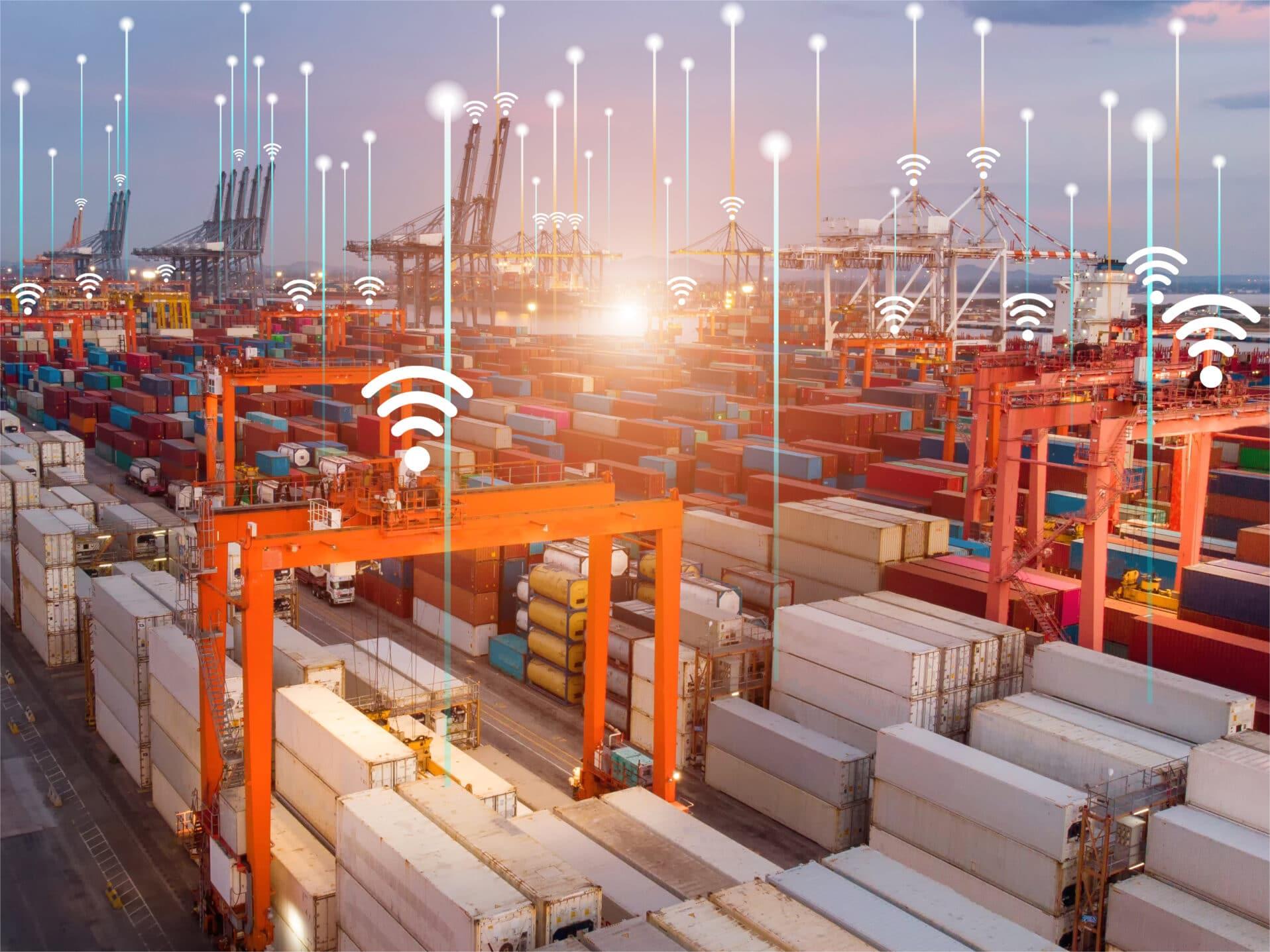
Chinese logistics hubs are increasingly integrated with digital tracking systems, allowing importers to monitor their 40GP containers in real-time. This visibility helps businesses plan their inventory management more effectively, as they can see exactly when the vessel departs and when it is expected to arrive. Accordingly, leveraging these digital tools is a smart move for any modern importer.
Real-World Case Studies: China to Netherlands Logistics
Case Study 1: Direct Sea Freight for Aftermarket Body Parts. Origin: Ningbo, China to Destination: Rotterdam, Netherlands. Cargo: 40GP container of plastic bumpers and grilles. Shipping Method: Direct Sea Freight via Maersk. Ocean Freight: $3,250. Origin Charges: $450. Destination Charges: $600. Customs Duties: $1,200. Total Landed Cost: $5,500. Sea Transit: 34 days. Total Door-to-Door: 42 days. Key Insight: Booking 3 weeks in advance secured a lower rate during the shoulder season.
Case Study 2: Urgent Engine Component Delivery. Origin: Shanghai, China to Destination: Amsterdam, Netherlands. Cargo: 40GP container of specialized engine valves. Shipping Method: Rail Freight (China-Europe Railway Express). Shipping Cost: $6,800. Transit Time: 20 days. Customs Clearance: 2 days. Total Door-to-Door: 26 days. Key Insight: Rail freight saved 15 days compared to sea freight, allowing the client to meet a critical manufacturing deadline in Q3 2024.
Final Thoughts on Shipping Auto Parts to the Netherlands
To summarize, understanding the 40GP FCL transit time for auto parts from China to Netherlands is essential for effective inventory planning. While the average sea journey takes 30 to 45 days, factors like port congestion, weather, and customs documentation can all influence the final delivery date. By choosing the right shipping mode and working with an experienced freight forwarder, you can ensure your automotive components arrive safely and on schedule.
Finally, remember that the lowest price is not always the best value if it leads to unpredictable delays. Investing in reliable services and maintaining clear communication with your logistics provider will help you navigate the complexities of international trade. Whether you choose sea, rail, or air, a well-planned strategy is the key to maintaining a competitive edge in the automotive market.
Ready to streamline your logistics?
Ready to streamline your automotive supply chain? Contact China Top Freight today to get an accurate 40GP FCL transit time for auto parts from China to Netherlands and a competitive quote for your next shipment.
Request Quote