

40GP FCL Transit Time for Hardware Tools from China to Poland
“Importing hardware tools from China to Poland requires a clear understanding of logistics, especially concerning China Top Freight. The 40GP FCL transit time for hardware tools from China to Poland is a critical factor for businesses planning their supply chains. Therefore, optimizing this process can significantly impact inventory management and profitability. This guide explores typical transit times, influencing factors, and strategic choices to ensure efficient delivery.”
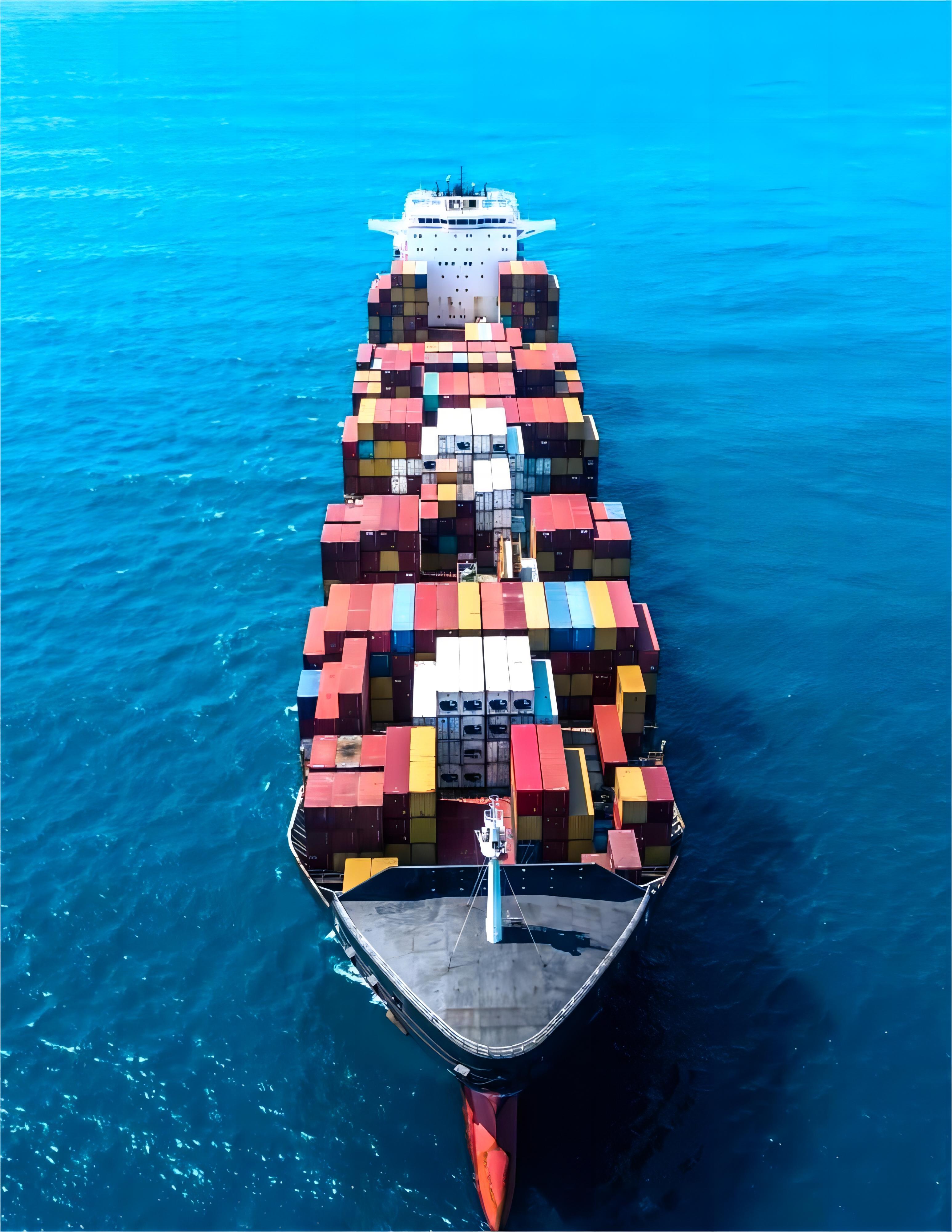
What is the Typical 40GP FCL Transit Time for Hardware Tools from China to Poland?
❖Typically, the 40GP FCL transit time for hardware tools from China to Poland via sea freight ranges from 30 to 45 days. This duration primarily covers the port-to-port journey. However, the total door-to-door delivery schedule can extend beyond this, incorporating crucial pre-shipping and post-arrival processes.
Consequently, understanding each stage is vital for accurate planning. This includes vessel scheduling, ocean transit, customs clearance procedures, and final inland transportation. Therefore, a comprehensive approach helps manage expectations and mitigate potential delays effectively.
Key Factors Influencing Your Shipping Schedule
❖Several elements significantly impact the actual delivery schedule for your hardware tool imports. For instance, the specific origin port in China and the destination port in Poland play a considerable role. Direct routes generally offer faster transit times compared to those involving transshipment points.
Moreover, carrier selection and vessel speed also influence the journey duration. Seasonal demand, such as peak shipping seasons before holidays, can lead to port congestion and longer waiting times. Furthermore, unforeseen events like adverse weather conditions or geopolitical issues may cause further delays, underscoring the need for flexible planning.
Lastly, efficient customs brokerage is paramount. Delays in documentation or inspection can add days or even weeks to the overall transit. Therefore, preparing all necessary paperwork meticulously is crucial for a smooth process.
| Factor | Impact on Transit Time | Mitigation Strategy |
|---|---|---|
| Origin/Destination Ports | Direct vs. Transshipment routes | Choose major ports with direct services |
| Carrier & Vessel Speed | Faster vessels reduce ocean transit | Select reputable carriers with good schedules |
| Seasonal Demand | Port congestion, higher booking times | Book well in advance during peak seasons (e.g., Q4) |
| Customs & Documentation | Delays due to incomplete paperwork | Prepare accurate documents and use experienced brokers |
| Weather & Geopolitics | Unforeseen disruptions, route changes | Monitor global news, consider cargo insurance |
How Does FCL Sea Freight Compare to Other Shipping Options?
❖While 40GP FCL sea freight is often the most economical choice for hardware tools, other methods offer different trade-offs in terms of speed and cost. For example, rail freight presents a viable alternative for the China-Poland route, combining moderate speed with competitive pricing. However, its capacity can be more limited than sea freight.
On the other hand, air freight provides the fastest transit but at a significantly higher cost. This option is typically reserved for urgent or high-value, low-volume shipments. Therefore, selecting the right mode of transport depends heavily on your specific business needs and priorities, weighing transit time against shipping costs.
Moreover, for smaller volumes that do not fill a 40GP container, Less than Container Load (LCL) sea freight is an option. However, LCL shipments often have longer transit times due to consolidation and deconsolidation processes. Therefore, understanding these differences is key to making an informed logistics decision.
| Shipping Method | Cost Range (40GP FCL equivalent) | Transit Time (China-Poland) | Best For |
|---|---|---|---|
| Sea Freight (FCL 40GP) | $2,800 – $4,200 | 30-45 days | Large volume, heavy, non-urgent cargo |
| Rail Freight | $8,000 – $12,000 | 18-25 days | Medium volume, time-sensitive but not urgent cargo |
| Air Freight | $15,000 – $25,000 (equivalent) | 5-10 days | Urgent, high-value, small volume shipments |

Navigating the Logistics: Costs and Documentation
❖Understanding the full landed cost is crucial for importing hardware tools. Beyond the ocean freight, you must account for origin charges, destination charges, and customs duties. Origin charges include terminal handling, documentation, and drayage to the port in China. Conversely, destination charges cover similar services upon arrival in Poland.
Furthermore, customs and duties can represent a significant portion of the total cost. These are based on the Harmonized System (HS) codes of your hardware tools and applicable trade agreements. Therefore, accurate classification and a robust understanding of import regulations are essential to avoid unexpected expenses and delays. Utilizing door-to-door solutions can simplify this complexity.
Preparing the correct documentation is another critical aspect. Missing or incorrect paperwork can lead to severe delays and potential fines. Consequently, a checklist of essential documents should be meticulously followed for every shipment to Poland. This proactive approach minimizes customs clearance issues and ensures a smoother import process.
| Document | Purpose | Importance |
|---|---|---|
| Commercial Invoice | Details of goods, value, seller/buyer | Critical for customs valuation and duties |
| Packing List | Details of cargo packaging, weights, dimensions | Aids in cargo handling and customs inspection |
| Bill of Lading (B/L) | Contract of carriage, title to goods | Proof of shipment and ownership transfer |
| Certificate of Origin | Confirms goods’ country of manufacture | May qualify for preferential tariffs |
| Customs Declaration | Required for import/export clearance | Legal requirement for international trade |
Real-World Shipments: 40GP FCL Hardware Tools to Poland
❖Examining actual shipping scenarios provides valuable insights into the complexities and potential outcomes of importing hardware tools. These case studies illustrate various challenges and successful strategies. They highlight the importance of meticulous planning and robust logistics partnerships for optimal outcomes.
Based on Q3 2024 market rates, these examples reflect typical experiences. Note: Freight rates are subject to change based on fuel costs, carrier capacity, and seasonal demand. Contact us for a current quote tailored to your specific shipment.
Case Study 1: Efficient Supply Chain for Power Tools
This scenario highlights a smooth, well-planned shipment of power tools, minimizing transit time and maximizing cost efficiency. Proactive booking and clear documentation were key factors in its success.
| Detail | Description |
|---|---|
| Route | Ningbo, China -> Gdynia, Poland |
| Cargo | Power drills and grinders, 28 CBM, 15,000 kg |
| Container | 40GP FCL |
| Shipping Details | Carrier: COSCO, Port of Loading: Ningbo, Port of Discharge: Gdynia, Route Type: Direct |
| Cost Breakdown | Ocean Freight: $3,500, Origin Charges: $450, Destination Charges: $600, Customs & Duties (estimated): $800, Total Landed Cost: $5,350 |
| Timeline | Booking to Loading: 5 days, Sea Transit: 30 days, Customs Clearance: 3 days, Total Door-to-Door: 38 days |
| Key Insight | Proactive booking and clear documentation ensured a swift customs process and on-time delivery. |
Case Study 2: Managing Delays for Hand Tools
This example demonstrates how unforeseen port congestion can impact transit times, emphasizing the need for contingency planning. Despite the delay, effective communication helped manage expectations.
| Detail | Description |
|---|---|
| Route | Shanghai, China -> Gdansk, Poland |
| Cargo | Assorted hand tools, 25 CBM, 12,000 kg |
| Container | 40GP FCL |
| Shipping Details | Carrier: Maersk, Port of Loading: Shanghai, Port of Discharge: Gdansk, Route Type: Direct |
| Cost Breakdown | Ocean Freight: $3,800, Origin Charges: $500, Destination Charges: $650, Customs & Duties (estimated): $750, Total Landed Cost: $5,700 |
| Timeline | Booking to Loading: 7 days, Sea Transit: 32 days (with 5-day port delay), Customs Clearance: 4 days, Total Door-to-Door: 43 days |
| Key Insight | Port congestion added a week to transit; however, transparent updates kept the client informed. |
Case Study 3: Cost-Effective Shipping for Industrial Hardware
This case illustrates a shipment where cost-efficiency was prioritized, accepting a slightly longer transit time via a transshipment route. It showcases balancing budget constraints with delivery timelines.
| Detail | Description |
|---|---|
| Route | Qingdao, China -> Hamburg, Germany (transshipment) -> Warsaw, Poland (rail) |
| Cargo | Industrial fasteners and fittings, 29 CBM, 18,000 kg |
| Container | 40GP FCL |
| Shipping Details | Carrier: MSC, Port of Loading: Qingdao, Port of Discharge: Hamburg, Route Type: Transshipment via Singapore |
| Cost Breakdown | Ocean Freight: $3,200, Origin Charges: $400, Destination Charges (Hamburg): $550, Rail to Warsaw: $800, Customs & Duties (estimated): $900, Total Landed Cost: $5,850 |
| Timeline | Booking to Loading: 6 days, Sea Transit: 38 days, Customs Clearance (Hamburg): 2 days, Rail to Warsaw: 3 days, Total Door-to-Door: 49 days |
| Key Insight | Choosing a transshipment route offered cost savings but extended the overall delivery timeline. |
Optimizing Your China-Poland Hardware Tool Imports
❖Efficiently managing your hardware tool imports requires a multi-faceted approach. First, consider consolidating multiple smaller orders into a single 40GP FCL shipment. This strategy significantly reduces per-unit shipping costs compared to LCL or multiple smaller consignments. Consequently, it enhances overall cost-effectiveness for your supply chain.
Secondly, establishing strong relationships with reliable freight forwarders is indispensable. A knowledgeable partner can navigate complex customs regulations, optimize routing, and provide real-time tracking updates. Therefore, their expertise is invaluable in minimizing risks and ensuring timely deliveries.
Furthermore, exploring hybrid shipping solutions can offer a balance between speed and cost. For example, a sea-rail combination might be faster than pure sea freight while remaining more economical than air cargo. Such tailored approaches can provide significant advantages for specific hardware tool categories or urgent orders.
Which Shipping Option Should You Choose? A Decision Framework
❖Selecting the optimal shipping method for your hardware tools depends on your primary business objectives. Consider these criteria to guide your decision-making process. Each option presents distinct advantages and disadvantages that must be carefully weighed.
If budget is your top priority, 40GP FCL sea freight is almost always the most economical choice. However, if speed is paramount for urgent stock replenishment or new product launches, then air freight is the undisputed winner despite its higher cost. For a balance of speed and cost, rail freight offers a compelling middle ground.
Moreover, the volume and weight of your cargo are crucial. FCL is ideal for large shipments, whereas LCL is suitable for smaller volumes that don’t justify a full container. High-value, fragile items might also benefit from specialized handling or faster transit times to minimize risk. Therefore, align your choice with your specific cargo characteristics.
Market Trends and Future Outlook for China-Poland Logistics
❖As of early 2025, freight rates from China to Europe have largely stabilized following the volatility of recent years. However, geopolitical events and global economic shifts continue to influence shipping costs and transit times. Industry average for this route suggests a steady demand for efficient logistics solutions for hardware tools.
Furthermore, technological advancements are increasingly impacting logistics trends. Digitalization of booking processes, real-time tracking, and predictive analytics are enhancing transparency and efficiency in the supply chain. Consequently, these innovations help businesses better manage their import/export operations.
Meanwhile, sustainability is becoming a growing concern in international shipping. Companies are increasingly seeking greener logistics options, which could influence future carrier choices and route optimizations. Therefore, staying informed about these evolving market dynamics is essential for long-term strategic planning in the China-Poland corridor.
Streamlining Your 40GP FCL Transit from China to Poland
In conclusion, navigating the 40GP FCL transit time for hardware tools from China to Poland involves understanding numerous variables. From choosing the right shipping method to meticulously managing documentation and anticipating market trends, each step is critical. Partnering with an experienced freight forwarder is invaluable for achieving cost-effective and timely deliveries.
By carefully considering all factors, businesses can significantly optimize their supply chain. This ensures that hardware tools arrive efficiently and reliably, supporting their operational needs. Ultimately, a well-executed logistics strategy contributes directly to business success and customer satisfaction.
Ready to streamline your logistics?
Ready to optimize your 40GP FCL transit time for hardware tools from China to Poland? Contact us today for a personalized quote and expert logistics advice. Our team is dedicated to streamlining your international shipping process.
Request Quote