

- By kelly
- November 24, 2025
- Logistics, Tips or Guide
40GP FCL Transit Time for Textiles from China to Netherlands
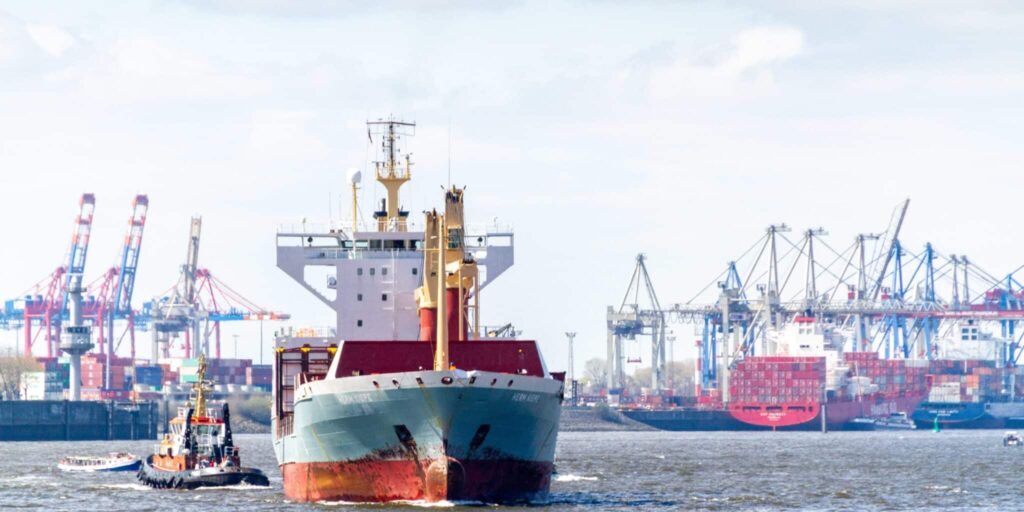
Shipping textile goods internationally requires precise planning and reliable delivery scheduling. Understanding the 40GP FCL transit time for textiles from China to Netherlands is essential for fashion brands, wholesalers, and importers who depend on stable supply chains. Since textiles are time-sensitive and often seasonal, accurate scheduling helps avoid stockouts, delays, and increased shipping costs.
1. What Is a 40GP FCL and Why Is It Ideal for Textile Shipments?
A 40GP (General Purpose) Full Container Load is one of the most popular container types for textile shipments because:
- It offers 67–76 CBM of usable space
- It easily accommodates cartons, rolls, and palletized textile goods
- It provides cost-efficient shipping for medium to large volumes
Moreover, textile shipments benefit from FCL because it minimizes cargo handling, reduces damage risks, and ensures predictable transit time.
2. How Long Is the 40GP FCL Transit Time for Textiles from China to Netherlands?
Transit time depends on the port pair, carrier schedule, and seasonal conditions. The typical 40GP FCL transit time for textiles from China to Netherlands falls within 30–40 days.
Table: Transit Time by China Origin Port
| Origin Port (China) | Destination Port (Netherlands) | Transit Time | Notes |
|---|---|---|---|
| Shanghai | Rotterdam | 30–38 days | Fastest and most stable route |
| Ningbo | Rotterdam | 31–39 days | Very reliable, frequent sailings |
| Shenzhen | Rotterdam | 32–40 days | Longer due to southern routing |
| Qingdao | Rotterdam | 33–41 days | Occasionally affected by weather |
However, delays may occur due to customs checks, port congestion, or vessel rollover. Therefore, importers should always add a buffer of 3–5 days when planning textile restocking cycles.
3. What Factors Affect the Total Lead Time for Textile Imports?
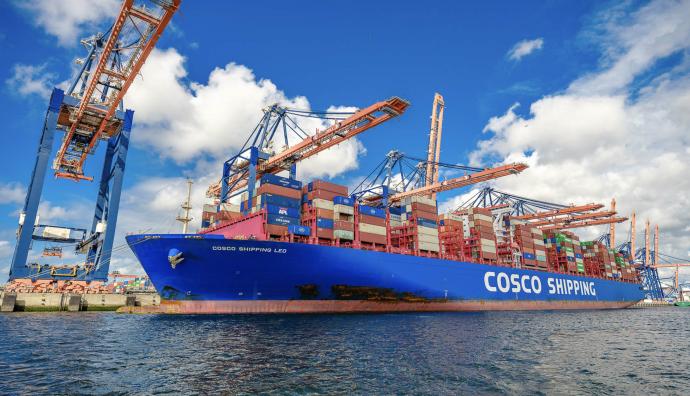
Although sea transit is predictable, several factors influence overall delivery time:
- Port Handling Time – Busy ports like Shenzhen and Ningbo may require extra days.
- Customs Clearance – Errors in documents can delay release at Rotterdam.
- Seasonal Shipping Trends – Textile peak seasons (March–May & August–October) may extend transit time.
- Weather Conditions – Typhoon season in China often leads to vessel delays.
- Internal European Delivery – Trucking from Rotterdam to Amsterdam, Utrecht, or Eindhoven adds 1–3 days.
Additionally, the textile industry’s fast-moving demand requires aggressive planning to mitigate production and shipping bottlenecks.
4. How Do Shipping Methods Compare for Textile Transport from China to Netherlands?
While sea freight is the most common option, importers sometimes choose air or rail depending on urgency.
Table: Shipping Method Comparison
| Method | Cost | Transit Time | Pros | Cons |
|---|---|---|---|---|
| 40GP FCL (Sea Freight) | Low | 30–40 days | Best for bulk textiles, stable, secure | Longer transit |
| Air Freight | High | 3–7 days | Fast, ideal for urgent seasonal items | Very expensive for large volumes |
| Rail Freight | Medium | 18–25 days | Balanced speed/cost, reliable | Limited textile-friendly routes |
| LCL Shipping | Medium | 35–45 days | Good for small shipments | Longer due to consolidation |
Since textiles often involve volume rather than weight, FCL remains the most cost-effective choice.
5. What Are the Shipping Costs for 40GP FCL for Textiles?
Shipping prices fluctuate based on fuel rates, carrier capacity, and seasonal demand.
Table: Approximate Cost for a 40GP FCL
| Origin Port | Average Cost to Rotterdam | Stability Level |
|---|---|---|
| Shanghai | $2,200 – $3,000 | High |
| Ningbo | $2,300 – $3,100 | High |
| Shenzhen | $2,400 – $3,200 | Medium |
| Qingdao | $2,450 – $3,250 | Medium |
Note: Textile importers should lock rates early during peak seasons to avoid unexpected cost increases.
6. Which Documents Are Required for Textile Imports into Netherlands?
A smooth customs clearance process is essential to maintain delivery schedules.
Table: Customs Documents Checklist
| Document | Purpose |
|---|---|
| Commercial Invoice | Declares textile value and HS codes |
| Packing List | Details packaging, quantity, weight |
| Bill of Lading | Contract of carriage and cargo receipt |
| Certificate of Origin | Confirms China as manufacturing origin |
| Textile Compliance Certificates | Required for certain fabrics |
| Import Declaration (EU) | Customs entry into Netherlands |
| Insurance Certificate | Covers loss/damage |
Accurate HS code classification also helps avoid customs penalties.

7. Why Is FCL Preferred Over LCL for Textile Shipments?
Because textiles compress easily and often require volume shipping, importers usually choose FCL.
- Lower per-unit shipping costs
- Reduced risk of moisture damage
- Less handling and fewer transfer points
- Predictable transit time
Additionally, textile buyers can maintain consistent inventory cycles and avoid unnecessary stock shortages.
8. How to Optimize 40GP FCL Transit Time for Textiles
Importers can shorten or stabilize transit time by:
- Booking shipments 2–3 weeks ahead of cargo readiness
- Avoiding peak textile seasons
- Using premium or direct carrier services
- Preparing customs documents early
- Working with experienced freight forwarders
Moreover, real-time tracking updates allow businesses to quickly respond to potential delays.
9. Can Rail or Air Freight Be Better Options for Urgent Textile Shipments?
Although sea freight remains ideal for bulk shipments, importers with urgent orders may consider alternatives.
Table: Pros and Cons of Sea vs Air vs Rail
| Freight Mode | Pros | Cons |
|---|---|---|
| Sea FCL | Cheapest for bulk textiles | Longer delivery time |
| Air Freight | Fastest for new collections | Extremely high cost |
| Rail Freight | Balanced speed & cost | Service availability varies |
If you’re shipping new fashion collections, promotional stock, or urgent garments, air freight may be worth the higher cost.
10. What Are the Current Logistics Trends Affecting Textile Transit Time?
The textile supply chain is sensitive to global logistics trends. Recently:
- Automation at Rotterdam Port speeds up container handling.
- Digital customs processing reduces clearance delays.
- Sustainability initiatives encourage energy-efficient routes.
- Global capacity shifts during peak seasons affect vessel schedules.
Therefore, staying updated with logistics trends helps textile importers build stronger planning systems.
📦Get a Free Quote
Before moving forward, take a moment to connect with our freight experts. We provide professional support, competitive rates, and real-time tracking solutions for all textile shipments from China to the Netherlands. Secure your next 40GP FCL booking today and optimize your logistics performance with confidence.
❓ Frequently Asked Questions
1. How long is the 40GP FCL transit time from China to Netherlands?
Usually 30–40 days, depending on the port of origin, carrier schedule, and customs clearance speed.
2. Is FCL more cost-effective than LCL for textiles?
Yes. FCL offers lower cost per CBM, fewer delays, and safer handling for high-volume textile shipments.
3. What documents are required to import textiles into the Netherlands?
Commercial invoice, packing list, bill of lading, certificate of origin, and EU import declaration.
4. Can rail freight be faster than sea freight for textiles?
Yes. Rail freight takes 18–25 days, making it faster than sea freight for mid-urgency shipments.
5. What is the cheapest way to ship textiles from China to Netherlands?
A 40GP FCL is the most economical method for medium or large textile volumes.