

Shipping textile products requires precise timing, predictable scheduling, and strong supply chain visibility. Many importers struggle to understand the 40GP FCL transit time for textiles from China to Belgium, especially when shipping costs fluctuate, vessels experience delays, and customs procedures vary between ports. This guide explains transit times in detail and provides practical planning strategies to help textile traders maintain reliable inventory flow.
1. What Is the 40GP FCL Transit Time for Textiles from China to Belgium?
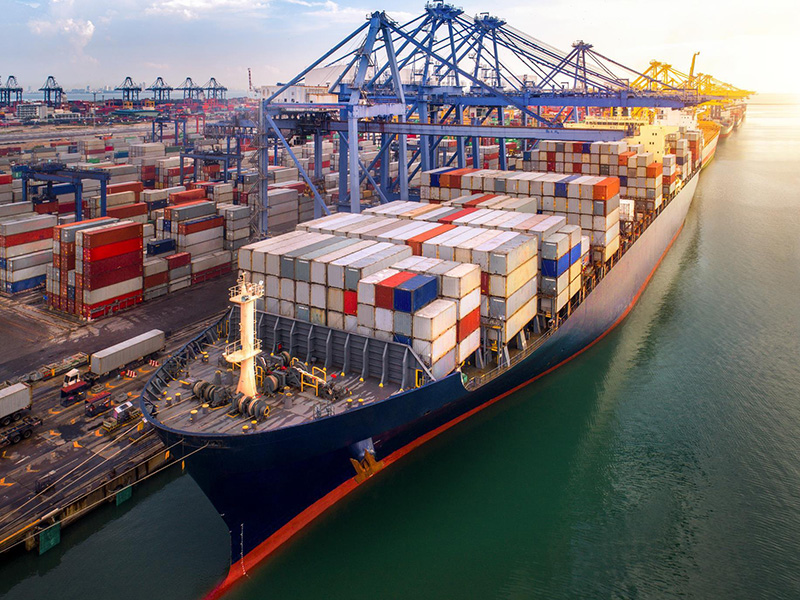
The 40GP FCL transit time for textiles from China to Belgium refers to the total shipping duration from the chosen China loading port to Belgium’s main gateways, such as Antwerp and Zeebrugge. Moreover, transit time includes vessel sailing schedules, terminal handling, customs processing, and final inland transportation.
Key Elements of Transit Time
- Ocean sailing duration
- Port handling efficiency
- Customs clearance time
- Inland trucking time
- Seasonal congestion impacts
Additionally, understanding each part of the timeline helps importers better manage delivery schedules and restocking plans.
2. How Do Different China Ports Affect Transit Time to Belgium?
Transit time varies significantly depending on the origin port, chosen carrier, and routing pattern.
Table: Transit Time by Major China Ports
| Origin Port | Belgian Port | Avg Transit Time | Notes |
|---|---|---|---|
| Shanghai | Antwerp | 30–34 days | Stable weekly sailings |
| Ningbo | Antwerp | 31–36 days | Highly reliable for textiles |
| Shenzhen | Zeebrugge | 28–33 days | Fastest option for South China |
| Qingdao | Antwerp | 33–38 days | Ideal for bulk textile cargo |
| Tianjin | Zeebrugge | 36–42 days | Longer inland repositioning |
Furthermore, schedule reliability varies by carrier, so importers should track ETAs closely.
3. Why Does Transit Time Matter for Textile Importers?
Textile inventory cycles are fast, and retailers need continuous supply for fashion seasons, online orders, and B2B requirements. Therefore, even small delays can impact sales, production, and fulfilment.
Why Transit Time Is Critical
- Ensures timely replenishment for retail sales
- Controls supply chain forecast accuracy
- Prevents stockouts during high-demand periods
- Helps manage warehouse labor planning
- Supports just-in-time manufacturing schedules
Moreover, predictable lead times enhance negotiations with suppliers and freight forwarders.
What are you waiting for?
Contact chinatopfreight for a fast, free quote.
Are you ready to book?
Access live instant freight quotes
4. What Factors Affect the Transit Time for Textiles from China to Belgium?
Transit time is influenced by numerous environmental, operational, and logistical factors.
Main Transit Time Influencers
- Seasonal demand peaks
- Carrier schedule adjustments
- Port congestion
- Weather conditions
- Customs inspection levels
- Strikes or labor shortages
- Container availability
Additionally, textile shipments often involve multiple SKUs, which sometimes triggers extra customs checks.
5. What Documents Are Required to Avoid Shipping Delays?
Proper documentation accelerates customs clearance and reduces unwanted transit delays.
Table: Required Documentation Checklist
| Document | Mandatory | Notes |
|---|---|---|
| Commercial Invoice | Yes | Must list textile type & HS codes |
| Packing List | Yes | Details about rolls, cartons, pallets |
| Bill of Lading | Yes | Should match invoice & packing list |
| Certificate of Origin | Sometimes | Required for trade preference |
| Textile Composition Certificate | Sometimes | For specific fabric types |
| ISF Filing | Yes | Required before loading |
| Import License | Conditional | For regulated textile types |
| EU Compliance Docs | Conditional | Needed for special textile materials |
Correct documentation helps reduce congestion-related delays at Antwerp or Zeebrugge.
6. How Much Does It Cost to Ship Textiles in a 40GP FCL to Belgium?
Costs fluctuate based on market conditions, carrier availability, and seasonal textile demand.
Table: Estimated 40GP FCL Cost Breakdown
| Cost Component | Estimated Range (USD) | Notes |
|---|---|---|
| Base Ocean Freight | $1,900–$3,100 | Varies by port & carrier |
| Origin THC | $180–$250 | Terminal charges in China |
| Destination THC | $240–$350 | Belgium terminal fees |
| Documentation | $50–$120 | BL, AMS, ISF |
| Customs Clearance | $150–$250 | Based on textile classification |
| Inland Trucking | $150–$380 | Depends on warehouse location |
Additionally, peak seasons may significantly increase freight rates due to higher demand.
7. How Do Textile Characteristics Influence Transit and Handling?

Different textile types require specific packaging and handling methods, influencing overall delivery efficiency.
Textile Considerations
- Rolls require stable vertical loading
- Cartons need dry, clean conditions
- High-value fabrics require security seals
- Bulk shipments increase unloading time
Moreover, fabrics sensitive to humidity may need desiccants during transit.
8. How Does 40GP FCL Compare to Other Shipping Methods for Textiles?
Importers often compare sea freight, rail freight, and air freight for lead-time optimization.
Table: Shipping Method Comparison
| Method | Cost | Transit Time | Best For | Pros | Cons |
|---|---|---|---|---|---|
| 40GP FCL | $ | 28–40 days | Bulk textiles | Cost-efficient | Longer transit |
| Air Freight | $$$$ | 3–7 days | Urgent samples | Fastest delivery | High cost |
| Rail Freight | $$ | 18–25 days | Medium-volume shipments | Fast & stable | Limited Belgium routes |
| LCL | $ | 40–55 days | Small orders | Cheap for small volume | Slow & risky |
Because textile products are lightweight but bulky, 40GP FCL offers optimal cost efficiency.
9. How Can You Reduce Transit Time for Textile Shipments?
Transit time cannot be fully controlled, but proactive strategies help accelerate the process.
Transit Time Reduction Strategies
- Choose efficient origin ports near suppliers
- Select carriers with strong Europe-bound reliability
- Avoid peak shipping seasons
- Submit documents early
- Pre-book trucking at destination
- Use real-time tracking tools
Additionally, inland warehousing closer to the port reduces trucking time.
10. What Are the Common Challenges for China–Belgium Textile Shipments?
Textile shipments face logistical risks that affect the total transit time.
Common Challenges
- Port congestion in Antwerp
- Capacity shortages in peak seasons
- Customs inspections for mixed textile loads
- Weather-related delays
- Carrier schedule changes
- Low container availability during summer demand
Moreover, Belgian ports occasionally experience labor disruptions that extend clearance times.
Conclusion
Understanding the 40GP FCL transit time for textiles from China to Belgium allows importers to plan purchasing cycles, maintain stable inventory, and avoid costly production delays. Moreover, choosing efficient ports, submitting documents early, and monitoring transit conditions help reduce risks during ocean transport. With comprehensive planning and strong logistics coordination, textile shipments can achieve predictable lead times and seamless supply chain performance from China to Belgium.
FAQ
1. Do different textile types affect transit time?
Most textile types do not impact transit time directly, but packaging and customs requirements may add handling steps, influencing clearance speed in Belgium.
2. Which Belgian port is best for textile shipments?
Antwerp and Zeebrugge are both reliable. Antwerp offers strong inland connections, while Zeebrugge has faster congestion recovery during peak periods.
3. Can I track my cargo during ocean transit?
Yes. Most carriers offer real-time tracking tools that provide ETA updates, vessel positions, and departure adjustments throughout the shipping journey.
4. Do textile shipments often face customs inspections?
Textile shipments with multiple HS codes may be inspected more frequently. Ensuring accurate documentation helps reduce the likelihood of inspection delays.
5. How early should I prepare documents for textile shipments?
Prepare documents 3–5 days before vessel departure. Early submission allows smooth customs filing and prevents delays that extend transit time.