

- By kelly
- December 5, 2025
- Logistics, Tips or Guide
40GP FCL Transit Time for Textiles from China to Florida
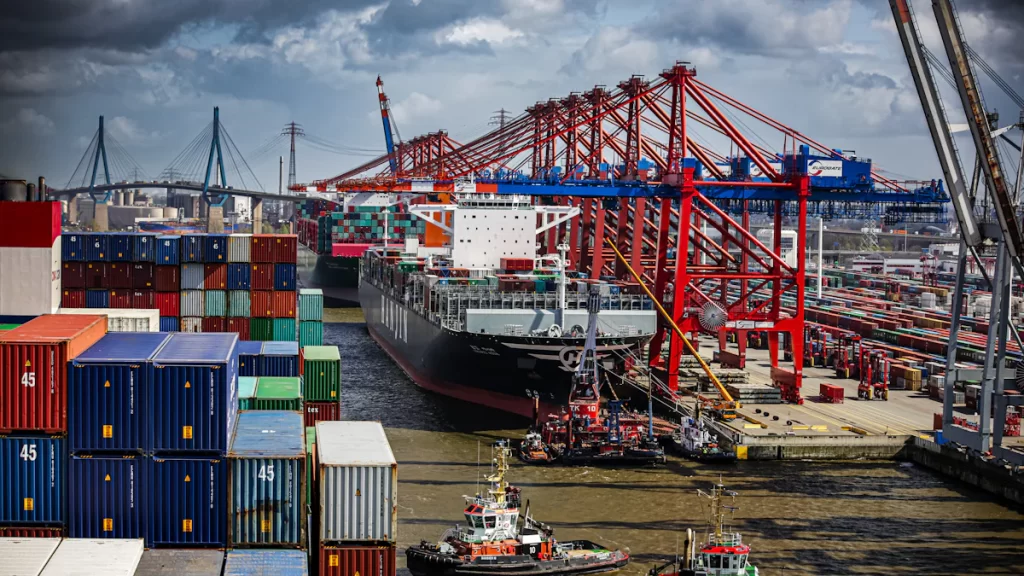
For textile importers managing large-volume shipments, knowing the 40GP FCL transit time for textiles from China to Florida is crucial to avoid stockouts, missed delivery windows, or unexpected costs. Whether you’re sourcing fabric rolls, garments, or home textiles, efficient planning depends on accurate shipping timelines and full understanding of customs and logistics procedures. Fortunately, optimizing your full-container load (FCL) strategy helps maintain supply chain stability and cost control.
1. What Is a 40GP FCL Container and Why Use It for Textile Shipments?
A 40GP (General Purpose) container is a standard full-container type with internal dimensions of about 12m x 2.3m x 2.4m, offering ~67.5 m³ of space. It is the ideal size for medium- to large-scale textile imports from China.
Why Use 40GP FCL for Textiles?
- Efficient for large volumes of fabric or garment cartons
- Secure and sealed, reducing damage and contamination
- Cost-effective per CBM compared to air freight or LCL
- Flexible for various packaging types, including rolls, pallets, and cartons
Long-tail keywords: textile shipping solutions, fabric container transport, full container logistics, China textile exports, cargo space for garments
2. How Long Does 40GP FCL Transit Take from China to Florida?
Transit time depends on the origin port, shipping line, transshipment stops, and chosen Florida destination (e.g., Miami, Jacksonville, Tampa).
Estimated Transit Time by Port
| Origin Port (China) | Florida Port | Route Type | Transit Time (Days) |
|---|---|---|---|
| Shanghai | Miami | Direct via Panama | 30–38 |
| Ningbo | Jacksonville | Via Panama or transshipment | 32–40 |
| Shenzhen/Yantian | Miami | Direct or via Colombia | 28–35 |
| Qingdao | Tampa | Transshipment | 35–43 |
Delays may occur during peak seasons or due to customs clearance at destination.
Semantic keywords: delivery schedule, ocean freight transit, textile logistics planning, import/export shipping routes
3. What Are the Main Factors That Affect Transit Time?
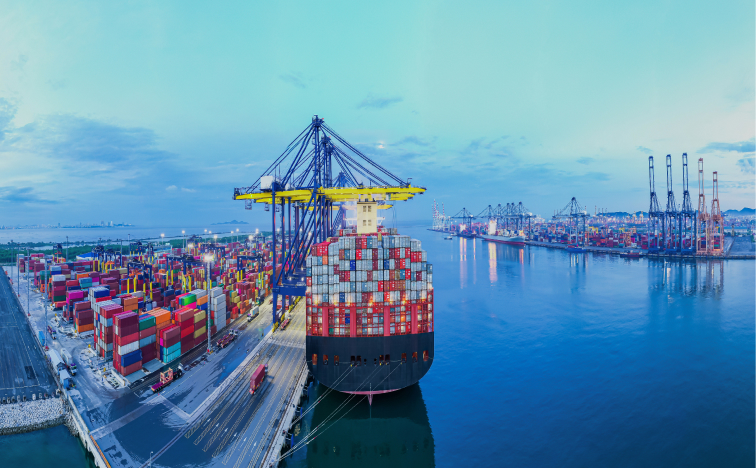
Several logistical and seasonal variables impact the actual delivery schedule.
Key Influencing Factors
- Peak seasons (e.g., before Chinese New Year or Christmas)
- Port congestion in China or U.S. East Coast
- Transshipment wait times (especially at Panama Canal or Caribbean hubs)
- Customs clearance delays in Florida
- Carrier frequency and reliability
Additionally, fuel surcharges and shipping line capacity affect schedule consistency.
4. How Much Does 40GP FCL Shipping from China to Florida Cost?
Shipping costs depend on the route, container type, and market rates influenced by fuel prices and seasonal demand.
Estimated Pricing Breakdown
| Cost Component | Estimated Cost (USD) |
|---|---|
| Ocean Freight (Base) | $2,800 – $3,600 |
| Origin Handling (China) | $400 – $600 |
| Panama Canal Surcharge | $250 – $400 |
| Destination Charges (Florida) | $600 – $850 |
| Customs Brokerage | $150 – $300 |
| Total Estimate | $4,200 – $5,800 |
Note: Prices exclude duties, insurance, and inland trucking.
Semantic keywords: freight costs, container pricing, shipping quote, FCL budget, supply chain expenditure
5. What Is the Best Port in Florida for Receiving Textile Shipments?
Florida has several ports suitable for textile imports, each offering access to key regional markets.
Port Comparison Table
| Port | Strengths | Best Use Case |
|---|---|---|
| Miami | Closest to Panama route, strong customs team | High-volume shipments to SE U.S. |
| Jacksonville | Strong intermodal links to inland states | Distribution across Southeast U.S. |
| Tampa | Efficient and less congested | Ideal for regional Florida delivery |
Choosing the port based on proximity to final warehouse destination improves turnaround time.
6. What Documents Are Needed for Customs Clearance in Florida?
Proper documentation helps avoid clearance delays and detention fees.
Required Documents Checklist
| Document | Purpose |
|---|---|
| Commercial Invoice | Declares value, HS code, and quantity |
| Packing List | Details item count and packaging type |
| Bill of Lading | Confirms ownership and transport details |
| ISF Filing (10+2) | Must be submitted 24h before loading |
| Customs Bond | Required for all U.S. importers |
| Textile Declaration (if required) | For fiber content & labeling |
Mistakes in HS code or valuation can trigger inspections, extending delivery timelines.
7. What Are the Pros and Cons of FCL vs LCL for Textile Imports?
Textile importers often choose between FCL and LCL depending on order volume.
Shipping Mode Comparison
| Mode | Transit Time | Cost | Pros | Cons |
|---|---|---|---|---|
| FCL (40GP) | 28–43 days | $$ | Lower per CBM, faster, less handling | Requires full container volume |
| LCL | 35–50 days | $ | Good for small shipments | Higher damage risk, slower delivery |
| Air Freight | 3–7 days | $$$$ | Fast, ideal for samples or urgent orders | Very expensive for bulk shipments |
FCL is ideal for consistent imports and large orders, ensuring safer and faster cargo movement.
8. How to Optimize Transit Time for Textiles from China to Florida?
Reducing transit time requires strategic planning and proactive logistics.
Optimization Tips
- Book at least 3 weeks in advance, especially during peak seasons
- Use direct routes when available to Florida ports
- Bundle shipments from multiple suppliers into one container
- Work with a freight forwarder who offers priority bookings
- Prepare all customs documents ahead of cargo loading
Additionally, choose carriers with strong U.S. East Coast routes and proven reliability.
9. Can Rail or Air Be Used to Ship Textiles from China to Florida?
While ocean freight is the norm, other modes can be used depending on urgency and volume.
Freight Mode Alternatives
| Mode | Use Case | Transit Time | Pros | Cons |
|---|---|---|---|---|
| Rail + Truck | Urgent delivery inland (via West Coast) | 18–25 days | Balanced speed/cost | Requires intermodal handling |
| Air Freight | Urgent or small volume textile shipments | 3–7 days | Fastest | Extremely expensive per kg |
Ocean freight remains the best choice for large-volume textile imports to Florida.
10. Why Work with a Freight Forwarder for Textile Imports?
Forwarders help coordinate timelines, booking, documents, and customs—all critical for managing FCL logistics.
Freight Forwarder Benefits
- Pre-booked space on reliable carriers
- Professional customs clearance support
- End-to-end visibility and tracking
- Route optimization and rate negotiation
- Experience handling textile HS codes and compliance
Moreover, they minimize risk during handovers and ensure smoother delivery.
📦Get a Free Quote
To secure the best 40GP FCL transit time for textiles from China to Florida, our team provides reliable container booking, competitive rates, and expert customs support. Contact us now to get a tailored quote and avoid delays in your next shipment.
❓ Frequently Asked Questions
1. How long does 40GP FCL transit take to Florida?
Typically 30–40 days, depending on the origin port and destination within Florida
2. Which Florida port is best for textile imports?
Miami is best for direct shipping; Jacksonville offers strong inland connections.
3. What documents are required for U.S. customs?
Invoice, packing list, bill of lading, ISF filing, and textile-specific declarations.
4. Can I reduce FCL shipping time?
Yes. Book early, choose direct routes, and avoid peak seasons.
5. Is LCL suitable for textile shipments?
Only for small orders. FCL is safer and faster for bulk textile cargo.
Conclusion
Managing the 40GP FCL transit time for textiles from China to Florida is a vital step for importers to ensure timely warehouse restocks and seasonal launches. While shipping times vary, choosing the right port, booking early, and preparing accurate documentation helps ensure success. With the support of a trusted freight forwarder, your textile supply chain can remain resilient, cost-effective, and consistent—every season.