

- By carlie tj
- November 25, 2025
- Tips or Guide, Transport
Choosing the 40HQ FCL best route for solar panels from China to Chicago is vital for importers who prioritize cost-efficiency, reliability, and safe delivery. Shipping solar panels requires professional handling and optimized logistics to minimize transit risks and customs delays. Learn how ChinaTopFreight simplifies your supply chain from China’s factories to U.S. distribution hubs.
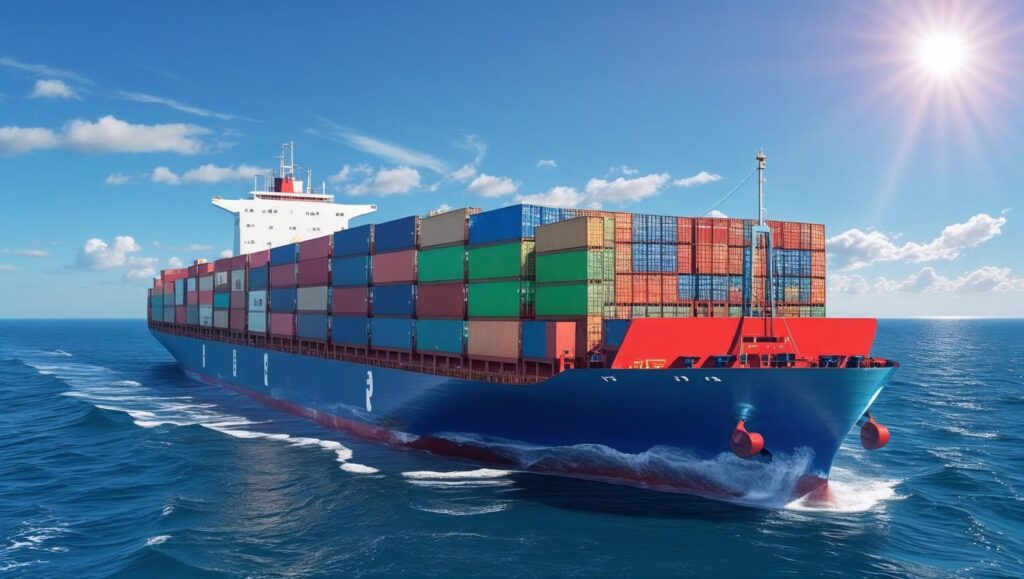
1. What Is 40HQ FCL Shipping and Why Is It Ideal for Solar Panels?
A 40HQ FCL (High Cube Full Container Load) offers 76 cubic meters of cargo capacity—perfect for large or fragile goods such as solar panels. Compared to LCL (Less than Container Load), it ensures exclusive use of the container, minimizing damage and simplifying customs clearance.
Key Advantages for Solar Panels:
- Full container space for bulk shipments
- Lower risk of breakage or contamination
- Optimized packing and temperature protection
- Faster customs processing for single consignee cargo
The high cube’s extra height provides additional room for mounting brackets, inverters, and packaging pallets, making it the preferred option for solar energy equipment.
2. Why Ship Solar Panels from China to Chicago?
China is the global leader in solar panel production, with leading manufacturers located in Jiangsu, Zhejiang, and Guangdong provinces. Meanwhile, Chicago serves as a major logistics hub for the U.S. Midwest, supporting projects across Illinois, Indiana, and Michigan.
Benefits of this trade route:
- Competitive factory pricing from China’s solar suppliers
- Established ocean routes to U.S. West Coast ports
- Seamless intermodal transport via rail to Chicago
- Access to skilled solar installation networks
Therefore, using 40HQ FCL shipping ensures a balanced mix of speed, safety, and scalability for renewable energy importers.
3. What Is the Best Route for 40HQ FCL Shipping from China to Chicago?
The optimal route typically involves sea freight to a U.S. West Coast port followed by rail freight to Chicago. This hybrid method balances cost and transit time effectively.
Table: Common Routes for Solar Panels to Chicago (2025)
| Route | Transit Time | Mode | Cost (USD/Container) | Remarks |
|---|---|---|---|---|
| Shanghai → Los Angeles → Chicago | 25–30 days | Sea + Rail | $4,200 – $4,800 | Fastest & most common |
| Ningbo → Long Beach → Chicago | 26–32 days | Sea + Rail | $4,000 – $4,700 | Reliable for bulk cargo |
| Shenzhen → Seattle → Chicago | 28–35 days | Sea + Rail | $4,300 – $5,000 | Stable during peak season |
| Qingdao → Oakland → Chicago | 30–38 days | Sea + Rail | $4,500 – $5,200 | Ideal for northern suppliers |
Optimal route: Shanghai → Los Angeles → Chicago offers the best cost-to-speed ratio for solar panel shipments.
4. How Long Does It Take to Ship Solar Panels from China to Chicago?
Average 40HQ FCL transit time ranges from 25 to 35 days depending on port congestion, customs clearance, and inland transport.
Typical breakdown:
- Sea freight (China to U.S. West Coast): 15–20 days
- Rail freight (Port to Chicago): 7–10 days
- Customs and delivery: 2–5 days
Importers should allow additional buffer time during high-demand seasons, particularly from August to December, when renewable projects surge.
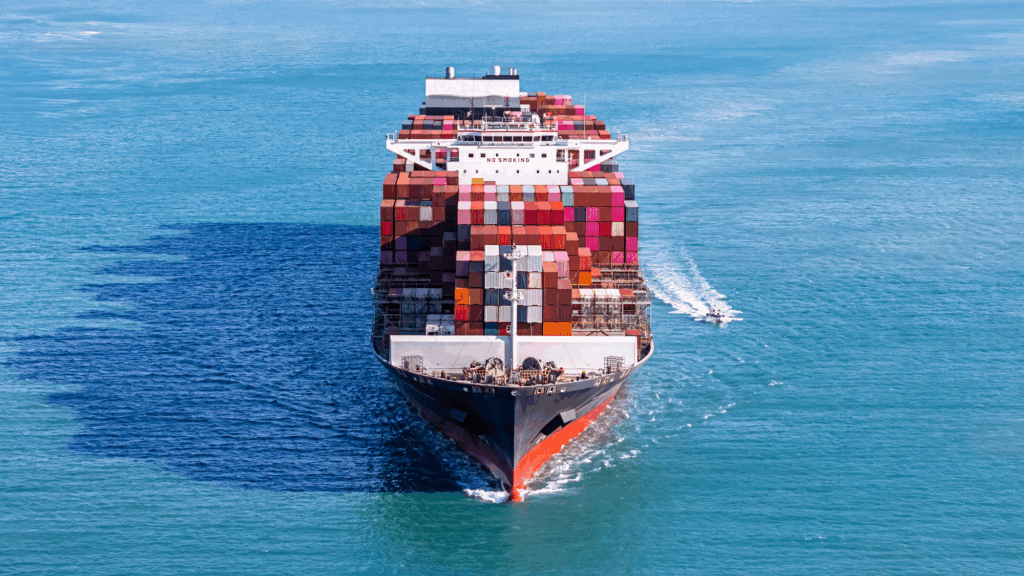
5. What Are the Key Factors That Influence Shipping Time and Cost?
Several variables affect overall logistics performance:
- Carrier choice: Direct service lines offer faster ETAs.
- Port congestion: Busy terminals like LA/LB can add 3–5 days.
- Customs inspection: Randomized checks may delay clearance.
- Rail availability: Intermodal rail schedules impact final delivery.
- Weather conditions: Typhoons or storms can delay sailing schedules.
Proper coordination with your freight forwarder ensures a predictable delivery timeline for time-sensitive solar projects.
6. How Much Does 40HQ FCL Shipping Cost for Solar Panels?
Cost fluctuates due to fuel surcharges, peak-season demand, and exchange rates. In general, shipping a 40HQ FCL from China to Chicago costs between $4,000 and $5,200 per container in 2025.
Table: Estimated 40HQ FCL Shipping Costs
| Component | Estimated Cost (USD) | Description |
|---|---|---|
| Ocean Freight | $2,000 – $2,700 | From China to U.S. port |
| Rail Freight | $1,000 – $1,500 | West Coast to Chicago |
| Port Charges & Handling | $300 – $600 | Loading, unloading, documentation |
| Customs Duties & Clearance | $200 – $400 | Based on HS code 8541.40 (solar cells) |
| Total Estimated Cost | $4,000 – $5,200 | Full route shipping budget |
Choosing door-to-door service through ChinaTopFreight ensures all-inclusive pricing and reduced administrative complexity.
7. What Customs Documents Are Required for Solar Panel Imports?
To comply with U.S. Customs and Border Protection (CBP), you’ll need:
- Bill of Lading (B/L)
- Commercial Invoice
- Packing List
- Certificate of Origin
- Importer Security Filing (ISF)
- Harmonized System (HS) code documentation
- Product Test Certificates (if applicable)
Proper documentation avoids delays and potential demurrage costs at ports.
8. What Are the Common Challenges in Shipping Solar Panels via 40HQ FCL?
Importers face several logistical hurdles:
- Fragile panels require vibration-proof packaging
- Oversized shipments may need weight distribution planning
- High tariffs under U.S. trade policies
- Port congestion and chassis shortages
- Documentation errors causing customs delays
Working with a professional forwarder minimizes such risks, ensuring on-time solar panel delivery to Chicago warehouses or installation sites.
9. Why Is 40HQ FCL Better Than Other Freight Options?
Comparison of Freight Modes for Solar Panels
| Mode | Transit Time | Cost | Capacity | Best For | Pros | Cons |
|---|---|---|---|---|---|---|
| 40HQ FCL (Sea + Rail) | 25–35 days | Medium | High | Bulk solar shipments | Economical & secure | Longer transit |
| Air Freight | 5–8 days | Very High | Low | Urgent small orders | Fastest | Expensive |
| LCL Sea Freight | 35–45 days | Low | Small | Partial loads | Cost-sharing | Higher damage risk |
| Express | 3–6 days | Very High | Low | Samples | Speed | Unsuitable for bulk cargo |
For large-volume solar exports, FCL sea + rail remains the most balanced and reliable solution.
10.Conclusion
In summary, the 40HQ FCL best route for solar panels from China to Chicago combines sea freight efficiency with inland rail reliability, offering cost-effective, large-scale transport for renewable energy products. With proper packaging, customs documentation, and trusted partners, you can ensure safe and timely solar panel deliveries. Collaborate with ChinaTopFreight to optimize your supply chain and power your business with reliable, eco-efficient shipping solutions.
Request a Quote
China Top Freight offers:
- ✅ Origin and Destination Countries
- ✅ Cargo Type and Volume
- ✅ Preferred Transport Method (Air, Sea, Rail, Road)
- ✅ Delivery Timeline
- ✅ Special Handling Requirements (if any)
FAQ
1. What is the capacity of a 40HQ container for solar panels?
A 40HQ container can load around 700–800 standard solar panels, depending on size and packaging configuration.
2. Which Chinese port is best for solar panel exports?
Shanghai and Ningbo are the most efficient due to frequent sailings, lower congestion, and strong rail connectivity to inland destinations.
3. How can I reduce shipping costs for solar panels?
Book early, use FCL instead of LCL, and consolidate shipments through a reliable freight forwarder with carrier partnerships.
4. What are typical customs duties for importing solar panels?
Duties depend on HS code 8541.40 and can range from 2%–5%, subject to trade policy updates and product origin rules.
5. Are there special packaging standards for solar panels?
Panels must be packed in reinforced cartons with foam inserts and palletized for forklift handling to prevent impact damage.