

40HQ FCL Best Route for Toys from China to Germany: A Comprehensive Guide
Navigating international shipping for large volumes of goods, especially toys, demands a strategic approach to logistics. Businesses importing toys from China to Germany often seek the most efficient and cost-effective solutions for their substantial cargo. Understanding the 40HQ FCL best route for toys from China to Germany is crucial for optimizing your supply chain and ensuring timely delivery.
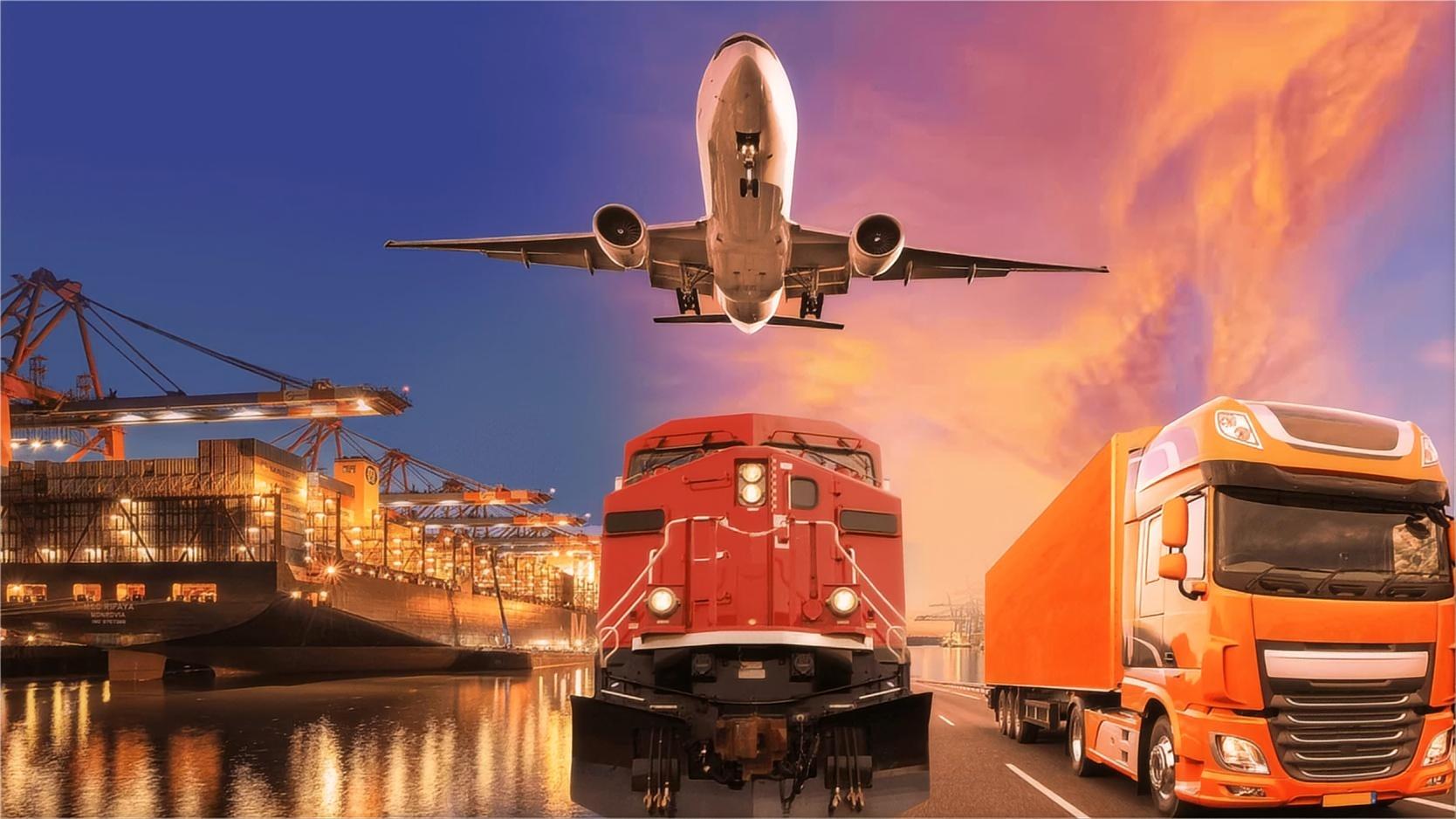
Understanding 40HQ FCL Shipping for Toy Imports
When importing large quantities of toys, a 40HQ (40-foot High Cube) Full Container Load (FCL) often represents the most economical option. This method involves dedicating an entire container to your shipment, providing security and predictability.
Furthermore, choosing FCL shipping means your goods are not consolidated with other shippers’ cargo. Consequently, this minimizes handling, reduces the risk of damage, and can significantly streamline transit times from China to Germany.
Indeed, a 40HQ container offers substantial capacity, typically around 76 cubic meters. Therefore, it is perfectly suited for bulk toy shipments, allowing businesses to maximize their shipping volume and reduce per-unit costs effectively.
Key Factors Influencing Your Shipping Route from China to Germany
Selecting the optimal shipping route involves balancing several critical factors. Each decision impacts the overall cost, speed, and reliability of your toy delivery to Germany.
Primarily, consider the origin port in China and the destination port in Germany. Strategic port selection can significantly reduce inland transportation costs and overall transit time. Subsequently, evaluate the urgency of your shipment, as this will heavily influence the choice between faster, more expensive options and slower, more budget-friendly alternatives.
Moreover, the type of toys being shipped, including their fragility and value, plays a role. Certain routes and shipping methods offer better protection or specialized handling. Finally, understanding current market conditions and logistics trends is essential for making informed decisions.
The Optimal Sea Freight Route: China to Germany for Toys
For the 40HQ FCL best route for toys from China to Germany, sea freight is almost always the go-to solution due to its cost-effectiveness for bulk cargo. Major Chinese ports like Shanghai, Ningbo, Shenzhen, and Qingdao serve as primary departure points.
Typically, these containers sail towards key European ports such as Hamburg or Bremerhaven in Germany, or Rotterdam in the Netherlands. From these major hubs, goods are then transported inland via truck or rail to their final destination.
Direct routes offer the fastest transit times, usually ranging from 28 to 35 days. However, transshipment routes, often via ports like Singapore or Port Klang, can be slightly cheaper but add an additional 5-7 days to the journey. Based on Q3 2024 market rates, direct routes are often preferred for their reliability.
Therefore, choosing a direct service, especially during peak seasons, can safeguard your delivery schedule. This ensures your toy products reach the German market without undue delays.

Navigating Customs and Documentation for Toy Imports
Successful toy imports into Germany necessitate meticulous attention to customs procedures and documentation. Incorrect paperwork can lead to significant delays and penalties, impacting your delivery schedule.
Firstly, ensuring proper classification of toys using Harmonized System (HS) codes is crucial for accurate duty assessment. Additionally, all toys must comply with EU safety standards, notably the CE marking directive. This involves detailed product testing and certification.
Furthermore, a reliable customs brokerage service is indispensable. They can manage import declarations, calculate duties and taxes, and ensure adherence to all German and EU regulations. This expertise minimizes clearance times and avoids costly errors.
Ultimately, preparing all necessary documents like commercial invoices, packing lists, bills of lading, and certificates of conformity in advance is paramount. This proactive approach ensures a smooth and efficient customs clearance process upon arrival in Germany.
How Does Sea Freight Compare to Other Shipping Options?
While sea freight is often the default for 40HQ FCL toy shipments, understanding alternative logistics trends and their trade-offs is vital. Other methods offer varying balances of speed, cost, and cargo handling capabilities.
Indeed, each option presents distinct advantages and limitations. Evaluating these against your specific supply chain requirements will help determine the most suitable strategy for your toy imports.
Market data suggests that for high-volume, non-urgent goods like toys, sea freight remains the most economically viable choice, despite longer transit times. However, for smaller, time-sensitive consignments, other options may be considered.
| Shipping Method | Cost Range (40HQ FCL) | Transit Time (China-Germany) | Best For | Limitations |
|---|---|---|---|---|
| Sea Freight | $3,000 – $4,200 | 28 – 35 days | Large volumes, cost-sensitive, non-urgent cargo | Longest transit time, potential port congestion |
| Rail Freight | $8,000 – $12,000 | 15 – 20 days | Medium urgency, balanced cost/speed, inland destinations | Limited capacity, higher than sea, border delays |
| Air Freight | $15,000 – $25,000+ | 5 – 7 days | Urgent, high-value, small volume shipments | Highest cost, volume/weight restrictions |
Air Freight Considerations for Toys
For urgent or high-value toy shipments, air freight offers unparalleled speed. Transit times typically range from 5-7 days, drastically reducing delivery schedules.
Nevertheless, the cost is significantly higher than sea freight, making it impractical for most 40HQ FCL volumes. Consequently, air freight is generally reserved for samples, emergency stock, or premium, lightweight items. It is rarely the best route for 40HQ FCL toy shipments due to prohibitive shipping costs.
Rail Freight Alternatives: The New Silk Road
Rail freight, particularly via the New Silk Road railway, presents a compelling middle-ground option. It is faster than sea freight (15-20 days) and considerably cheaper than air freight.
This service connects major Chinese cities directly to European hubs like Duisburg or Hamburg. Rail freight offers a good balance of transit time and shipping costs for those needing quicker delivery than sea but not at air freight prices.
However, capacity can be more limited, and routes may face occasional delays due to geopolitical factors or border crossings. Despite this, it’s an increasingly popular choice for a diverse range of cargo, including certain types of toys.
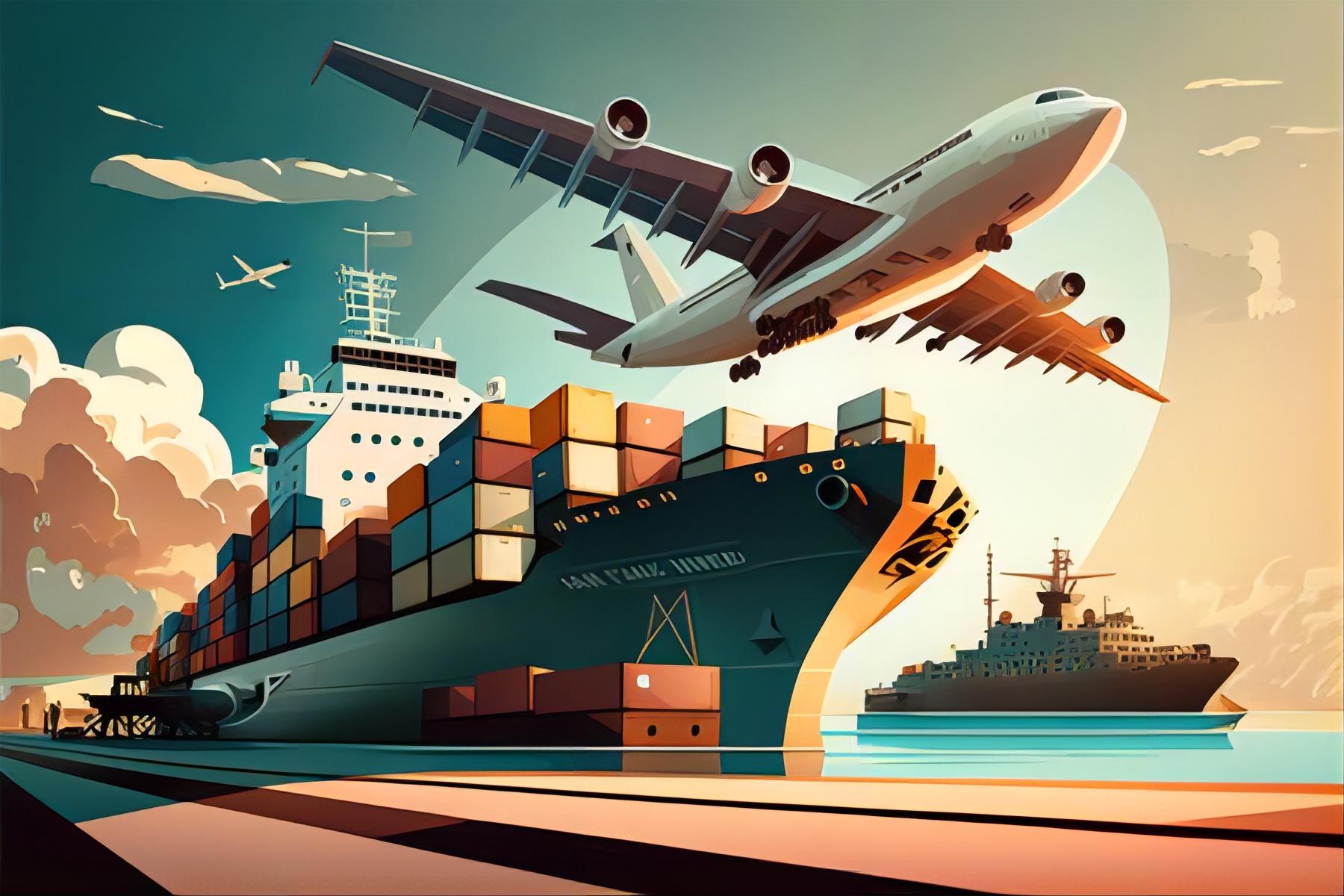
Cost-Saving Strategies and Supply Chain Optimization
Optimizing your supply chain is paramount for reducing overall shipping costs for toys. Several strategies can significantly impact your bottom line beyond just choosing the cheapest freight rate.
Firstly, consider consolidating orders from multiple suppliers into a single 40HQ FCL container. This maximizes container utilization and spreads fixed costs across more goods, thereby lowering per-unit shipping expenses.
Secondly, carefully negotiate Incoterms with your suppliers. Opting for FOB (Free On Board) allows you more control over carrier selection and freight rates, often leading to better deals. Conversely, EXW (Ex Works) places full responsibility on the buyer, which can be complex.
Finally, explore door to door services for a seamless logistics experience. These comprehensive solutions handle everything from pickup at the factory to final delivery, reducing administrative burden and potential hidden costs. This integrated approach simplifies your import process.
Real-World Case Studies: Shipping Toys to Germany
Examining real-world scenarios provides valuable insights into the practical aspects of shipping toys from China to Germany. These examples highlight typical shipping costs, transit times, and potential challenges.
Based on current market rates as of early 2025, these case studies illustrate common logistics trends. They demonstrate how different choices impact the overall success of toy imports.
Understanding these detailed examples can help you better plan your own 40HQ FCL best route for toys from China to Germany. Each scenario offers a unique perspective on managing international freight.
Case Study 1: Large Volume Plush Toys to Hamburg
| Detail | Description |
|---|---|
| Route | Ningbo, China -> Hamburg, Germany |
| Cargo | Plush toys, 72 CBM, 9,500 kg |
| Container | 40HQ FCL |
| Shipping Details | Major carrier (e.g., COSCO), Direct service |
| Port of Loading | Ningbo |
| Port of Discharge | Hamburg |
| Route Type | Direct |
| Ocean Freight | $3,850 |
| Origin Charges (THC, documentation) | $450 |
| Destination Charges | $600 |
| Customs & Duties (estimated) | $1,500 |
| Total Landed Cost | $6,400 |
| Booking to Loading | 5 days |
| Sea Transit | 30 days |
| Customs Clearance | 3 days |
| Total Door-to-Door | 38 days |
| Key Insight | Reliable direct service minimized transit time, crucial for Q4 holiday stock. Q4 peak season rates were 15% higher than off-peak. |
Case Study 2: Educational Board Games to Bremerhaven
| Detail | Description |
|---|---|
| Route | Shanghai, China -> Bremerhaven, Germany |
| Cargo | Educational board games, 68 CBM, 11,000 kg |
| Container | 40HQ FCL |
| Shipping Details | Major carrier (e.g., Maersk), Transshipment via Singapore |
| Port of Loading | Shanghai |
| Port of Discharge | Bremerhaven |
| Route Type | Transshipment via Singapore |
| Ocean Freight | $3,100 |
| Origin Charges (THC, documentation) | $400 |
| Destination Charges | $550 |
| Customs & Duties (estimated) | $1,800 |
| Total Landed Cost | $5,850 |
| Booking to Loading | 7 days |
| Sea Transit | 38 days |
| Customs Clearance | 4 days |
| Total Door-to-Door | 49 days |
| Key Insight | Opting for transshipment saved initial ocean freight cost but added a week to transit. This was acceptable for a less time-sensitive product launch. |
Case Study 3: Plastic Toy Figures to Hamburg with Amazon FBA
| Detail | Description |
|---|---|
| Route | Shenzhen, China -> Hamburg, Germany (for Amazon FBA) |
| Cargo | Plastic toy figures, 70 CBM, 10,000 kg |
| Container | 40HQ FCL |
| Shipping Details | Major carrier (e.g., MSC), Direct service, Amazon FBA prep |
| Port of Loading | Shenzhen |
| Port of Discharge | Hamburg |
| Route Type | Direct |
| Ocean Freight | $4,000 |
| Origin Charges (THC, documentation) | $500 |
| Destination Charges | $650 |
| Customs & Duties (estimated) | $1,600 |
| Total Landed Cost | $6,750 |
| Booking to Loading | 6 days |
| Sea Transit | 32 days |
| Customs Clearance | 3 days |
| Total Door-to-Door | 41 days |
| Key Insight | Seamless integration with FBA services, including labeling and palletization, ensured direct delivery to Amazon warehouse after port clearance. This streamlined the final mile logistics. |
Which Shipping Option Should You Choose? A Decision Framework
Choosing the ideal shipping method for your 40HQ FCL toy imports depends heavily on your business priorities. Consider these factors to make the most informed decision.
Budget priority: If minimizing shipping costs is your primary concern, sea freight via a direct route is almost always the most economical choice. Look for competitive freight rates during off-peak seasons.
Speed priority: For time-sensitive product launches or replenishing fast-selling inventory, rail freight offers a good balance of speed and cost. Air freight is reserved for extreme urgency or high-value, low-volume items.
Cargo type considerations: Durable, non-perishable toys are well-suited for sea freight. Fragile or high-value items might benefit from the reduced handling of FCL sea freight or the faster transit of rail, mitigating risk. Always ensure proper packaging.
Volume thresholds: For a full 40HQ container, FCL sea freight is inherently efficient. However, if your volume occasionally drops below this, consider a hybrid approach or consolidating multiple smaller orders to fill the container.
Conclusion: Securing Your Optimal Toy Shipping Route
Ultimately, selecting the 40HQ FCL best route for toys from China to Germany requires a thorough understanding of various factors. These include shipping costs, transit time, customs regulations, and your specific supply chain demands.
By strategically choosing sea freight, leveraging efficient port connections, and meticulously handling documentation, businesses can achieve significant cost savings and improve delivery reliability. Moreover, considering alternative methods like rail for specific needs offers flexibility.
Partnering with an experienced freight forwarder is essential for navigating these complexities. They can provide tailored solutions, manage logistics trends, and ensure your toy imports arrive in Germany efficiently and on schedule. This strategic partnership is key to long-term success.
Ready to streamline your logistics?
Ready to optimize your toy imports? Contact us today for a personalized quote and expert advice on the 40HQ FCL best route for toys from China to Germany. Our team is prepared to streamline your supply chain and ensure efficient delivery.
Request Quote