

- By kelly
- December 5, 2025
- Logistics, Tips or Guide
40HQ FCL Booking Process for Medical Equipment from China to Spain
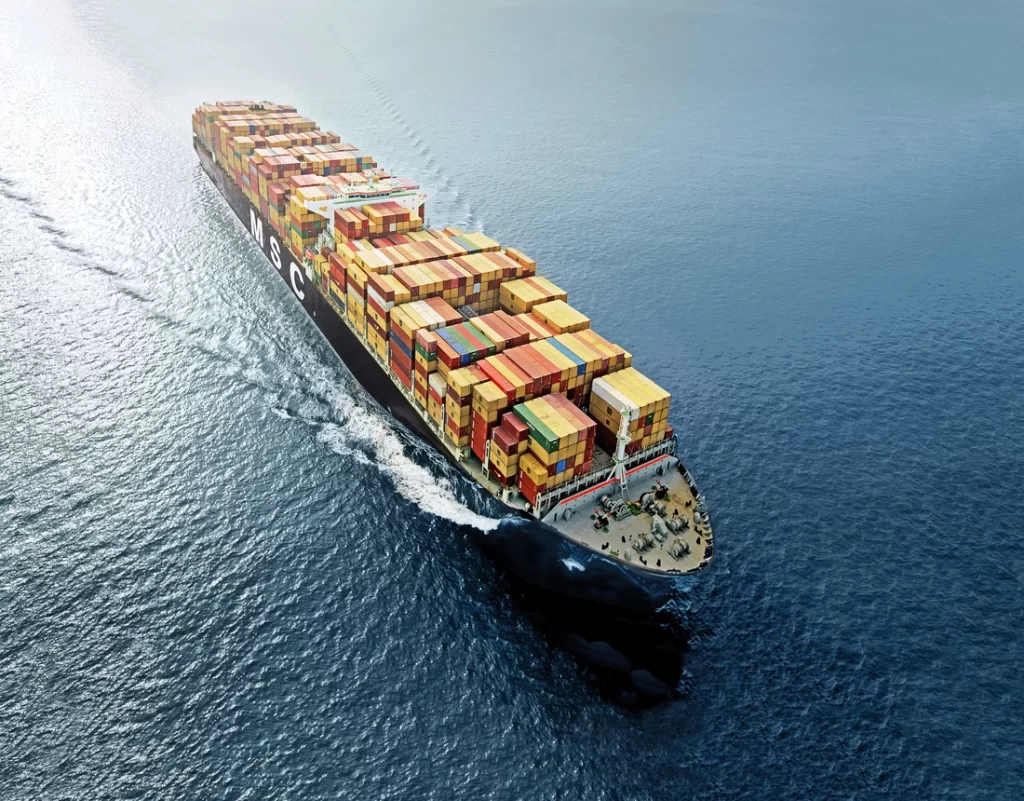
Managing the 40HQ FCL booking process for medical equipment from China to Spain involves far more than reserving a container. With strict regulatory compliance, temperature-sensitive cargo, and high-value goods, logistics planning must be precise. However, by understanding each step—from pre-booking to customs clearance—you can ensure a smooth, efficient, and cost-effective shipment.
1. What Is a 40HQ FCL Container and Why Use It for Medical Equipment?
A 40HQ (High Cube) FCL (Full Container Load) container is a 40-foot shipping container with extra vertical space, ideal for bulky or voluminous cargo like medical equipment.
Why 40HQ FCL Is Preferred
- More internal volume (76.4 m³) than standard 40GP
- Exclusive use of the container reduces contamination and damage risk
- Suitable for fragile, regulated, or high-value medical cargo
- Cost-effective for full-load shipments of diagnostic devices, surgical units, or hospital beds
Long-tail keywords included: medical equipment container shipping, 40HQ container capacity, FCL cargo safety, logistics for hospital supplies, full-load medical shipping.
2. How Does the 40HQ FCL Booking Process Work?
The booking process involves coordination between supplier, freight forwarder, shipping line, and customs agents.
Step-by-Step Booking Process
| Stage | Description |
|---|---|
| 1. Cargo Readiness | Confirm equipment specs, dimensions, packaging needs |
| 2. Freight Quote | Get a door-to-door or port-to-port quote from a forwarder |
| 3. Book Space | Reserve a 40HQ FCL with chosen carrier |
| 4. Arrange Pickup | Truck cargo to the export port (FOB) or from supplier (EXW) |
| 5. Export Clearance | Chinese customs inspection, docs submission |
| 6. Vessel Loading | Container loaded at origin port |
| 7. Ocean Transit | Ship en route to Spain (usually via Suez or Med Sea) |
| 8. Import Clearance | Spanish customs declaration and inspection |
| 9. Delivery | Truck to consignee or warehouse in Spain |
Each stage must be scheduled properly to avoid demurrage, delays, or customs issues.
3. What Is the Typical Transit Time for 40HQ FCL to Spain?
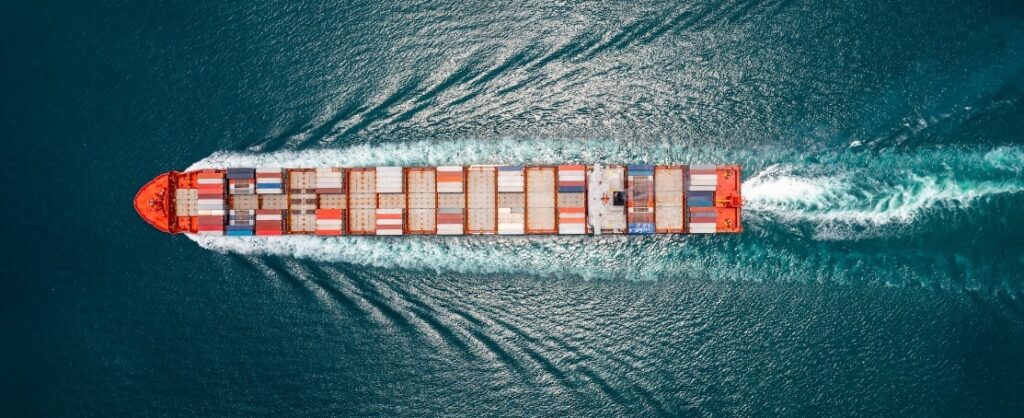
Transit time varies based on the origin port, routing, and shipping line.
Estimated Transit Time from China to Spain
| Origin Port (China) | Spanish Port | Transit Time (Days) | Notes |
|---|---|---|---|
| Shanghai | Valencia | 28–35 | One of the fastest direct routes |
| Shenzhen/Yantian | Barcelona | 30–38 | Slightly longer, stable service |
| Ningbo | Bilbao | 32–40 | May involve transshipment |
| Qingdao | Valencia | 35–42 | Best for North China factories |
Transit times can be extended due to port congestion or customs issues.
Semantic keywords: transit time estimates, medical supply delivery schedule, Spain port timelines, China to EU shipping.
4. What Are the Shipping Costs for 40HQ FCL Medical Equipment?
Shipping rates fluctuate monthly due to fuel surcharges, GRI, and container availability.
Estimated Cost Breakdown (2025)
| Cost Element | Estimated Range (USD) |
|---|---|
| Ocean Freight (Base) | $3,800 – $4,800 |
| Origin Charges (THC, docs) | $400 – $600 |
| Customs & Compliance Fees | $300 – $500 |
| Inland Delivery (Spain) | $400 – $700 |
| Total Estimate (All-In) | $4,900 – $6,600 |
High-value cargo insurance and special handling fees may apply for specific devices.
5. What Are the Required Documents for Shipping Medical Equipment to Spain?
Medical goods are often regulated by Spanish and EU health authorities. Documentation must be accurate and complete.
Customs Documents Checklist
| Document | Purpose |
|---|---|
| Commercial Invoice | Declares value, HS code, and country of origin |
| Packing List | Lists item details and weight |
| Bill of Lading | Issued by carrier for shipment tracking |
| CE Certificates | Required for EU compliance (e.g., MDR) |
| Import License (if needed) | For regulated diagnostic or clinical equipment |
| MSDS | For devices with batteries or hazardous parts |
Additionally, incorrect labeling or HS coding can trigger border inspection and delay release.
6. What Types of Medical Equipment Are Commonly Shipped in 40HQ FCL?
Medical shipments can be extremely diverse, ranging from mobile imaging systems to consumables.
Commonly Shipped Items
- MRI and CT scanning units
- Laboratory analyzers
- Dental chairs and surgical tables
- Dialysis machines and monitors
- Hospital beds and wheelchairs
- Disinfection or sterilization units
40HQ FCL allows these bulky items to be packed securely while minimizing damage during loading and unloading.
7. Should You Choose FOB or EXW for Medical Equipment Shipping?
Your Incoterms determine who arranges export and transportation.
| Term | Responsibility (China Side) | Responsibility (Importer Side) | Best For |
|---|---|---|---|
| FOB | Supplier handles export | Importer arranges ocean freight | Most common, better freight control |
| EXW | Importer handles everything | Full logistics control needed | Suitable for experienced importers |
For most medical shipments, FOB is recommended unless you want complete control from factory to final delivery.
8. What Are the Pros and Cons of Sea vs Air vs Rail for Medical Equipment?
Shipping mode selection affects cost, delivery, and risk exposure.
Shipping Method Comparison
Sea freight is ideal for large hospital deliveries, while air is reserved for time-sensitive medical devices.
9. How to Prepare Medical Equipment for International Shipping?
Proper packaging reduces transit damage and ensures customs acceptance.
Key Preparation Steps
- Use shock-proof crates for fragile machinery
- Label packages with international standards (UN codes, CE markings)
- Maintain a detailed packing list with serial numbers
- Add desiccants and temperature monitors where needed
- Ensure pre-shipment inspection certificates (if required by Spain)
Professional crating and palletizing services are recommended for expensive machines.
10. Why Partner with a Freight Forwarder for Medical Equipment Shipping?
Shipping medical devices is more complex than standard freight.
Freight Forwarder Advantages
- Access to guaranteed 40HQ FCL space
- Experience with MDR, CE, and customs compliance
- Pre-booking for faster vessel placement
- Real-time tracking from pickup to delivery
- Specialized packaging and handling for fragile goods
Therefore, choosing a medical logistics expert reduces compliance risks and ensures a smoother process.
📦Get a Free Quote
Need help with the 40HQ FCL booking process for medical equipment from China to Spain? Our logistics specialists are ready to assist. From documentation to container booking, we ensure your equipment arrives safely, on time, and in full regulatory compliance. Request a quote now and simplify your next shipment.
❓ Frequently Asked Questions
1. How early should I book a 40HQ FCL for medical equipment?
Ideally, book 3–4 weeks in advance to secure space and handle compliance paperwork in time.
2. Can I ship high-tech medical devices by sea safely?
Yes. With proper packaging and climate control, sea freight is safe for most large equipment.
3. What is the average transit time to Spain?
Most shipments take 28–40 days depending on the departure port and shipping line.
4. Is CE certification required for medical imports to Spain?
Yes. All equipment must meet EU MDR or IVDR standards and display the CE mark.
5. What Incoterm is best for shipping medical devices?
FOB is preferred as it splits responsibility fairly and allows the importer to control freight.
Conclusion
The 40HQ FCL booking process for medical equipment from China to Spain requires thorough planning, compliance awareness, and detailed coordination. From selecting the right container and shipping line to preparing documentation and customs entries, each step impacts the success of your shipment. By working with a specialized freight forwarder, importers can streamline operations, reduce costs, and ensure timely, safe delivery of critical healthcare assets. Whether shipping to Madrid hospitals or Spanish distributors, trust in a process that protects both your cargo and your bottom line.