

Shipping textiles in a full 40HQ container from China to Italy often faces last-mile challenges, especially detention charges caused by slow unloading, tight trucking schedules, or customs delays. Because these expenses accumulate rapidly, importers urgently need a 40HQ FCL detention prevention for textiles from China to Italy solution that ensures efficiency, cost reduction, and predictable supply chain performance.
This guide explains how textile importers can avoid detention fees, strengthen container flow, and maintain full control of their China–Italy logistics.
What Does 40HQ FCL Detention Mean for Textile Importers?
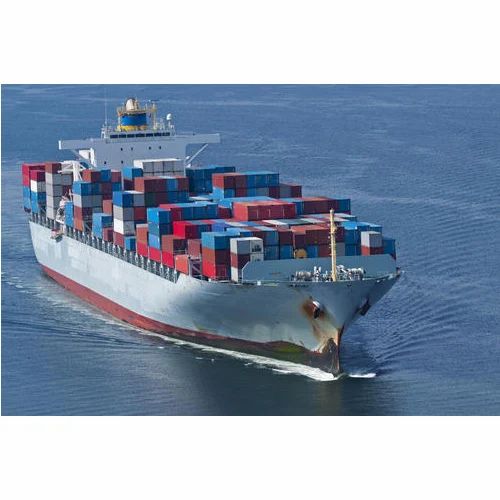
Detention refers to charges applied when you keep an empty container beyond the free days allowed after unloading. Textile shipments often face this risk because unloading large, palletized or bales-packed textile loads requires time, labor, and warehouse coordination. Moreover, Italian inland transport schedules are often congested, increasing the risk of container delay during return.
Detention affects profit margins, especially when importing high-volume, low-margin textile categories such as cotton apparel, yarn, home textiles, and fast-fashion inventory.
Why Is Detention a Common Challenge for China-to-Italy Textile Shipments?
Textile supply chains operate under tight fashion cycles and seasonal deadlines. However, importers face challenges like inconsistent customs documentation, port congestion at Genoa or La Spezia, limited warehouse receiving hours, and unpredictable inland trucking availability. Because these issues accumulate in real operations, detention is more likely unless preventive planning is prioritized.
Additionally, textile shipments often involve multiple suppliers, resulting in diverse packing structures that can slow down unloading and container return.
How Does the 40HQ FCL Shipping Process Affect Detention Risks?
A typical 40HQ textile shipment from China to Italy includes:
- Supplier packing and container loading
- Export declaration
- Ocean transit
- Italian port arrival
- Customs clearance
- Inland trucking
- Warehouse unloading
- Container return to depot
Delays at any of these steps create detention exposure. Therefore, importers must optimize both pre-shipment and post-arrival processes to prevent unnecessary charges.
Which Textile Types Are Most Sensitive to Detention Scenarios?
Different textile categories affect unloading speed and handling complexity. Therefore, importers must understand specific risks for each type.
Common Textile Categories at Risk
- Cotton garments and fashion apparel
- Polyester yarn and filament yarn
- Home textile products (curtains, bedding)
- Bulk fabric rolls
- Mixed factory loads for e-commerce brands
Since these items are typically packed densely in a 40HQ container, unloading may require extended labor hours, increasing detention risk.
What Are the Transit Times for 40HQ FCL Shipments from China to Italy?
Transit times vary by departure port, carrier schedule, and route (direct vs. transshipment). Additionally, weather patterns and seasonal congestion can extend delivery times.
TABLE 1 — Transit Time by Major China Ports (4 Columns, 4–5 Rows)
| POL (China) | POD (Italy) | Transit Time | Notes |
|---|---|---|---|
| Shanghai | Genoa | 28–33 days | Stable direct services |
| Ningbo | La Spezia | 30–35 days | Potential transshipment |
| Shenzhen | Genoa | 32–38 days | Longer due to routing |
| Qingdao | Trieste | 33–40 days | Frequent feeder delays |
Efficient transit planning reduces uncertainty, helping importers prepare customs and trucking assignments earlier—therefore lowering detention risk.
What Are the Typical Costs Involved in 40HQ FCL Shipping to Italy?
Textile importers must understand cost structure because detention charges accumulate on top of pre-existing shipping expenses.
Key cost areas include:
- Ocean freight rate for 40HQ
- THC & port handling fees
- Documentation charges
- Customs clearance fees
- Inland trucking
- Detention & demurrage fees
Costs fluctuate based on seasonality, fuel surcharges, and Italy’s port congestion trends.
TABLE 2 — Sample Cost Breakdown for 40HQ Textile Cargo (4 Columns)
| Cost Category | Typical Range | Responsible Party | Notes |
|---|---|---|---|
| Ocean Freight | $2,800–$3,900 | Shipper/Importer | Rate varies by carrier |
| Destination THC | €300–€450 | Importer | Charged at Italian ports |
| Trucking (POD→Warehouse) | €200–€380 | Importer | Depends on location |
| Detention Fees | €60–€150/day | Importer | Increases after free days |
These figures help importers anticipate budgeting and minimize unexpected expenses.
Are you ready to book?
Access live instant freight quotes
How Do Customs Delays in Italy Contribute to Detention?
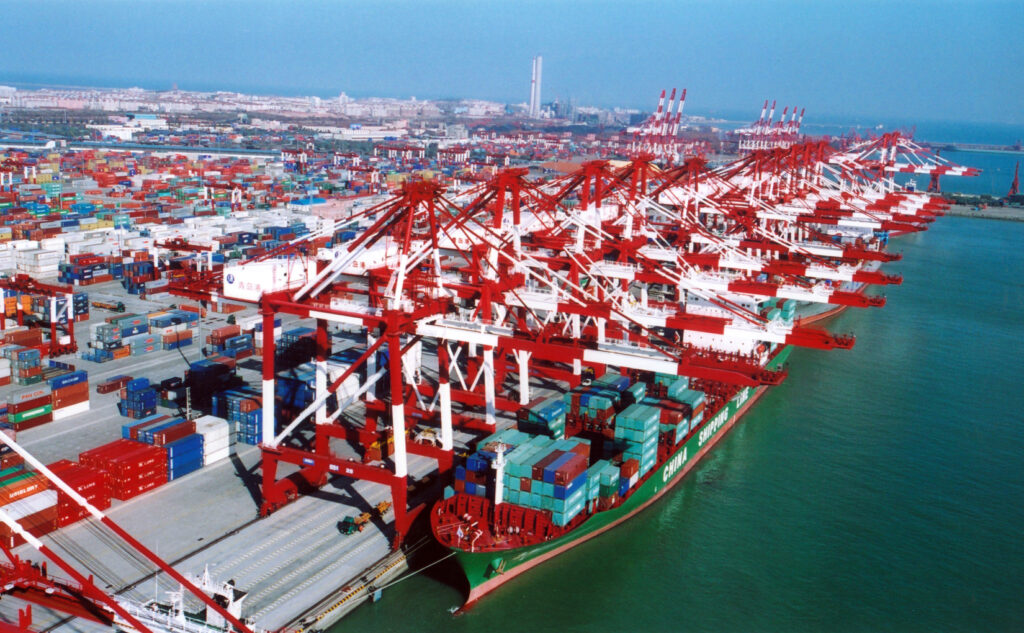
Textile shipments undergo detailed customs scrutiny due to fabric classifications, HS code complexity, and potential anti-dumping categories. Therefore, inaccurate documentation may cause customs holds, inspections, or full examination.
Common Causes of Customs Delay
- Incorrect HS codes
- Missing origin certificates
- Inconsistent packing list dimensions
- Mismatch between invoice & physical cargo
- Random inspection orders
Because customs delays directly reduce free time before container return, importers must prepare documents with accuracy.
TABLE 3 — Essential Customs Documents Checklist for Textile Imports (4 Columns)
| Document Type | Required For | Issued By | Importance |
|---|---|---|---|
| Commercial Invoice | Customs Filing | Supplier | Must match textile categories |
| Packing List | Inspection | Supplier | Helps verify fabric roll details |
| Bill of Lading | Cargo Release | Carrier | Must be original or telex |
| Certificate of Origin | Preferential Tariffs | Chamber of Commerce | Avoids duty discrepancies |
Correct documentation therefore accelerates clearance and reduces detention exposure.
What Causes Detention Charges for 40HQ Textiles in Italy?
Several factors influence detention, and many are preventable:
Main Detention Triggers
- Late customs clearance
- Warehouse receiving constraints
- Truck appointment delays
- Carrier’s limited free days
- High-volume seasonal arrivals
Moreover, textile importers often operate tight schedules, increasing the chance of container turnover delays.
How to Prevent Detention When Shipping Textiles from China to Italy?
Detention prevention requires a combined strategy involving suppliers, carriers, customs agents, and warehouses.
Key Strategies for Effective Prevention
1. Secure Sufficient Free Days
Negotiate extended free days when booking the 40HQ container. Many carriers offer 10–14 days; negotiated accounts may secure 18–21 days.
2. Pre-Clear Customs
Submit all customs documents before the vessel arrival to accelerate release.
3. Coordinate Trucking Appointments Early
Italian trucking schedules become congested during peak seasons, so pre-booking prevents delays.
4. Prepare the Warehouse for Fast Unloading
Textile shipments require manpower; therefore, ensure forklifts, trolleys, and staff are ready before container arrival.
5. Use Accurate Packing and Labeling
Proper textile packaging reduces confusion and speeds up unloading.
6. Choose Reliable Carriers
Reliable carriers reduce transit unpredictability, making customs and trucking easier to schedule.
Should You Standardize Textile Packing to Reduce Unloading Time?
Yes. Standardizing packaging—such as consistent roll lengths, palletized cartons, or bale dimensions—dramatically reduces unloading time.
Moreover, standardized packaging helps Italian warehouse teams prepare equipment in advance, minimizing detention risk.
Conclusion
An effective 40HQ FCL detention prevention for textiles from China to Italy strategy requires synchronized planning, accurate customs documentation, proactive trucking coordination, and fast warehouse unloading. By preparing early, negotiating adequate free days, and leveraging professional logistic partners, textile importers can eliminate costly detention fees and maintain supply chain efficiency. With the right workflow, businesses enjoy smoother operations, predictable costs, and stronger reliability across their China–Italy logistics network.
FAQ
1. How many free days are typically included for 40HQ containers in Italy?
Most carriers provide 10–14 free days, although negotiated contracts can offer up to 21 days. Additional free days significantly help reduce detention risks for textile shipments.
2. What is the fastest way to clear textile cargo in Italy?
Submitting customs documents early, ensuring HS codes are accurate, and coordinating with an experienced customs broker helps accelerate clearance and reduce container delays.
3. Can I avoid detention if my warehouse is far from the Italian port?
Yes. Scheduling early trucking appointments, preparing for fast unloading, and negotiating extended free days can prevent detention even with long inland distances.
4. Why are textile shipments more prone to delays at unloading?
Textiles often come as rolls, bales, or mixed SKUs, which require extra handling time. Warehouse labor requirements make unloading slower compared to standard cartonized cargo.
5. How can inaccurate documents impact detention charges?
Incorrect packing lists or HS codes may trigger customs holds, causing delays that reduce free time. Accurate documents reduce risks and speed up processing.