40HQ FCL Freight Rate for Medical Equipment from China to Sweden
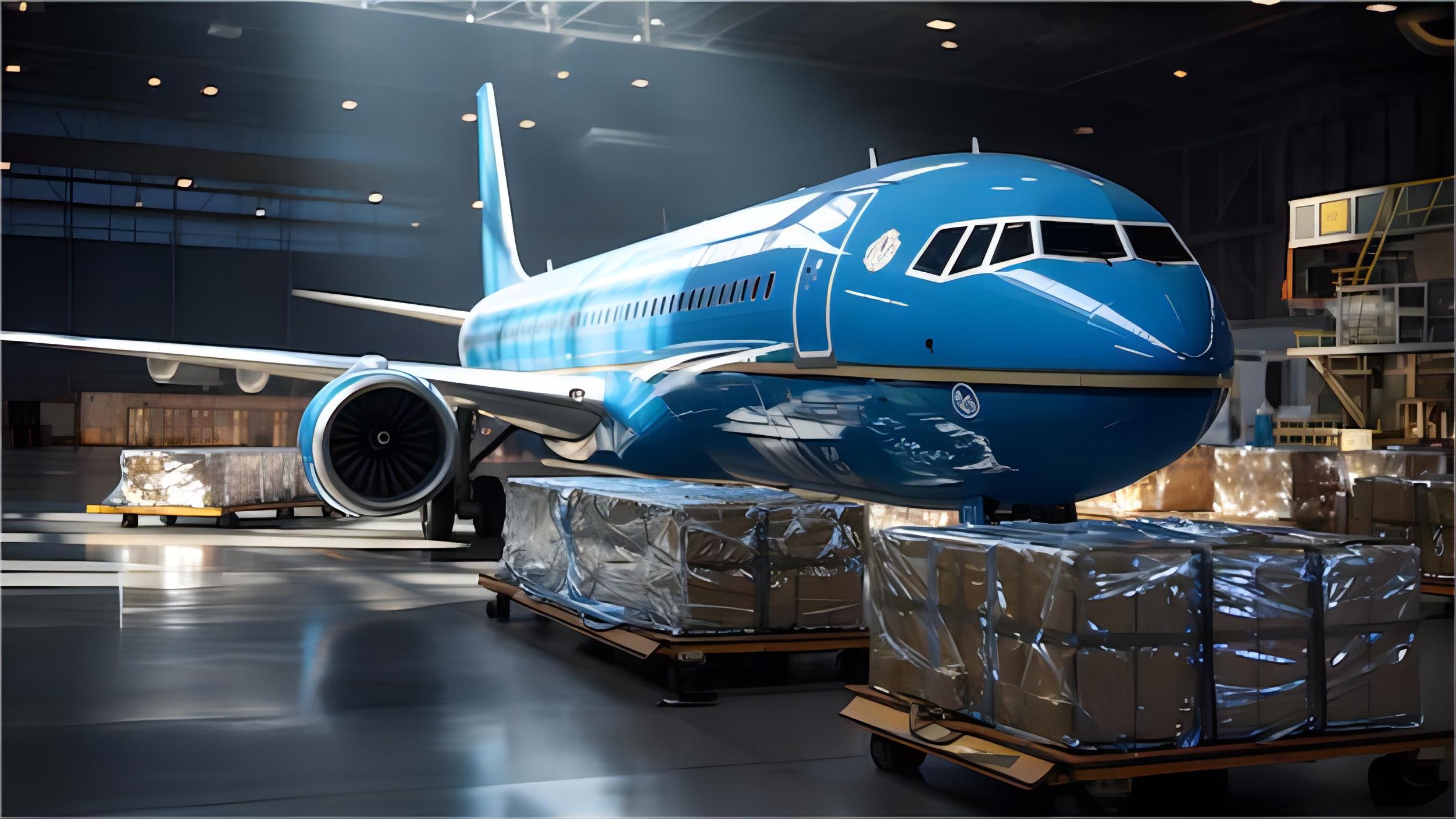
Shipping medical equipment from China to Sweden demands careful planning, especially when considering the 40HQ FCL freight rate. Securing an entire 40-foot high cube container ensures dedicated space and enhanced security for your valuable cargo. Understanding the intricacies of this route is crucial for optimizing your supply chain and ensuring timely delivery. For comprehensive logistics solutions, visit China Top Freight.
What is a 40HQ FCL and Why is it Ideal for Medical Equipment to Sweden?
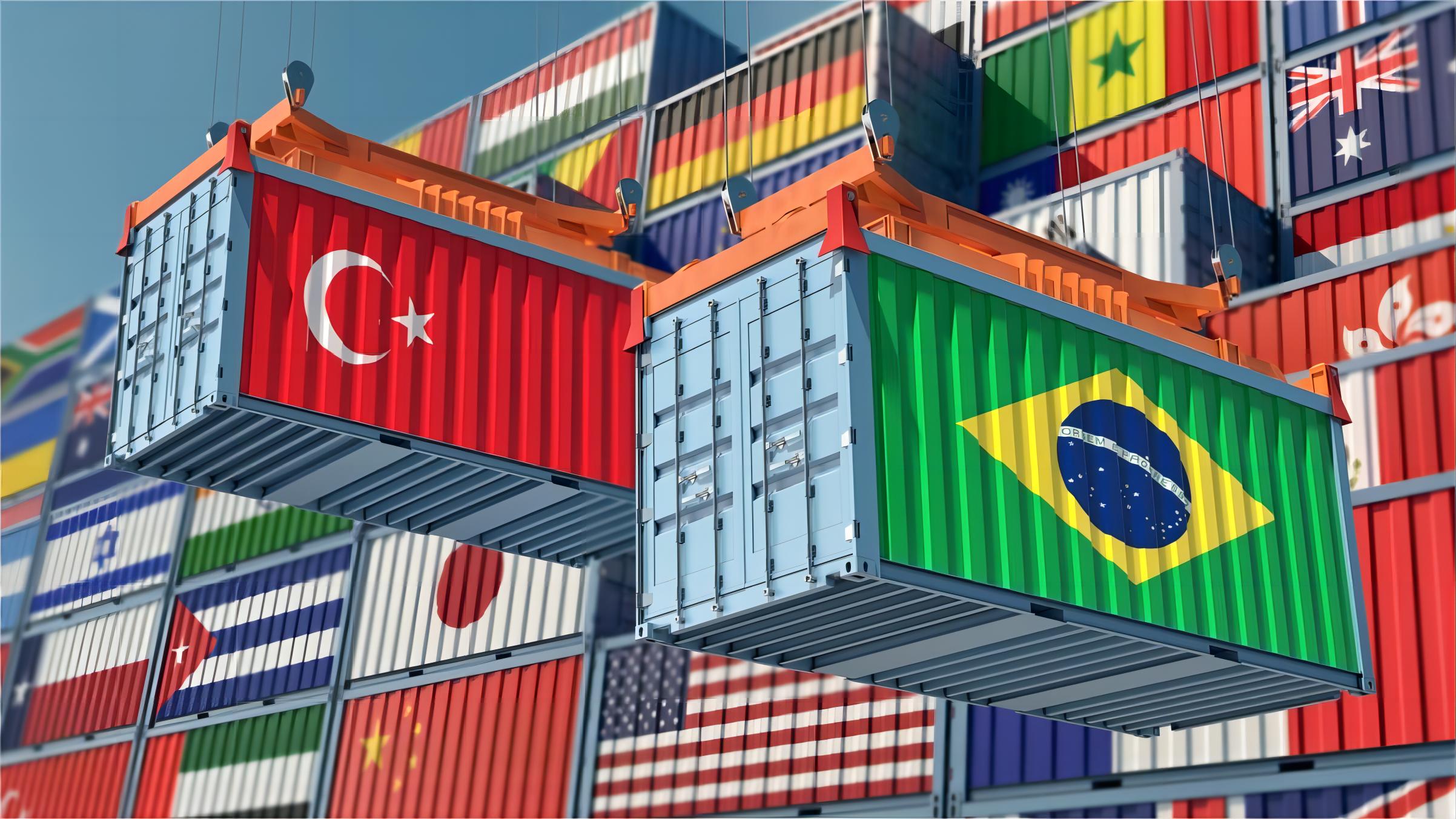
A 40HQ FCL, or 40-foot High Cube Full Container Load, represents a standard shipping container that is one foot taller than a regular 40-foot container. This additional height provides approximately 10% more cubic capacity, making it exceptionally useful for bulky medical equipment. Opting for FCL means your goods occupy the entire container, offering superior protection and reducing handling risks.
Choosing a 40HQ FCL for medical equipment destined for Sweden offers several distinct advantages. Primarily, it minimizes the risk of damage or contamination that can occur with Less than Container Load (LCL) shipments, where goods are consolidated with other cargo. Furthermore, it streamlines customs procedures, as the entire container belongs to a single consignee.
Specifically, the dedicated space of FCL shipping is paramount for sensitive items like diagnostic machines, surgical instruments, or hospital furniture. These items often require specific handling and cannot be exposed to potential damage from other freight. Therefore, the security and integrity of your medical devices are significantly enhanced with FCL.
Moreover, when shipping medical equipment from China to Sweden, an FCL container often proves more cost-effective for larger volumes. Although the initial outlay might seem higher than LCL per unit, the overall cost per cubic meter typically decreases significantly. This makes sea freight via FCL an economical choice for substantial orders, ensuring your supply chain remains efficient.
What Factors Determine the 40HQ FCL Freight Rate from China to Sweden?
The 40HQ FCL freight rate for medical equipment from China to Sweden is influenced by numerous dynamic factors. Understanding these elements is key to budgeting and strategic planning. These variables include market supply and demand, fuel prices, and the specific ports of origin and destination.
Current market conditions, for instance, play a significant role. As of early 2025, rates have generally stabilized after recent global disruptions, but regional conflicts or port congestion can still cause fluctuations. Moreover, seasonal peaks, such as the period before Chinese New Year or the Q3 holiday season, typically drive up shipping costs by 15-25% due to increased demand and reduced capacity.
Furthermore, the choice of shipping carrier also impacts the final rate. Major carriers like Maersk, MSC, and COSCO offer varying service levels and pricing structures. Factors such as transit time guarantees, vessel availability, and the carrier’s network strength can influence their quotes. Therefore, comparing multiple options is always advisable.
Beyond the base ocean freight, several surcharges contribute to the overall cost. These include Bunker Adjustment Factor (BAF) for fuel, Currency Adjustment Factor (CAF), Terminal Handling Charges (THC) at both origin and destination, and documentation fees. Incoterms chosen for the shipment (e.g., FOB, EXW, CIF) will also dictate which party is responsible for these various charges.
| Cost Component | Typical Range (USD) | Description |
|---|---|---|
| Ocean Freight (40HQ) | $3,000 – $4,200 | Base cost from China port to Sweden port, as of early 2025 |
| Bunker Adjustment Factor (BAF) | $300 – $800 | Fuel surcharge, varies by carrier and route |
| Terminal Handling Charge (THC) | $150 – $350 | Fees for handling container at origin/destination ports |
| Documentation Fees | $50 – $150 | Charges for Bill of Lading, manifest, etc. |
| Customs Clearance (Sweden) | $100 – $250 | Local agent fees for import declaration |
| Inland Haulage (China) | $200 – $700 | Transport from factory to China port (variable) |
| Inland Haulage (Sweden) | $300 – $900 | Transport from Sweden port to final destination (variable) |
How Does 40HQ FCL Sea Freight Compare to Other Shipping Options for Medical Supplies?
While 40HQ FCL sea freight is often the preferred method for large volumes of medical equipment, it is important to consider alternative shipping solutions. Each method offers a different balance of cost, speed, and suitability for various cargo types. For example, smaller, urgent shipments might benefit from faster transit times.
Comparing sea freight with air freight reveals significant differences in both cost and speed. Air cargo is substantially faster, typically delivering within 5-7 days, but at a much higher price point. This option is generally reserved for high-value, time-critical, or smaller consignments of medical supplies where delays could have severe consequences.
Conversely, Less than Container Load (LCL) sea freight offers a more economical alternative for smaller shipments that do not justify a full container. With LCL, your medical equipment shares container space with other cargo, reducing per-unit shipping costs. However, LCL shipments often involve more handling and longer transit times due to consolidation and deconsolidation processes.
Regarding rail freight, while it’s a viable option for shipping from China to other parts of Europe, direct rail links to Sweden are less common for FCL. Rail freight typically offers a balance between sea and air in terms of speed and cost for continental routes. However, for an island nation like Sweden, intermodal transport (rail-sea) would be required, adding complexity and potentially negating some benefits.
Note: Freight rates are subject to change based on fuel costs, carrier capacity, and seasonal demand. Contact us for a current quote tailored to your specific shipment.
| Shipping Method | Cost Range (40HQ Equivalent) | Transit Time | Best For | Limitations |
|---|---|---|---|---|
| 40HQ FCL Sea Freight | $3,000 – $4,200 | 28-35 days | Large volumes, non-urgent, cost-sensitive medical equipment | Longer transit times, less flexibility for small orders |
| LCL Sea Freight | $50 – $80 per CBM | 35-45 days | Smaller volumes (under 15 CBM), non-urgent medical supplies | More handling, potential for delays, higher per-unit cost than FCL |
| Air Cargo | $15,000 – $25,000 | 5-7 days | Urgent, high-value, temperature-sensitive, or small critical medical devices | Significantly higher cost, volume/weight restrictions |
Decision Framework: Which Option Should You Choose?
Selecting the best shipping method depends heavily on your priorities and the specific characteristics of your medical equipment. Consider these factors to make an informed decision.
If budget is your primary concern and you have a large volume of non-urgent medical devices, 40HQ FCL sea freight is typically the most cost-effective choice. This method offers excellent value for money for substantial shipments.
However, if speed is paramount for urgent medical supplies or high-value, perishable items, air freight is the recommended option, despite its higher cost. The rapid transit time can be critical for patient care or to meet tight deadlines.
For smaller volumes (under 15 CBM) that are not time-sensitive, LCL sea freight provides a good balance between cost and efficiency. This allows you to avoid paying for an entire container when your goods don’t fill one. Hybrid solutions, like sea-air, can also be explored for a middle-ground approach, combining the cost-effectiveness of sea freight with the speed of air freight for the final leg.

What are the Typical Transit Times and Key Routes for China to Sweden Shipments?
Understanding the transit times and primary shipping routes is essential for effective supply chain management. The journey for a 40HQ FCL from China to Sweden typically involves major ports and can vary based on direct services versus transshipment routes.
Major Chinese ports for exporting medical equipment include Shanghai, Ningbo, and Shenzhen, known for their extensive global shipping networks. In Sweden, the main ports of entry are Gothenburg and Stockholm, both equipped to handle large container volumes. The choice of port can influence the overall transit duration.
Generally, direct services from China to Sweden offer the fastest sea transit, avoiding intermediate stops that add days to the journey. A direct route might take approximately 28-35 days. However, direct routes can sometimes be more expensive or less frequent than services involving transshipment.
Transshipment routes, often via major hubs like Singapore, Port Klang, or Rotterdam, involve transferring cargo from one vessel to another. While potentially more economical, these routes typically extend the total transit time by 5-10 days. Therefore, evaluating the trade-off between cost and speed is crucial when selecting a service. Market data suggests that these times are typical as of early 2025.
| Origin Port (China) | Destination Port (Sweden) | Estimated Transit Time (Days) |
|---|---|---|
| Shanghai | Gothenburg | 28-32 |
| Ningbo | Stockholm | 30-35 |
| Shenzhen | Gothenburg | 29-33 |
| Qingdao | Stockholm | 32-36 |
Navigating Customs and Compliance for Medical Equipment Imports into Sweden
Importing medical equipment into Sweden from China requires meticulous attention to customs regulations and compliance. Sweden, as an EU member, adheres to strict European Union directives, particularly the Medical Device Regulation (MDR) and In Vitro Diagnostic Regulation (IVDR).
Essential documentation includes a commercial invoice, packing list, Bill of Lading, and a certificate of origin. Crucially, all medical devices must bear the CE mark, indicating conformity with EU health, safety, and environmental protection standards. Without proper certification, your shipment can face significant delays or even rejection.
Furthermore, specific medical equipment may require additional licenses or import permits from the Swedish Medical Products Agency (Läkemedelsverket). It is vital to verify these requirements well in advance of shipping. Failure to comply with these regulations can lead to substantial fines and operational disruptions.
Engaging an experienced customs brokerage firm is highly recommended. These specialists can navigate the complexities of Swedish and EU customs laws, ensuring all documentation is accurate and submitted correctly. This proactive approach helps to avoid costly delays and ensures a smooth clearance process for your medical equipment.
Ensuring Safe Handling and Secure Delivery of Sensitive Medical Devices
The safe handling and secure delivery of medical equipment are non-negotiable for maintaining product integrity and patient safety. Medical devices are often delicate, high-value, and sometimes require specific environmental conditions during transit.
Specialized packaging is therefore critical. This includes using shock-absorbent materials, custom crating for fragile components, and securing items within the 40HQ container to prevent movement. For temperature-sensitive medical supplies, refrigerated containers (reefers) or specialized thermal packaging are indispensable to maintain stable conditions throughout the journey.
Proper labeling, clearly indicating fragility, handling instructions, and any temperature requirements, is also paramount. This ensures that all logistics personnel are aware of the specific needs of your medical cargo. Indeed, clear communication between all parties involved in the supply chain is vital.
To achieve seamless and secure delivery, many importers opt for door-to-door services. This comprehensive solution covers all aspects of the shipment, from pickup at the manufacturer’s facility in China to final delivery at your warehouse or clinic in Sweden. Such services minimize handover points, reducing the risk of damage or loss and providing peace of mind.
Real-World Examples: 40HQ FCL Medical Equipment Shipments to Sweden
Examining real-world case studies provides practical insights into the complexities and costs associated with shipping medical equipment via 40HQ FCL from China to Sweden. These examples illustrate typical scenarios and their outcomes, based on Q3 2024 market rates.
These scenarios highlight the importance of meticulous planning and collaboration with experienced freight forwarders. Every shipment presents unique challenges, from specific cargo requirements to customs nuances, making expert guidance invaluable for successful delivery.
Case Study 1: Diagnostic Imaging Systems
This case involved a Swedish hospital importing advanced diagnostic imaging systems, which are high-value and require careful handling. The client prioritized security and cost-efficiency for the large volume.
| Detail | Value |
|---|---|
| Route | Shanghai, China Gothenburg, Sweden |
| Cargo | Diagnostic Imaging Systems (X-ray, Ultrasound), 60 CBM, 12,000 kg |
| Container | 1 x 40HQ |
| Shipping Details | Major carrier (e.g., COSCO), Port of Loading: Shanghai, Port of Discharge: Gothenburg, Route Type: Direct |
| Cost Breakdown | Ocean Freight: $3,800, Origin Charges: $280, Destination Charges: $450, Customs & Duties (estimated): $2,500, Total Landed Cost: $7,030 |
| Timeline | Booking to Loading: 7 days, Sea Transit: 30 days, Customs Clearance: 3 days, Total Door-to-Door: 45 days |
| Key Insight | Direct route ensured minimal handling, crucial for sensitive electronics. Pre-cleared customs documentation prevented delays. Q3 2024 rates were competitive. |

Case Study 2: Hospital Furniture and Consumables
A medical supply distributor in Stockholm needed to import a large quantity of hospital beds, examination tables, and disposable medical consumables. Volume and overall cost were the main drivers for selecting FCL.
| Detail | Value |
|---|---|
| Route | Ningbo, China Stockholm, Sweden |
| Cargo | Hospital Beds, Examination Tables, Medical Consumables, 65 CBM, 10,500 kg |
| Container | 1 x 40HQ |
| Shipping Details | Major carrier (e.g., MSC), Port of Loading: Ningbo, Port of Discharge: Stockholm, Route Type: Transshipment via Rotterdam |
| Cost Breakdown | Ocean Freight: $3,200, Origin Charges: $250, Destination Charges: $500, Customs & Duties (estimated): $1,800, Total Landed Cost: $5,750 |
| Timeline | Booking to Loading: 10 days, Sea Transit: 38 days, Customs Clearance: 4 days, Total Door-to-Door: 55 days |
| Key Insight | Transshipment saved on ocean freight but added transit time. Effective inventory management allowed for longer lead times. Proper packaging was vital for bulky items. |
Optimizing Your Medical Equipment Supply Chain from China to Sweden
Optimizing the supply chain for medical equipment is paramount for healthcare providers and distributors. It ensures consistent availability of critical supplies while managing costs effectively. Strategic planning is key to achieving this balance.
Collaborating with a knowledgeable freight forwarder is indispensable. An experienced partner can offer tailored solutions, negotiate favorable rates, and provide real-time tracking and visibility. They can also advise on optimal routes and shipping methods, leveraging their industry expertise.
Leveraging technology in logistics can also significantly enhance efficiency. Digital platforms for booking, tracking, and documentation reduce manual errors and accelerate processes. Furthermore, predictive analytics can help anticipate demand fluctuations and potential disruptions, allowing for proactive adjustments.
Considering a long-term logistics partnership can yield substantial benefits. Such relationships foster a deeper understanding of your specific needs, leading to more customized and cost-effective solutions over time. This approach helps to build a resilient and responsive supply chain, crucial for the medical sector.
Conclusion
Navigating the complexities of the 40HQ FCL freight rate for medical equipment from China to Sweden requires a clear understanding of costs, transit times, and regulatory compliance. While sea freight offers an economical solution for large volumes, careful consideration of all factors is essential for a successful shipment.
By partnering with experienced logistics providers, understanding market dynamics, and meticulously preparing documentation, businesses can optimize their supply chain. This strategic approach ensures that vital medical equipment reaches its destination safely, efficiently, and in full compliance with Swedish and EU regulations. Ultimately, making informed decisions will safeguard your investment and support healthcare delivery.
Ready to streamline your logistics?
Ready to streamline your medical equipment imports from China to Sweden? Contact us today for a personalized 40HQ FCL freight rate quote tailored to your specific requirements. Our experts are here to provide efficient and compliant shipping solutions.
Request Quote