

40HQ FCL Sailing Schedule for Auto Parts: China to Sweden
Navigating the complexities of international shipping for automotive components requires precise planning and reliable logistics. Specifically, understanding the 40HQ FCL sailing schedule for auto parts from China to Sweden is crucial for maintaining a lean inventory and ensuring timely delivery. This comprehensive guide will equip you with the knowledge to optimize your supply chain, from selecting the right carrier to managing customs procedures. For all your freight needs, China Top Freight offers unparalleled expertise and tailored solutions.
Why Choose 40HQ FCL for Auto Parts from China to Sweden?
Opting for a 40HQ Full Container Load (FCL) for your auto parts shipments from China to Sweden offers numerous advantages. Primarily, it provides dedicated space for your goods, ensuring greater security and reducing the risk of damage or loss during transit. Furthermore, FCL shipping means your cargo is not consolidated with other shippers’ goods, which often leads to faster transit times.
Moreover, for larger volumes of automotive components, FCL can be significantly more cost-effective than Less than Container Load (LCL) options. This method helps in optimizing auto parts logistics by reducing per-unit shipping costs China Sweden. Consequently, businesses can achieve better control over their supply chain and delivery schedules.
Understanding the 40HQ FCL Sailing Schedule to Sweden
A sailing schedule outlines the departure and arrival times of vessels, along with their specific routes and port calls. For auto parts from China to Sweden, these schedules are vital for planning inventory and production. They typically include details on the carrier, vessel name, estimated time of departure (ETD), and estimated time of arrival (ETA) at various ports.
However, these schedules are subject to change due to various factors like weather conditions, port congestion, or vessel operational issues. Therefore, it is important to work with a freight forwarder who provides real-time updates and accurate delivery schedule information. Understanding these transit times for 40HQ auto parts is critical for efficient supply chain management.
Key Ports and Routes for Auto Parts Shipping
Major Chinese ports for exporting auto parts include Shanghai, Ningbo, Shenzhen, and Tianjin. These ports handle vast volumes of cargo and offer frequent sailings to Europe. On the other hand, Sweden’s primary ports of discharge are Gothenburg, Helsingborg, and Stockholm, with Gothenburg being the largest and most frequent destination for container traffic.
Typically, routes from China to Sweden involve direct services or transshipment via major European hubs like Rotterdam or Hamburg. Direct routes usually offer shorter transit times but might have slightly higher ocean freight rates China Europe. Transshipment routes, however, can sometimes be more economical, albeit with extended transit durations due to additional handling and potential delays at intermediate ports.

What Factors Influence 40HQ FCL Transit Times and Costs?
Several critical factors impact the 40HQ FCL sailing schedule for auto parts from China to Sweden, affecting both transit times and overall shipping costs. First, the chosen carrier and specific service route play a significant role. Premium services may offer faster transit, though at a higher price point. Secondly, vessel speed and directness of the route are crucial considerations.
Additionally, external factors such as seasonal demand, global logistics trends, and port congestion at both origin and destination can cause delays and influence freight rates. Fuel surcharges, currency exchange rates, and geopolitical events also contribute to the fluctuating cost of shipping. Therefore, staying informed about these variables is essential for accurate budgeting and planning.
Navigating Customs Clearance for Auto Parts in Sweden
Efficient customs clearance for car parts Sweden is a pivotal step in the shipping process. Importers must ensure all documentation is accurate and compliant with Swedish customs regulations. This includes proper classification of goods, declaration of value, and adherence to any specific import licenses or certifications required for automotive components.
Furthermore, understanding tariffs and duties applicable to auto parts is vital for calculating the total landed cost. Working with an experienced customs brokerage service can prevent costly delays and penalties. They can guide you through the complexities, ensuring a smooth and compliant import process for your automotive components supply chain.
| Document Type | Purpose | Issued By | Notes |
|---|---|---|---|
| Commercial Invoice | Proof of sale, value | Exporter | Details goods, price, terms |
| Packing List | Contents of each package | Exporter | Weight, dimensions, quantity |
| Bill of Lading (B/L) | Contract of carriage, title | Carrier/Forwarder | Crucial for cargo release |
| Certificate of Origin | Country of manufacture | Chamber of Commerce | May affect duties/tariffs |
How Does FCL Sea Freight Compare to Other Shipping Options?
When importing auto parts from China to Sweden, FCL sea freight is often the go-to method for large volumes. However, businesses should consider alternative shipping methods based on their specific needs, such as urgency, budget, and cargo size. Understanding these differences helps in making informed logistics decisions.
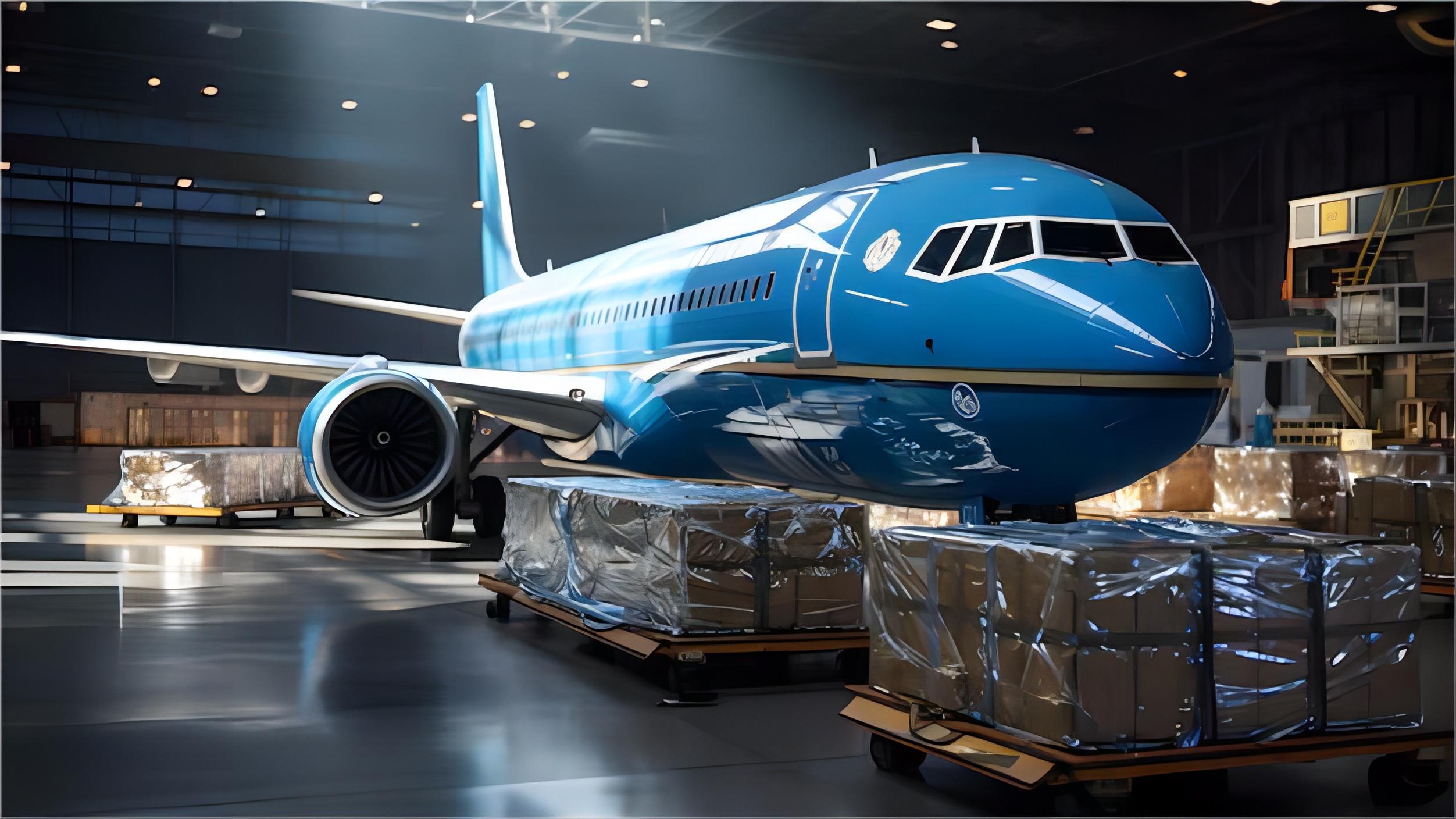
For instance, sea freight offers the most economical solution for heavy or bulky auto parts. Conversely, air freight provides significantly faster transit times, albeit at a much higher cost. The choice depends heavily on balancing speed, cost, and the criticality of the parts for your production line or market demand. It is important to compare shipping costs and transit time across all viable options.
| Shipping Method | Cost & Transit | Best For | Limitations |
|---|---|---|---|
| Sea Freight (FCL) | $3,000-$4,200 (28-35 days) | Large volumes, cost-efficiency, non-urgent | Slowest, port congestion risks |
| Sea Freight (LCL) | $50-$80/CBM (35-45 days) | Smaller volumes (<15 CBM), flexible | More handling, longer transit, higher per CBM for large LCLs |
| Air Freight | $15,000-$25,000 (5-7 days) | Urgent, high-value, small/light items | Most expensive, volume/weight restrictions |
Which Option Should You Choose?
The optimal shipping method for your auto parts depends on several factors. If budget is your primary concern and you have ample lead time, FCL sea freight is undoubtedly the most cost-effective shipping strategy. This is particularly true for standard, non-urgent components.
However, if speed is paramount, perhaps for critical spare parts or urgent production needs, air freight becomes the only viable option despite its higher cost. For smaller volumes that are not time-sensitive, LCL sea freight can offer a balance between cost and flexibility. Always assess cargo type, volume thresholds, and urgency to make the best decision.
Real-World Case Studies: Auto Parts from China to Sweden
Exploring actual shipping scenarios provides valuable insights into the practicalities of managing a 40HQ FCL sailing schedule for auto parts from China to Sweden. These examples highlight diverse challenges and effective solutions in the automotive supply chain. They showcase how different strategies impact costs and timelines.
Case Study 1: Consolidating Multiple Suppliers
This case demonstrates how a Swedish auto parts distributor successfully consolidated components from three different suppliers in China. By using a reliable FCL services provider, they optimized container utilization and reduced overall FCL shipping costs China Sweden.
| Detail | Description |
|---|---|
| Route | Ningbo, China -> Gothenburg, Sweden |
| Cargo | Engine components, braking systems, and interior accessories; 25 CBM, 15,000 kg |
| Container | 40HQ FCL (shared by 3 suppliers) |
| Shipping Details | Carrier/Service: COSCO (direct service); Port of Loading: Ningbo; Port of Discharge: Gothenburg; Route Type: Direct |
| Cost Breakdown | Ocean Freight: $3,800; Origin Charges: $450; Destination Charges: $550; Customs & Duties (estimated): $1,200; Total Landed Cost: $6,000 (approx) |
| Timeline | Booking to Loading: 7 days; Sea Transit: 30 days; Customs Clearance: 3 days; Total Door-to-Door: 40 days |
| Key Insight | Consolidation saved 20% compared to separate LCL shipments. Based on Q3 2024 market rates. |
Case Study 2: Urgent Production Line Parts
A Swedish automotive manufacturer faced a critical shortage of specific chassis parts, threatening production stoppage. They needed an expedited door-to-door shipping auto parts solution, balancing speed with cost. This scenario highlights the importance of flexible logistics partners.
| Detail | Description |
|---|---|
| Route | Shanghai, China -> Stockholm, Sweden |
| Cargo | Chassis components; 18 CBM, 8,000 kg |
| Container | 40HQ FCL (partially filled due to urgency) |
| Shipping Details | Carrier/Service: Maersk (premium service); Port of Loading: Shanghai; Port of Discharge: Stockholm; Route Type: Direct |
| Cost Breakdown | Ocean Freight: $4,100; Origin Charges: $500; Destination Charges: $600; Customs & Duties (estimated): $1,000; Total Landed Cost: $6,200 (approx) |
| Timeline | Booking to Loading: 5 days; Sea Transit: 28 days; Customs Clearance: 2 days; Total Door-to-Door: 35 days |
| Key Insight | Prioritizing direct service and a reliable carrier reduced transit time by 5-7 days, preventing production delays. Typical rates as of early 2025. |
Case Study 3: Seasonal Inventory Build-Up
A retailer of automotive accessories in Sweden needed to build up inventory for the peak winter season. They utilized a supply chain solutions for automotive components provider to manage their 40HQ FCL sailing schedule efficiently. This proactive planning avoided last-minute rush costs.
| Detail | Description |
|---|---|
| Route | Shenzhen, China -> Helsingborg, Sweden |
| Cargo | Winter tires and accessories; 60 CBM, 20,000 kg |
| Container | 40HQ FCL |
| Shipping Details | Carrier/Service: MSC (standard service); Port of Loading: Shenzhen; Port of Discharge: Helsingborg; Route Type: Transshipment via Singapore |
| Cost Breakdown | Ocean Freight: $3,200; Origin Charges: $400; Destination Charges: $500; Customs & Duties (estimated): $1,300; Total Landed Cost: $5,400 (approx) |
| Timeline | Booking to Loading: 10 days; Sea Transit: 35 days; Customs Clearance: 4 days; Total Door-to-Door: 49 days |
| Key Insight | Choosing a transshipment route provided cost savings during a period of high demand, despite a slightly longer transit. Market data suggests this approach is common for non-urgent seasonal goods. |
Optimizing Your Auto Parts Supply Chain: Tips and Best Practices
To truly optimize your auto parts import logistics, consider several best practices. First, establish clear communication channels with your suppliers and freight forwarder. This ensures all parties are aligned on timelines and expectations, minimizing potential misunderstandings.
Furthermore, proactively plan your shipments, especially during peak seasons or holidays. Booking your 40HQ FCL well in advance can help secure better freight rates and preferred sailing schedules. Always compare quotes from multiple carriers to find the best freight forwarder China to Sweden for your specific needs. Understanding shipping regulations for automotive goods is also paramount for smooth operations. For more information on shipping from China to Europe, consult our dedicated resources.
Integrated Logistics and Door-to-Door Solutions
For businesses seeking maximum convenience and efficiency, integrated logistics solutions offer a seamless experience. These services cover every stage of the shipping process, from origin pickup in China to final delivery at your Swedish warehouse. This comprehensive approach minimizes coordination efforts on your part.
Specifically, opting for door-to-door service ensures that all aspects, including inland transportation, customs clearance, and last-mile delivery, are managed by a single provider. This simplifies your supply chain management and provides greater visibility over your 40HQ FCL sailing schedule for auto parts from China to Sweden. It also reduces the risk of handover errors between different logistics providers, ensuring a smoother journey for your automotive components.
Conclusion
In conclusion, mastering the 40HQ FCL sailing schedule for auto parts from China to Sweden is paramount for efficient automotive supply chains. By thoroughly understanding transit times, diligently managing customs procedures, and choosing the right logistics partner, businesses can significantly enhance their operational efficiency and cost-effectiveness. These insights are designed to empower you to make informed decisions for your next shipment.
Indeed, navigating international freight requires expertise and a proactive approach. For comprehensive support and tailored shipping solutions that meet your specific requirements, China Top Freight remains your trusted partner in facilitating smooth and reliable delivery of your auto parts.
Need a tailored shipping solution?
Ready to streamline your auto parts imports? Contact our expert team today for a personalized quote and optimize your 40HQ FCL sailing schedule for auto parts from China to Sweden. We provide transparent pricing and reliable service to ensure your automotive components arrive on time and within budget.