

Importers dealing with textile shipments often struggle with unpredictable container shortages, especially during peak export seasons. Because securing 40HQ FCL space availability for textiles from China to Netherlands is essential for stable supply chains, businesses must plan ahead to avoid rollovers, delays, and rising freight costs. This guide explains practical strategies, route options, and space-guarantee solutions to ensure smooth shipping from China to the Dutch market.
1. Why Is 40HQ FCL Space Tight When Shipping Textiles to the Netherlands?
Textile exports from China surge during seasonal buying cycles, particularly before European retail campaigns. Therefore, carriers often face equipment shortages, especially for 40HQ containers. Because textiles are lightweight but bulky, most importers prefer 40HQ rather than 20GP.
Reasons space becomes limited
- Peak demand from fashion retailers
- Container repositioning shortages
- Blank sailings affecting weekly capacity
- Congestion at Chinese origin ports
- Higher global competition for 40HQ equipment
Long-tail keywords included: textile shipping capacity, China to Netherlands FCL booking, 40HQ equipment shortage, Europe fashion import logistics.
2. What Shipping Methods Support Large-Volume Textile Shipments?
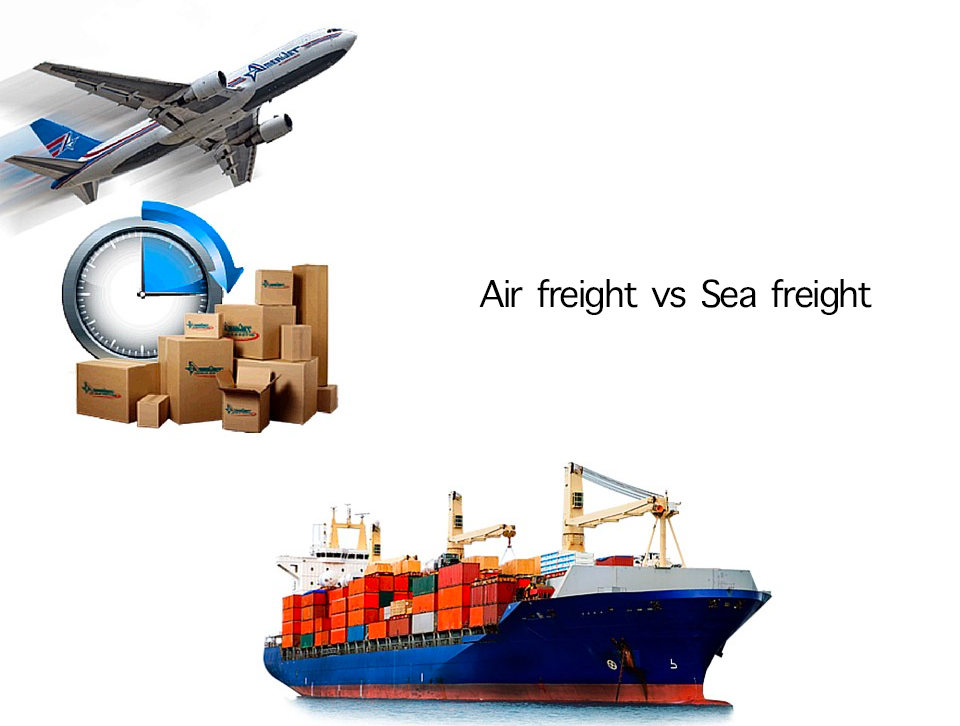
Shipments to the Netherlands benefit from flexible multimodal options. Moreover, textiles fit well into sea freight, rail freight, or expedited air cargo when timelines are tight.
2.1 Sea vs Rail vs Air: Which Is Best?
Below is a detailed comparison to help importers choose the right mode depending on budget, urgency, and volume.
Table 1: Shipping Method Comparison
| Mode | Cost | Transit Time | Best For | Pros | Cons |
|---|---|---|---|---|---|
| Sea Freight FCL (40HQ) | Low | 28–38 days | Bulk textiles | High capacity, low cost | Space shortages during peak |
| China–Netherlands Rail FCL | Medium | 16–22 days | Time-sensitive textile orders | Stable schedule, inland convenience | Higher cost vs sea |
| Air Freight | Very High | 3–7 days | Fast-fashion or samples | Fastest, reliable | Expensive for large volumes |
Because rail freight connects China to Tilburg, Venlo, and Rotterdam via intermodal, it is a valid alternative during peak FCL shortages.
3. How to Improve 40HQ FCL Space Availability for Textile Shipments?
Space optimization requires proactive planning. Additionally, strong relationships with carriers and forwarders can secure allocation even when markets tighten.
Key strategies
- Book space 15–25 days before cargo readiness
- Request space guarantee programs during peak months
- Share packing list early to match container inventory
- Choose direct sailings to avoid transshipment rollovers
- Use rail freight when sea freight space is limited
4. What Are the Best China–Netherlands Routes for Textile Shipping?
The Netherlands serves as a European distribution hub, especially through Rotterdam and Tilburg. Therefore, importers should select the most reliable routes.
Table 2: Common Transit Times
| Origin Port (China) | Destination (NL) | Mode | ETA |
|---|---|---|---|
| Shanghai | Rotterdam | Sea | 32–37 days |
| Ningbo | Rotterdam | Sea | 34–40 days |
| Shenzhen/Yantian | Rotterdam | Sea | 28–33 days |
| Xi’an | Tilburg | Rail | 16–20 days |
| Chongqing | Rotterdam/Tilburg | Rail | 18–22 days |
These routes offer predictable transit performance and flexible inland distribution for textiles.
5. How Does Proper Documentation Support Space and Schedule Reliability?
Documentation errors cause delays that waste reserved space and push shipments to later vessels. Therefore, preparing paperwork early ensures a smoother schedule.
Required documents
- Commercial invoice with fabric composition
- Packing list with bale or carton count
- Bill of Lading with correct buyer information
- HS Codes for apparel, fabric, garments, accessories
- Certificate of origin (if required by importer)
- Rail Waybill for China–Europe rail freight
What are you waiting for?
Contact chinatopfreight for a fast, free quote.
Are you ready to book?
Access live instant freight quotes
6. What Influences Freight Rates for 40HQ Textile Shipments?
Freight rates fluctuate weekly. Moreover, availability, global demand, and market conditions all affect pricing.
Rate drivers
- Global textile seasonality
- Carrier capacity reduction
- Bunker adjustment factors
- Demand on Asia–Europe lanes
- Space guarantee costs
- Peak season surcharges
Importers should monitor rate movements to secure the best possible pricing.
7. Can Packaging Optimization Improve Space Availability?
Absolutely. Optimizing carton and pallet dimensions reduces wasted air space and increases the chance that shipments qualify for a single 40HQ.
Packaging Techniques That Work for Textiles
- Compress fabric rolls to reduce cubic volume
- Stack cartons evenly for better container stowage
- Use vacuum-packed textile rolls when possible
- Create standardized pallet patterns
- Label cartons clearly to speed up handling
8. What Customs Requirements Apply for Textile Imports into the Netherlands?
The Netherlands follows EU-wide customs compliance rules. Therefore, importers should be well-prepared to avoid clearance delays, which can increase storage fees.
Table 3: Dutch Customs Documents Checklist
| Document | Purpose | Notes |
|---|---|---|
| Commercial Invoice | Declares value | Must list HS codes accurately |
| Packing List | Shows packaging details | Needed for inspections |
| Bill of Lading / Rail Waybill | Proof of transport | Consignee must match importer |
| Certificate of Origin | Country-of-origin proof | Often used for duty reduction |
| Import Declaration (EU Entry) | Required by customs | Typically handled by broker |
9. Should Importers Use Warehousing or Distribution Centers in the Netherlands?
Many global fashion brands use the Netherlands as their main EU distribution base. Because the country provides excellent logistics networks, using Dutch warehouses decreases lead time and improves regional coverage.
Benefits
- Faster fulfillment for Germany, Belgium, France
- Easy access to major e-commerce hubs
- Efficient customs clearance at Rotterdam
- Lower inland transport costs
Choosing Rotterdam or Tilburg as a hub supports cost-efficient textile distribution.
10. How to Predict and Manage Peak Season Space Shortages?
Because textile demand fluctuates, importers should plan around seasonal patterns.
Peak seasons
- Pre-summer apparel season (April–June)
- Winter clothing import rush (September–November)
- European holiday sales preparation (August–October)
Forecasting tips
- Share 3-month forecasts with suppliers
- Schedule shipments before major retail campaigns
- Consider rail freight during vessel congestion
- Diversify ports of loading (Shanghai + Shenzhen + Ningbo)
Conclusion
Securing 40HQ FCL space availability for textiles from China to Netherlands requires proactive planning, reliable scheduling, and flexible multimodal options. Moreover, combining sea freight with China–Europe rail services strengthens stability during high-demand periods. By preparing documents early, optimizing packaging, forecasting seasonal demand, and choosing efficient Dutch logistics hubs, importers can maintain predictable lead times and competitive costs. A well-structured logistics strategy ensures smoother textile distribution across the entire European market.
FAQ
1. How early should I book 40HQ space for textile shipments?
Booking 15–25 days before cargo readiness improves the chance of securing space, especially during European fashion peak seasons and Chinese export surges.
2. Can textiles be shipped by rail from China to the Netherlands?
Yes. China–Netherlands rail routes reach Tilburg, Venlo, and Rotterdam via intermodal links. Rail offers faster transit and more stable schedules during peak congestion.
3. What causes 40HQ shortages for textile exports?
Textile volumes spike during seasonal buying cycles, resulting in container imbalance, port congestion, and carrier space rationing on Asia–Europe trade lanes.
4. Which Dutch port is best for textile imports?
Rotterdam is the most efficient choice due to strong infrastructure, fast customs clearance, and excellent distribution access to Germany, Belgium, and France.
5. How can I reduce textile shipping costs?
Plan early, optimize packaging, compare multiple carriers, combine sea and rail options, and avoid peak-season surcharges to stabilize your overall logistics budget.