

- By kelly
- November 27, 2025
- Tips or Guide
40HQ FCL Transit Time for Machinery from China to California
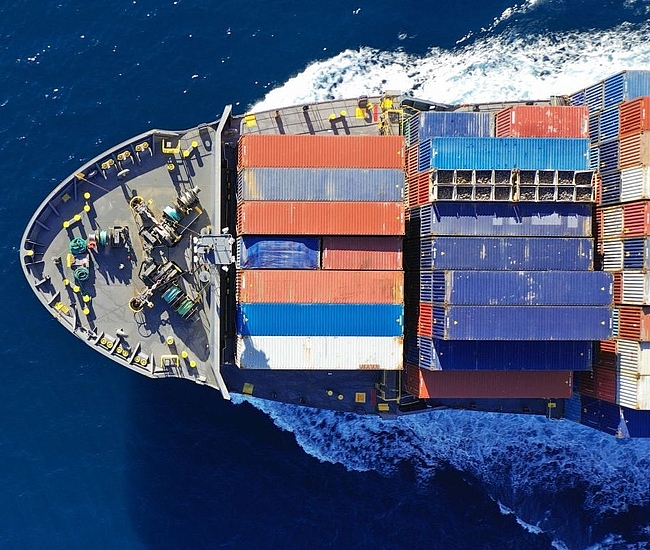
When shipping heavy equipment or industrial tools, knowing the 40HQ FCL transit time for machinery from China to California can significantly impact your delivery planning and supply chain stability. Delays in transit often lead to missed production deadlines, increased storage costs, and project disruptions. Fortunately, selecting the right shipping route and timeline can optimize delivery while ensuring compliance with U.S. customs regulations.
1. What Is a 40HQ FCL Container and Why Is It Ideal for Machinery?
A 40HQ (40-foot High Cube) container provides more vertical space than standard 40GP units, which makes it especially suitable for bulky machinery.
Key Benefits of 40HQ FCL for Machinery:
- Volume: Up to 76 CBM—great for large, irregular equipment
- Protection: Exclusive use of the container avoids co-loading damage
- Efficiency: Better freight rate per cubic meter than LCL or air freight
- Stackability: Easier to load tall equipment like conveyors, CNCs, or power units
Moreover, most major ports in China and California handle 40HQ units as standard, making it a preferred format for industrial shipments.
2. How Long Does 40HQ FCL Shipping Take from China to California?
Transit time varies by port pairing, carrier schedules, and seasonal congestion. Below is a breakdown of average lead times:
Estimated Transit Time Table
| Origin Port | Destination Port | Transit Days | Notes |
|---|---|---|---|
| Shanghai | Los Angeles | 14–18 days | Fastest route, direct sailing |
| Ningbo | Long Beach | 16–20 days | Efficient for East China exports |
| Shenzhen | Oakland | 18–22 days | Best for Pearl River Delta |
| Qingdao | Los Angeles | 17–21 days | Northern China cargo |
Additionally, door-to-door delivery via inland drayage in California (e.g., to Fresno or San Diego) may add 2–5 days depending on final delivery ZIP code.
3. What Affects the Transit Time for Machinery Shipments?
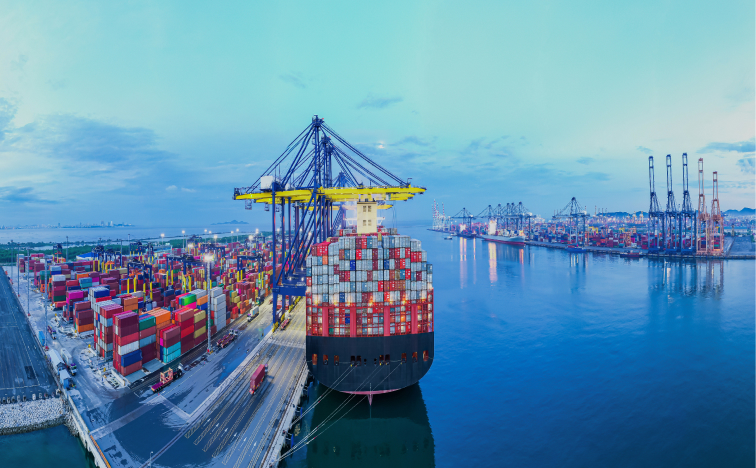
Several variables influence the transit time for 40HQ FCL shipments, including:
- Port Congestion: Especially during peak seasons (e.g., pre-Christmas, Chinese New Year)
- Customs Delays: Documentation issues or random inspections in the U.S.
- Carrier Choice: Some lines (e.g., MSC, Maersk) offer faster, more consistent sailings
- Weather Conditions: Typhoons in Asia or storms along the Pacific
Therefore, planning buffer time into your delivery schedule is always wise.
4. How Does the Shipping Method Compare in Terms of Cost and Time?
Shipping Method Comparison Table
| Method | Cost Estimate (USD) | Transit Time | Pros | Cons |
|---|---|---|---|---|
| 40HQ FCL by Sea | $3,200 – $4,500 | 14–22 days | Economical, high capacity | Slower than air |
| Air Freight | $10,000+ | 3–7 days | Fast, urgent delivery | Very costly, size limits |
| Rail + Truck | $7,000 – $9,000 | 25–30 days | Alternative when ports congested | Longer and less predictable |
While air freight is unmatched in speed, FCL sea freight remains the most practical and affordable option for bulky machinery.
5. Which Chinese Ports Are Best for Machinery Export to California?
Depending on your supplier’s location, choose a nearby port to minimize domestic transport costs:
Top Ports for Machinery Export
- Shanghai: Ideal for suppliers in Jiangsu, Zhejiang, or eastern China
- Shenzhen/Yantian: Preferred for South China machinery hubs
- Qingdao: Best for Shandong or northern China factories
- Ningbo: Efficient for Zhejiang-based manufacturers
Moreover, many forwarders offer free warehousing near these ports, which facilitates container stuffing and inspection.
6. What U.S. Ports Receive 40HQ Containers from China?
California’s primary entry ports are:
- Port of Los Angeles
- Port of Long Beach
- Port of Oakland
These ports are well-equipped with gantry cranes, customs facilities, and inland rail/truck access to major U.S. industrial zones, such as:
- San Bernardino
- Bakersfield
- Sacramento
- Fresno
Choosing a port close to your delivery destination helps reduce inland freight costs and delays.
7. What Documents Are Required for Machinery Imports into California?
Machinery imports fall under specific customs classifications and may require additional certifications.
Customs Documents Checklist
| Document | Mandatory | Remarks |
|---|---|---|
| Bill of Lading (B/L) | ✔️ | Must include container number & shipper info |
| Commercial Invoice | ✔️ | Clearly describe machinery and HS codes |
| Packing List | ✔️ | Show weight, dimensions, packaging type |
| Importer EIN/Tax ID | ✔️ | Needed for U.S. customs clearance |
| EPA/OSHA Certificates | Optional | If machinery has emissions or safety concerns |
| ISF Filing (10+2) | ✔️ | Required 24 hours before vessel departure |
Failure to submit accurate documents may delay clearance and result in fines or demurrage.
8. How to Reduce Transit Time Delays for 40HQ Machinery Containers?
To stay on schedule, consider these preventive strategies:
- Book early, especially during peak season
- Choose direct sailings without transshipment
- Work with NVOCCs for priority space allocation
- Ensure ISF and customs entries are submitted in advance
- Use GPS tracking systems to monitor container status
Moreover, forwarders like ChinaTopFreight.com offer real-time updates to keep shippers informed throughout the entire transit journey.
9. Should You Consider Cargo Insurance for Machinery?
Absolutely. Machinery is often high in value and sensitive to handling. Cargo insurance helps cover:
- Physical damage
- Theft or pilferage
- Moisture or rust damage
- Delay-related financial loss
Choose All-Risk Marine Insurance, and verify if your forwarder offers coverage up to invoice value + 10%.
10. What Are the Pros and Cons of Sea vs. Air vs. Rail Freight?
Pros and Cons by Freight Mode
| Mode | Pros | Cons |
|---|---|---|
| Sea FCL | Cost-efficient, high capacity, secure | Longer lead time, port delays possible |
| Air | Fast, safe for precision machinery | High cost, size/weight limitations |
| Rail | Balanced speed and price, eco-friendly | Not viable for California destination |
For machinery shipments to California, 40HQ FCL sea freight strikes the best balance between affordability and volume.
📦Get a Free Quote
If you’re shipping industrial machinery or heavy equipment to California, our team specializes in 40HQ container solutions tailored to your timeline and compliance needs. We ensure your transit time is optimized from factory to delivery point. Contact us now for a fast quote or booking.
❓ Frequently Asked Questions
1. What is the typical transit time for a 40HQ FCL to California?
Most shipments take 14–22 days depending on port pair and sailing schedule.
2. Which port in California is best for machinery shipments?
Los Angeles and Long Beach are top choices due to faster clearance and inland access.
3. Can I track my 40HQ container en route to California?
Yes, tracking is available via carrier websites or freight forwarder platforms.
4. How can I reduce customs clearance time in California?
Submit accurate documents early, especially ISF and commercial invoices.
5. Is insurance necessary for shipping machinery?
Yes, high-value machinery should be insured against damage, delay, and theft risks.
Conclusion
Understanding the 40HQ FCL transit time for machinery from China to California is essential for reliable project planning, inventory management, and cost control. With careful port selection, efficient documentation, and strategic freight choices, your machinery shipments can arrive safely, affordably, and on time. Partnering with an experienced logistics provider ensures each shipment is optimized from origin to destination—reducing stress and maximizing supply chain performance.