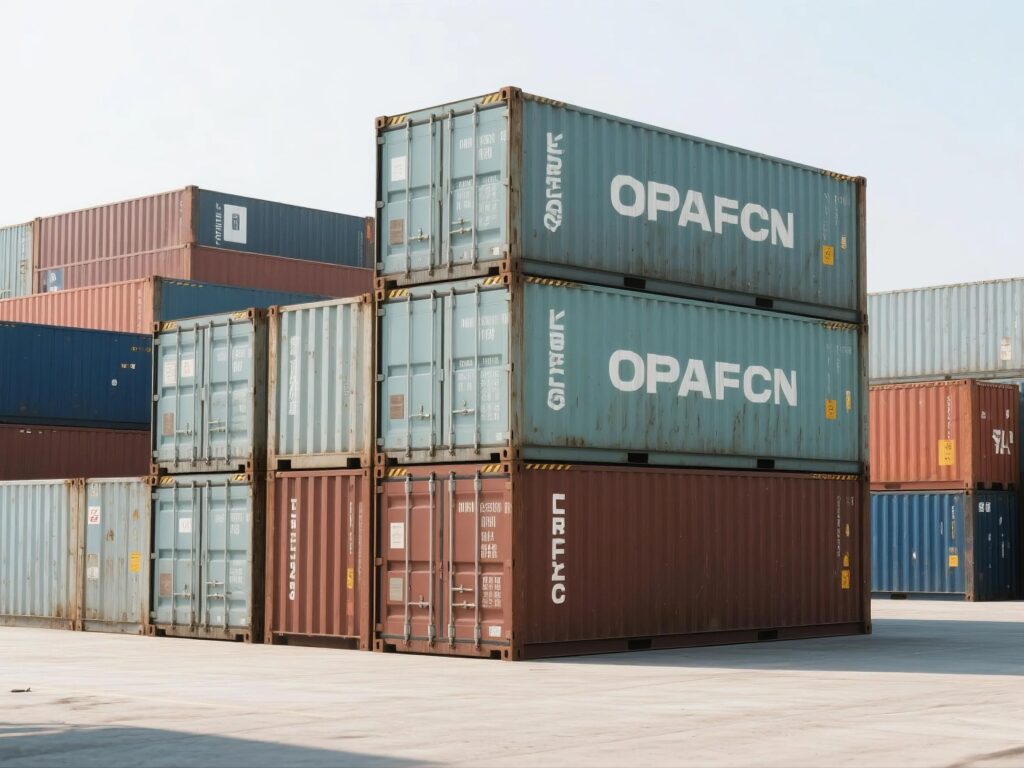
Shipping to Canada is essential for global importers, especially those sourcing from China, Southeast Asia, or Europe. Among these, shipping from China to Canada is one of the busiest and most cost-effective trade routes.To ensure smooth delivery, working with a reliable China freight forwarder is key. This guide outlines the best methods, documents, timelines, and tips for successful shipping to Canada, helping you reduce delays and save on costs.
To ensure smooth shipping to Canada, accurate documentation is a must. Here’s what you typically need:
Bill of Lading (B/L)
Commercial Invoice
Packing List
Canada Customs Invoice (CCI)
Import Permits (if required)
Certificate of Origin (for preferential tariffs)
Make sure the HS Codes and declared values are accurate to prevent customs delays.
Import Duties & Taxes in Canada
Key Points:
Duties depend on tariff classification.
Most commercial imports above CAD 20 are taxable.
NAFTA/USMCA rules apply for goods from the US and Mexico, not Asia.
Working with a licensed customs broker can help minimize risks and ensure full compliance with CBSA (Canada Border Services Agency) rules when shipping to Canada.
Best Ports and Airports in Canada
Sea Ports:
Port of Vancouver: Largest in Canada, handles Asia-Pacific routes.
Port of Montreal: Gateway for European trade.
Port of Halifax: Strategic for East Coast logistics.
Airports:
Toronto Pearson International Airport (YYZ)
Vancouver International Airport (YVR)
Montréal–Trudeau International Airport (YUL)
Choosing the right entry point can reduce inland transport time and cost when shipping to Canada.
We ensure your agent Chinais handled with maximum care and transparency.
ndustries We Serve
We’ve handled agent China for:
Amazon Sellers (FBA)
E-commerce businesses
Industrial equipment
Apparel and textiles
Consumer electronics
Automotive parts
Final Thoughts
Shipping to Canada is a valuable opportunity for global businesses. By understanding the logistics process, choosing the right shipping method, and working with reliable partners, you can save time and money on your supply chain. From port selection to customs paperwork and cost control—every detail matters.Whether you’re just starting or scaling up your business, mastering the process of shipping to Canada will give you a competitive edge.
FAQ
1. Can I ship directly from China to Amazon Canada FBA?
Many sellers ship inventory from China to Canadian fulfillment centers using DDP (Delivered Duty Paid) service or via prep centers.
2.What’s the cheapest way to ship large items to Canada?
Sea freight is typically the most cost-effective for bulky goods, especially FCL shipments.
3. Do I need a customs broker to import to Canada?
Yes, for commercial shipments. A broker ensures your goods clear customs smoothly and compliantly.
4. How do I calculate duties when shipping to Canada?
Use the HS Code and check the CBSA duty rates. A customs broker or freight forwarder can assist with this.
5.Are there restrictions on importing certain goods to Canada?
Yes. Items like food, pharmaceuticals, and hazardous materials require special permits or certifications.