


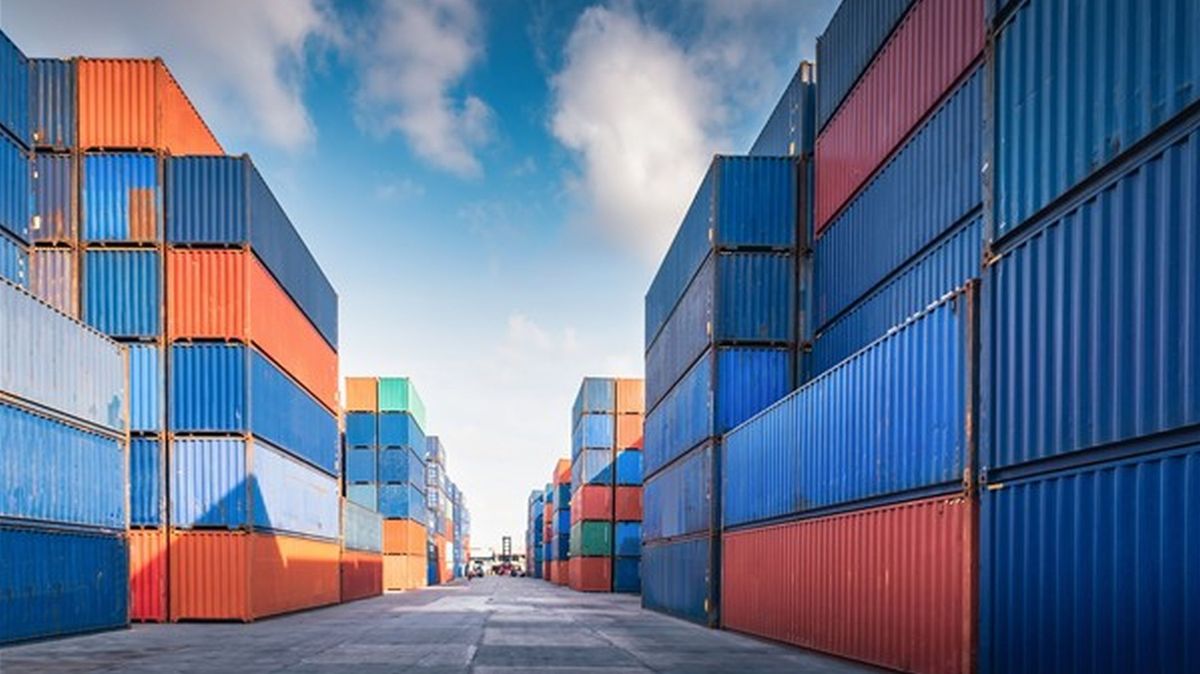
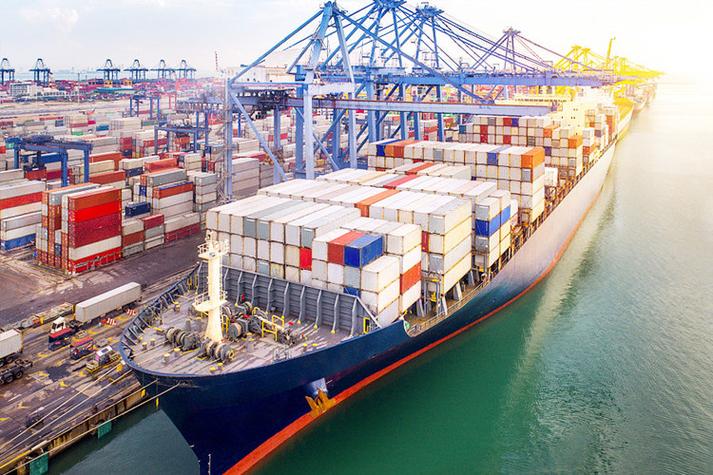
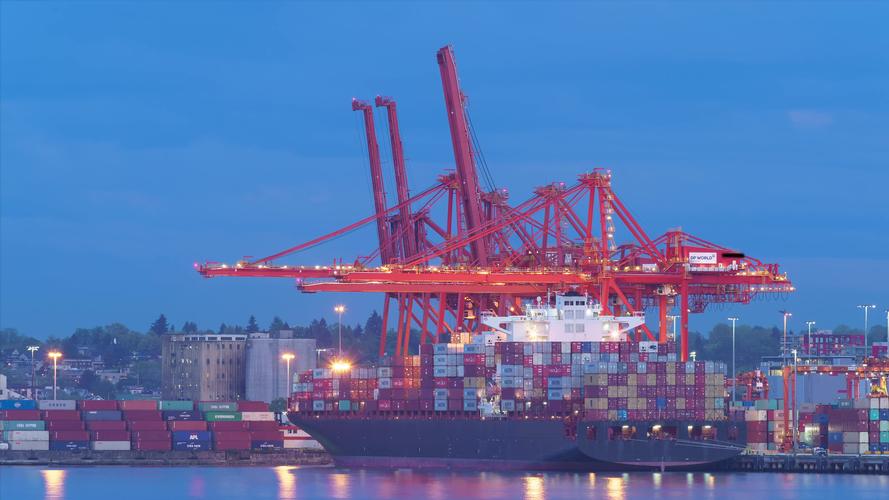


Embedding efficiency and clarity into cargo logistics is essential. Leveraging the albania port for shipping transforms your supply chain with strategic Mediterranean access.With the port, smart shipping strategies achieve faster turnaround, lower costs, and greater flexibility across regional transport networks.

1. What Makes the Albania Port for Shipping Smart

When you choose this port, you tap into advanced digital systems and synchronized intermodal transport. It supports real‑time tracking, streamlined customs clearance, and integrated sea‑road‑rail connections. This smart port approach optimizes vessel scheduling, cargo consolidation, and last‑mile delivery planning.

📌 2.Transportation Focus on Albania Port for Shipping

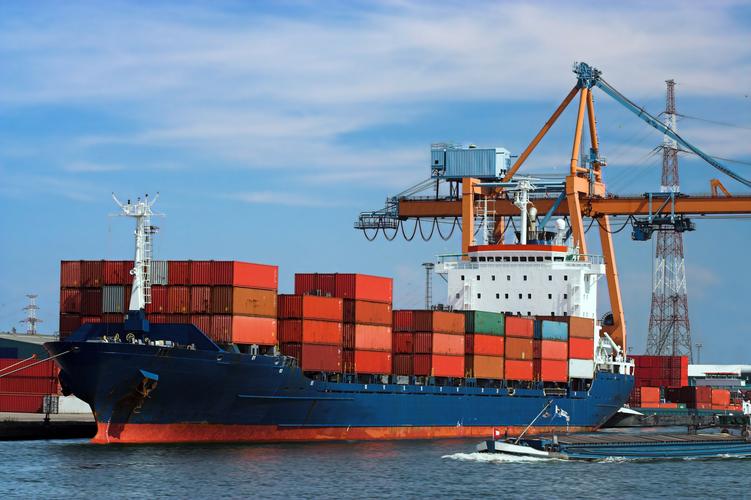
  • Sea Transport: Major feeder lines call at Albania Port for Shipping, linking hubs like Piraeus, Trieste, and Koper.The port in Albania benefits from synchronized vessels and consolidation services for both full container load (FCL) and less‑than‑container load (LCL).
  • Road Transport: Post‑port trucking connects Albania Port for Shipping to inland markets in Tirana, Kosovo, and North Macedonia. Reliable road networks ensure swift cargo dispatch after unloading at the Albania port for shipping.
  • Rail Transport: Expanding intermodal rail corridors allow bulk and container shipments via rail from Albania Port for Shipping into Eastern Europe. Rail freight improves efficiency for high‑volume flows through the Albania port for shipping.
  • Intermodal Chains: Combined sea–road or sea–rail chains anchored at Albania Port for Shipping offer optimized transit planning, high tracking visibility, and reduced handling risk.
albania port for shipping

3. Cost Structure and Savings at Albania Port for Shipping

Utilizing this port, your costs encompass:

  • Ocean freight rates based on container type (20′, 40′) and routing via Mediterranean feeder services.
  • Terminal handling charges at the Albania port for shipping, including customs processing, documentation fees, and gate handling.
  • Inland haulage via road or rail from the Albania port for shipping to final points.
    Compared with alternative gateways in Greece or Italy, the Albania port for shipping often yields lower combined fees and quicker throughput, especially for project cargo and regional deliveries.

📌4.Sustainability and Innovation

albania port for shippingThe port is investing in sustainability—stepping toward greener operations with shore‑power, cleaner cargo handling equipment, and digital systems to cut emissions. It is advancing sensor‑based cargo tracking to optimize yard usage and reduce operational waste.
✔️5. Implementation Tips

  • To make the most of the port in your smart shipping plan:
  • Provide full cargo details early so carriers can plan feeder bookings to the port.
  • Opt for digital documentation submissions. The port’s customs systems accept e‑submissions for faster clearance.
  • Plan inland trucking or rail pickup times immediately—linking with the port’s schedule.
  • Consider consolidating cargo at origin if using LCL services—this reduces unit costs when routed through the port.
albania port for shipping

6. Transportation Options via the Albania Port for Shipping


ModeDescription
🚢Sea TransportRegular Mediterranean feeders call at Durrës or Vlora—core Albania port.
📦Road TransportInland trucking from port to Tirana, Kosovo, North Macedonia using the port.
🚛Rail TransportEmerging container/bulk rail corridors from the port into Eastern Europe.
💬Intermodal CorridorCombined sea–road or sea–rail chains anchored at the port for seamless movement.

7. Request a Quote

 China Top Freight offers:

  • âś… Origin and Destination Countries
  • âś… Cargo Type and Volume
  • âś… Preferred Transport Method (Air, Sea, Rail, Road)
  • âś… Delivery Timeline
  • âś… Special Handling Requirements (if any)

đź’¬8. FAQ

Q: How long does transit take via the port?

A: Typically 5–7 days from European hub to port calling at Durrës or Vlora. Door‑to‑door transit from Asia or origin to inland destination often ranges 30–45 days.

A: Yes, real-time updates are available via carrier systems tied into the digital platform.

A: Certainly. The port accommodates project cargo via flat-rack and Ro-Ro services, subject to prior notices and lift-planning coordination.

A: Yes. Road networks are well‑established, and rail links are expanding to improve inland distribution throughput.

A: Yes, the port in Albania handles both import and export operations efficiently. It supports FCL, LCL, Ro-Ro, and bulk shipments, making it a reliable hub for international trade in and out of the Balkans.

Post a Comment