




Understanding how wide is shipping container is fundamental for businesses involved in global trade and transportation. Shipping containers are the backbone of international freight, and knowing their exact dimensions helps optimize cargo loading, transportation planning, and port handling. This article dives into container widths, their impact on transport, and practical tips for efficient logistics management.
1. Standard Width of Shipping Containers
π 2. Variations in Shipping Container Width
While the standard width remains 8 feet, there are specialized containers that vary slightly. For example:
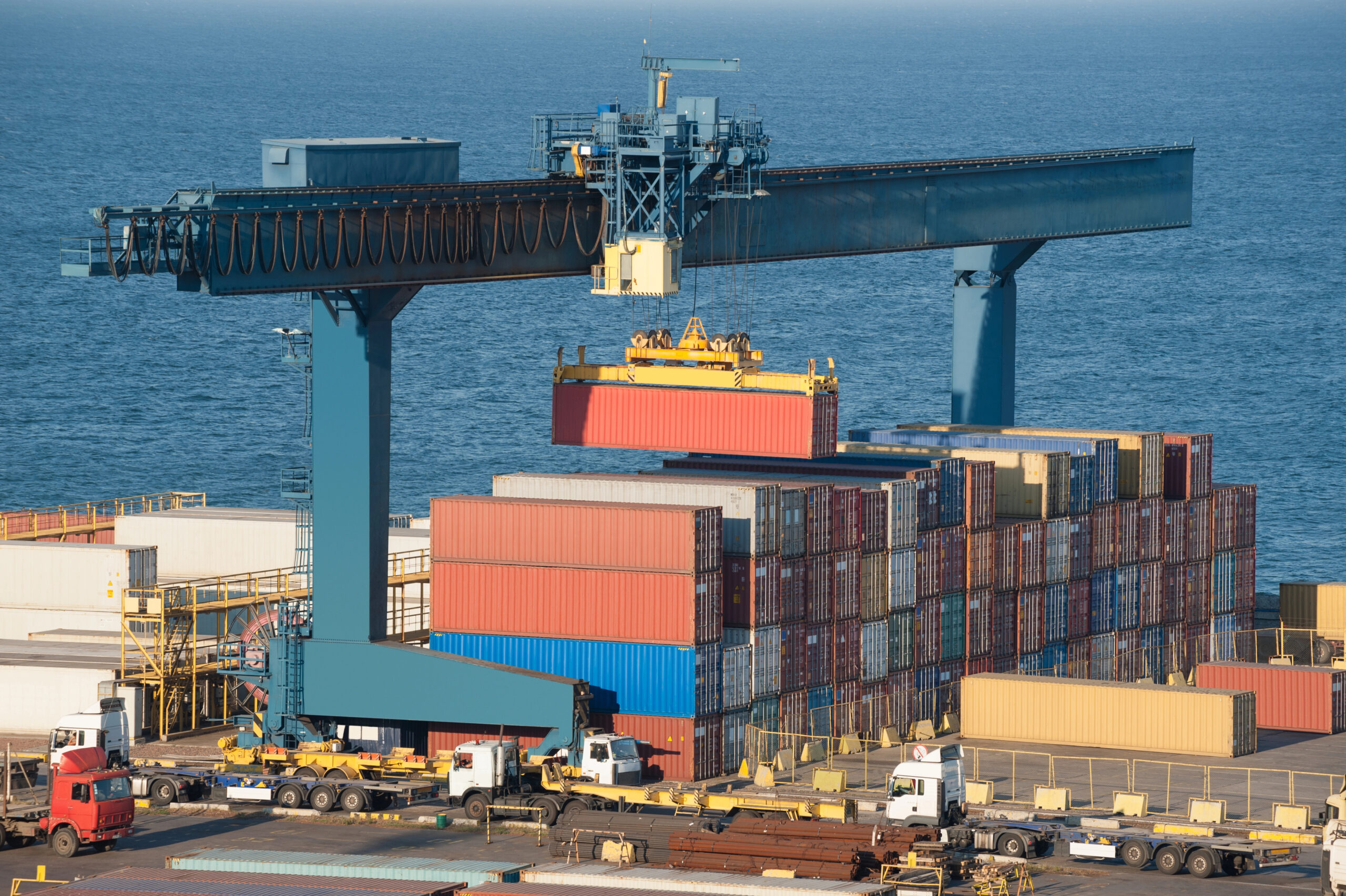
- Open Top Containers: Same width but with removable tops for oversized cargo.
- Flat Rack Containers: Also 8 feet wide but designed without walls to carry wide or heavy goods.
- Half-Height Containers: Used for heavy machinery, maintaining the 8-foot width but shorter height.
3. Why Knowing How Wide Is Shipping Container Matters for Transportation
Transportation planning depends heavily on container dimensions:
- Road Transport: Trucks and trailers are designed to handle containers 8 feet wide, allowing for safe road clearance.
- Rail Transport: Rail cars accommodate standard-width containers for smooth transit across long distances.
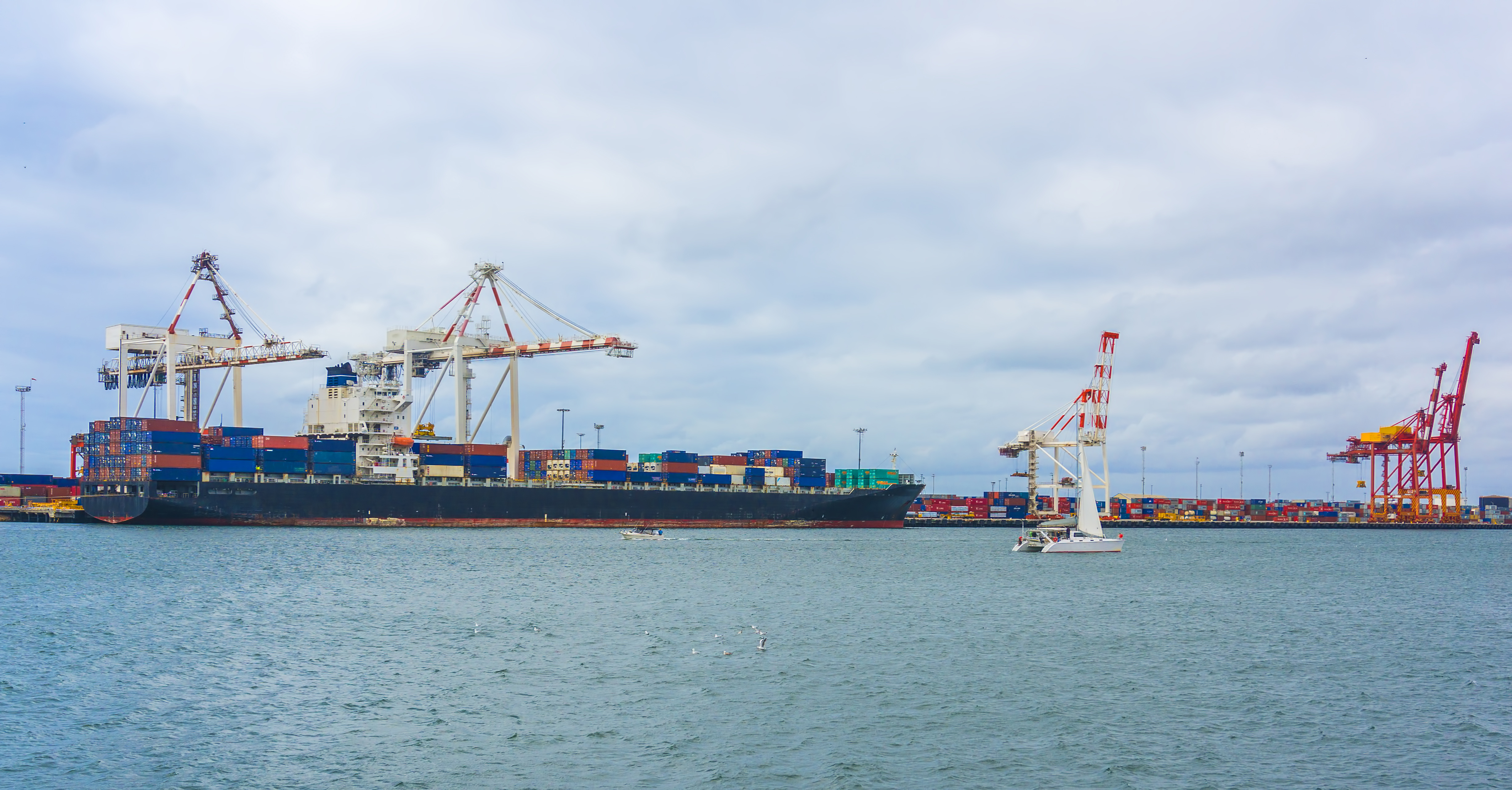
- Sea Freight: Container ships and ports have equipment optimized for standard container widths, streamlining loading and unloading.
Inaccurate knowledge of how wide is shipping container can cause costly delays or damage during transfer between transport modes.
π4. Practical Tips for Managing Container Width in Shipping

- Measure Your Cargo: Ensure your goods fit comfortably within the 8-foot width without exceeding limits.
- Check Route Restrictions: Some roads or rail routes have width restrictions that affect container transport.
- Communicate with Your Freight Forwarder: Provide accurate dimensions to avoid mismatches in transport equipment.
- Plan for Special Containers: If cargo is wider than standard, consider flat racks or open tops.
5.Shipping Container Width Specifications
Β
| No. | Item | Description |
|---|---|---|
| 1 | π Standard Width (ISO) | Most standard shipping containers have an external width of 8 feet (2.44 meters). |
| 2 | π¦ Internal Width | The internal width is usually around 7.8 feet (2.35 meters) due to wall thickness. |
| 3 | π’ High Cube Containers | High cube containers also have the same width (8 ft) as standard containers; the height is the main difference. |
| 4 | β οΈ Non-Standard Containers | Special-purpose containers (e.g., flat racks, open tops) may vary in width depending on design. |
| 5 | π Global Standardization | Width specifications follow ISO standards for easy stacking and intermodal transport worldwide. |
6. Request a Quote
Β China Top Freight offers:
- β Origin and Destination Countries
- β Cargo Type and Volume
- β Preferred Transport Method (Air, Sea, Rail, Road)
- β Delivery Timeline
- β Special Handling Requirements (if any)
π¬7. FAQ
Q1: Are all shipping containers 8 feet wide?
A1: Most are, but specialized containers can vary slightly, though the width remains close to 8 feet.
Q2: Can oversized cargo be shipped in standard-width containers?
A2: No, oversized cargo typically requires flat racks or open top containers.
Q3: How does container width affect transport costs?
A3: Containers wider than standard may require special permits or equipment, increasing costs.
Q4: What is the height of a standard shipping container?
A4: Standard containers are typically 8.5 feet tall; high cube containers are 9.5 feet tall.


