Shipping to Nigeria is in high demand, especially for importers sourcing from China, Southeast Asia, Europe, or the US. Whether you’re an e-commerce seller or wholesaler, understanding the logistics of shipping from China to Nigeria helps cut costs and avoid delays.This guide covers transport options, customs, and how to simplify shipping to Nigeria from start to finish.
Why Choose Shipping to Nigeria?
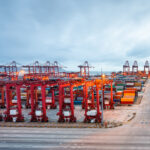
Nigeria is one of the largest economies in Africa, making it a strong destination for global trade. It has major seaports like Lagos (Apapa & Tin Can Island), Port Harcourt, and Onne, which handle high cargo volumes daily.
Many businesses prefer shipping to Nigeria for:
Fast-growing consumer market
Large demand for imported goods
Expanding industrial and e-commerce sectors
By optimizing your logistics strategy for shipping to Nigeria, you gain better control over delivery times, costs, and customer satisfaction.
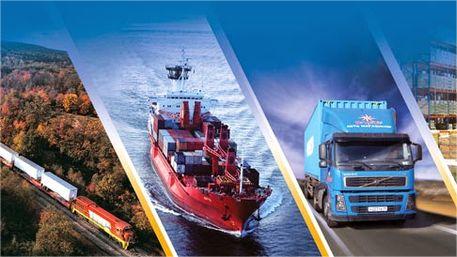
Each transport method plays a strategic role in shipping to Nigeria, and the choice depends on your cargo type, delivery urgency, and budget.
Shipping to Nigeria: Step-by-Step Process
To ensure smooth shipping to Nigeria, follow these steps:
Choose the Right Freight Forwarder Select a forwarder experienced in shipping to Nigeria to handle customs, compliance, and logistics.
Prepare Commercial Documents Ensure all documents are correct: invoice, packing list, bill of lading, certificate of origin.
Choose Transport Mode Decide between air, sea, or express depending on your budget and urgency.
Customs Clearance in Nigeria Nigeria Customs Service (NCS) regulates imports. HS codes and import permits are required for certain goods.
Last-Mile Delivery Arrange delivery from port or airport to your final destination, especially if shipping to inland states like Kano or Kaduna.
Cost Factors in Shipping to Nigeria
Shipping costs vary based on:
Weight & Volume of cargo
Transport mode (air, sea, express)
Port destination (Lagos, Port Harcourt)
Nigerian import duties (5–35%) + VAT (7.5%)
Delivery distance from port
For example: A 20ft container shipped from China to Lagos may cost around $3,000–$4,500 USD, while air freight of 100 kg might cost $800–$1,200 USD.
Common Goods Shipped to Nigeria
The most frequently imported items include:
Electronics and mobile phones
Machinery and industrial parts
Apparel and textiles
Furniture and home goods
Auto parts and vehicles
Regardless of category, all goods must comply with Nigerian regulations such as SONCAP (Standards Organisation of Nigeria Conformity Assessment Programme).
We ensure your agent Chinais handled with maximum care and transparency.
conclusion
Successful international trade requires careful planning, and shipping to Nigeria is no exception. By choosing the right transport mode, preparing accurate documents, and partnering with a trusted logistics provider, you can ensure smooth customs clearance and reliable delivery every time.
FAQ
1. Can I ship hazardous goods by rail freight?
Yes, but only certain categories are allowed. A agent China certified will advise you on restrictions and documentation.
2.What’s the difference between rail freight and intermodal freight?
Rail freight involves train-only transport; intermodal includes combinations like rail + truck. A agent China often provides both.
3. Can rail freight support e-commerce shipments?
Yes, many agent Chinaoffer B2C-compatible rail solutions for bulk e-commerce fulfillment across Europe.
4. Are customs duties included in freight charges?
No. Duties and taxes are separate. However, your agent Chinacan calculate and assist with these costs.
5.Can rail freight be used for door-to-door delivery?
Yes. A reliable rail freight forwarder like TJ China Freight can arrange door-to-door logistics, combining rail with local trucking services.