

- By carlie tj
- August 11, 2025
- Logistics Guide
Freight train transport is a vital component of global logistics, offering a reliable and cost-effective solution for moving large volumes of goods overland. This guide delves into the fundamentals of freight train transport, its advantages, and best practices to optimize your shipping operations.
👉 To learn more about professional freight forwarding services and get customized solutions, visit China Top Freight.
1. What Is Freight Train Transport?
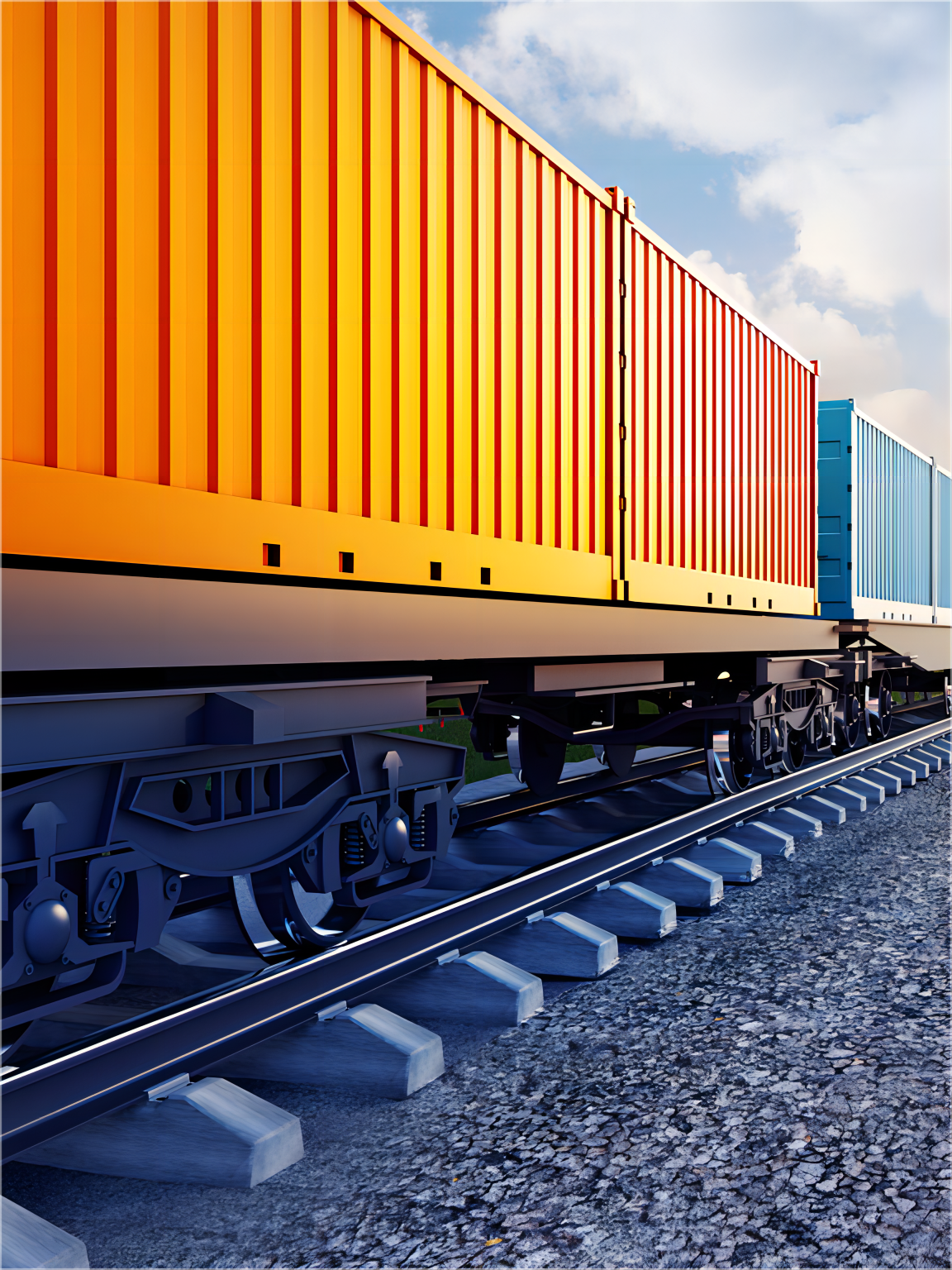
Freight train transport involves the movement of goods using railway systems. Typically, trains are composed of various types of cars, such as boxcars, flatcars, and tank cars, each of which is specifically designed to carry different types of cargo. As a result, this mode of transport is particularly well-suited for bulk commodities, heavy machinery, and intermodal containers. In particular, it offers a practical solution for industries that require the movement of large volumes over long distances.


📌 2. Key Components of Freight Train Transport
a. Locomotives
The engine that powers the train, locomotives are responsible for pulling the freight cars along the tracks. Modern locomotives are equipped with advanced technology to ensure efficient fuel consumption and safety.
b. Freight Cars
These are specialized cars designed to carry different types of cargo:
- Boxcars: Enclosed cars used for general cargo.
- Flatcars: Used for transporting heavy or oversized items.
- Tank Cars: Designed to carry liquids and gases.
- Refrigerated Cars (Reefers): Maintain temperature-sensitive goods.
c. Rail Infrastructure
The network of tracks, terminals, and intermodal hubs that facilitate the movement of freight trains. Well-maintained infrastructure is crucial for timely deliveries and safety.

3. Advantages of Freight Train Transport
- Cost-Effectiveness: Rail transport is often more economical than road or air transport, especially for long distances and large volumes.
- Environmental Benefits: Trains emit fewer greenhouse gases per ton-mile compared to trucks, making them a greener choice.
- Safety: Railways have a lower accident rate compared to road transport.
- Capacity: Freight trains can carry a substantial amount of goods, reducing the need for multiple shipments.
📌4. Best Practices for Efficient Freight Train Transport
- Proper Packaging: Ensure goods are securely packaged to prevent damage during transit.
- Timely Booking: Reserve freight cars in advance to avoid delays, especially during peak seasons.
- Route Planning: Choose routes that minimize transit time and avoid congested tracks.
- Compliance: Adhere to all regulations and standards set by railway authorities to ensure smooth operations.
- Tracking: Utilize GPS and RFID technologies to monitor the location and status of shipments in real-time.
5.Freight Train Transport Overview
| No. | Item | Description |
|---|---|---|
| 1 | 🚂 Definition | Freight train transport involves moving goods via rail networks, often over long distances, using specialized freight wagons. |
| 2 | 📦 Cargo Types | Commonly carries bulk commodities (coal, grain, minerals), containers, vehicles, and heavy machinery. |
| 3 | 🌍 Advantages | Cost-effective for large volumes, environmentally friendly, and efficient for inland transport. |
| 4 | ⏱ Transit Time | Usually slower than air freight but faster than sea freight for some inland routes. |
| 5 | 🛤 Infrastructure | Requires rail terminals, cargo handling facilities, and intermodal connections to road or sea transport. |
| 6 | 📑 Documentation | Waybill, freight bill, cargo manifest, and customs paperwork for cross-border transport. |
6.Customs Clearance for Rail Cargo
Key documents required for cross-border rail freight include:
- Commercial Invoice
- Packing List
- Rail Waybill
- Certificate of Origin
- Import Licenses (if applicable)
Working with experienced freight forwarders ensures compliance and reduces clearance delays.
7.China-Europe Rail Freight Solutions
The China-Europe Railway Express connects major Chinese hubs such as Chengdu, Chongqing, and Xi’an with European destinations including Hamburg, Warsaw, and Duisburg. This corridor has become vital for companies seeking reliable mid-range logistics.
8. Request a Quote
China Top Freight offers:
- ✅ Origin and Destination Countries
- ✅ Cargo Type and Volume
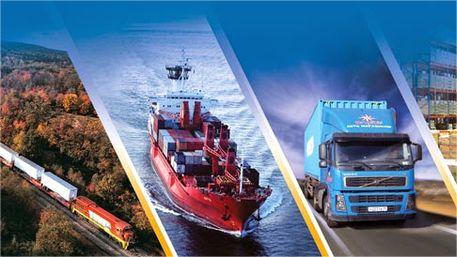
- ✅ Preferred Transport Method (Air, Sea, Rail, Road)
- ✅ Delivery Timeline
- ✅ Special Handling Requirements (if any)
💬9. FAQ
Q1: How long does freight train transport take?
A1: Transit times vary based on distance, route, and cargo type. Typically, shipments can range from a few days to over a week.
Q2: Is freight train transport suitable for all types of goods?
A2: While rail is ideal for bulk commodities and heavy items, certain goods may require specialized equipment or may not be suitable for rail transport.
Q3: What are the costs associated with freight train transport?
A3: Costs depend on factors like distance, cargo type, and volume. It’s advisable to request a quote for a precise estimate.
Q4: How can I track my shipment?
A4: Many rail operators provide tracking services through online portals or mobile apps, allowing real-time monitoring of your shipment’s status.