

- By ayla tj
- August 12, 2025
- Logistics Guide
Shipping goods between China and Australia is a crucial part of international trade, and choosing the right freight solution can make or break your business. Whether you’re a small business owner, an Amazon seller, or a global buyer, understanding freight from China to Australia will help reduce costs and shipping times while ensuring smooth customs clearance.
Freight from China to Australia: Overview
Australia is one of China’s top trading partners. Every year, thousands of containers move via sea and air freight, covering routes between major Chinese ports like Shanghai, Shenzhen, Ningbo, and Guangzhou to Australian hubs like Sydney, Melbourne, Brisbane, and Fremantle.
Choosing the right freight from China to Australia option depends on your budget, speed, shipment size, and product type.
Transportation Methods: Sea and Air Freight
Sea Freight from China to Australia
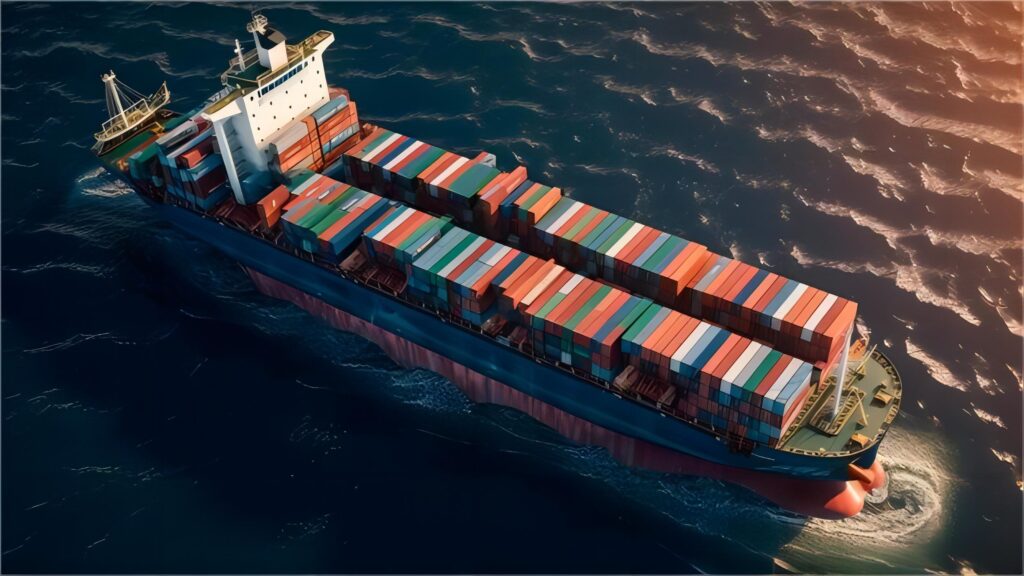
Sea freight is the most commonly used method for shipping large volumes. Full Container Load (FCL) and Less than Container Load (LCL) options offer flexibility based on cargo size. Ports such as Shanghai, Ningbo, and Qingdao provide regular routes to Sydney, Brisbane, and Melbourne.
- FCL: Ideal for 15 CBM+ of cargo. Fixed cost for a full 20ft or 40ft container.
- LCL: Cost-effective for smaller shipments. You pay for the space you use.
Air Freight from China to Australia
China:
- Ningbo-Zhoushan Port
- Shenzhen Port
- Guangzhou Port
- PVG (Shanghai Airport)
- CAN (Guangzhou Airport)
Australia:
- Port of Sydney
- Port of Melbourne
- Port of Brisbane
- SYD (Sydney Airport)
- MEL (Melbourne Airport)
Efficient transport links between these ports enable smooth operations in freight from China to Australia.
Customs Clearance in Australia
All imported goods must clear Australian customs. Importers must provide the correct documentation, including the commercial invoice, packing list, and bill of lading/airway bill. An Import Declaration is required for goods valued over AUD 1,000.
Duties and taxes vary by HS code and product classification. Partnering with an experienced freight forwarder can ensure compliance and timely clearance.
Shipping Time Estimates
| Route | Mode | Transit Time |
|---|---|---|
| Shanghai → Sydney (FCL) | Sea | 15–22 days |
| Shenzhen → Brisbane (LCL) | Sea | 18–25 days |
| Guangzhou → Melbourne (Air) | Air | 3–5 days |
| Ningbo → Fremantle (FCL) | Sea | 20–30 days |
Incoterms for Freight from China to Australia
Understanding Incoterms is essential to define the responsibilities of buyers and sellers. Common terms used:
- EXW (Ex Works): Buyer arranges all transport.
- FOB (Free on Board): Seller covers cost until goods are loaded at the port.
- CIF (Cost, Insurance & Freight): Seller pays for sea freight and insurance up to the destination port.
- DAP (Delivered at Place): Seller delivers goods to the buyer’s door, including all costs except import duties.
Incoterms ensure that responsibilities for freight from China to Australia are clearly defined between both parties.
Request a Quote – Get Your Shipping Costs Now
What are you waiting for?
Contact TJ China Freight for a fast, free quote.
Tips to Save on Freight from China to Australia
- Book early to secure lower rates.
- Use FCL if your cargo volume justifies it.
- Avoid peak seasons like pre-holiday months.
- Work with a reliable freight forwarder who offers competitive pricing and end-to-end support.
- Consolidate shipments to reduce LCL charges.
By optimizing your logistics, you can reduce the overall cost of freight from China to Australia.
How to Choose a Freight Forwarder
When handling freight from China to Australia, a good freight forwarder helps you:
- Select the best shipping method
- Handle customs and documentation
- Track your shipment
- Ensure cost-effective transport
Choose a forwarder experienced in freight from China to Australia for smooth delivery and reduced risk.

Why Choose Us?
- 10+ years in international logistics
- Competitive shipping rates
- Dedicated account manager
- Real-time cargo tracking
- Warehousing and consolidation services
We ensure your agent China is handled with maximum care and transparency.
Final Thoughts
Successfully managing freight from China to Australia requires careful planning, the right shipping method, and reliable partners. By balancing cost, speed, and compliance, businesses can ensure goods arrive on time, maintain quality, and build strong trade relationships between the two countries.
FAQ
1.What’s the cheapest way to ship from China to Australia?
Sea freight (especially FCL) is usually the cheapest for large shipments.
2.How long does freight from China to Australia take?
Sea freight takes 15–30 days, and air freight takes 3–7 days.
3. Can I ship door to door from China to Australia?
Yes, many freight forwarders offer full door-to-door logistics services.
4. Do I need an import license in Australia?
Not always. It depends on the type of goods you’re importing. Most commercial goods require registration with the Australian Border Force.
5.Is tracking available for freight shipments?
Yes, both air and sea freight options come with tracking systems.
6.When is the best time to ship from China to Australia?
Avoid peak seasons like December and February to reduce delays and costs.