

- By kelly
- August 12, 2025
- Logistics Guide
1. Overview: Choosing the Right Shipping Method
For cargo moving between China and Austria, the choice of freight mode depends on your business priorities—speed, cost, reliability, or handling needs.
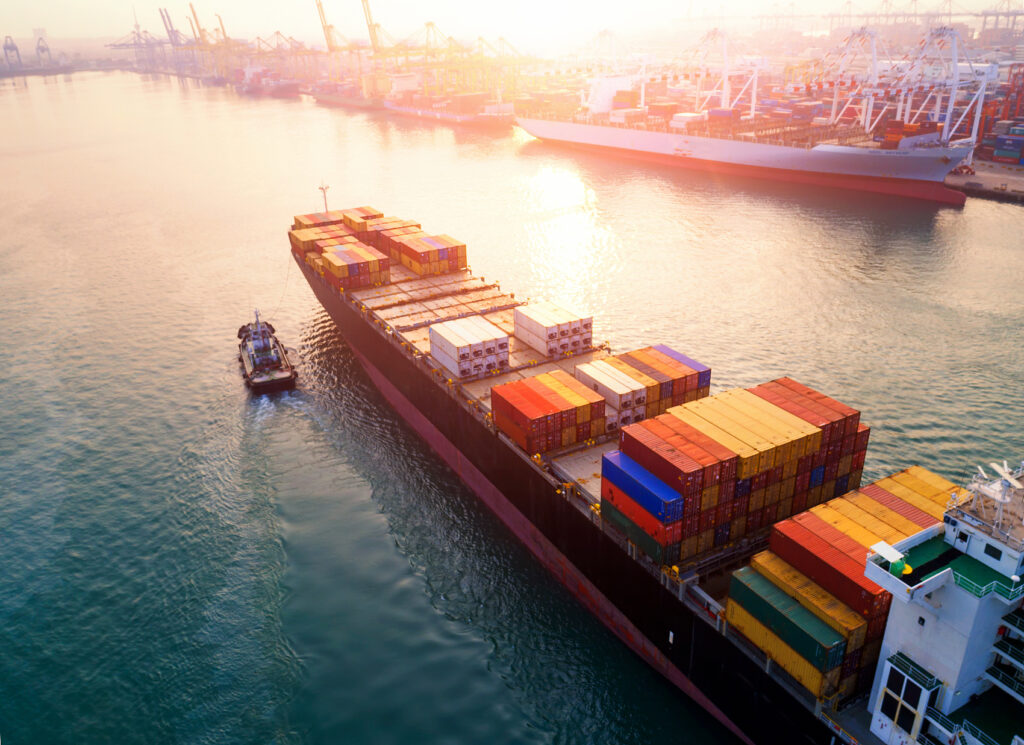
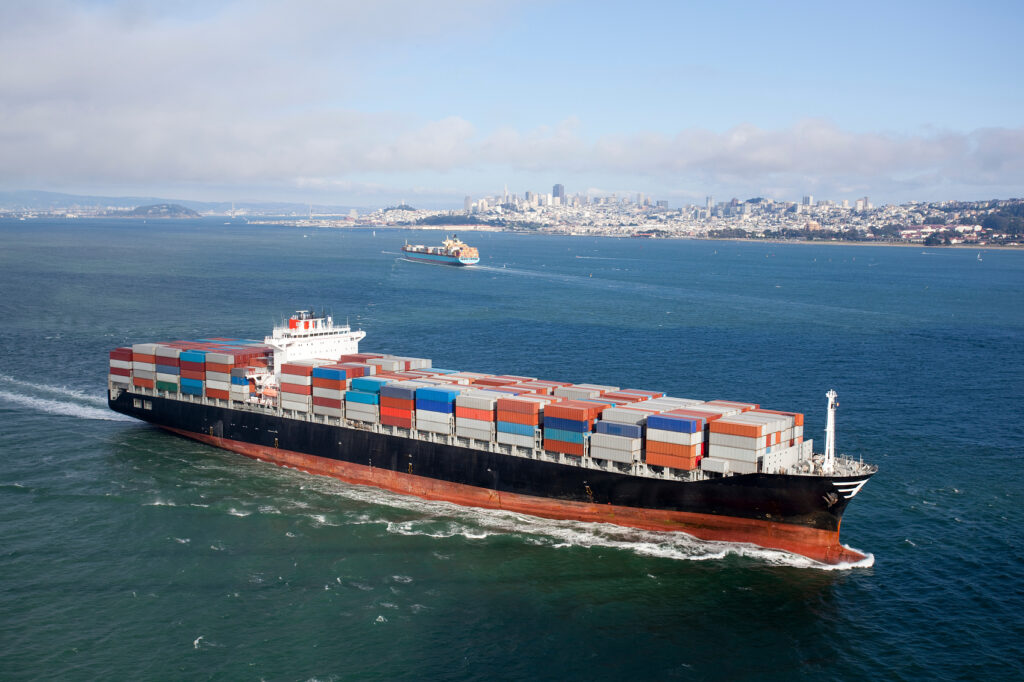
- By sea, expect delivery times ranging 25–40 days, depending on origin and destination ports.
- This is often the most economical option, especially for large or heavy shipments.
- Faster transit in approximately 3–7 days.
- Ideal for smaller, time-sensitive, or high-value goods, though typically more expensive per kilogram.
- Typically takes 18–30 days depending on route and service.
- Positioned between air and sea in terms of speed and cost—efficient and eco-friendlier.
2. Sea Freight: Cost-Effective, Reliable
- Best suited for large-volume shipments that are not time-critical.
- Transit duration ranges from 25 to 40 days, impacted by port congestion, route, and customs clearance.
- Austria is landlocked, so shipments arrive at European ports and are typically trucked or railed to the final destination.
3. Air Freight: Fast but Pricier
- Delivers in 3–7 days, optimal for urgent or high-value items.
- Costs are higher due to speed and limited capacity per shipment.
4. Rail Freight: A Balanced Alternative
- Generally takes about 18–30 days, depending on specific routes and operational conditions.
- A sustainable and cost-effective option, bridging the gap between sea and air transit.
5. Choosing Between FCL and LCL
Full Container Load (FCL)
- Best for large shipments (typically over 13–15 CBM). More economical per unit and offers greater cargo security.
Less than Container Load (LCL)
- Ideal for smaller volumes, charged by weight or volume. Offers flexibility but may cost more per CBM due to consolidation handling.
6. Customs, Duties & Documentation Essentials
To ensure smooth clearance upon arrival in Austria:
- HS (Harmonized System) Codes are mandatory for correct classification and customs duties.
- You must file accurate customs value, which includes product cost, insurance, and freight (CIF) to calculate duties.
- Prepare necessary paperwork: Bill of Lading (or Air Waybill), Certificate of Origin, Certificate of Conformity, and ensure you have an EORI (Economic Operator Registration and Identification) number for EU compliance.
7. Summary Table
| Shipping Method | Transit Time | Best For | Key Advantage |
|---|---|---|---|
| Sea Freight | ~25–40 days | Large, non-urgent shipments | Most cost-effective |
| Rail Freight | ~18–30 days | Medium-volume, cost-sensitive | Balanced cost and speed |
| Air Freight | ~3–7 days | Urgent, high-value, light cargo | Fastest delivery |
Final Tips
- Plan shipments strategically based on urgency and budget.
- If unsure, rail freight often strikes the best middle ground.
- Consult a freight forwarder to get tailored advice, precise quotes, and manage logistics from door-to-door.
📦Ask for a Quote – TJ China Freight
Looking to start shipping from China to Austria?
TJ China Freight offers tailored freight solutions—whether you need sea, air, or rail transport, we’ll ensure your cargo arrives safely, on time, and within budget.
❓ Frequently Asked Questions – Shipping from China to Austria
1. What factors affect the transit time for shipments from China to Austria?
Transit time depends not only on the shipping mode but also on factors like customs clearance speed, seasonal demand (e.g., holidays), port congestion, weather conditions, and inland transportation arrangements in Austria. Planning ahead can help avoid unexpected delays.
2. How do I choose between sea, air, and rail freight to Austria?
- Sea freight is best for bulky, non-urgent cargo with a flexible schedule.
- Air freight suits high-value or urgent goods needing fast delivery.
- Rail freight offers a good balance between speed and cost, plus a greener footprint.
Your choice should match your cargo type, budget, and delivery urgency.
3. What is the process for customs clearance when shipping to Austria?
Customs clearance involves submitting required documents, paying duties and VAT, and sometimes undergoing inspections. Having accurate and complete paperwork is crucial to avoid delays or fines. Working with a freight forwarder like TJ China Freight can simplify this process.
4. Are there any hidden fees I should be aware of?
Potential additional charges include:
- Terminal handling fees
- Customs inspection fees
- Storage fees if goods are held at port or warehouse
- Fuel surcharges
- Insurance costs
Clarify all costs upfront with your freight provider to avoid surprises.
5. Can I ship hazardous or fragile goods from China to Austria?
Yes, but they require special handling and documentation. Hazardous materials must comply with international shipping regulations, and fragile goods may need extra packaging and insurance. Consult us for advice tailored to your cargo.
6. How can I ensure my shipment arrives safely and on time?
- Choose a reputable freight forwarder experienced in China-Austria routes.
- Use proper packaging and labeling.
- Opt for cargo insurance for valuable shipments.
- Communicate clearly about deadlines and cargo details.
7. What payment terms are common for shipping services from China to Austria?
Many freight forwarders offer flexible payment options including upfront payment, payment on delivery, or credit terms depending on your shipping volume and history. Always get a clear contract with payment terms before confirming.