

- By carlie tj
- August 12, 2025
- Logistics Guide
What is freight forwarding? It is a pivotal service in the global logistics and supply chain industry. Freight forwarding involves the coordination and management of shipments on behalf of shippers, ensuring that goods are transported efficiently from origin to destination. This process includes various modes of transportation—such as sea, air, rail, and road—to facilitate international trade.
1.What Is Freight Forwarding? Understanding the Basics
At its core, freight forwarding is the act of organizing and managing the movement of goods across international borders. A freight forwarder, acting as an intermediary, does not physically transport the goods but arranges the best means of transportation, negotiates rates, and ensures compliance with customs regulations. They consolidate shipments, prepare necessary documentation, and provide cargo insurance, among other services.
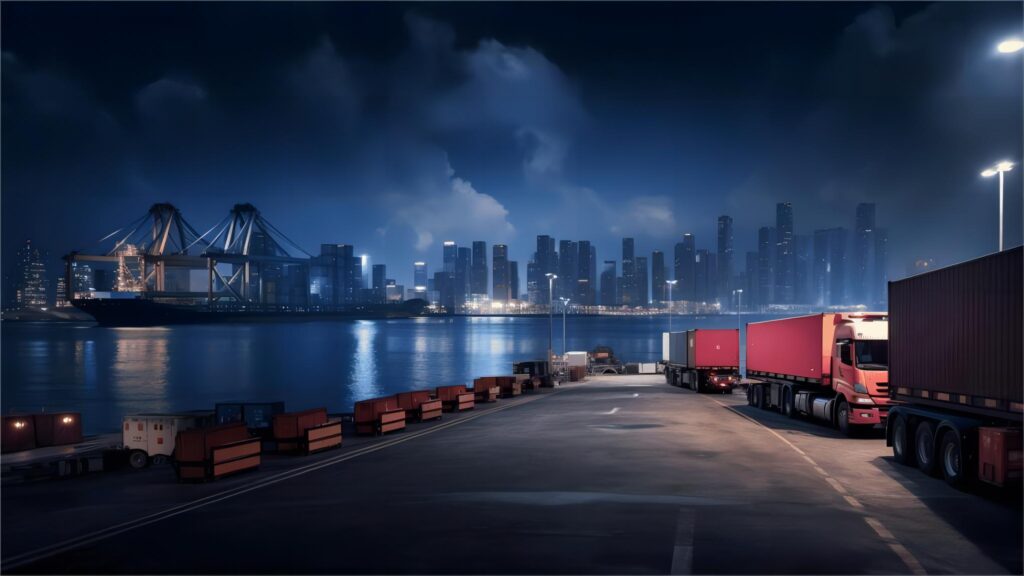
📌2. The Role of Transportation in Freight Forwarding
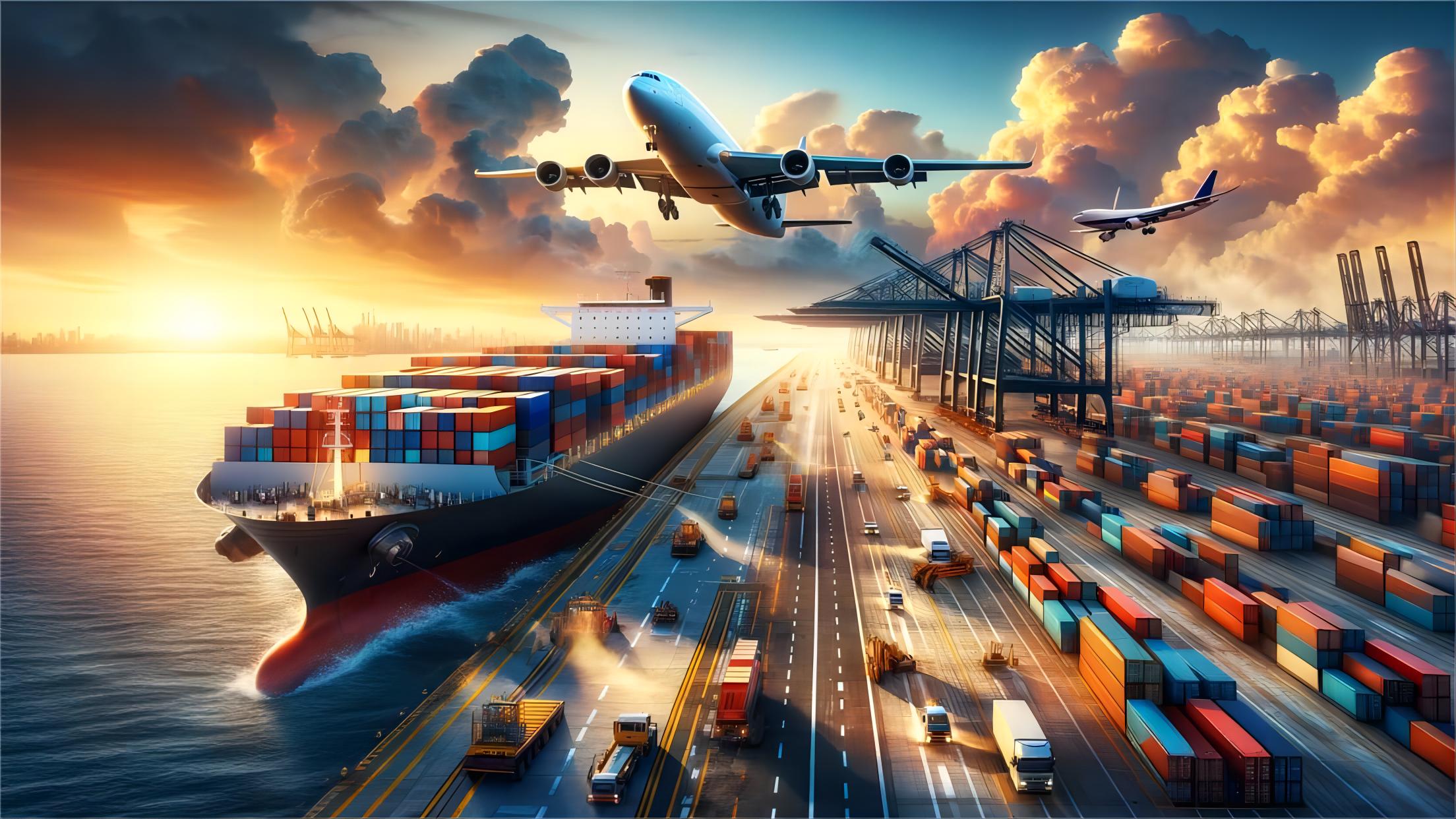
Transportation is the backbone of freight forwarding. Freight forwarders meticulously plan and execute the movement of goods using various transportation modes:
- Sea Freight: Ideal for large, heavy shipments, sea freight is cost-effective for bulk goods.
- Air Freight: Suitable for time-sensitive deliveries, air freight offers speed but at a higher cost.
- Rail Freight: A viable option for landlocked regions, rail freight is efficient for long-distance inland transportation.
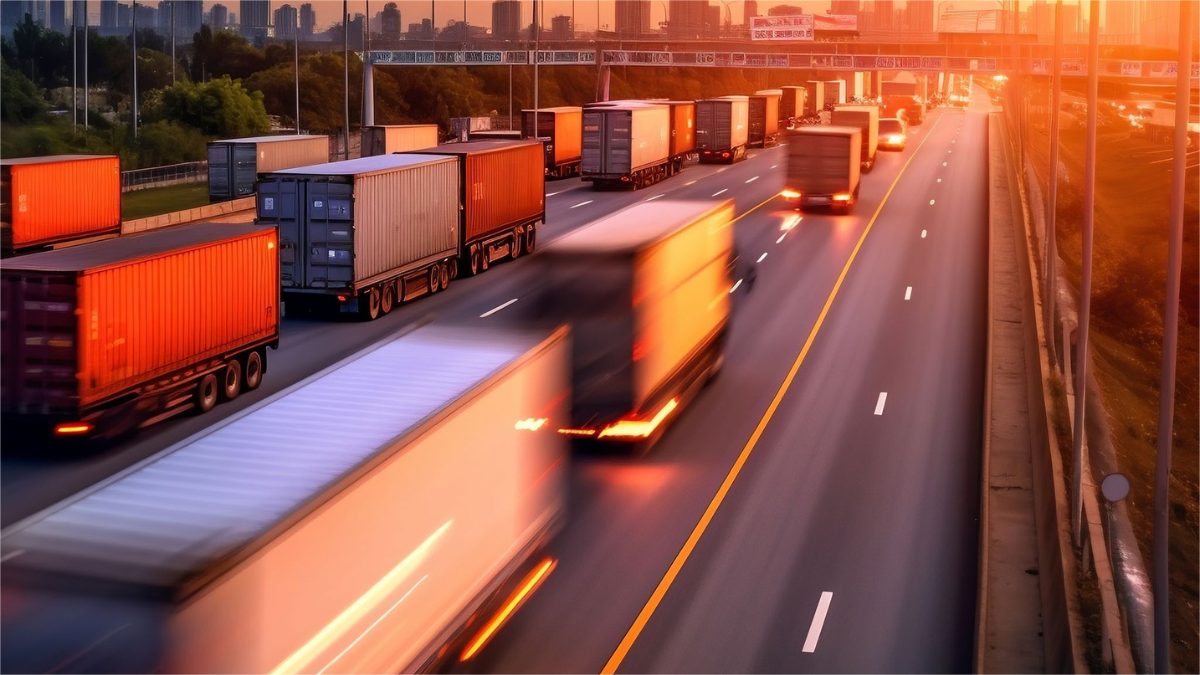
- Road Freight: Essential for door-to-door delivery, road freight provides flexibility and accessibility.
Freight forwarders assess factors such as cost, transit time, and reliability to determine the most appropriate transportation method for each shipment.
3. What Is Freight Forwarding: Services You Should Know
Freight forwarders offer a comprehensive suite of services to facilitate the smooth movement of goods:
- Consolidation and Deconsolidation: Combining smaller shipments into a single larger one to optimize space and reduce costs.
- Customs Brokerage: Handling the complexities of customs clearance, ensuring compliance with import/export regulations.
- Cargo Insurance: Providing coverage to protect goods against potential damage or loss during transit.
- Warehousing and Distribution: Managing storage and inventory, and coordinating the distribution of goods to final destinations.
- Documentation Management: Preparing and managing essential shipping documents, including bills of lading, commercial invoices, and export declarations.
📌4.Benefits of Freight Forwarding: What Is Freight Forwarding About
Engaging a freight forwarder offers several advantages:
- Expertise and Experience: Freight forwarders possess in-depth knowledge of international shipping regulations and best practices.
- Cost Efficiency: Through consolidation and established carrier relationships, forwarders can offer competitive rates.
- Time Savings: They handle the complexities of logistics, allowing businesses to focus on core operations.
- Risk Mitigation: By managing insurance and compliance, forwarders reduce potential risks associated with shipping.
5.China to USA Logistics Essentials
| Transportation Mode | Key Features | Suitable Cargo Types | Advantages | Disadvantages |
|---|---|---|---|---|
| 🚢 Sea Freight | Bulk shipments, cost-effective, slower transit | Heavy and bulky goods | Low cost, ideal for large volumes | Longer transit times, weather-dependent |
| ✈️ Air Freight | Fastest mode, suitable for urgent shipments | Valuable and time-sensitive goods | Fast delivery, high security | High cost, size and weight restrictions |
| 🚆 Rail Freight | Long-distance inland transport, connects ports and inland | Medium to large shipments | Stable transit, moderate cost | Less flexible, limited routes |
| 🚚 Road Freight | Door-to-door delivery, ideal for short and medium distances | Various cargo types | Flexible, wide coverage | Higher cost over long distances, traffic-dependent |
6. Request a Quote
China Top Freight offers:
- ✅ Origin and Destination Countries
- ✅ Cargo Type and Volume
- ✅ Preferred Transport Method (Air, Sea, Rail, Road)
- ✅ Delivery Timeline
- ✅ Special Handling Requirements (if any)
7. FAQ
Q1: What is the difference between a freight forwarder and a freight broker?
A freight forwarder takes possession of the goods and assumes responsibility for the shipment, whereas a freight broker merely arranges transportation between shippers and carriers without taking possession of the goods.
Q2: Do I need a freight forwarder for small shipments?
While small shipments can be handled directly with carriers, a freight forwarder can provide expertise, ensure compliance, and potentially reduce costs, even for smaller shipments.
Q3: How do I choose the right freight forwarder?
Consider factors such as the forwarder’s experience, reputation, range of services, and familiarity with the specific routes and regulations relevant to your shipments.
Q4: How long does freight forwarding usually take?
Transit times vary depending on the transportation mode and route, but freight forwarders will provide estimated delivery times tailored to your shipment needs.
Q5: Can a freight forwarder handle customs clearance?
Yes, most freight forwarders offer customs brokerage services to help ensure your goods comply with import and export regulations and clear customs smoothly.