

- By carlie tj
- August 12, 2025
- Logistics Guide
Shipping by freight remains the backbone of international logistics, offering businesses affordable and scalable solutions for moving goods across borders. Whether you’re shipping bulk commodities, electronics, or consumer goods, freight options like sea, air, and rail can match different needs.
In this article, we’ll explore freight methods, cost comparisons, customs clearance, and tips for choosing the right transport strategy. With the right partner, companies can cut costs and improve delivery reliability.
👉 To learn more about professional freight forwarding services and get customized solutions, visit China Top Freight.
1. What Does Shipping by Freight Mean?
Shipping by freight refers to transporting large quantities of goods via truck, ship, train, or cargo aircraft. Unlike courier services that handle small parcels, freight shipping involves bulk or commercial shipments that are typically:
- Palletized or containerized
- Moved by third-party logistics (3PL) providers or freight forwarders
- Scheduled and booked in advance
- Governed by Incoterms and customs regulations
This method is widely used for B2B logistics, manufacturing distribution, and international trade.



📌2. Sea Freight Shipping Cost Comparison
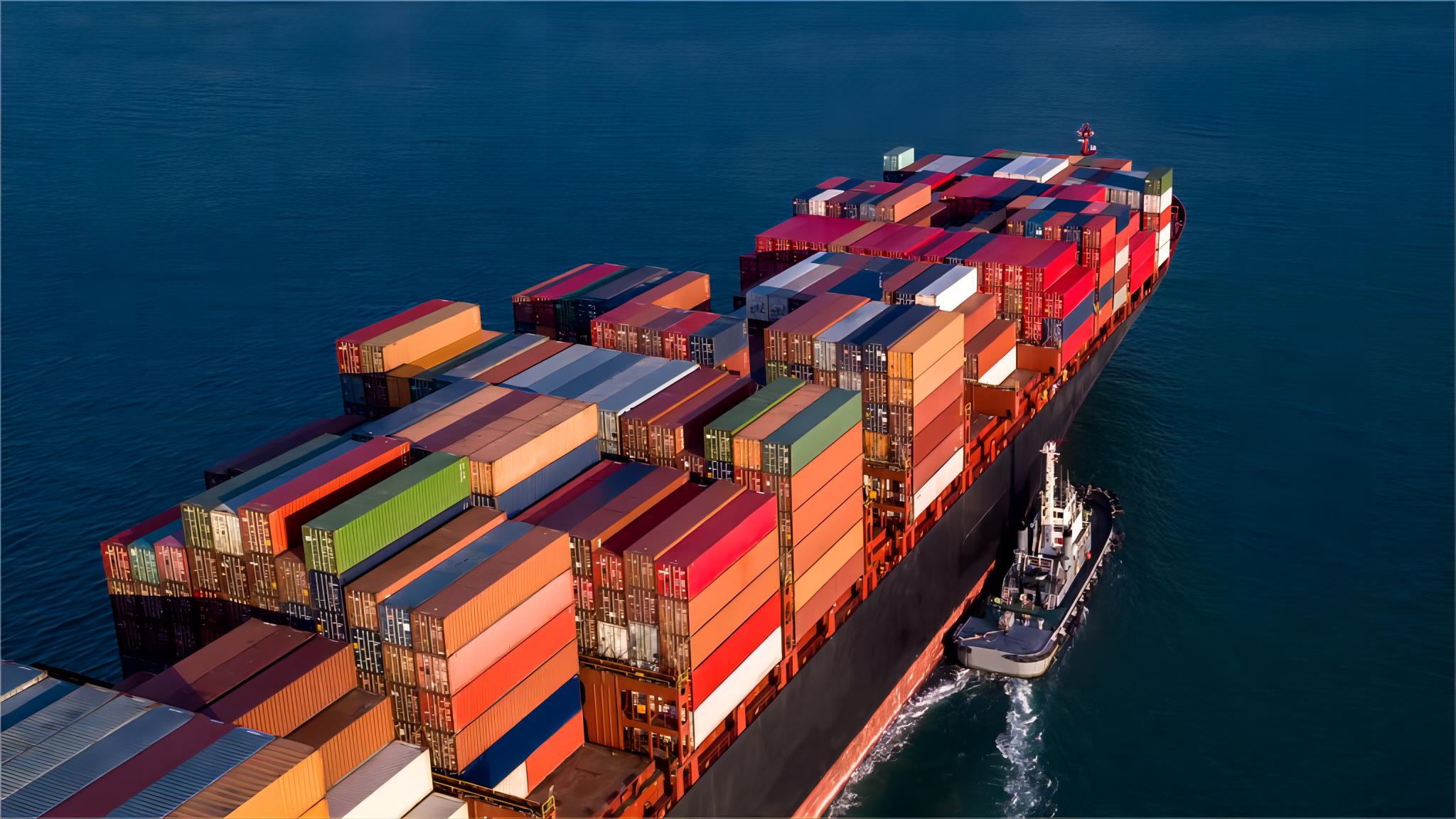
Sea freight is the most widely used option for international cargo. It offers lower cost per unit, especially for high-volume shipments.
| Container Type | Average Cost (USD) | Transit Time |
|---|---|---|
| 20ft FCL | $1,500 – $2,300 | 30–40 days |
| 40ft FCL | $2,800 – $3,800 | 30–40 days |
| LCL (per CBM) | $120 – $180 | 35–45 days |

3. Air Freight Cargo Rates per Kilogram
Air freight ensures speed, reliability, and security for urgent shipments.
| Weight Bracket | Cost (USD/kg) | Delivery Time |
|---|---|---|
| 100–300 kg | $5.80 – $7.20 | 4–6 days |
| 300–500 kg | $5.40 – $6.80 | 5–7 days |
| 500+ kg | $5.00 – $6.20 | 6–8 days |
📌 4. Rail Freight Transport Across Asia-Europe
Rail transport is an emerging alternative between sea and air.
- Cost: Mid-range between sea and air
- Transit: 15–20 days from China to Europe
- Best for: Electronics, automotive parts, textiles
5. Shipping by Freight: Documentation & Customs
For international shipping by freight, you must prepare accurate documentation:
- Bill of Lading – The contract between shipper and carrier
- Commercial Invoice – Lists product value and purpose
- Packing List – Itemized breakdown of shipment contents
- Certificate of Origin – Proves the goods’ manufacturing origin
- Import Licenses – May be needed for regulated goods
Incorrect or missing documents may lead to clearance delays and potential penalties. A freight forwarder can help ensure all paperwork meets regulatory requirements.
6. Shipping Costs & Transit Times
Costs associated with shipping by freight vary by:
- Mode of transport (ocean, air, rail, truck)
- Distance and destination country
- Volume and weight of the cargo
- Port fees, fuel surcharges, and customs duties
7.The Role of Technology
Modern freight forwarding uses digital platforms for tracking, documentation, and customs submission. Leveraging technology ensures faster processing and greater visibility across the supply chain.
8. Request a Quote
China Top Freight offers:
- ✅ Origin and Destination Countries
- ✅ Cargo Type and Volume
- ✅ Preferred Transport Method (Air, Sea, Rail, Road)
- ✅ Delivery Timeline
- ✅ Special Handling Requirements (if any)
💬9. FAQ
Q1: Can I track my freight shipment in real time?
Yes. Most carriers offer tracking dashboards or shipment milestone updates.
Q2: Is freight shipping insured?
Insurance is optional but highly recommended. Coverage varies by provider and cargo type.
Q3: How do I choose between LCL and FCL?
If your goods fill more than half a 20ft container, FCL is often more cost-effective and secure.
Q4: What’s the difference between freight and courier?
Couriers handle small packages quickly; freight handles bulk shipments with better cost efficiency.
Q5: Can I ship hazardous materials by freight?
Yes, but it requires special documentation, handling, and carrier approval.