

- By carlie tj
- August 13, 2025
- Logistics Guide
Global freight solutions have become a vital component of international trade, helping businesses navigate the complexities of moving goods across borders. Whether shipping by air, sea, or land, selecting the right freight solution can save time, reduce costs, and ensure your cargo arrives safely. This guide covers essential aspects of global freight solutions, including transportation modes, shipping times, terms, and conditions to help you make informed decisions.
1. Overview of Global Freight Solutions
Global freight solutions encompass various transportation methods to move goods internationally. The three primary modes are:
- Air Freight: Fastest option, ideal for urgent or high-value shipments.
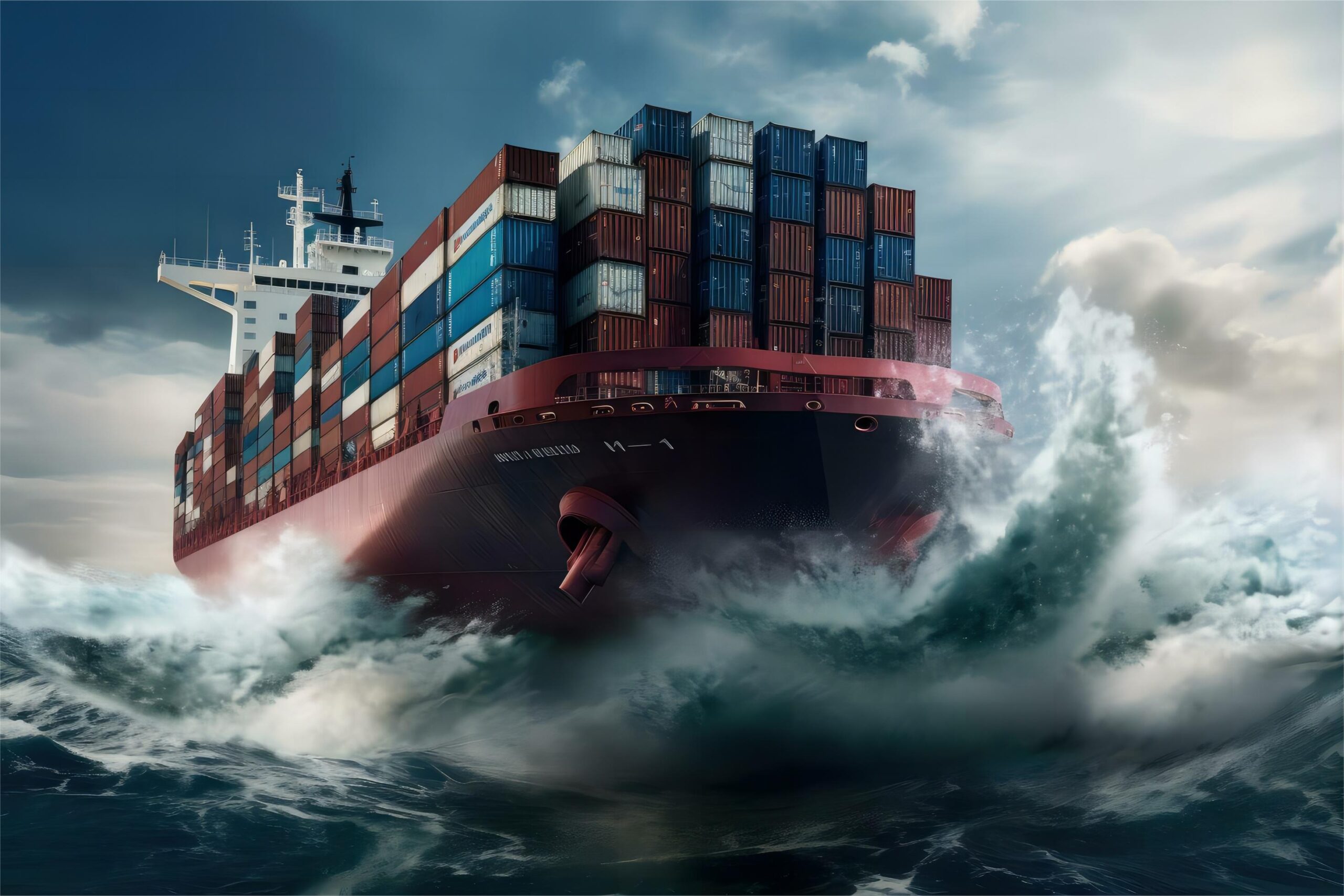
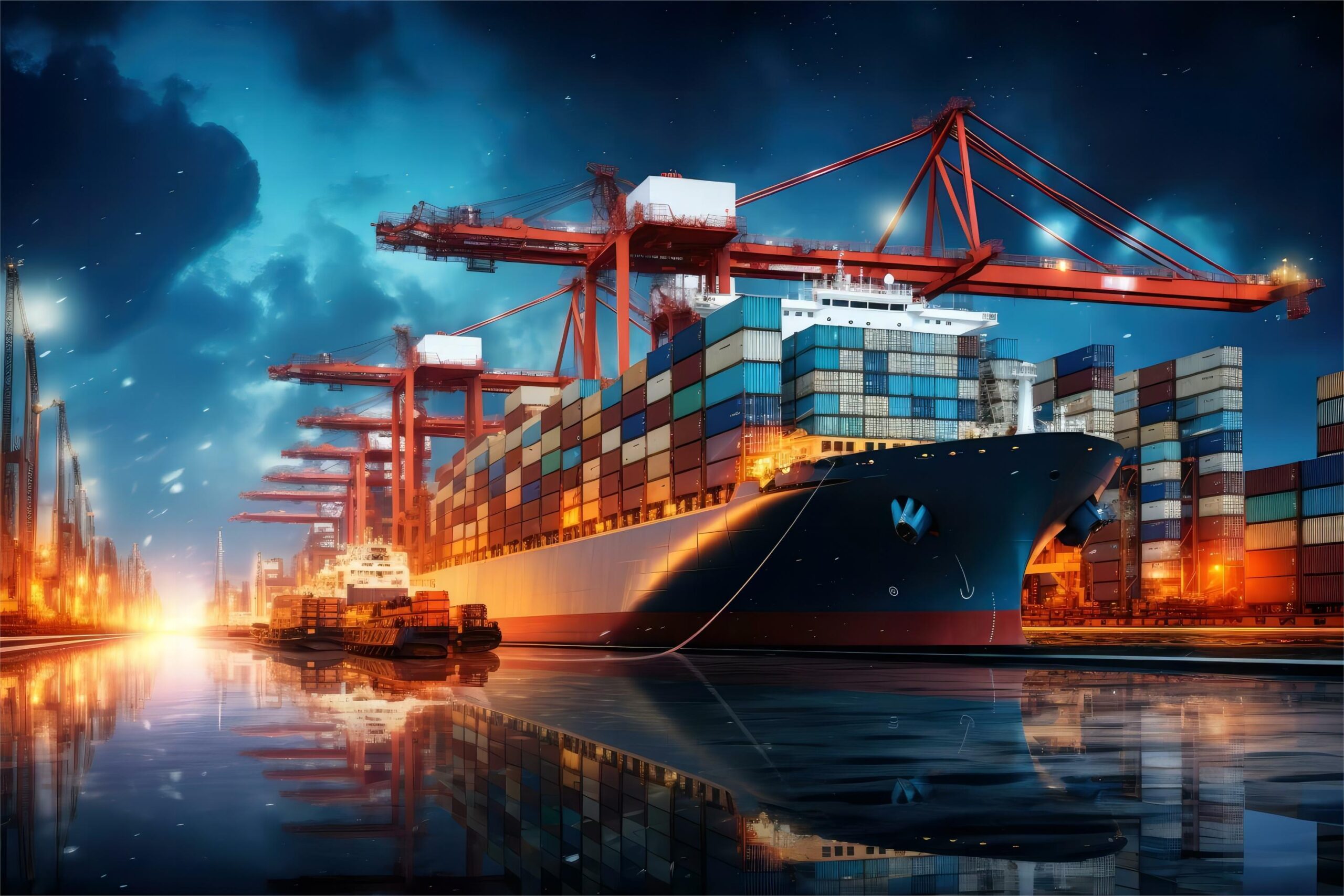
- Sea Freight: Cost-effective for large or heavy shipments but slower.
- Land Freight: Common for cross-border shipments on adjacent continents, like trucking or rail.
Each mode comes with different advantages and considerations regarding shipping time, cost, and handling conditions.
📌2. Shipping Time Estimates
Shipping time varies significantly depending on the transportation mode and route. The following table summarizes typical transit times for popular global freight routes:
| Sort Number | Mode of Transport | Typical Shipping Time | Notes |
|---|---|---|---|
| 1 | ✈️ Air Freight | 1-7 days | Fastest mode; ideal for urgent shipments |
| 2 | 🚢 Sea Freight | 15-45 days | Best for bulky, heavy shipments |
| 3 | 🚚 Land Freight | 3-14 days | Depends on distance and border clearance |
| 4 | 📦 Express Courier | 1-5 days | Door-to-door; premium cost |
3. Key Terms and Conditions in Global Freight Solutions
When dealing with global freight, understanding common shipping terms and conditions is crucial. Here are some you will encounter:
| Sort Number | Term | Description |
|---|---|---|
| 1 | 📜 Incoterms | International commercial terms defining buyer and seller responsibilities (e.g., FOB, CIF) |
| 2 | 🧾 Bill of Lading (B/L) | Legal document issued by carrier acknowledging receipt of cargo |
| 3 | 🛃 Customs Clearance | Process of getting permission from customs to move goods across borders |
| 4 | 🛡️ Freight Insurance | Protection against loss or damage during transportation |
| 5 | ⏳ Demurrage | Charges for cargo held beyond free time at port or terminal |
📌4. Technology Advancements in Global Freight Solutions
Technology plays a key role in modern global freight solutions by improving shipment tracking, booking, and documentation. Real-time tracking and digital platforms help reduce delays and errors, making international shipping more efficient and transparent.
✔️5. Environmental Impact of Global Freight Solutions
Sustainability is increasingly important in global freight solutions. Many freight providers use eco-friendly vehicles and packaging, and sea freight offers a lower carbon footprint compared to air. Choosing greener options supports environmental goals and improves company reputation.
6. Choosing the Right Global Freight Solution
China Top Freight offers:
- ✅ Origin and Destination Countries
- ✅ Cargo Type and Volume
- ✅ Preferred Transport Method (Air, Sea, Rail, Road)
- ✅ Delivery Timeline
- ✅ Special Handling Requirements (if any)
💬7. FAQ
What is the difference between FCL and LCL in sea freight?
FCL (Full Container Load) means you rent an entire container, while LCL (Less than Container Load) shares container space with other shipments.
How do customs duties affect shipping costs?
Customs duties vary by country and product classification; they can add significantly to total landed cost.
Can I track my shipment during transit?
Yes, most global freight solutions provide tracking services via carrier websites or freight forwarders.
What happens if my cargo is delayed?
Delays may occur due to customs, weather, or port congestion; insurance may cover losses due to delays.
Are there restrictions on shipping hazardous materials?
Yes, shipping dangerous goods requires compliance with international regulations and special packaging.